Artist Biennial
Robert Motherwell
1915–1991
Biography
Robert Motherwell’s Afternoon in Barcelona epitomizes the bold chromatic contrasts and charged gestures that mark the artist’s signature canvases. Although nonrepresentational, the imagery evokes natural forms, perhaps scenery viewed during Motherwell’s travels in Spain in the late 1950s (the work is part of his Iberia series). Indeed the tripartite configuration—which he called a “dolmen,” in reference to prehistoric stone megaliths— may have associations with the bull ring in Barcelona. Talking about two other paintings in the same series, he stated: “You would have to know that a Spanish bull ring is made of sand of an ocher color, and that Spanish bulls are very small, quick, and coal black. Both of those coal black, ocher pictures have a bull in them, but you cannot really see the bull. They are an equivalence of the ferocity of the whole encounter.” While the angular shapes lend the work a loose structure, the artist’s slashing brushwork suggests that his creative process may have been largely spontaneous, particularly as he was influenced by Surrealist automatism, a free-associative technique of drawing or painting thought to better access the subconscious.
Along with Jackson Pollock, Willem de Kooning, and Mark Rothko, Motherwell was a leading figure of the New York School, one whose paintings, drawings, prints, and collages imparted the Surrealists’ biomorphic forms and intuitive methods to the grand scale and allover compositions that distinguished Abstract Expressionism. Motherwell was an early theorizer of the movement, promoting its modernist ideals through his activities as a writer, editor, teacher, and lecturer.
Works in the collection
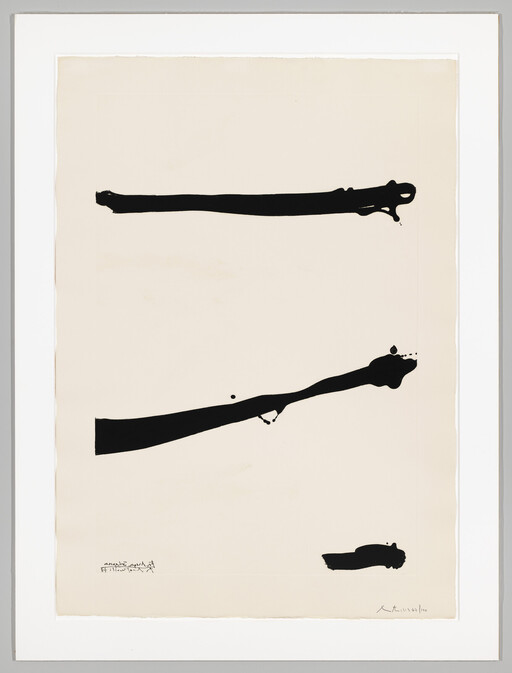
Tallith for Meyer Schapiro
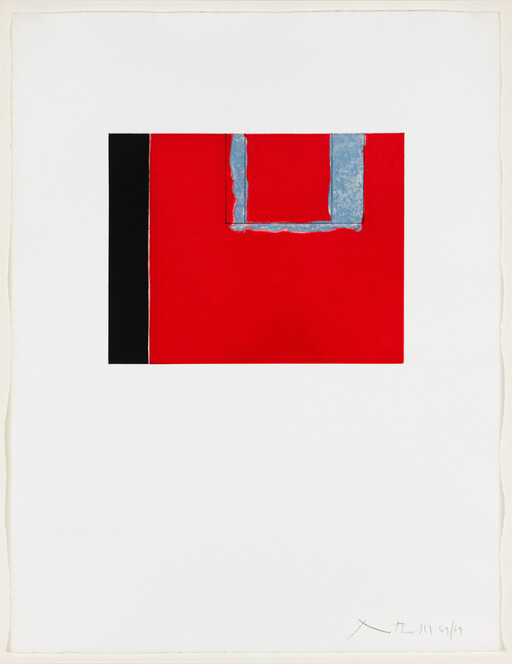
Untitled
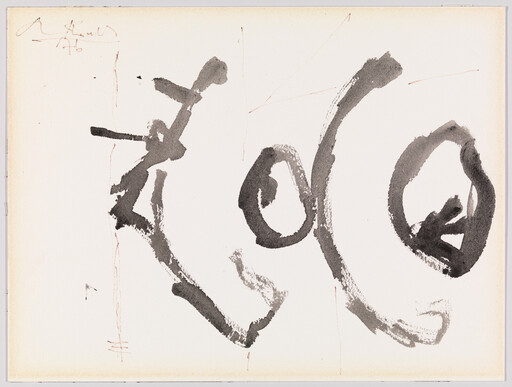
Elegy Drawing #13
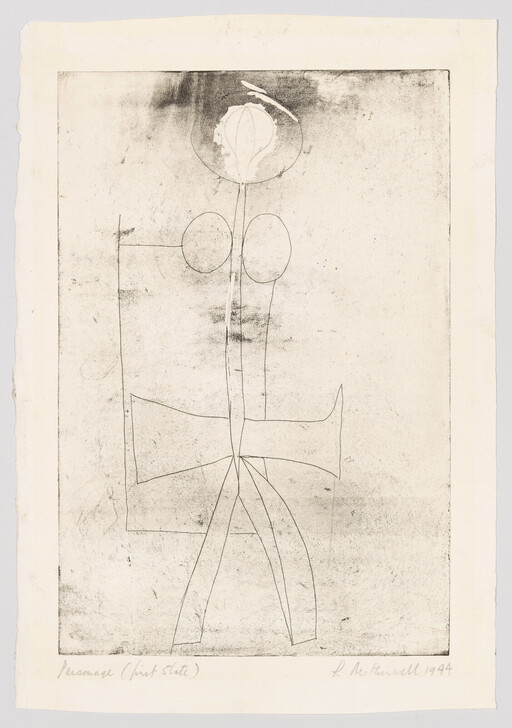
Personnage
Ten Works by Ten Painters
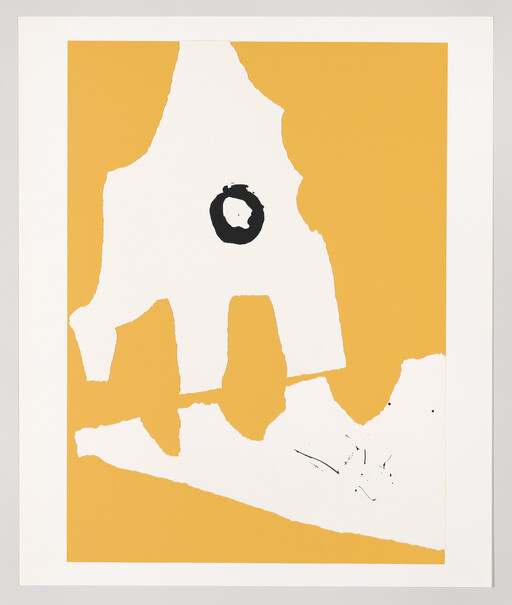
(Untitled)
El Negro
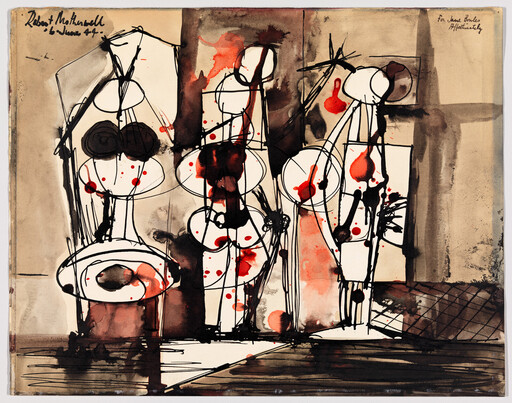
Three Figures Shot
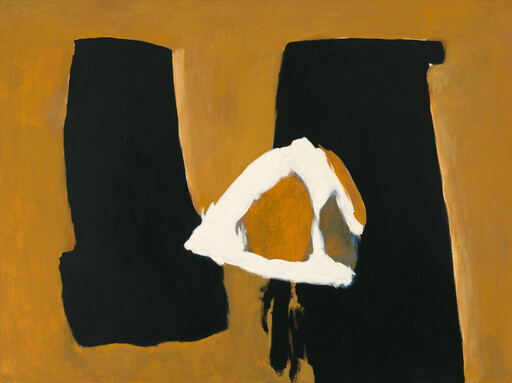
Afternoon in Barcelona
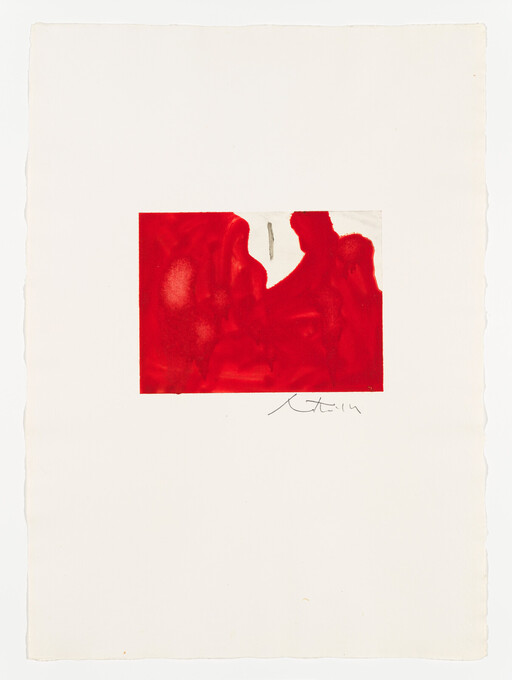
(Untitled) #10
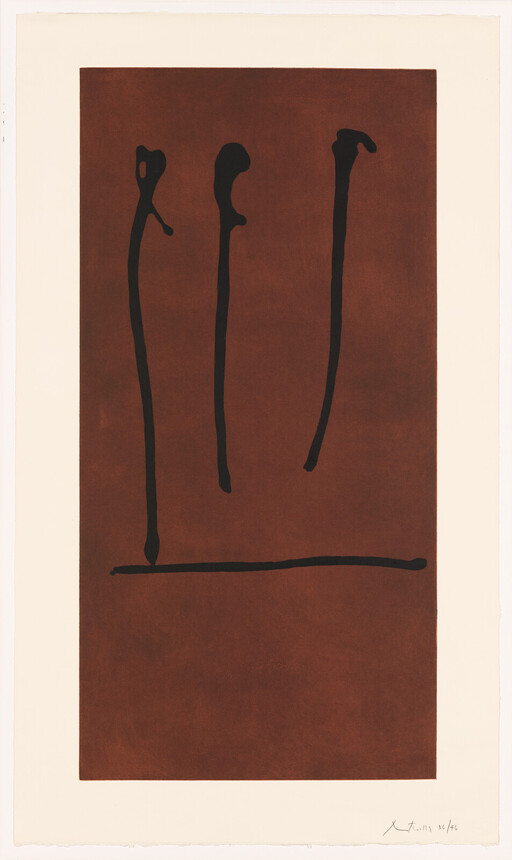
Untitled
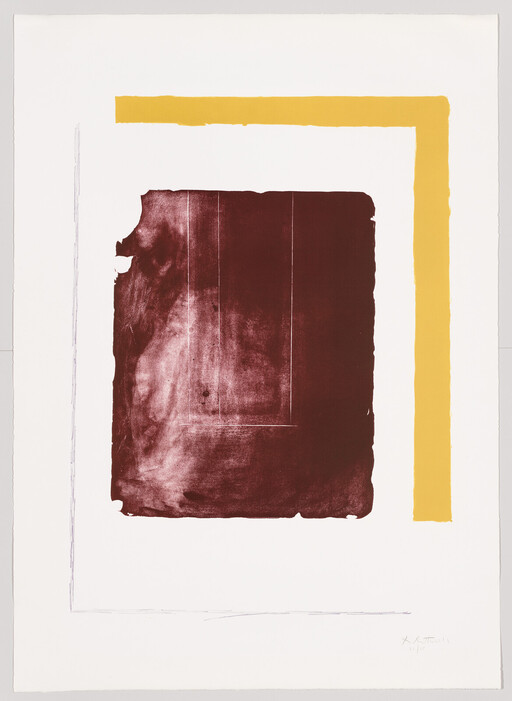
The Celtic Stone
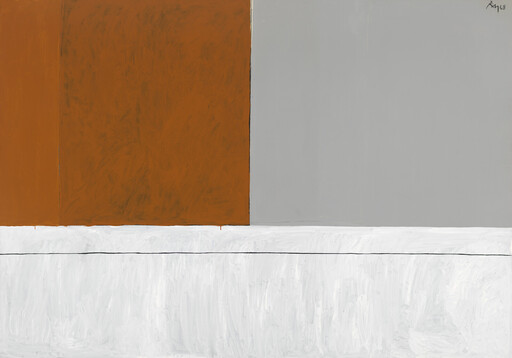
Open 26
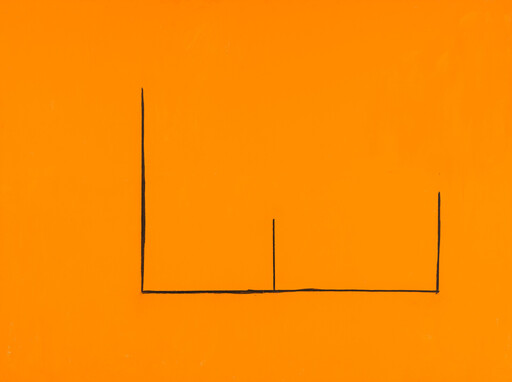
Open 101: Big Orange
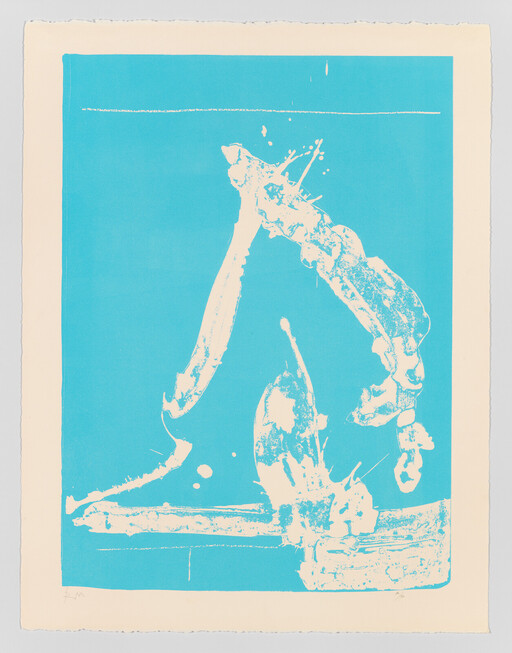
Untitled
9
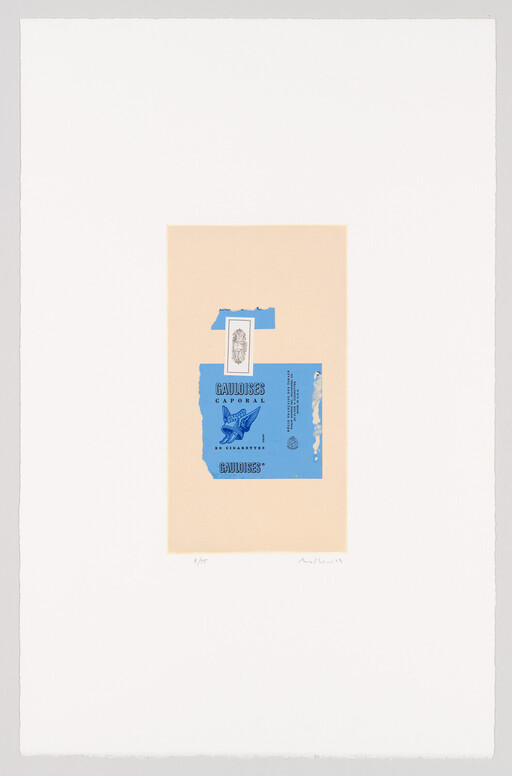
Gauloises Bleues
New York International Portfolio
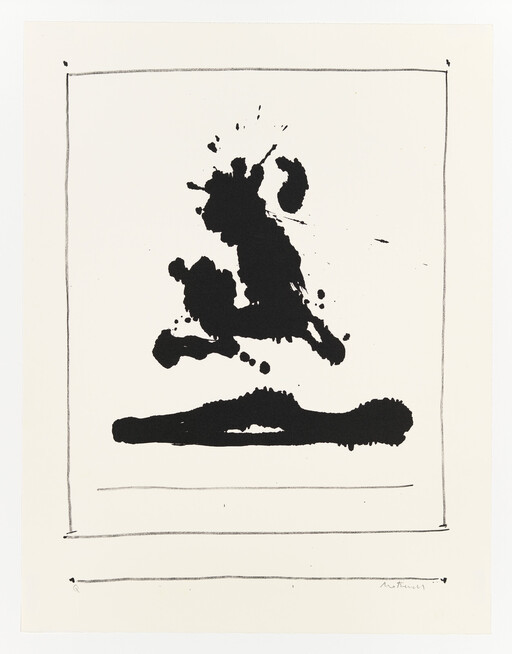
Lithograph
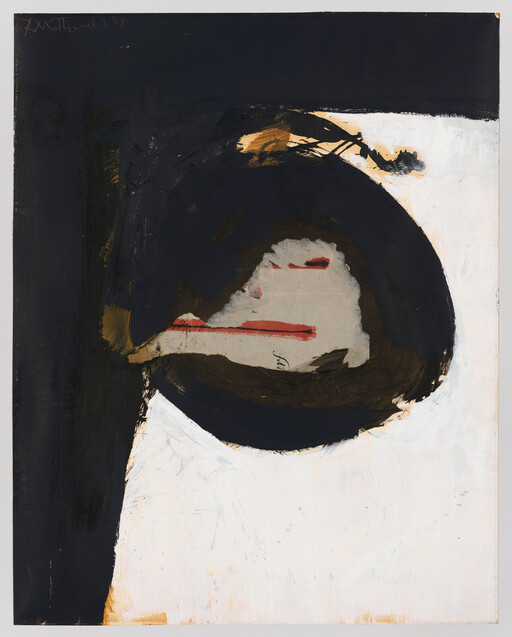
N.R.F. Collage, Number 1
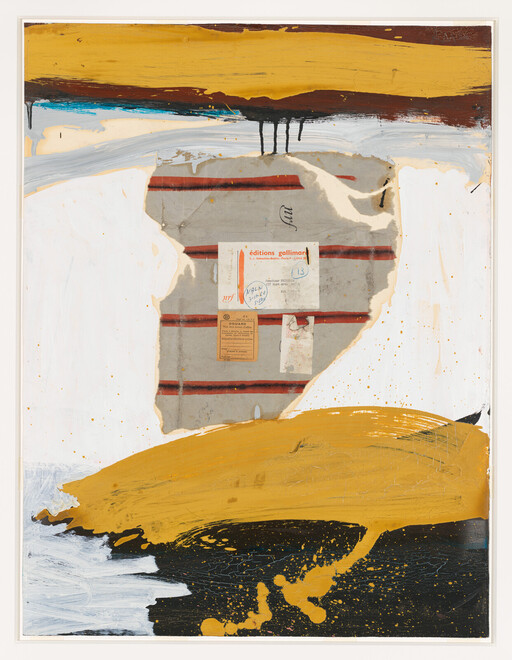
N.R.F. Collage No. 2
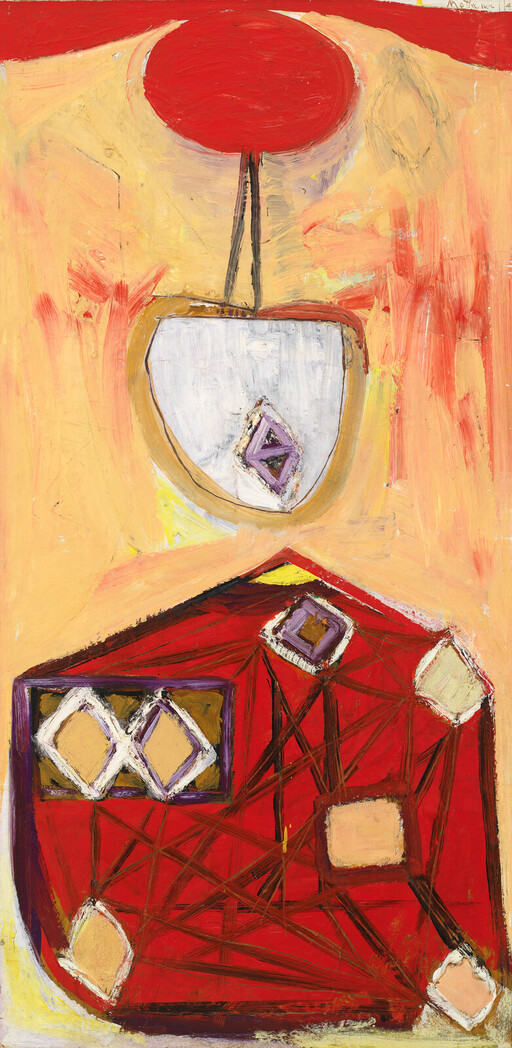
The Red Skirt
Exhibitions at the Whitney
- Signs & Symbols 2012-06-28 – 2012-10-28
- Picasso and American Art 2006-09-28 – 2007-01-28
- New Additions: Prints for an American Museum Part I 2003-10-31 – 2004-01-25
- Highlights from the Permanent Collection: From Hopper to Mid-Century 2000-02-26 – 2006-05-21
- In a Classical Vein: Works from the Permanent Collection 1993-10-18 – 1994-04-03
- Whitney Biennial 1973: Contemporary American Art 1973-01-10 – 1973-03-18
- 1969 Annual Exhibition: Contemporary American Painting 1969-12-16 – 1970-02-01
- Robert Motherwell: Collages 1968-10-08 – 1968-11-17
- 1967 Annual Exhibition of Contemporary Painting 1967-12-13 – 1968-02-04
- 1965 Annual Exhibition of Contemporary American Painting 1965-12-08 – 1966-01-30
- Annual Exhibition 1963: Contemporary American Painting 1963-12-11 – 1964-02-02
- Annual Exhibition 1961: Contemporary American Painting 1961-12-13 – 1962-02-04
- 1959 Annual Exhibition of Contemporary American Painting 1959-12-09 – 1960-01-31
- 1958 Annual Exhibition: Sculpture, Paintings, Watercolors, Drawings 1958-11-19 – 1959-01-04
- 1957 Annual Exhibition: Sculpture, Paintings, Watercolors 1957-11-20 – 1958-01-12
- 1956 Annual Exhibition: Sculpture, Paintings, Watercolors, Drawings 1956-11-14 – 1957-01-06
- 1954 Annual Exhibition of Contemporary American Sculpture, Watercolors and Drawings 1954-03-17 – 1954-04-18
- 1953 Annual Exhibition of Contemporary American Painting 1953-10-15 – 1953-12-06
- 1953 Annual Exhibition of Contemporary American Sculpture, Watercolors and Drawings 1953-04-09 – 1953-05-29
- 1952 Annual Exhibition of Contemporary American Painting 1952-11-06 – 1953-01-04
- 1952 Annual Exhibition of Contemporary American Sculpture, Watercolors and Drawings 1952-03-13 – 1952-05-04
- 1951 Annual Exhibition of Contemporary American Painting 1951-11-08 – 1952-01-06
- Robert Motherwell's Scotchlite 1951-10-16 – 1951-11-04
- 1951 Annual Exhibition of Contemporary American Sculpture, Watercolors and Drawings 1951-03-17 – 1951-05-06
- 1950 Annual Exhibition of Contemporary American Painting 1950-11-10 – 1950-12-31
- 1949 Annual Exhibition of Contemporary American Painting 1949-12-16 – 1950-02-05
- 1949 Annual Exhibition of Contemporary American Sculpture, Watercolors and Drawings 1949-04-02 – 1949-05-08
- 1948 Annual Exhibition of Contemporary American Sculpture, Watercolors and Drawings 1948-01-31 – 1948-03-21
- 1947 Annual Exhibition of Contemporary American Painting 1947-12-06 – 1948-01-25
- 1947 Annual Exhibition of Contemporary American Sculpture, Watercolors and Drawings 1947-03-11 – 1947-04-17
- 1946 Annual Exhibition of Contemporary American Painting 1946-12-10 – 1947-01-16
- 1946 Annual Exhibition of Contemporary American Sculpture, Watercolors and Drawings 1946-02-05 – 1946-03-13
- 1945 Annual Exhibition of Contemporary American Painting 1945-11-27 – 1946-01-10