Artist Biennial
Willem de Kooning
1904–1997
Biography
During the course of his prolific career of nearly seven decades, Willem de Kooning expanded the language of painting with a mastery that had few equals in the twentieth century. Along with Jackson Pollock, de Kooning is the painter most closely associated with Abstract Expressionism, the seminal American movement of the postwar era. Some of de Kooning’s most celebrated works meld abstraction with figuration and landscape.
Woman and Bicycle belongs to a series of seven paintings of women de Kooning created between 1950 and 1953. With her double mouth, straight-on gaze, and voluptuous figure, rendered in a clashing palette with raw, jagged brushwork, the woman confronts the viewer with an almost visceral force. Although the near-violent energy of his painterly gestures led some to accuse de Kooning of misogyny, for the artist the series was more a reverent, sensual homage to the feminine.
In the late 1950s, motivated in part by a larger studio and a move to the more rural setting of Springs, on New York’s Long Island, de Kooning began to paint with greater openness: a “full arm sweep.” He mixed his paint with more liquidity and applied it with a speed and force that is especially apparent in Door to the River, the apogee of a group of abstracted landscapes inspired by water, light, and motion (and by his many car trips between Manhattan and Springs). De Kooning described the content of these so-called Parkway and Pastoral Landscapes as “emotions . . . landscapes and highways and sensations . . . outside the city— with the feeling of going to the city or coming from it.”
Works in the collection
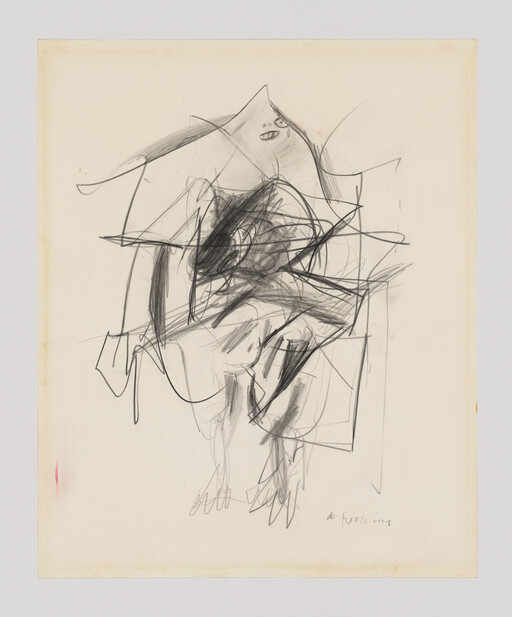
Woman
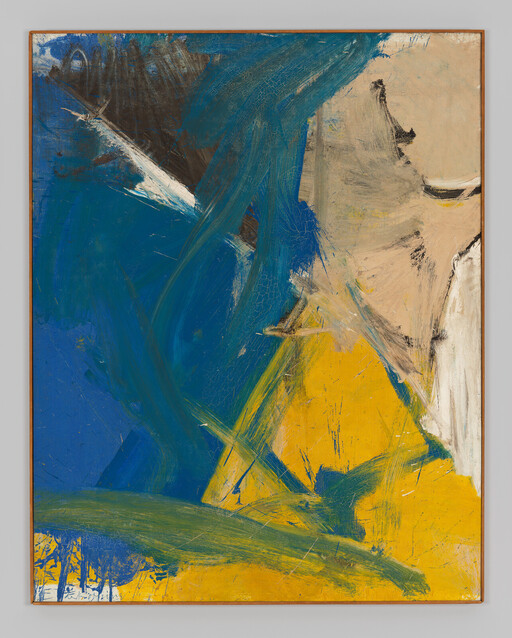
Yellow River
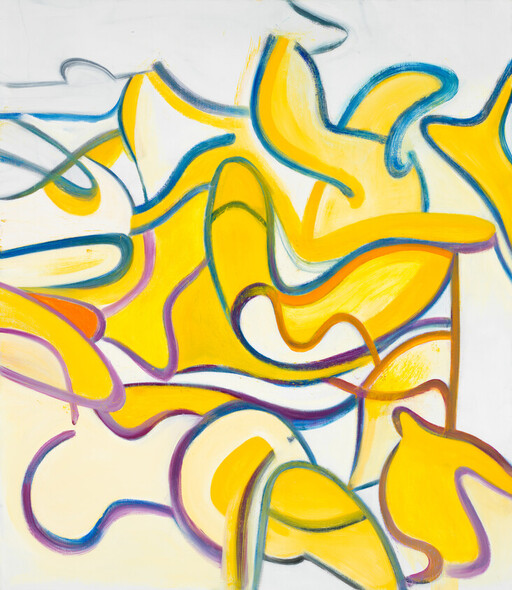
<no title>
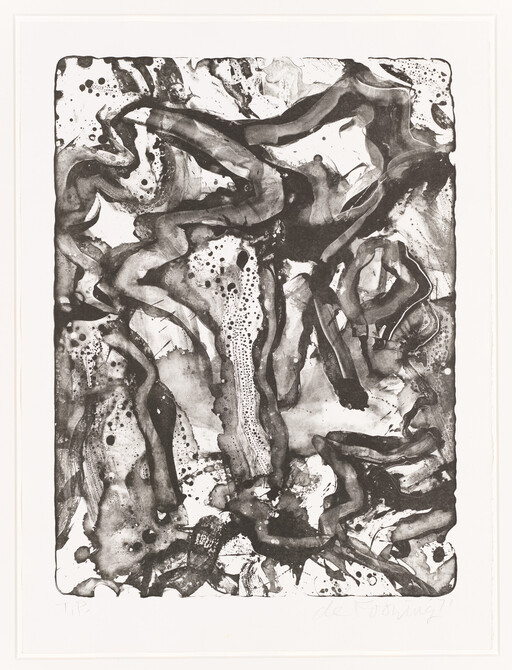
Landscape at Stanton Street
21 Etchings and Poems
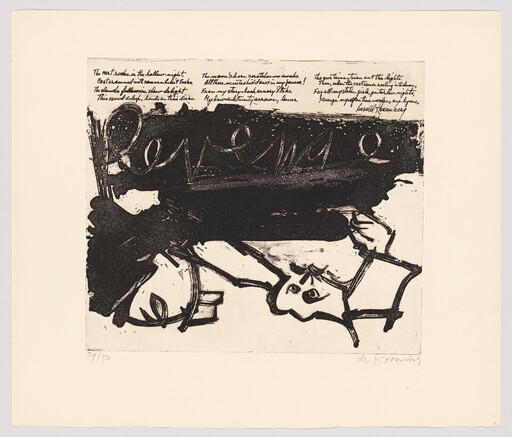
Revenge
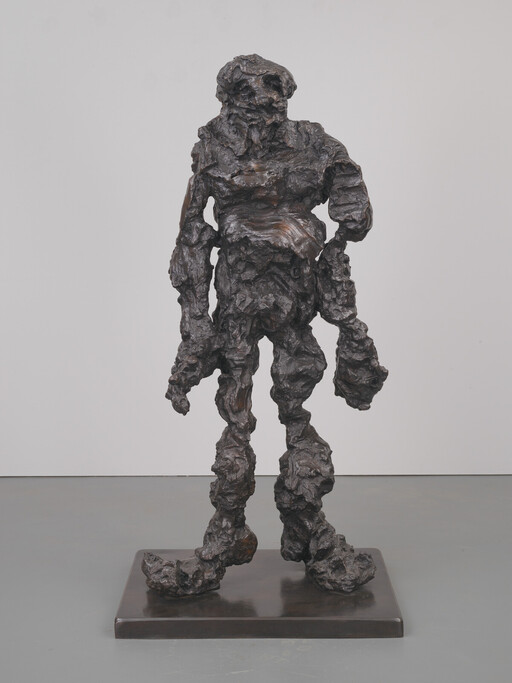
Clamdigger
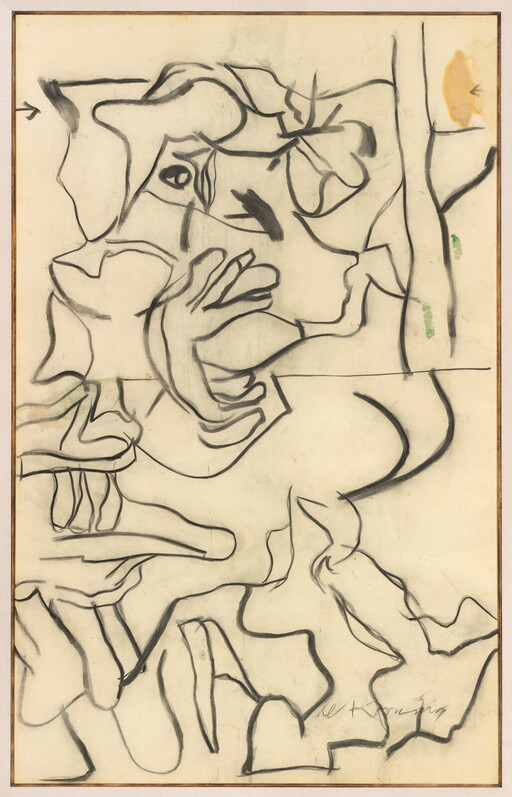
Untitled (Woman)
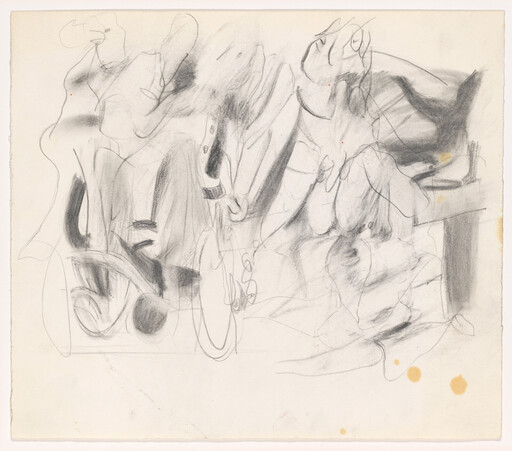
Figures with Bicycle
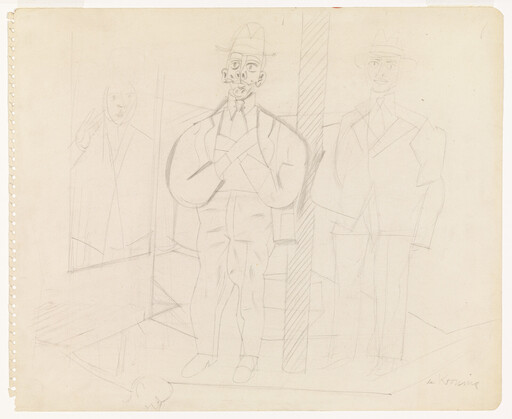
Manikins
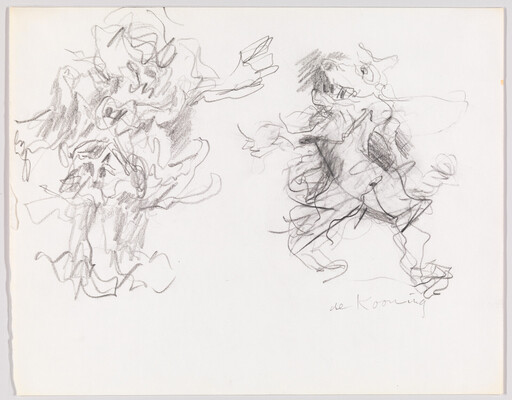
Untitled
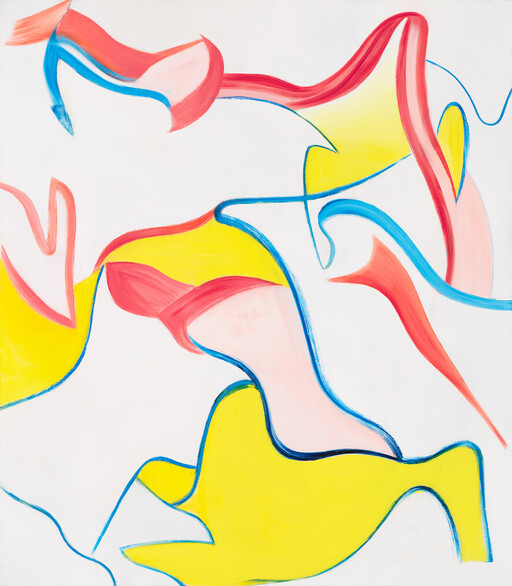
Untitled VII
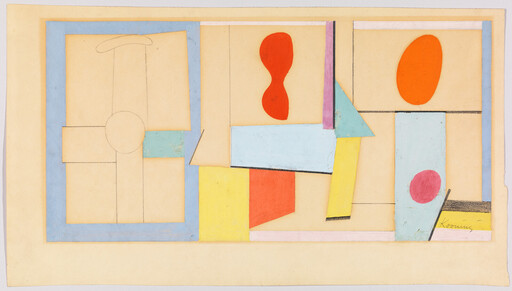
Untitled
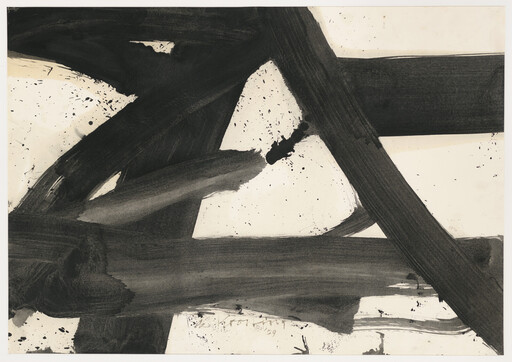
Black and White
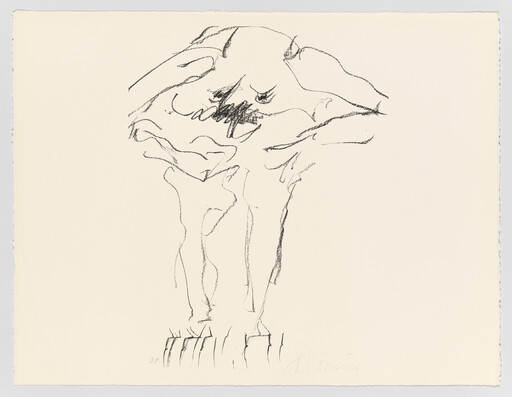
The Clam Digger
9
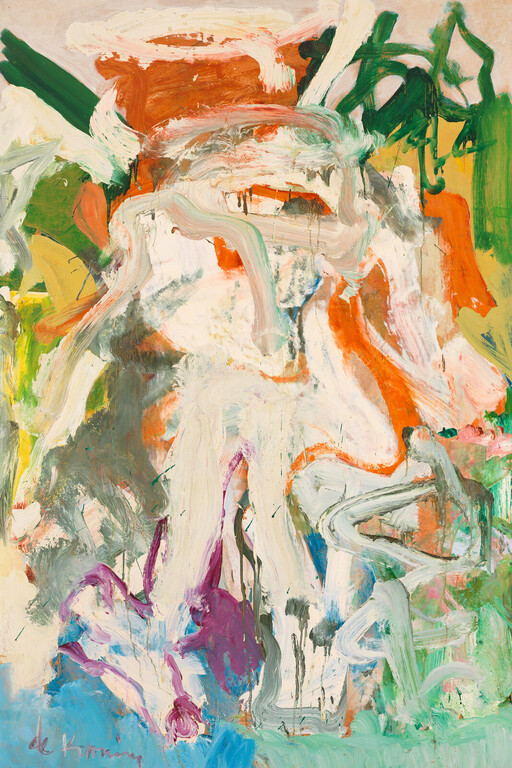
Woman in Landscape III
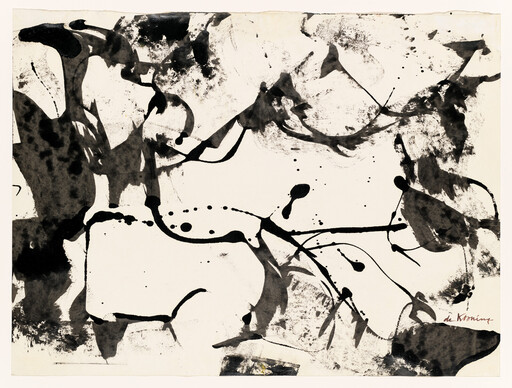
Landscape, Abstract
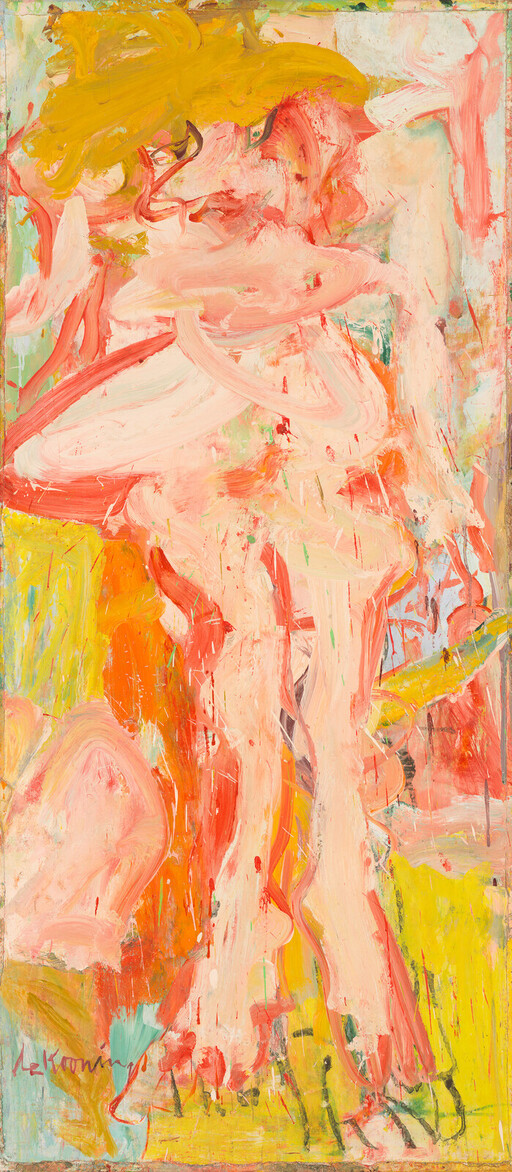
Woman Accabonac
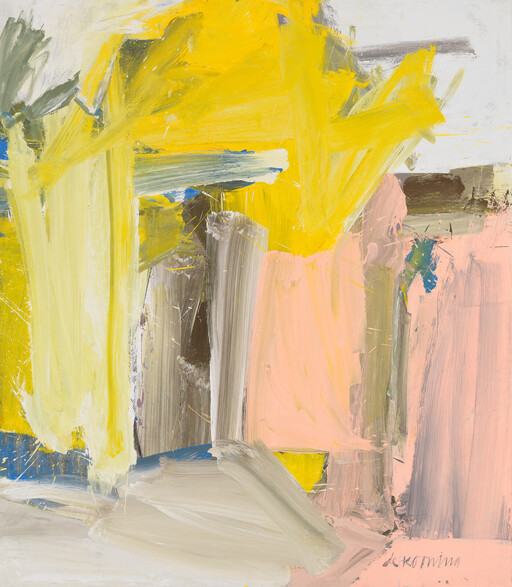
Door to the River
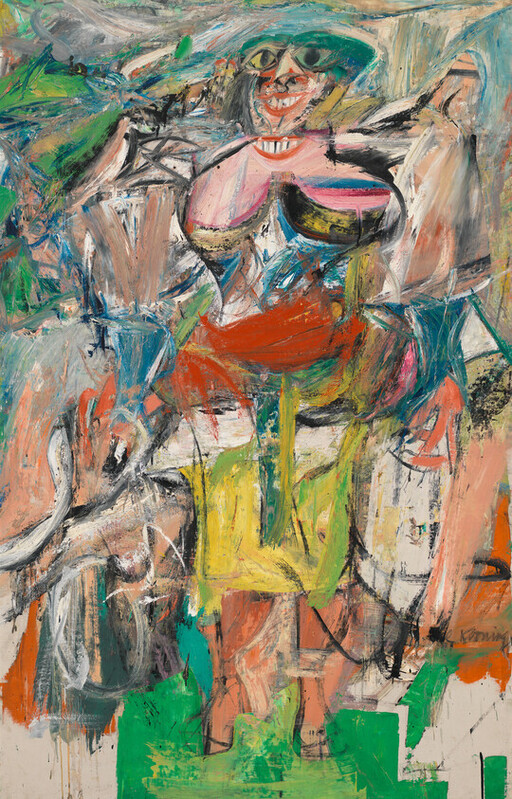
Woman and Bicycle
Exhibitions at the Whitney
- The Whitney’s Collection: Selections from 1900 to 1965 2019-06-28 – 2025-05-01
- Human Interest: Portraits from the Whitney’s Collection 2016-04-02 – 2017-04-02
- The Whitney's Collection 2015-09-28 – 2016-04-04
- America Is Hard to See 2015-05-01 – 2015-09-27
- Legacy: The Emily Fisher Landau Collection 2011-02-10 – 2011-05-01
- Singular Visions 2010-12-16 – 2012-08-05
- Collecting Biennials 2010-01-16 – 2010-11-28
- The Whitney’s Collection 2008-01-30 – 2010-01-03
- Modernisms 2007-08-29 – 2008-01-13
- Picasso and American Art 2006-09-28 – 2007-01-28
- Full House: Views of the Whitney’s Collection at 75 2006-06-29 – 2006-09-03
- Prints into Drawings 2005-04-14 – 2005-08-28
- New Additions: Prints for an American Museum Part II 2004-01-29 – 2004-05-16
- De Kooning to Today: Highlights from the Permanent Collection (2nd floor–Oct 2002) 2002-10-10 – 2003-03-02
- Highlights from the Permanent Collection: From Pollock to Today 2000-12-07 – 2002-02-10
- An American Story 1996-03-20 – 1996-09-29
- In a Classical Vein: Works from the Permanent Collection 1993-10-18 – 1994-04-03
- Whitney Biennial 1987 1987-04-10 – 1987-07-05
- Willem de Kooning: Paintings and Sculpture 1983-12-15 – 1984-02-26
- Whitney Biennial 1981 1981-01-20 – 1981-04-12
- 1972 Annual Exhibition: Contemporary American Painting 1972-01-25 – 1972-03-19
- 1969 Annual Exhibition: Contemporary American Painting 1969-12-16 – 1970-02-01
- 1967 Annual Exhibition of Contemporary Painting 1967-12-13 – 1968-02-04
- 1965 Annual Exhibition of Contemporary American Painting 1965-12-08 – 1966-01-30
- Annual Exhibition 1963: Contemporary American Painting 1963-12-11 – 1964-02-02
- 1959 Annual Exhibition of Contemporary American Painting 1959-12-09 – 1960-01-31
- 1956 Annual Exhibition: Sculpture, Paintings, Watercolors, Drawings 1956-11-14 – 1957-01-06
- 1956 Annual Exhibition of Contemporary American Sculpture, Watercolors and Drawings 1956-04-18 – 1956-06-10
- 1954 Annual Exhibition of Contemporary American Sculpture, Watercolors and Drawings 1954-03-17 – 1954-04-18
- 1953 Annual Exhibition of Contemporary American Painting 1953-10-15 – 1953-12-06
- 1953 Annual Exhibition of Contemporary American Sculpture, Watercolors and Drawings 1953-04-09 – 1953-05-29
- 1952 Annual Exhibition of Contemporary American Sculpture, Watercolors and Drawings 1952-03-13 – 1952-05-04
- 1951 Annual Exhibition of Contemporary American Sculpture, Watercolors and Drawings 1951-03-17 – 1951-05-06
- 1950 Annual Exhibition of Contemporary American Painting 1950-11-10 – 1950-12-31
- 1949 Annual Exhibition of Contemporary American Painting 1949-12-16 – 1950-02-05
- 1948 Annual Exhibition of Contemporary American Painting 1948-11-13 – 1949-01-02