Artist Biennial
Brice Marden
1938–2023
Biography
By the time he finished his MFA at Yale University in 1963, Brice Marden had begun to develop what would become a vital concern of his early work: the use of monochrome abstraction to conjure expressionistic effects. In 1964 his exposure to the art of Jasper Johns—while employed as a guard at the Jewish Museum in New York during an important Johns exhibition— fostered his dedication to geometric formats; Mark Rothko, Robert Ryman, and Robert Rauschenberg, for whom he worked as an assistant in the mid-1960s, were other notable influences. Minimalism was then the dominant idiom, and while Marden borrowed its formal rigor and muted palette, he did so to expressive ends. In his words, his art is “highly emotional.”
Marden created Summer Table using a combination of melted beeswax and oil paint, a mixture he developed in the mid-1960s in order to endow the surface of his canvases with a luminescent tactility. Comprising three panels of equal size, the work seems to pulse with chromatic tension. The artist applied the paint with a spatula, producing a dense, matte surface devoid of brushstrokes. Traces of his process remain, however, in the narrow strip of paint drips and spatters at the bottom of each panel. And although Summer Table is wholly nonrepresentational, Marden has identified it as rooted in nature and experience. The work’s palette evokes the sun, land, and sea of the Mediterranean, and was directly inspired by the memory of a table set with glasses of lemonade and Coca-Cola that the artist saw on the Greek island of Hydra, where he has spent time since 1971.
Works in the collection
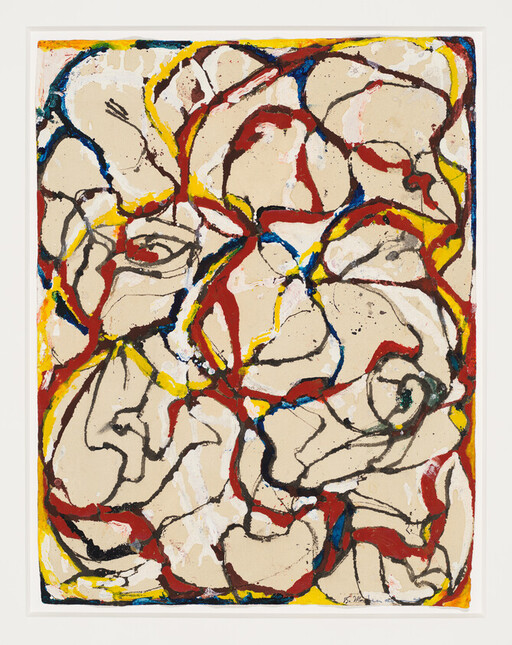
Red, Yellow, Blue Drawing
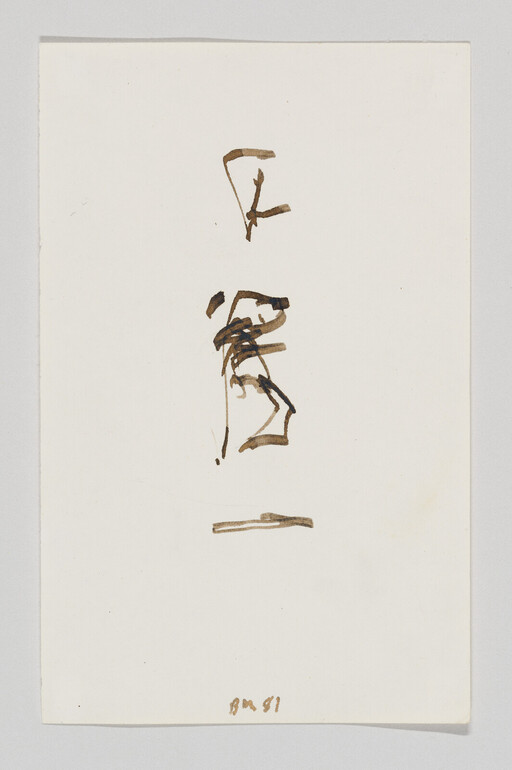
Untitled
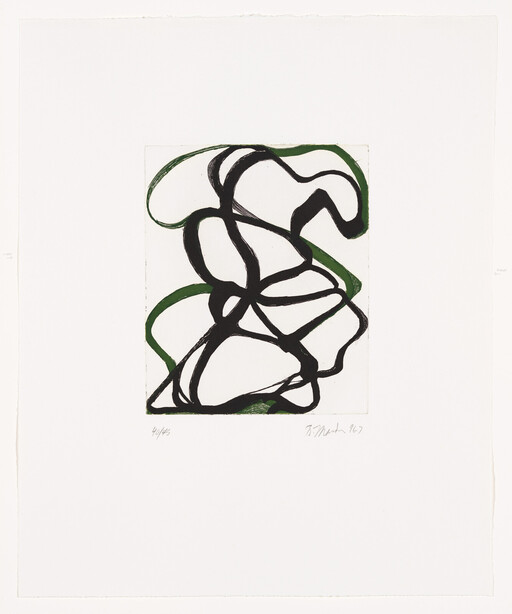
The Fungoid Rock
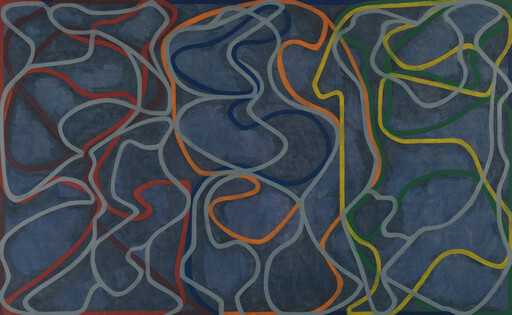
3 Hydra Rocks
Homage to Art 9
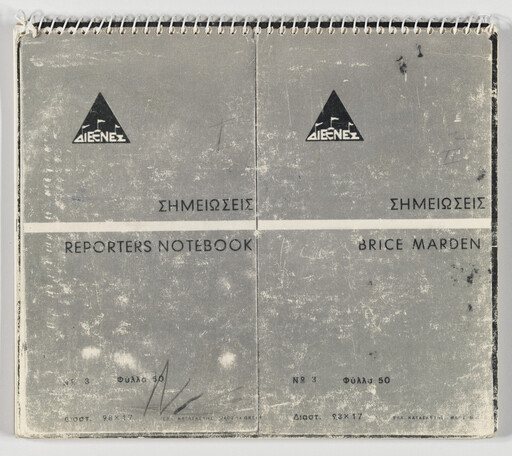
Reporter's Notebook (Reworked Version)
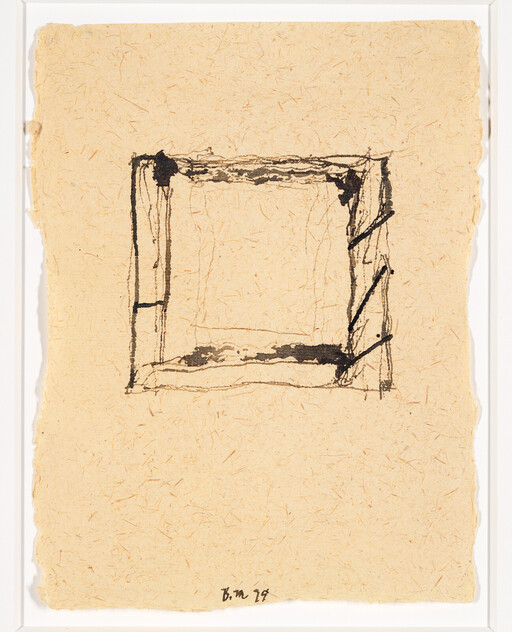
Mirabelle Addenda 2
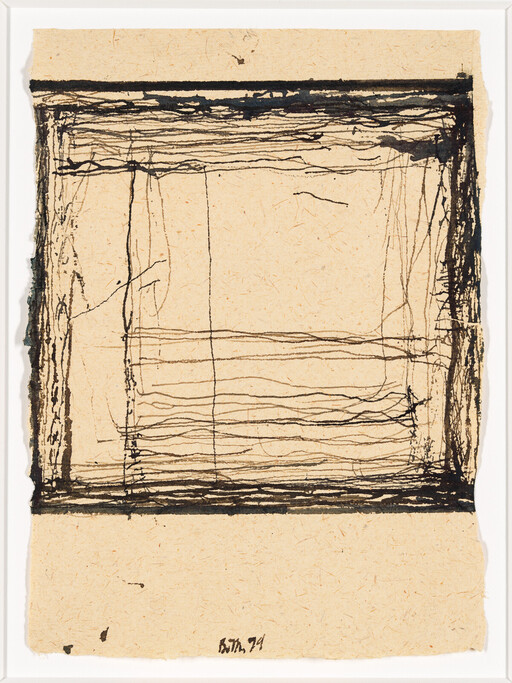
Mirabelle Addenda 3
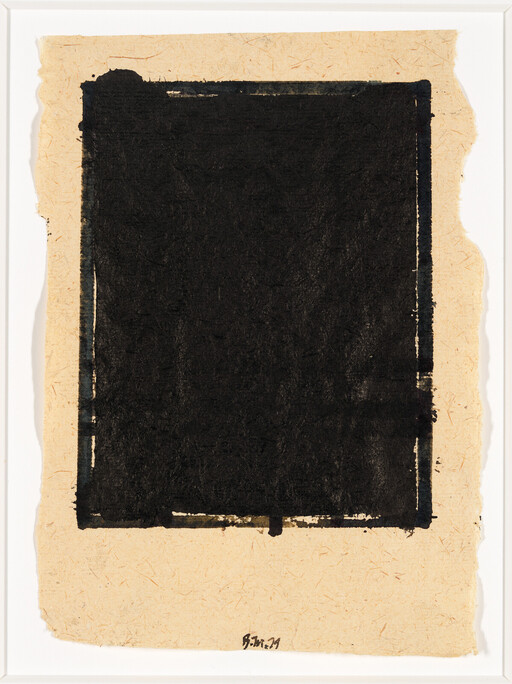
Mirabelle Addenda 6
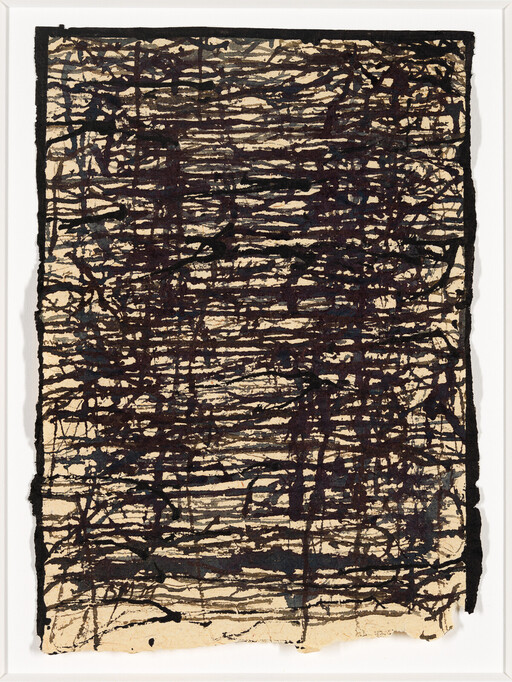
Mirabelle Addenda 9
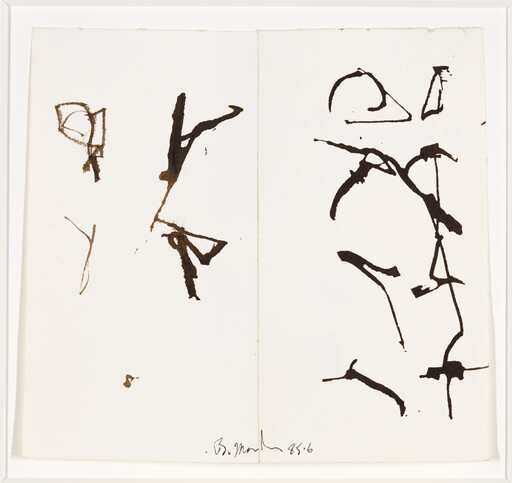
St. Barts 1985-86 N.Y. 1
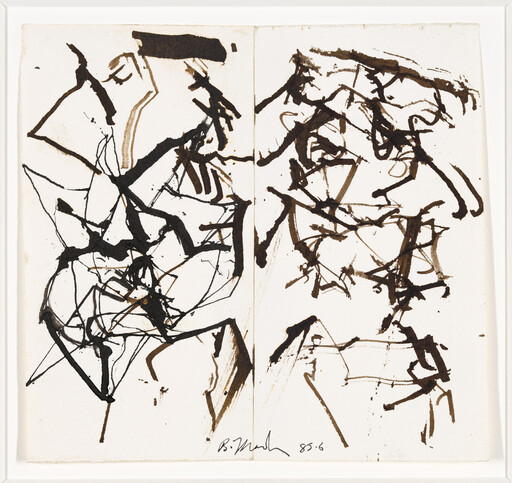
St. Barts 1985-86 N.Y. 2
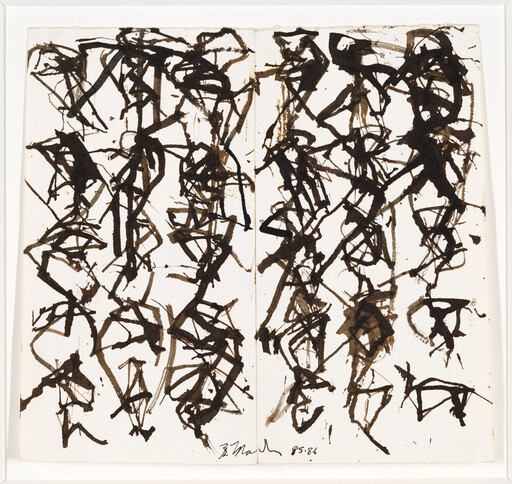
St. Barts 1985-86 N.Y. 3
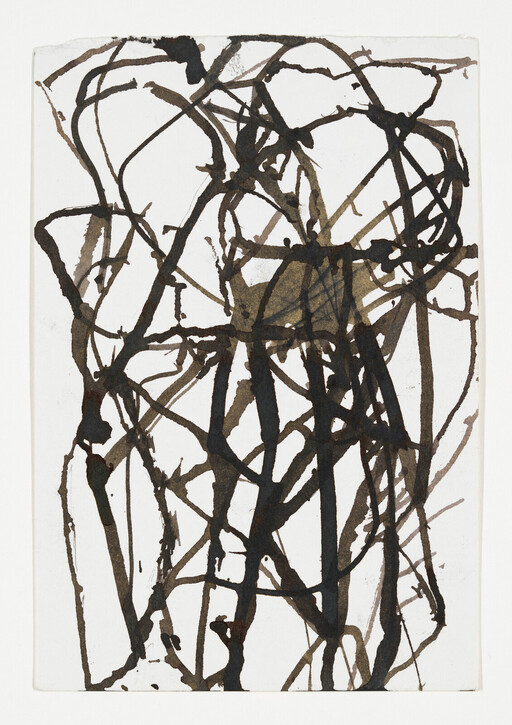
Workbook--Hydra, Tampere, N.Y.C., Bucks Co.
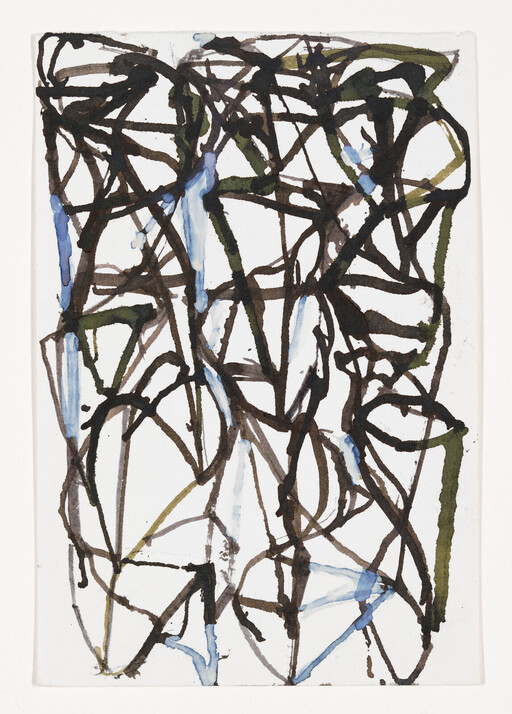
Workbook--Hydra, Tampere, N.Y.C., Bucks Co.
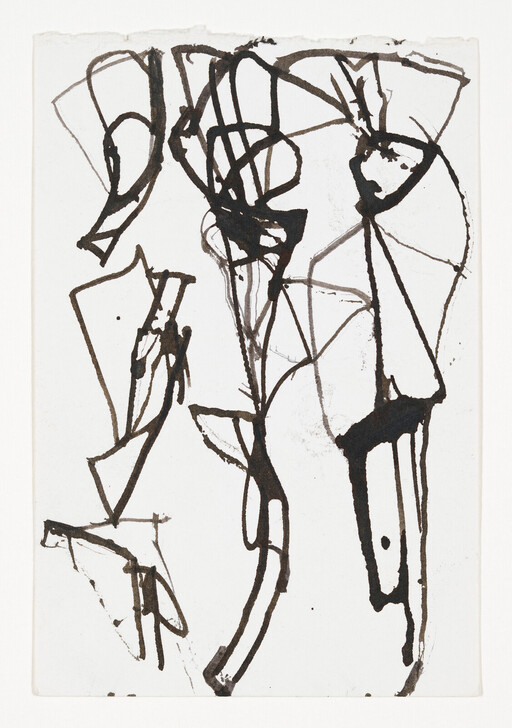
Workbook--Hydra, Tampere, N.Y.C., Bucks Co.
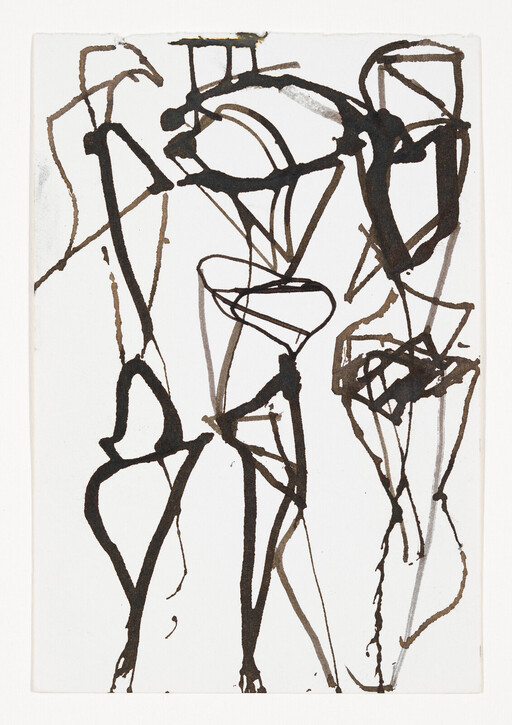
Workbook--Hydra, Tampere, N.Y.C., Bucks Co.
Workbook--Hydra, Tampere, N.Y.C., Bucks Co.
Workbook--Hydra, Tampere, N.Y.C., Bucks Co.
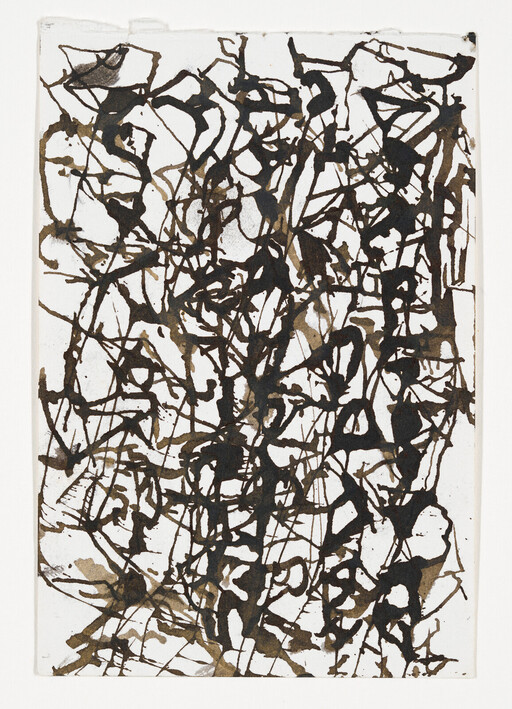
Workbook--Hydra, Tampere, N.Y.C., Bucks Co.
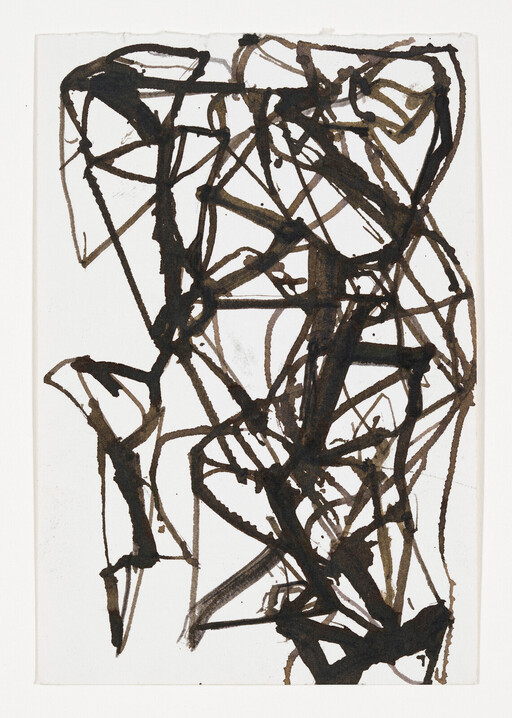
Workbook--Hydra, Tampere, N.Y.C., Bucks Co.
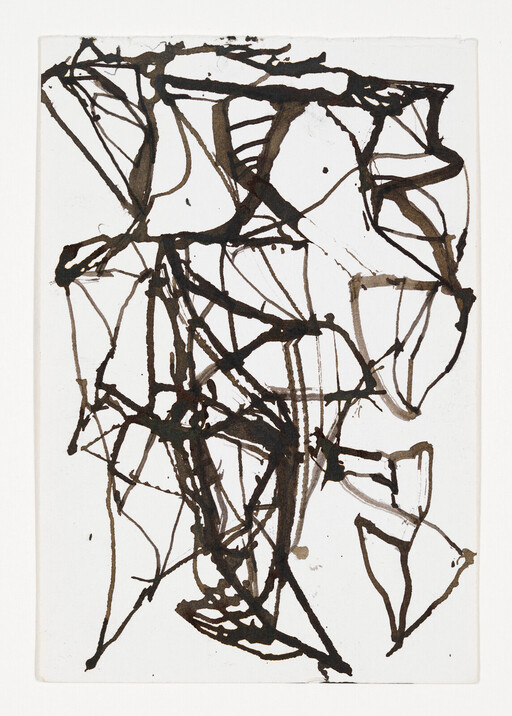
Workbook--Hydra, Tampere, N.Y.C., Bucks Co.
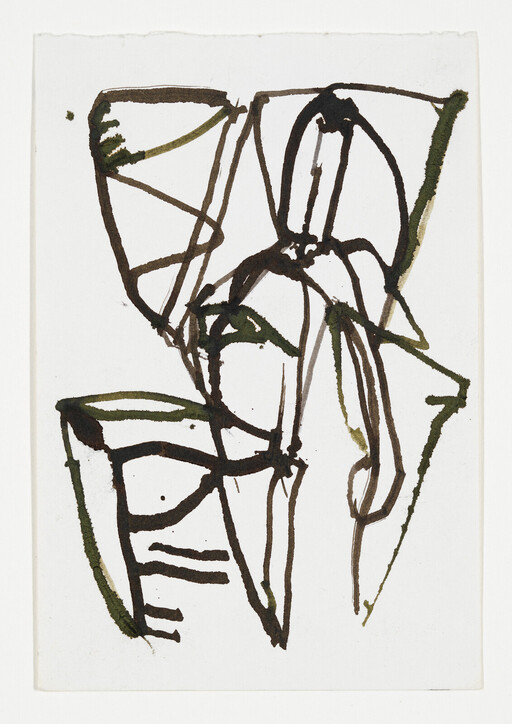
Workbook--Hydra, Tampere, N.Y.C., Bucks Co.
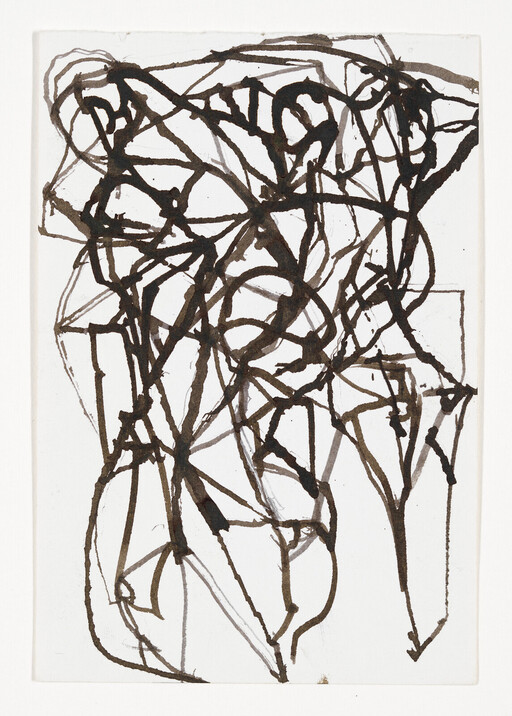
Workbook--Hydra, Tampere, N.Y.C., Bucks Co.
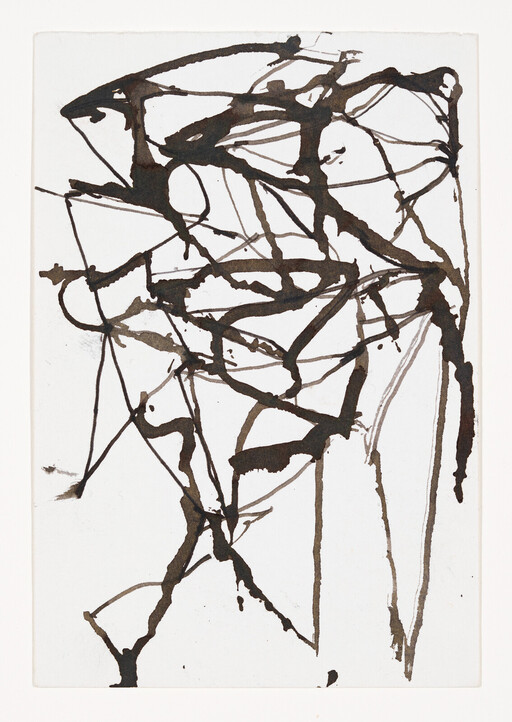
Workbook--Hydra, Tampere, N.Y.C., Bucks Co.
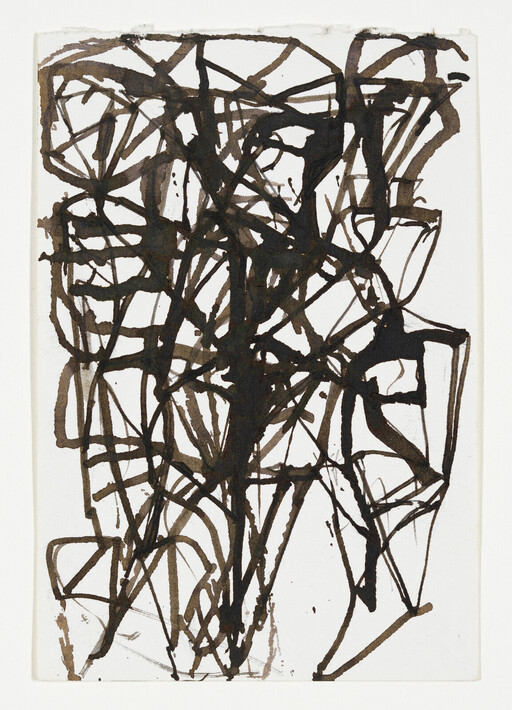
Workbook--Hydra, Tampere, N.Y.C., Bucks Co.
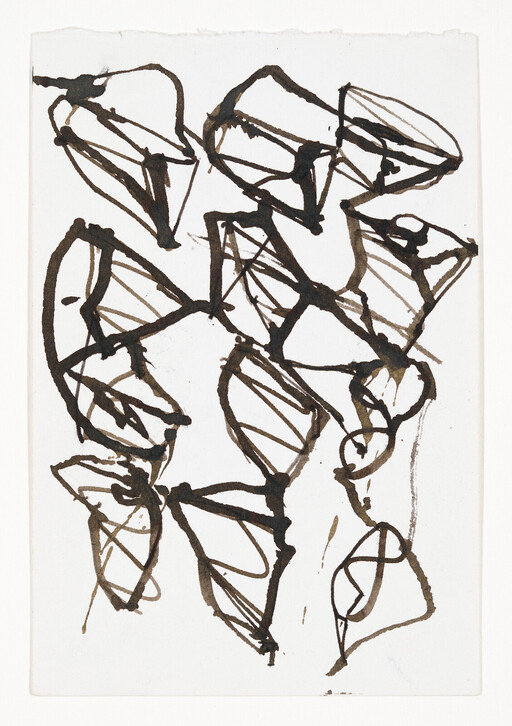
Workbook--Hydra, Tampere, N.Y.C., Bucks Co.
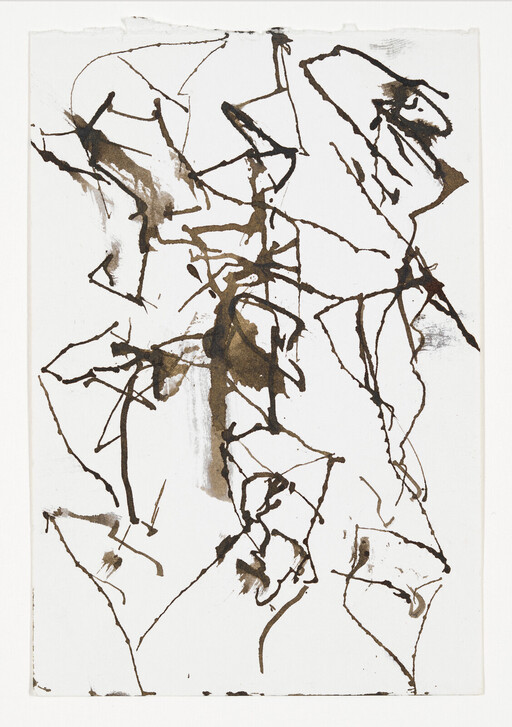
Workbook--Hydra, Tampere, N.Y.C., Bucks Co.
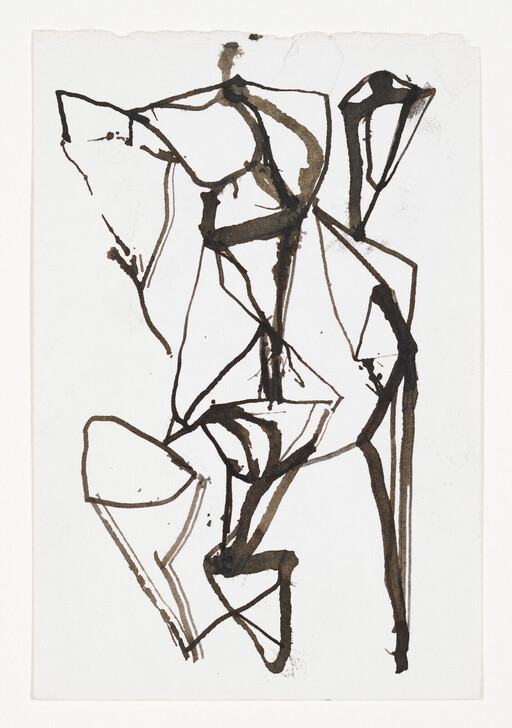
Workbook--Hydra, Tampere, N.Y.C., Bucks Co.
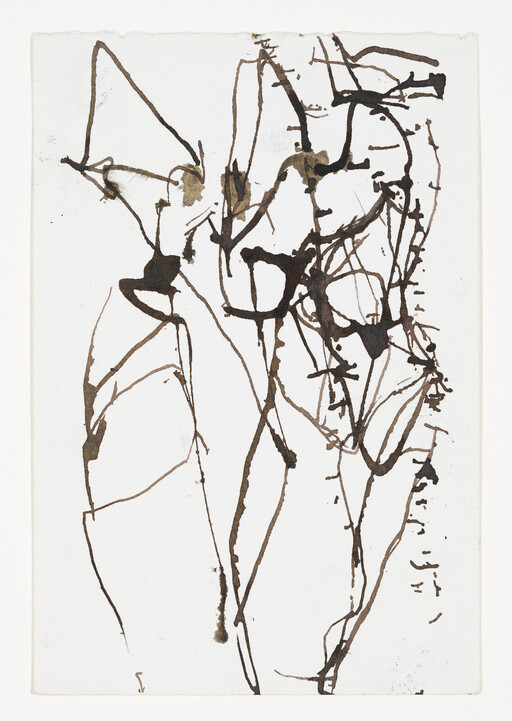
Workbook--Hydra, Tampere, N.Y.C., Bucks Co.
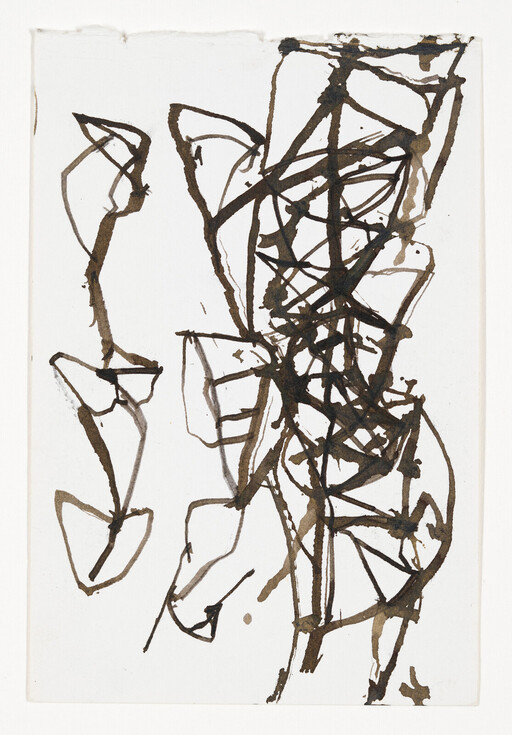
Workbook--Hydra, Tampere, N.Y.C., Bucks Co.
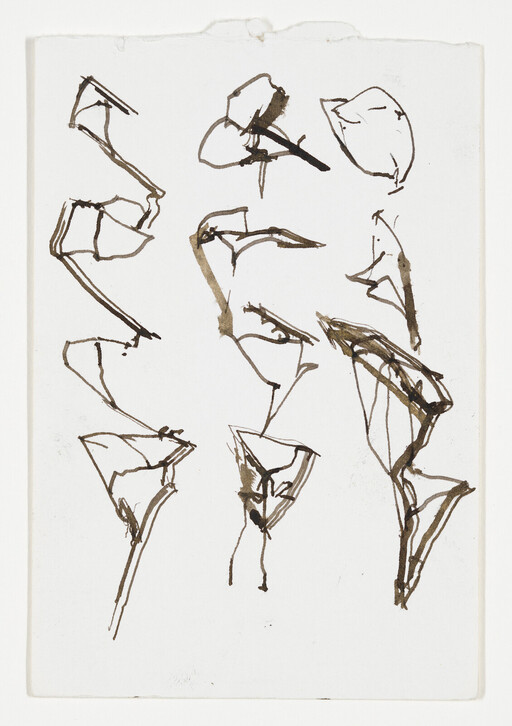
Workbook--Hydra, Tampere, N.Y.C., Bucks Co.
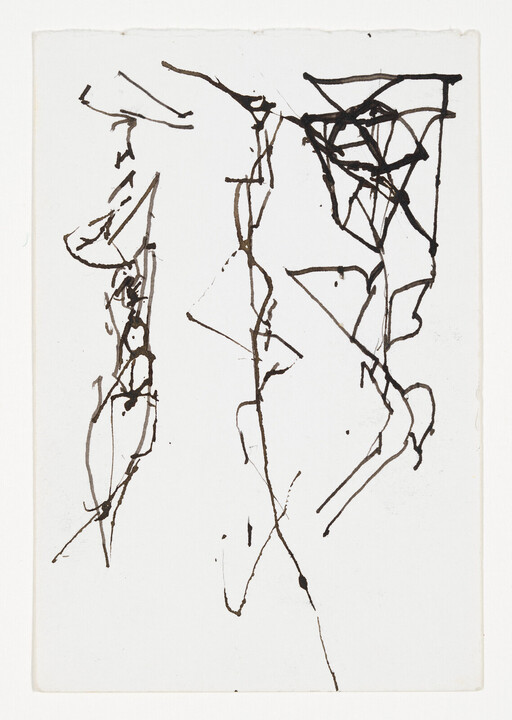
Workbook--Hydra, Tampere, N.Y.C., Bucks Co.
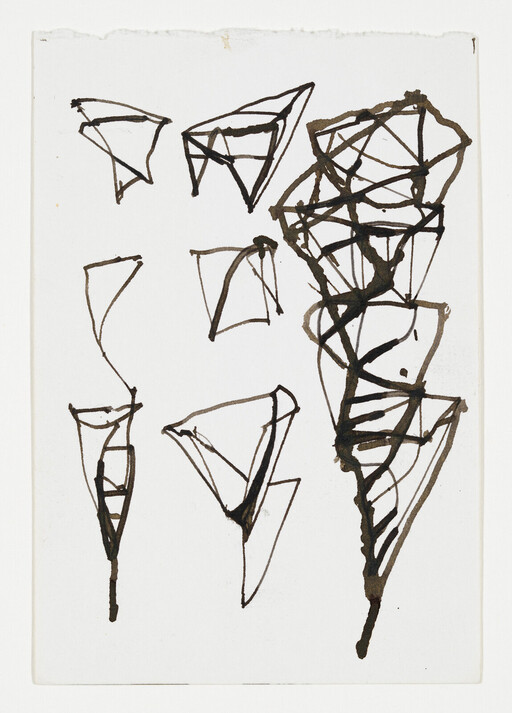
Workbook--Hydra, Tampere, N.Y.C., Bucks Co.
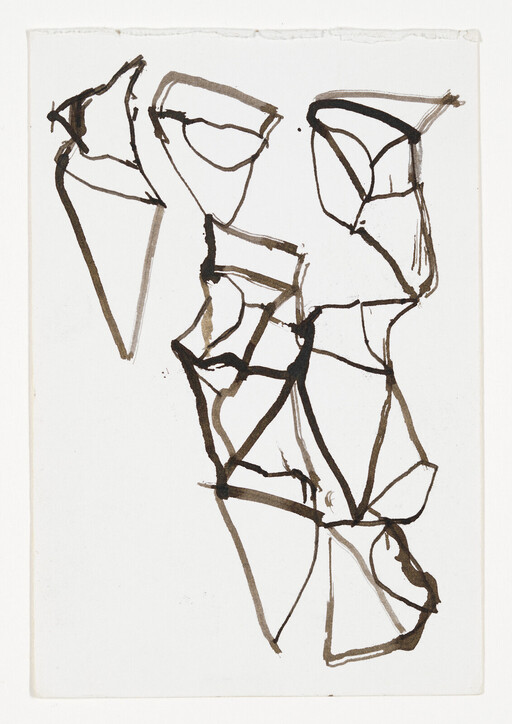
Workbook--Hydra, Tampere, N.Y.C., Bucks Co.
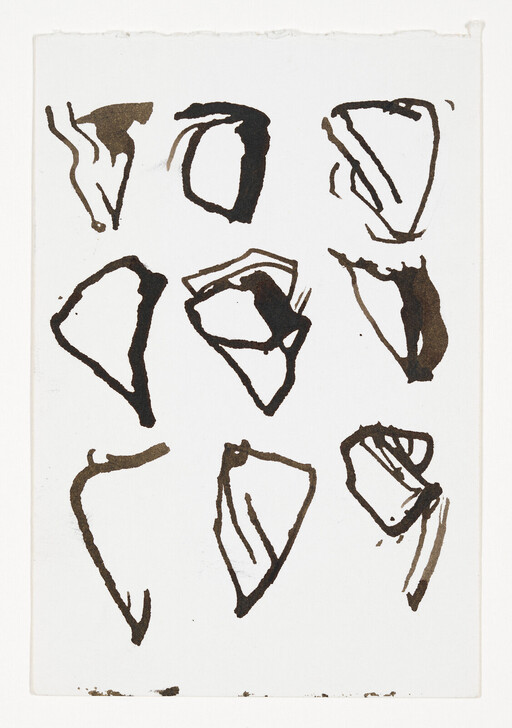
Workbook--Hydra, Tampere, N.Y.C., Bucks Co.
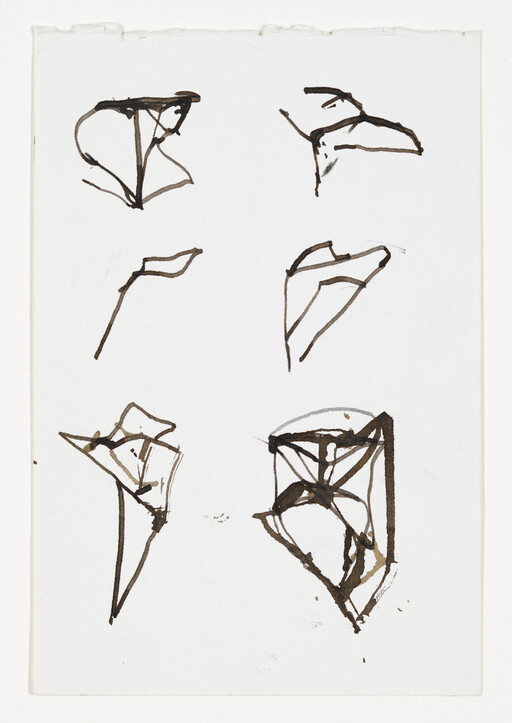
Workbook--Hydra, Tampere, N.Y.C., Bucks Co.
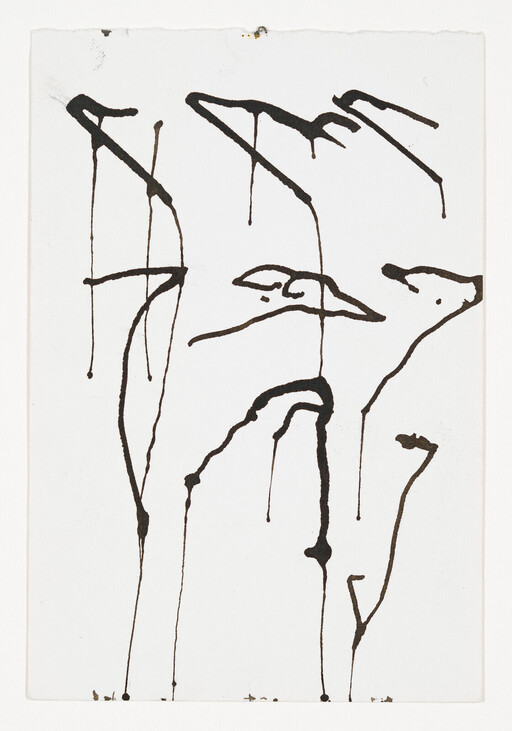
Workbook--Hydra, Tampere, N.Y.C., Bucks Co.
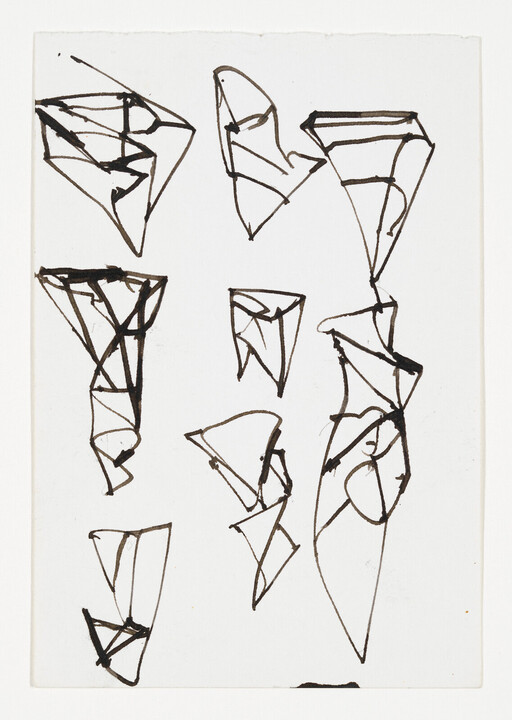
Workbook--Hydra, Tampere, N.Y.C., Bucks Co.
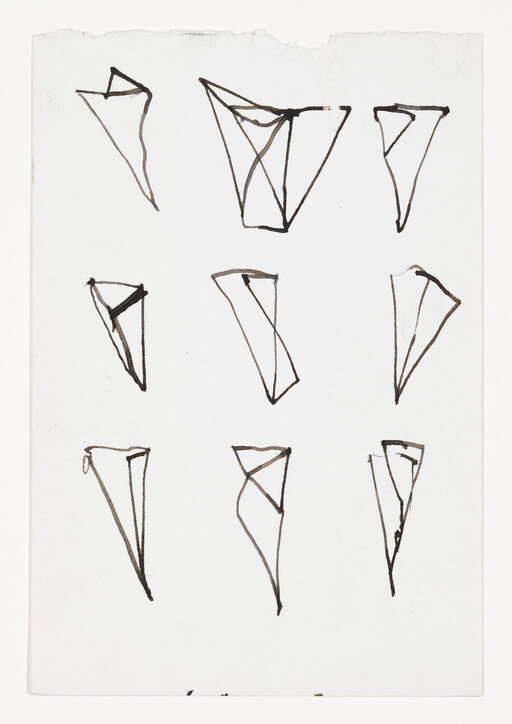
Workbook--Hydra, Tampere, N.Y.C., Bucks Co.
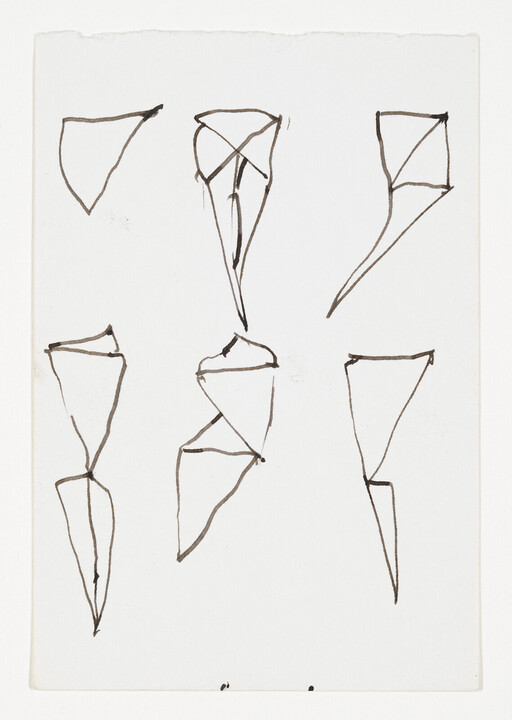
Workbook--Hydra, Tampere, N.Y.C., Bucks Co.
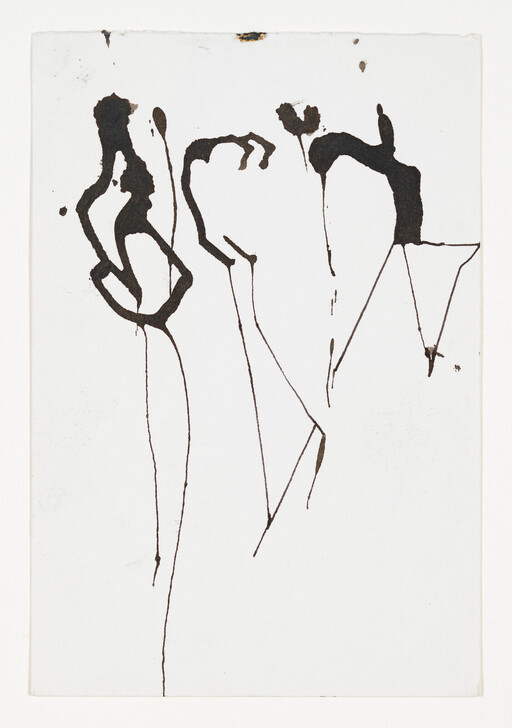
Workbook--Hydra, Tampere, N.Y.C., Bucks Co.
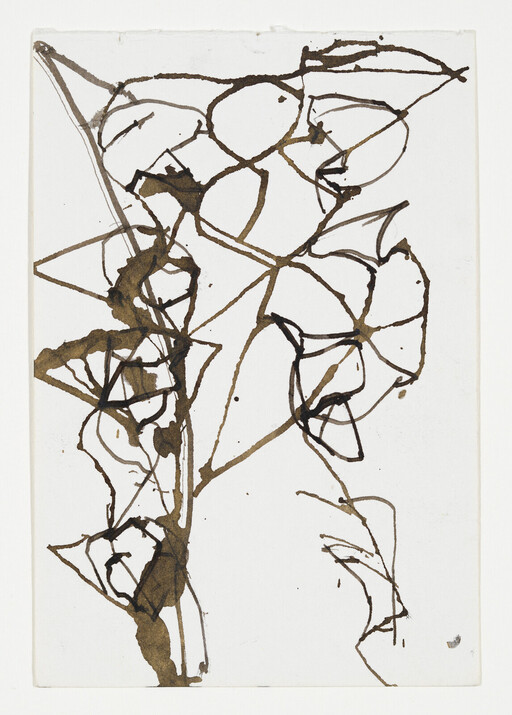
Workbook--Hydra, Tampere, N.Y.C., Bucks Co.
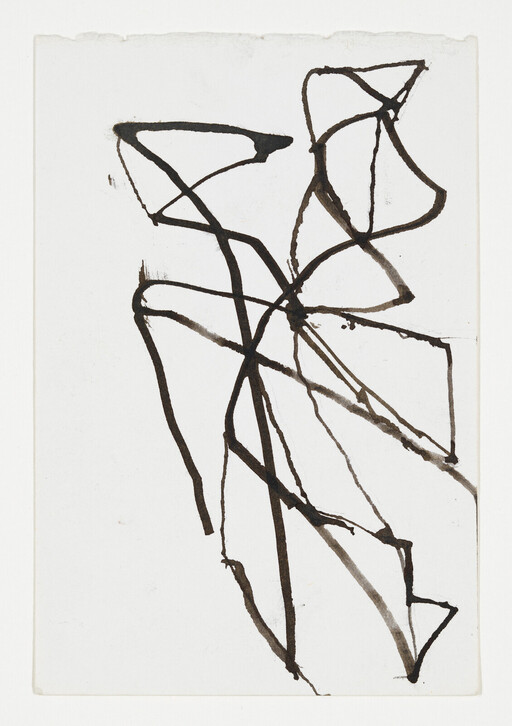
Workbook--Hydra, Tampere, N.Y.C., Bucks Co.
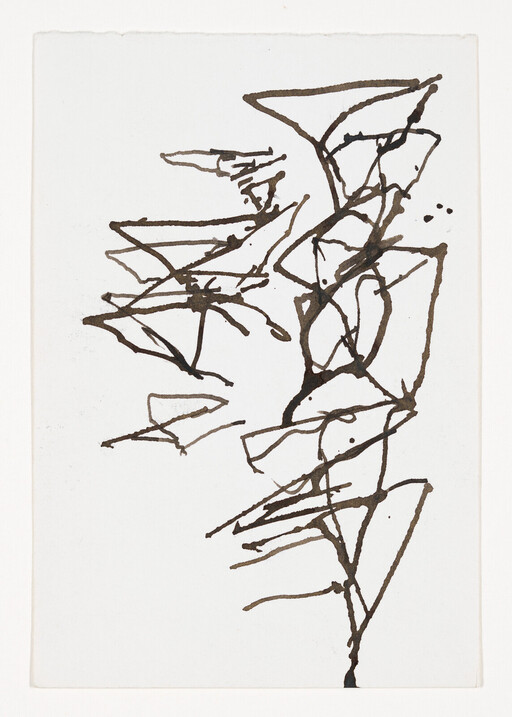
Workbook--Hydra, Tampere, N.Y.C., Bucks Co.
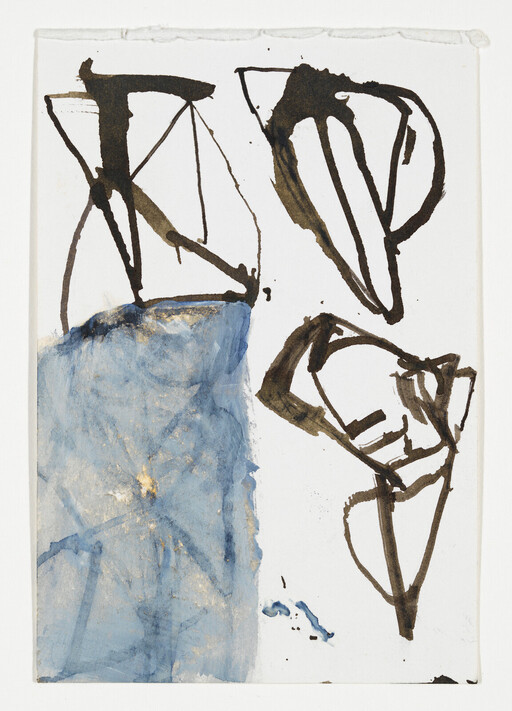
Workbook--Hydra, Tampere, N.Y.C., Bucks Co.
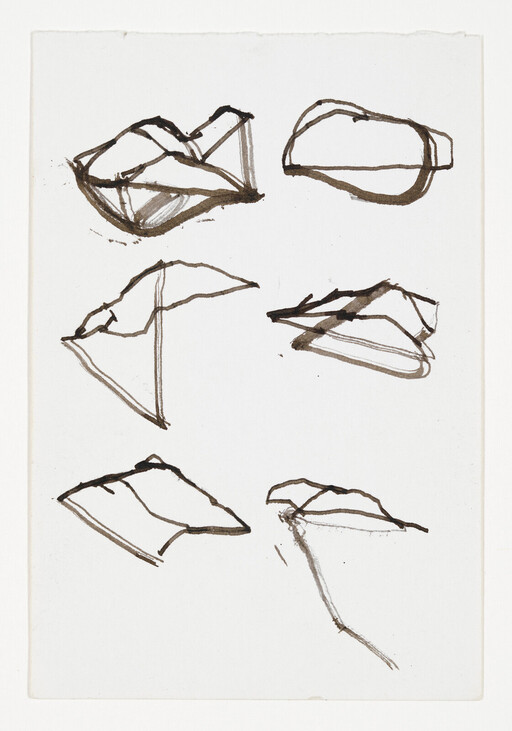
Workbook--Hydra, Tampere, N.Y.C., Bucks Co.
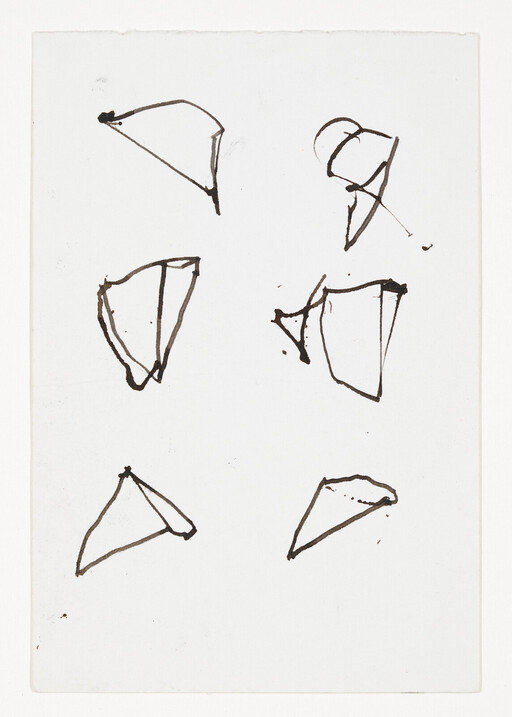
Workbook--Hydra, Tampere, N.Y.C., Bucks Co.
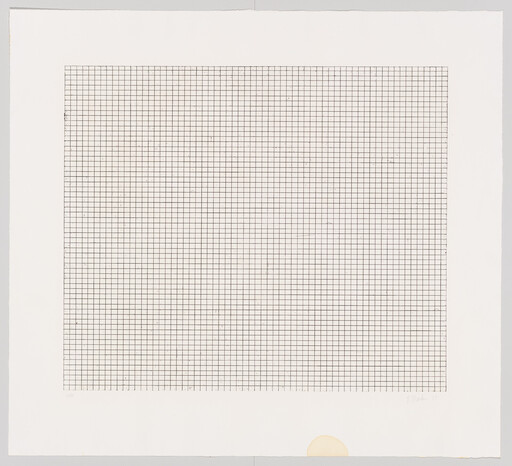
Untitled
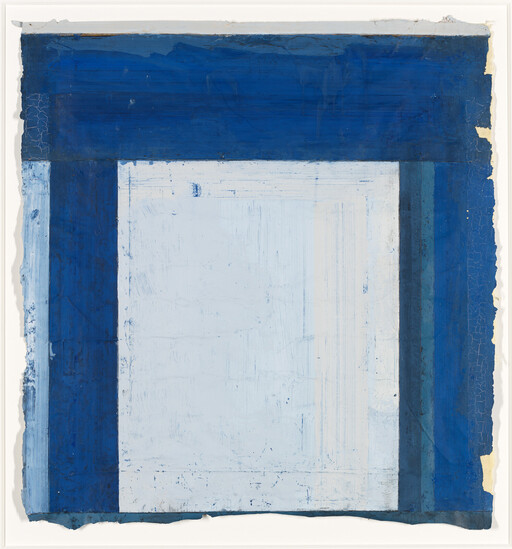
Hydra Group X
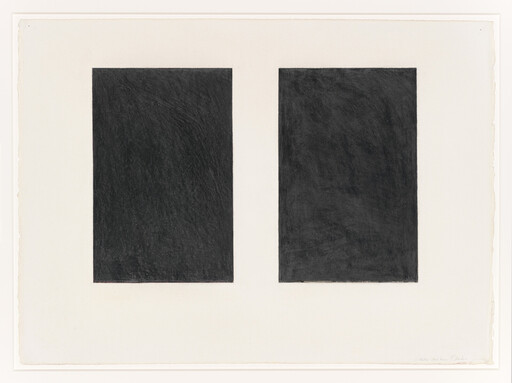
Two Studies, Back Series
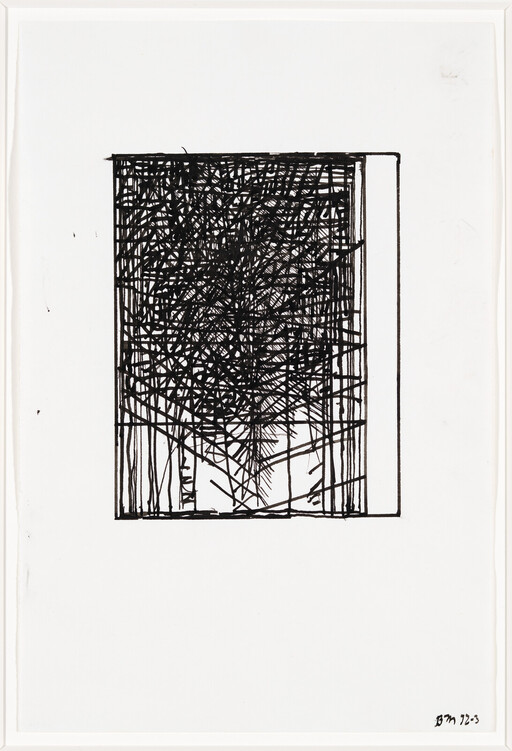
Suicide Note
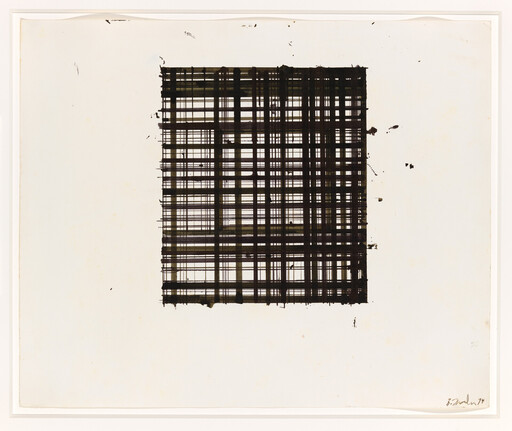
Untitled (Stick Drawing)
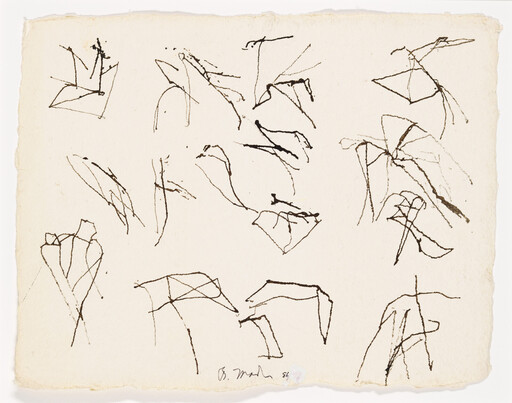
Vegetation St. Bart's 2
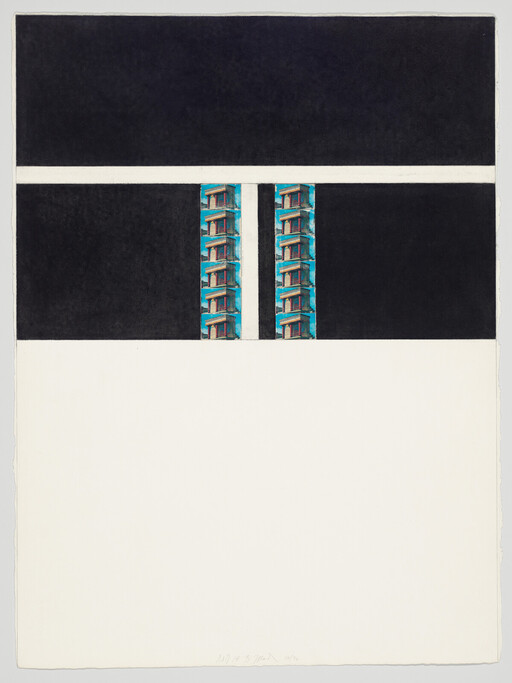
Souvenir de Grèce 14
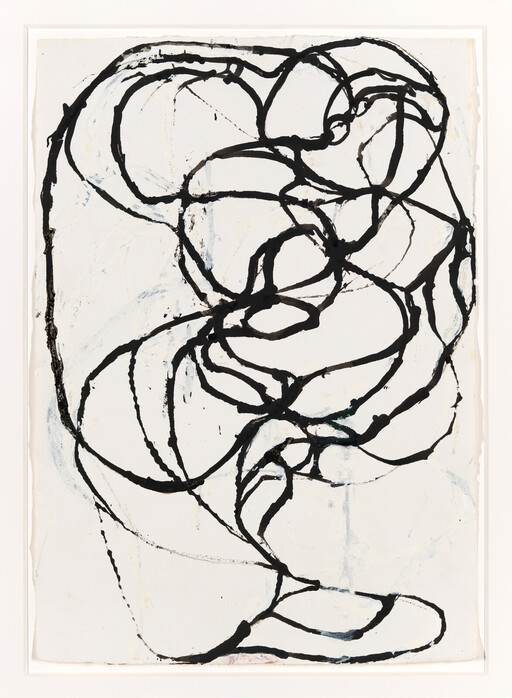
Eagles Mere Set, 5
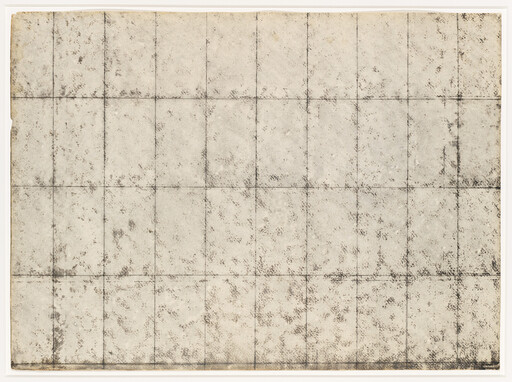
Untitled (Black and Cream Grid)
Six Couples
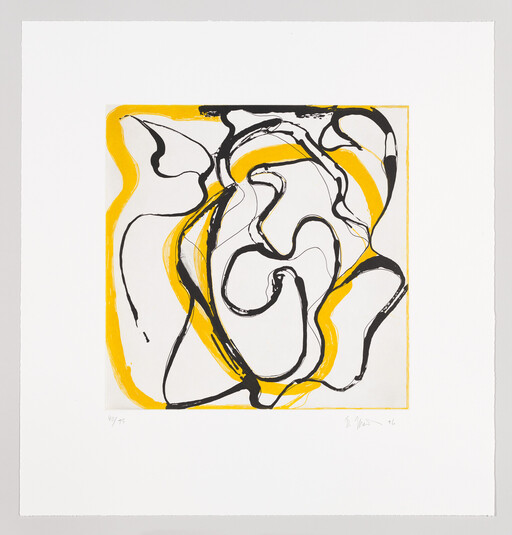
(Untitled)
Bridge Study
Showing the first 60 of 96 works. Browse all 96 →
Exhibitions at the Whitney
- America Is Hard to See 2015-05-01 – 2015-09-27
- Shaping a Collection: Five Decades of Gifts 2014-07-17 – 2014-10-19
- Full House: Views of the Whitney’s Collection at 75 2006-06-29 – 2006-09-03
- Building and Breaking the Grid: 1962–2002 2005-09-01 – 2006-01-08
- Prints into Drawings 2005-04-14 – 2005-08-28
- Highlights from the Permanent Collection: From Pollock to Today 2000-12-07 – 2002-02-10
- Brice Marden Drawings 1998-11-19 – 1999-03-28
- Heart, Mind, Body, Soul: American Art in the 1990's 1997-11-26 – 1998-01-04
- An American Story 1996-03-20 – 1996-09-29
- Whitney Biennial 1995 1995-03-23 – 1995-06-04
- In a Classical Vein: Works from the Permanent Collection 1993-10-18 – 1994-04-03
- Whitney Biennial 1989 1989-04-18 – 1989-07-16
- Whitney Biennial 1979 1979-02-06 – 1979-04-01
- Whitney Biennial 1977: Contemporary American Art 1977-02-19 – 1977-04-03
- Whitney Biennial 1973: Contemporary American Art 1973-01-10 – 1973-03-18
- 1969 Annual Exhibition: Contemporary American Painting 1969-12-16 – 1970-02-01