Artist Biennial On view
Jasper Johns
1930–
Biography
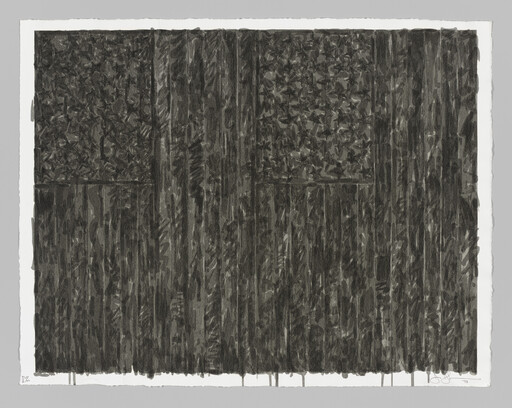
In the mid-1950s, Jasper Johns began making paintings of recognizable objects and images, including the American flag, targets, and numbers. As the artist explained, these subjects are “things the mind already knows,” things that are “seen but not looked at, not examined.” In 1954, Johns had a dream that he painted the American flag. He carried out the idea for the first time a year later, and in 1958 he completed Three Flags, arranging three canvases in a concentric stack. He used encaustic, a fast-drying mixture of pigment suspended in warm wax, to accumulate brushstrokes and achieve an agitated, textured surface. Projecting almost five inches from the wall, the work signals, as Johns asserted, that “the painting of a flag is . . . no more about a flag than about a brushstroke, or about the physicality of paint,” or, he might have added, about the painting’s physicality as an object.
Johns often reworks motifs in various mediums—a prime example of this is a paintbrush-filled Savarin coffee can from his studio. An image of the can was used by Johns in a lithograph announcing his 1977 retrospective at the Whitney, and then in 1981 he adjusted the composition to invoke a haunting self-portrait by Edvard Munch in which Munch depicted his face and shoulders hovering above a skeletal arm. Johns added the initials E. M., incorporated an imprint of an arm, likely his own, and deployed the brush-filled can as his visage. Eleven of the impressions rejected from the 1981 edition were then used by Johns as the basis for a new series of monotypes—among them, the Whitney’s Savarin.
In the early 1980s Johns started to render perspectival space in his paintings. For Racing Thoughts, Johns used trompe-l’oeil illusionism to “tack” and “tape” personal mementos, both depicted and actual, to the painting’s surface. The complex layering of imagery is set in the bathroom at his former home (note the faucet at bottom right and the khaki pants hanging at left). Like the flags and numbers, these new motifs—Johns calls them “fragments of thoughts”—such as a lithograph by Barnett Newman, a pot by the ceramicist George Ohr, and a jigsaw puzzle portrait of his dealer Leo Castelli, would recur in subsequent works.
Dana Miller and Adam D. Weinberg, Handbook of the Collection (New York: Whitney Museum of American Art, 2015), 194–195.
Works in the collection
Bushbaby
Usuyuki
Untitled
Painting with a Ball
The Dutch Wives
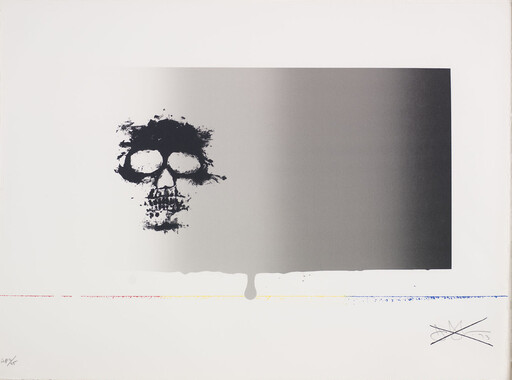
Untitled (Skull)
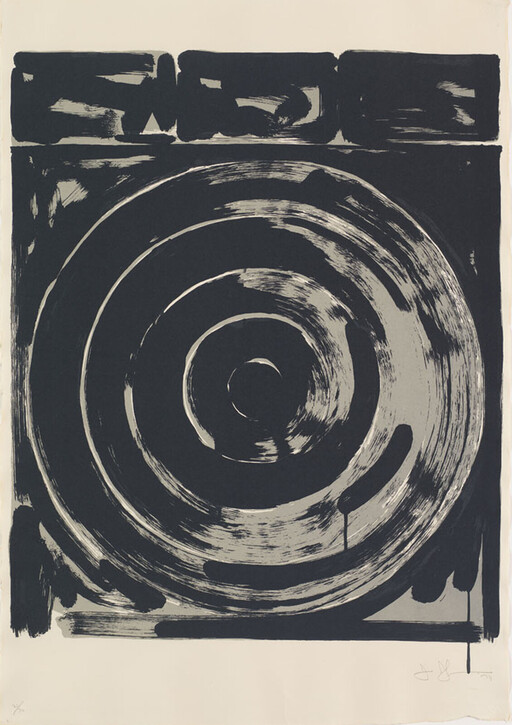
Target (Black and Gray)
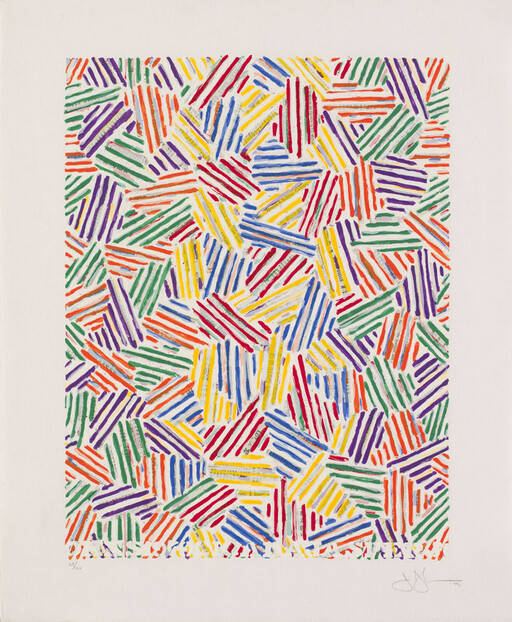
Cicada
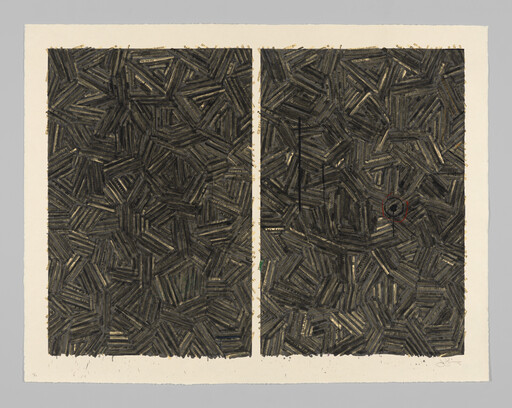
The Dutch Wives
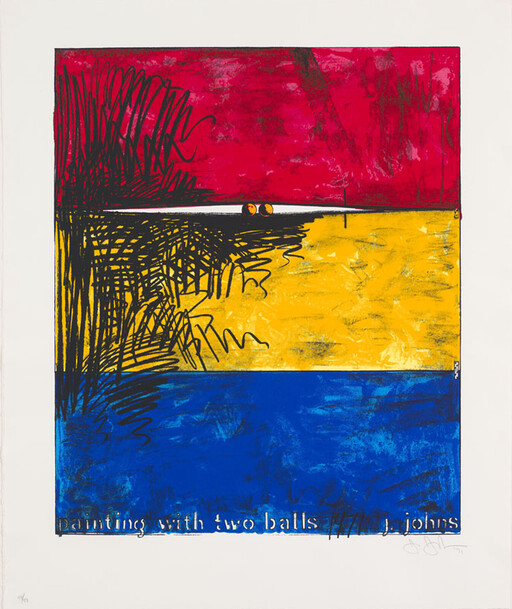
Painting with Two Balls
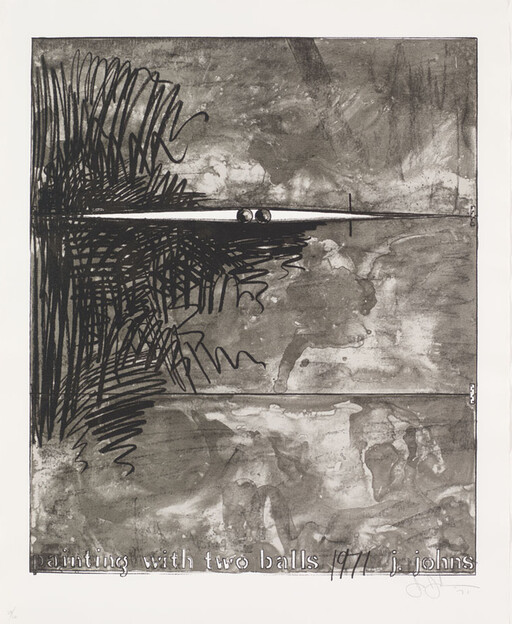
Painting with Two Balls (Grays)
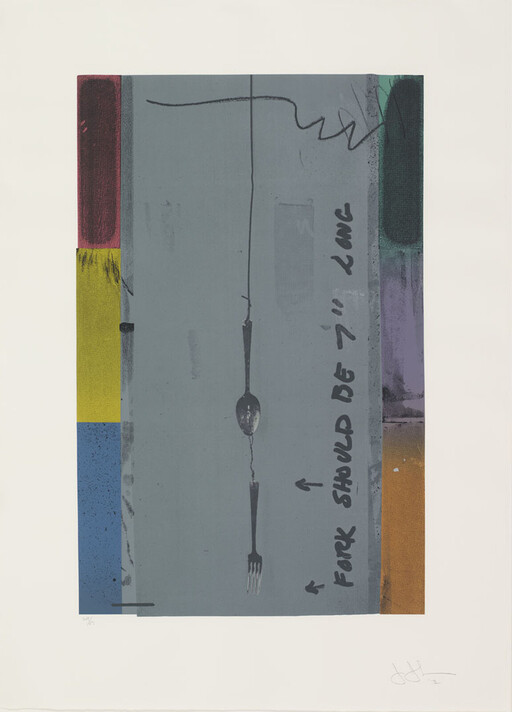
Screen Piece
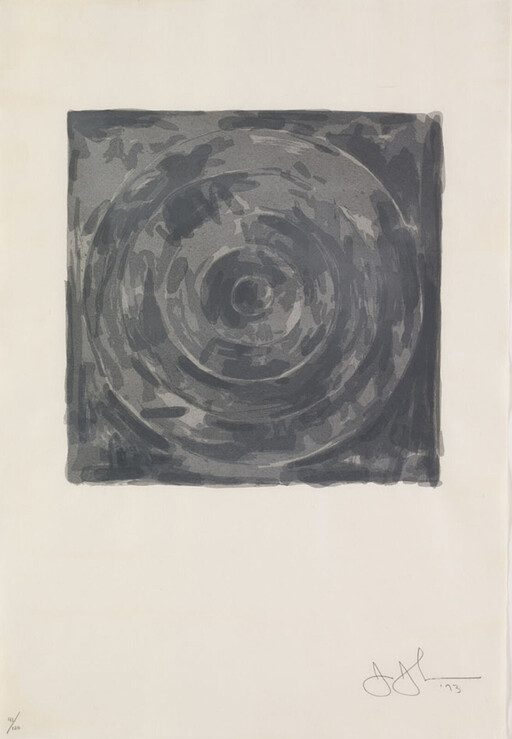
Target
Cicada
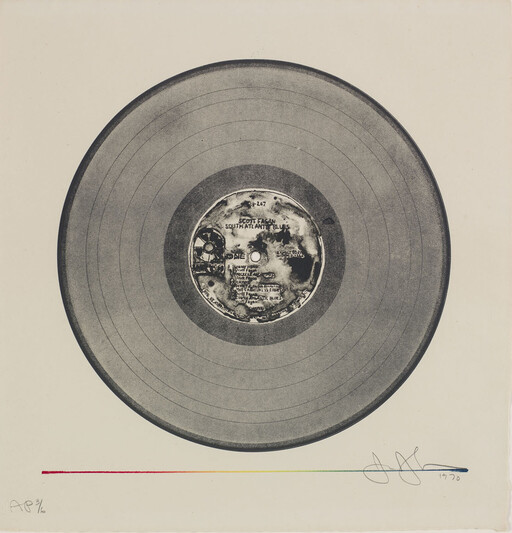
Scott Fagan Record
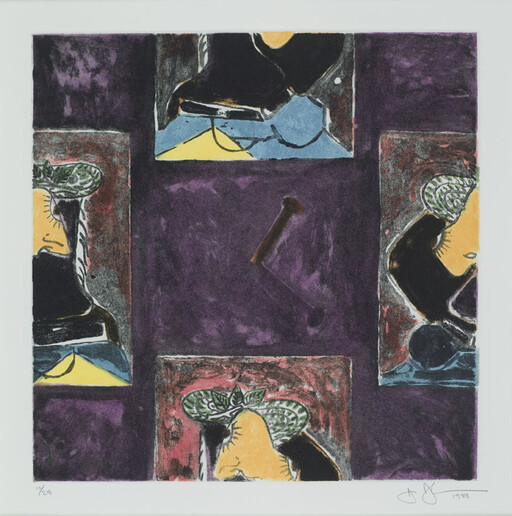
Untitled
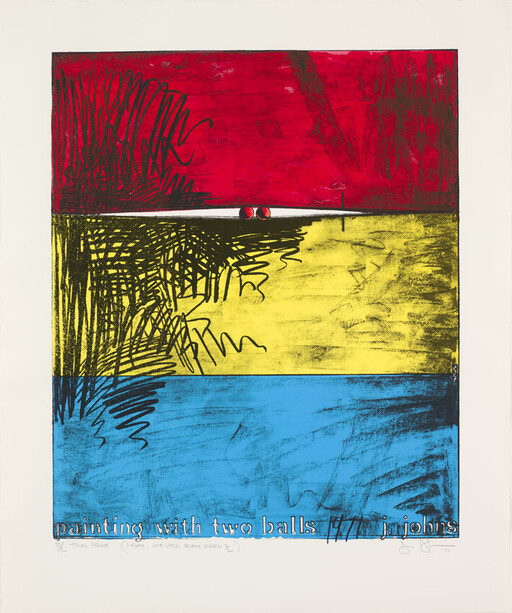
Painting with Two Balls
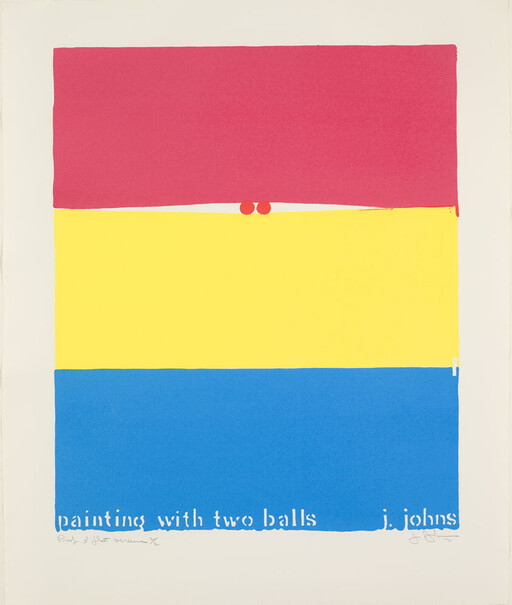
Painting with Two Balls
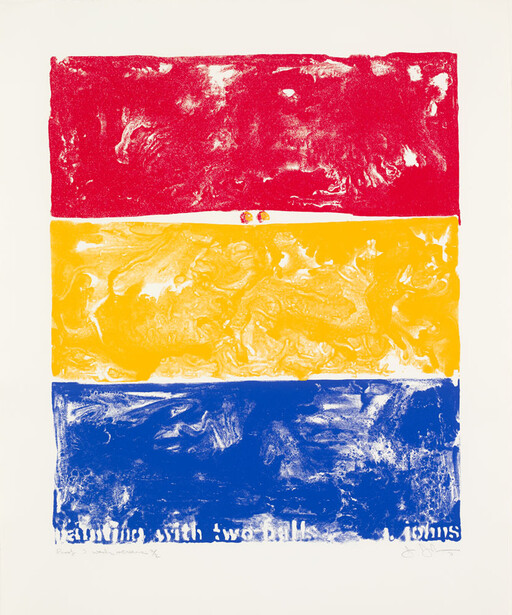
Painting with Two Balls
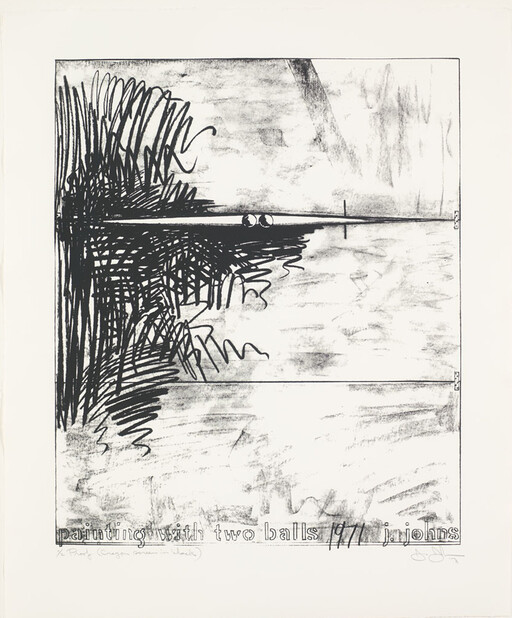
Painting with Two Balls
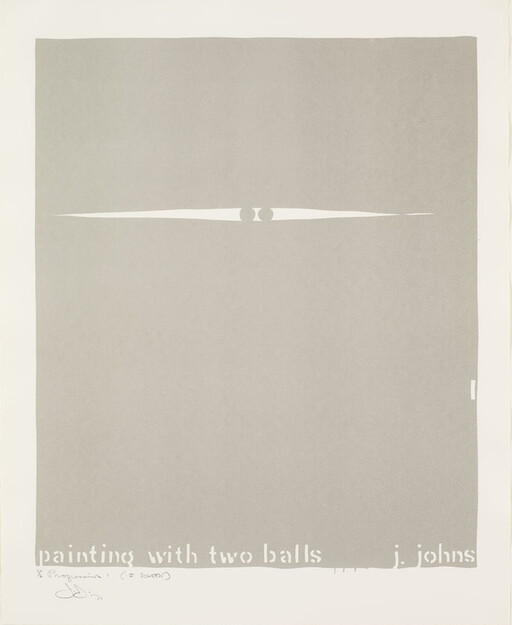
Painting with Two Balls (Grays)
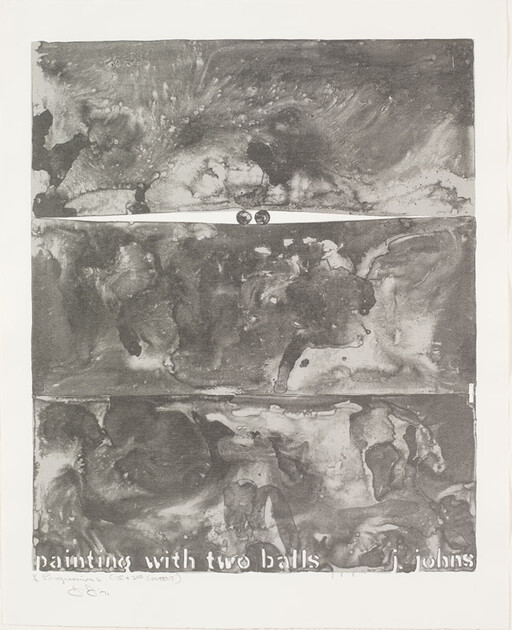
Painting with Two Balls (Grays)
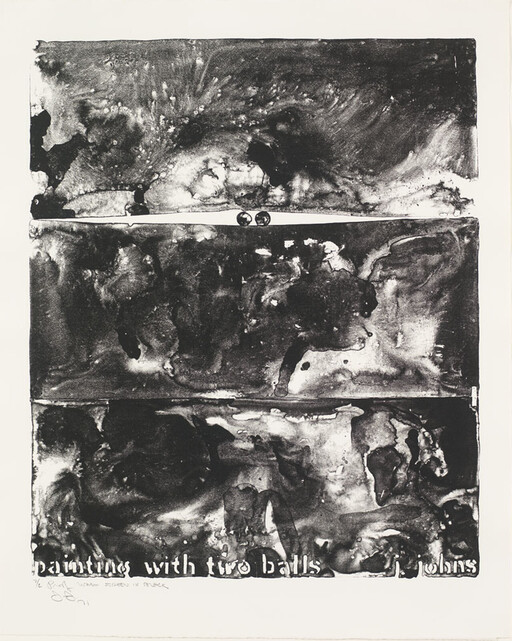
Painting with Two Balls (Grays)
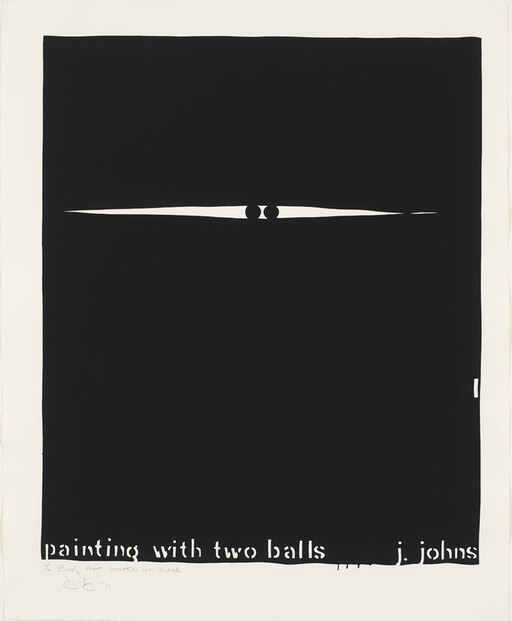
Painting with Two Balls (Grays)
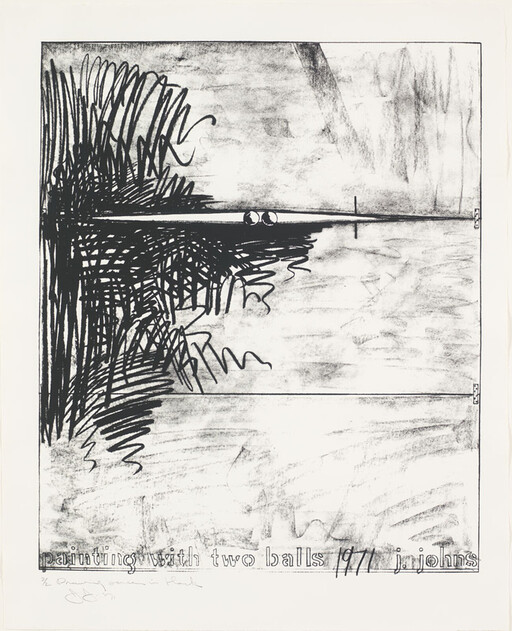
Painting with Two Balls (Grays)
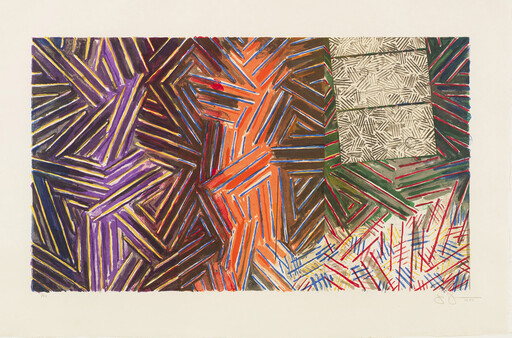
Between the Clock and the Bed
The Seasons
Green Angel
Untitled
Untitled
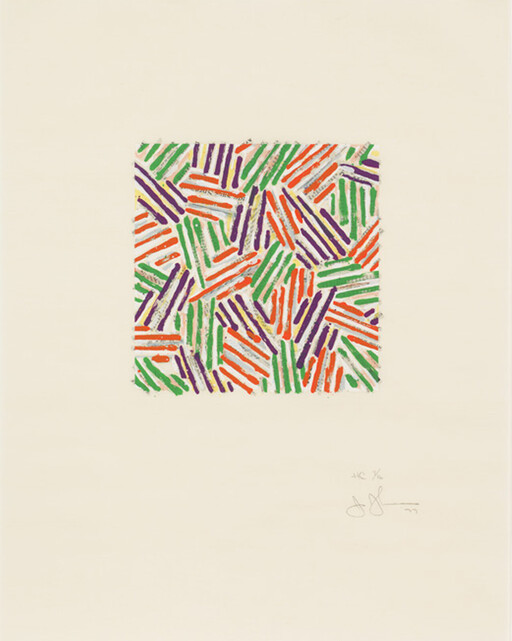
Untitled
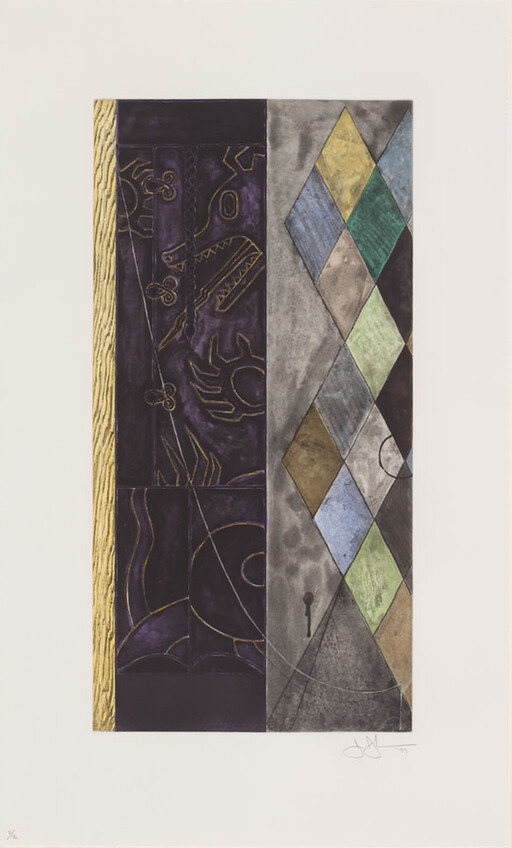
Untitled
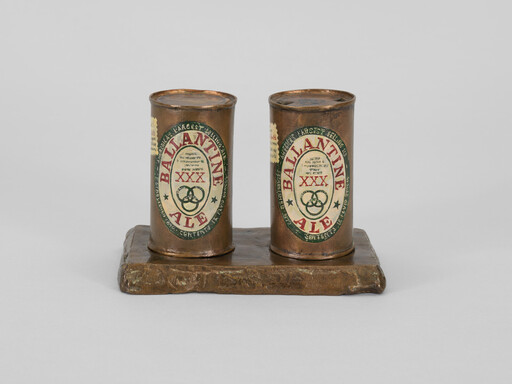
Painted Bronze
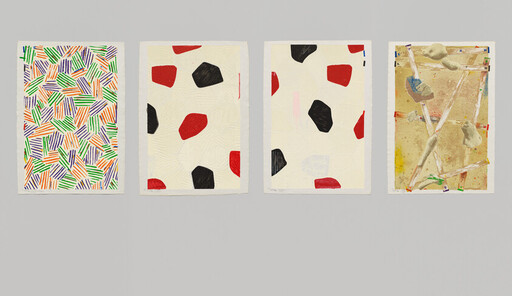
Four Panels from Untitled, 1972
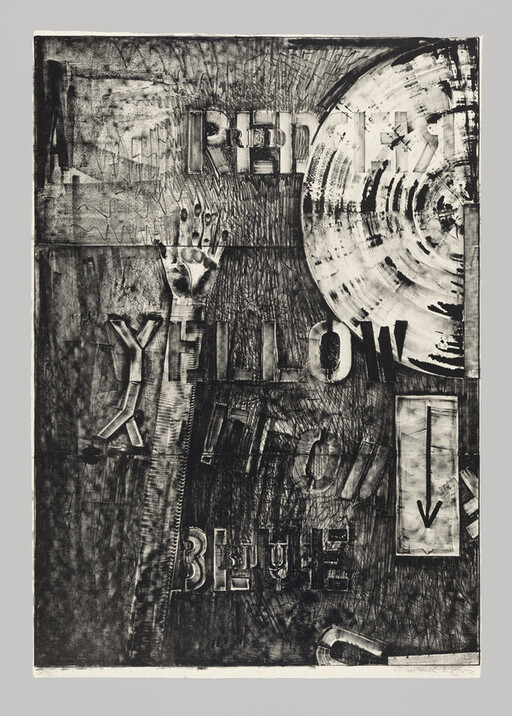
Land's End
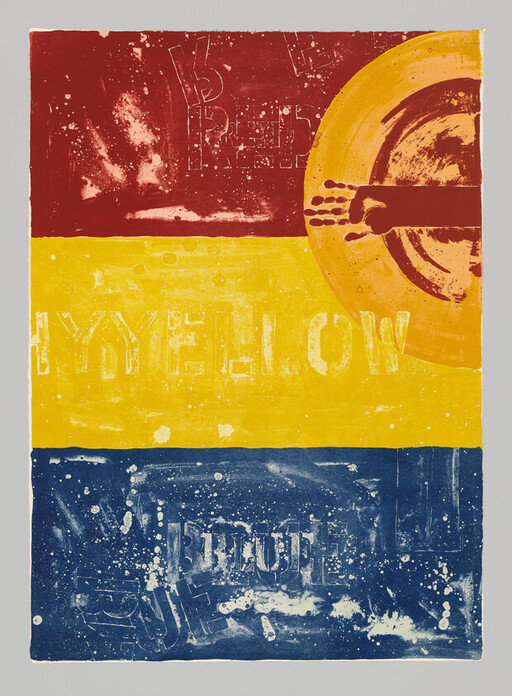
Periscope I
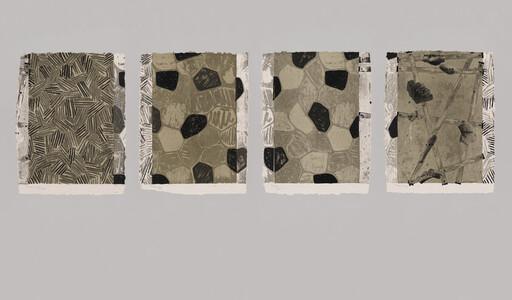
Four Panels from Untitled 1972 (Grays and Black)
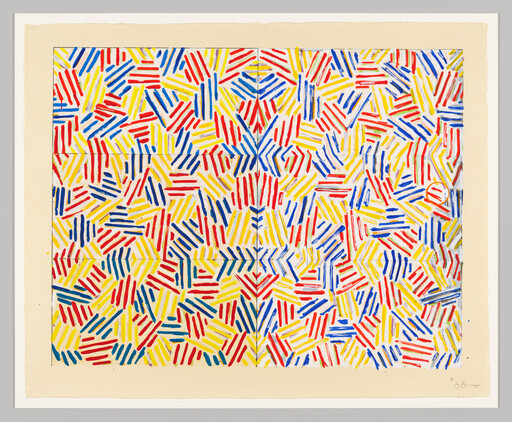
Corpse and Mirror
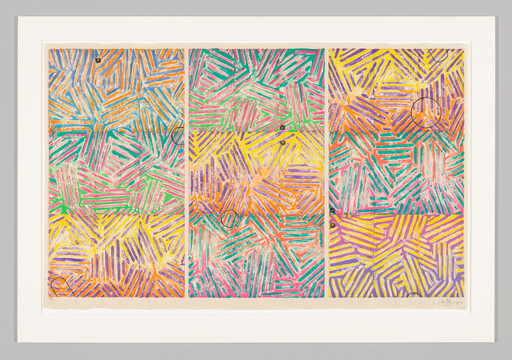
Usuyuki
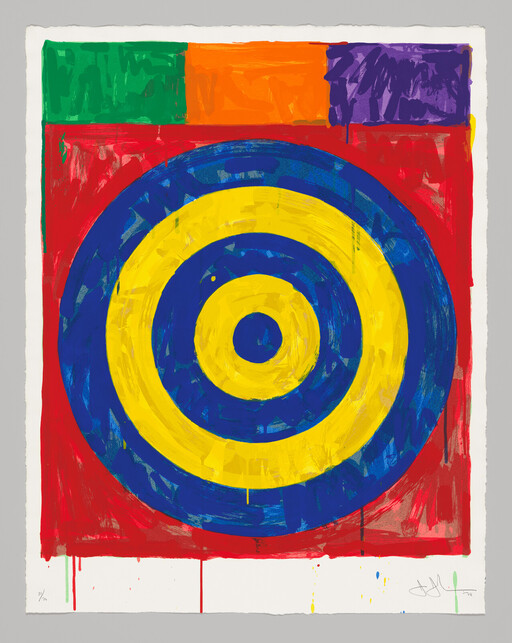
Target
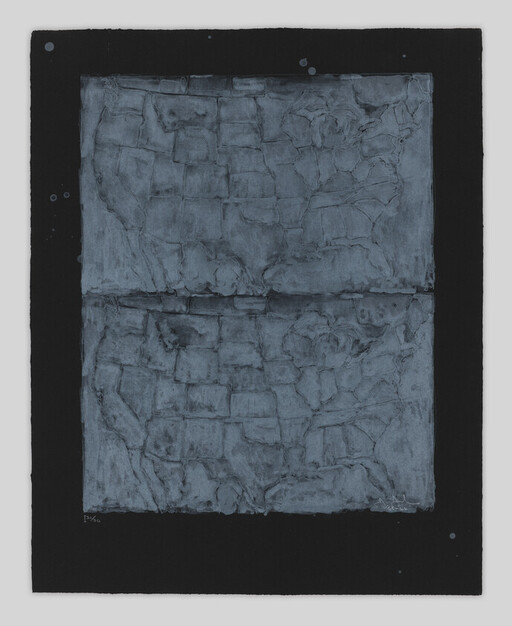
Two Maps I
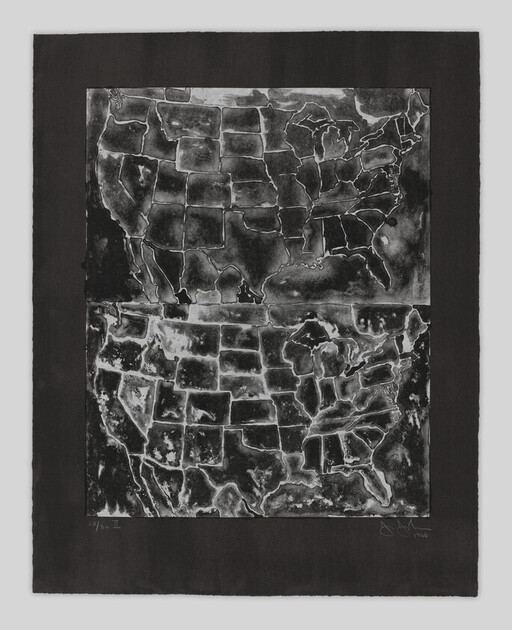
Two Maps II
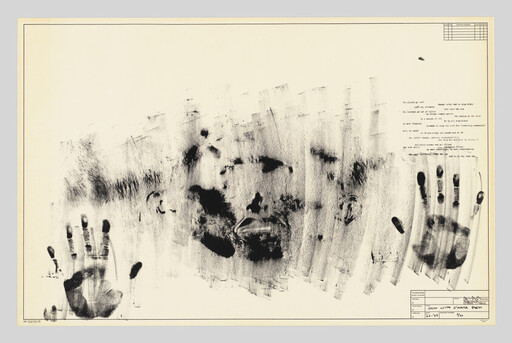
Skin with O'Hara Poem
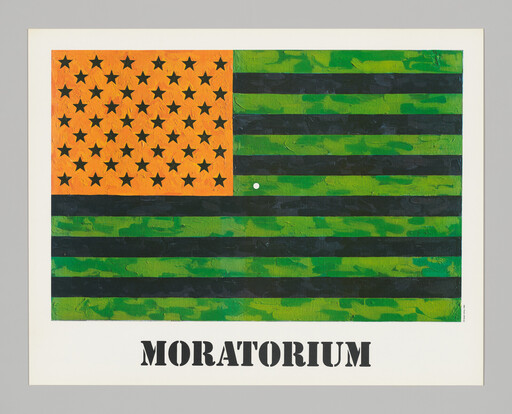
Moratorium
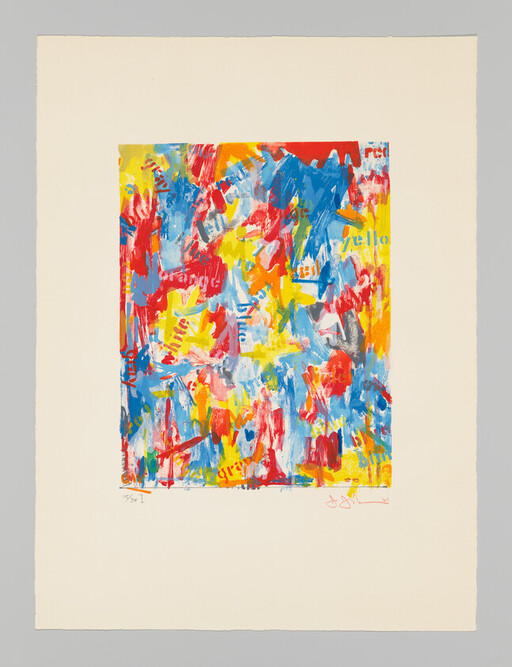
False Start I
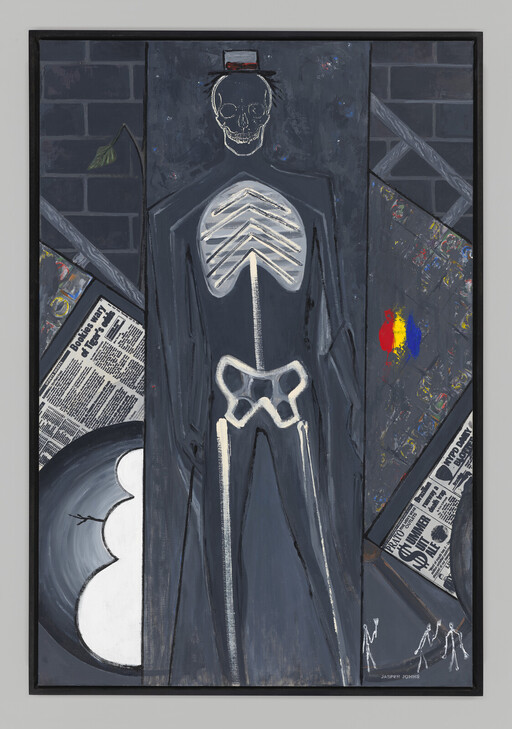
Untitled
Untitled
Untitled
Flags II
Cicada II
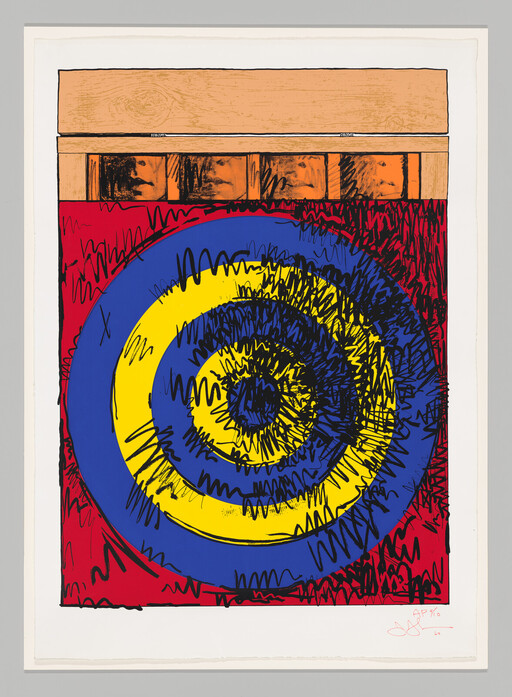
Target with Four Faces
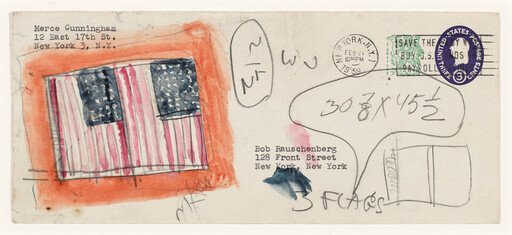
Flag Study
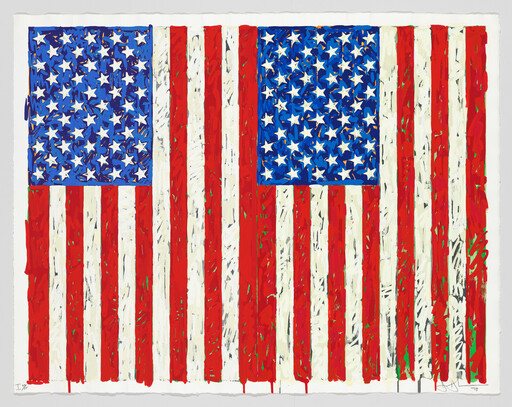
Flags I
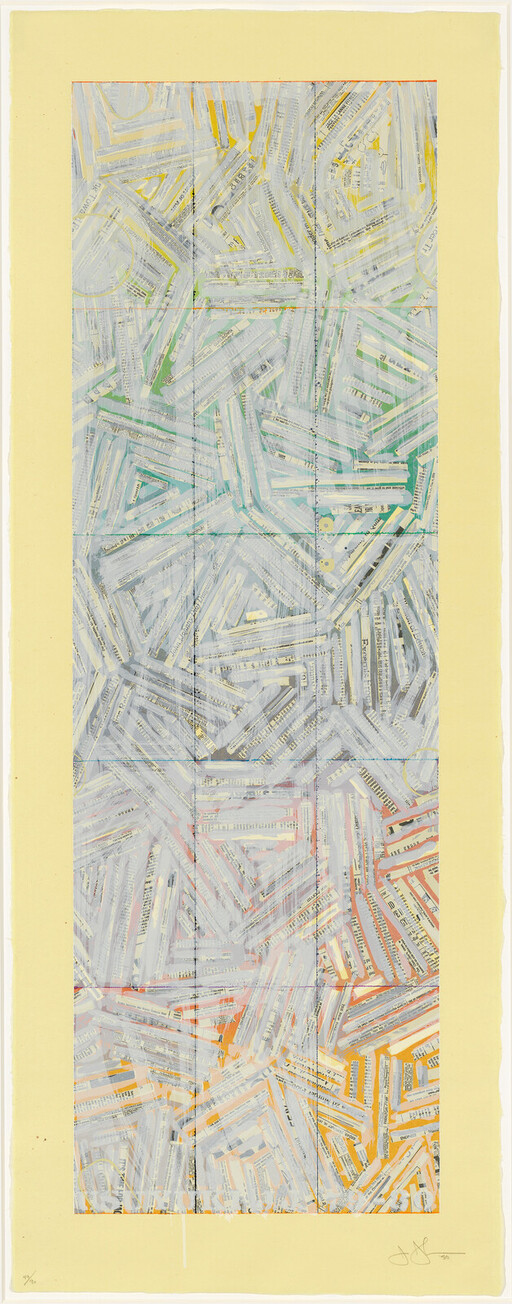
Usuyuki
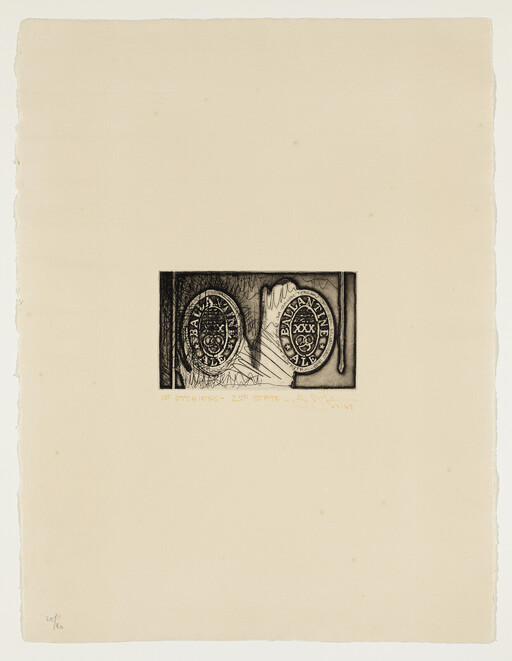
Ale Cans (Title Page)
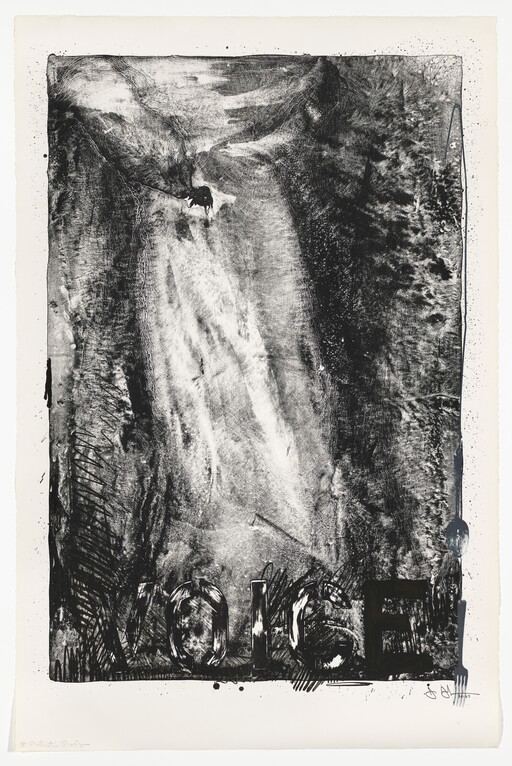
Voice
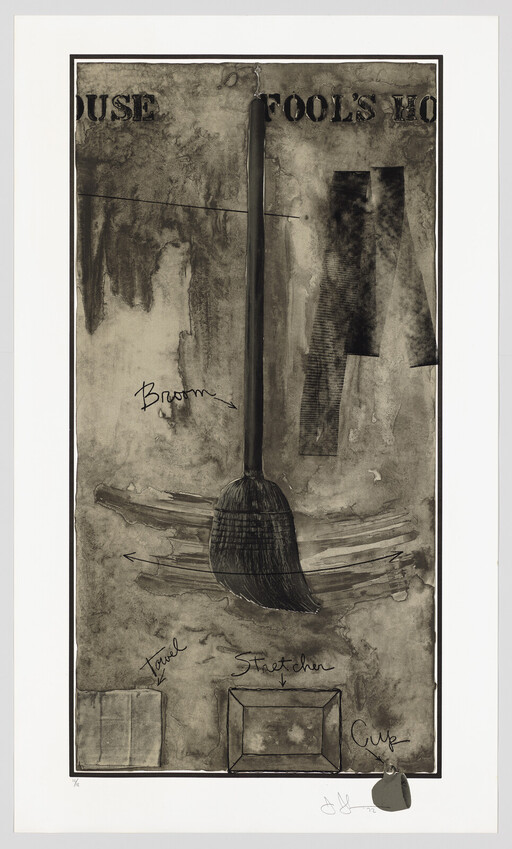
Fool’s House—Black State
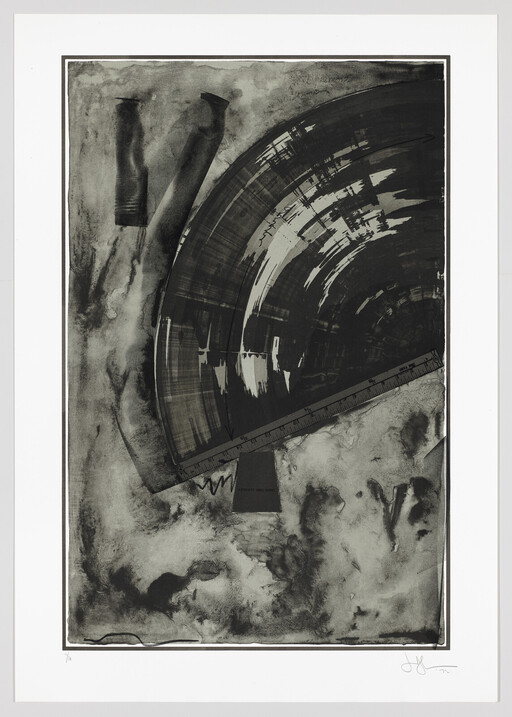
Good Time Charley—Black State
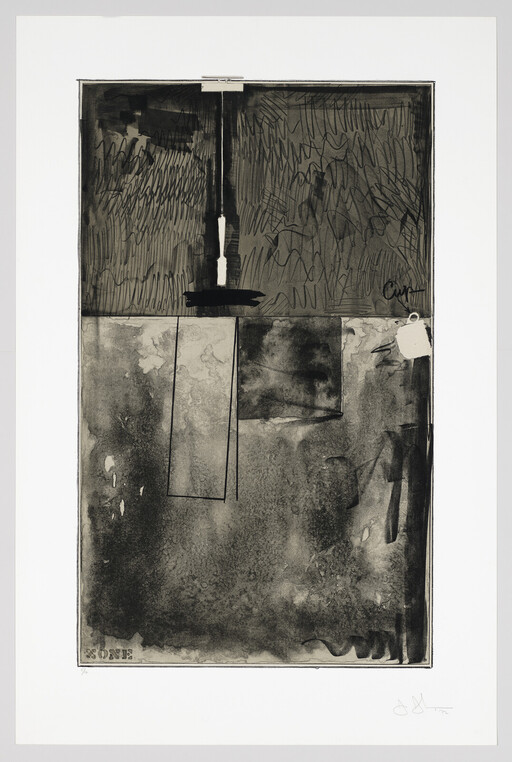
Zone—Black State
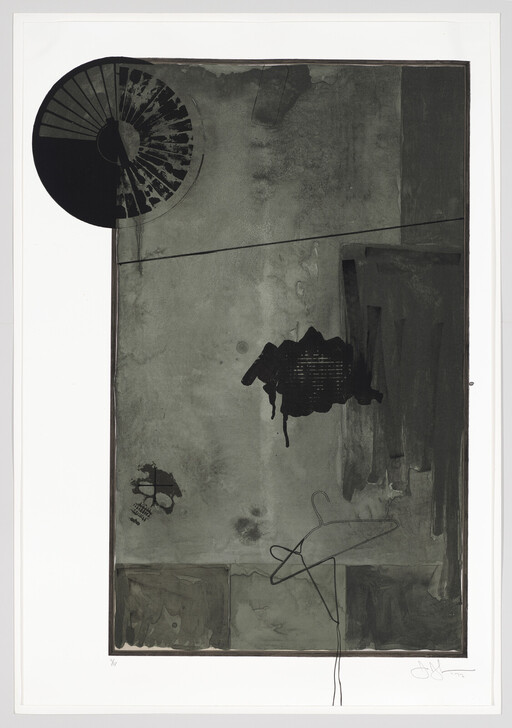
Evian—Black State
Showing the first 60 of 224 works. Browse all 224 →
Exhibitions at the Whitney
- Sixties Surreal 2025-09-24 – 2026-01-19
- Jasper Johns: Mind/Mirror 2021-09-29 – 2022-02-13
- The Whitney’s Collection: Selections from 1900 to 1965 2019-06-28 – 2025-05-01
- Where We Are: Selections from the Whitney’s Collection, 1900–1960 2017-04-28 – 2019-06-02
- Human Interest: Portraits from the Whitney’s Collection 2016-04-02 – 2017-04-02
- The Whitney's Collection 2015-09-28 – 2016-04-04
- America Is Hard to See 2015-05-01 – 2015-09-27
- Shaping a Collection: Five Decades of Gifts 2014-07-17 – 2014-10-19
- In Parts 2013-06-13 – 2014-02-23
- I, YOU, WE 2013-04-25 – 2013-09-01
- American Legends: From Calder to O’Keeffe 2012-12-22 – 2014-06-29
- Sinister Pop 2012-11-15 – 2013-03-31
- Signs & Symbols 2012-06-28 – 2012-10-28
- . . . as apple pie 2012-06-08 – 2013-06-09
- Legacy: The Emily Fisher Landau Collection 2011-02-10 – 2011-05-01
- Singular Visions 2010-12-16 – 2012-08-05
- Collecting Biennials 2010-01-16 – 2010-11-28
- The Whitney’s Collection 2008-01-30 – 2010-01-03
- Picasso and American Art 2006-09-28 – 2007-01-28
- Full House: Views of the Whitney’s Collection at 75 2006-06-29 – 2006-09-03
- Skin is a Language 2006-01-12 – 2006-05-21
- Building and Breaking the Grid: 1962–2002 2005-09-01 – 2006-01-08
- Prints into Drawings 2005-04-14 – 2005-08-28
- Landscape 2005-03-24 – 2005-09-18
- Pop/Concept: Highlights from the Permanent Collection 2004-07-01 – 2004-10-24
- New Additions: Prints for an American Museum Part II 2004-01-29 – 2004-05-16
- Approaching Objects 2003-01-11 – 2003-06-01
- An American Legacy, A Gift to New York 2002-10-24 – 2003-01-26
- De Kooning to Today: Highlights from the Permanent Collection (2nd floor–Oct 2002) 2002-10-10 – 2003-03-02
- The Draftsman's Colors: Fourteen New Acquisitions from Johns to Chong 2001-03-03 – 2001-07-08
- Highlights from the Permanent Collection: From Pollock to Today 2000-12-07 – 2002-02-10
- An American Story 1996-03-20 – 1996-09-29
- From the Collection: Photography, Sculpture and Painting 1994-07-14 – 1995-02-26
- In a Classical Vein: Works from the Permanent Collection 1993-10-18 – 1994-04-03
- Gifts and Acquisitions in Context 1992-05-21 – 1992-09-20
- Whitney Biennial 1991 1991-04-02 – 1991-06-30
- Whitney Biennial 1985 1985-03-13 – 1985-06-09
- Whitney Biennial 1983 1983-03-15 – 1983-05-29
- Jasper Johns: Savarin Monotypes 1982-11-10 – 1983-01-09
- Jasper Johns: Three Flags (Permanent Collection) 1980-10-14 – 1980-10-19
- Whitney Biennial 1973: Contemporary American Art 1973-01-10 – 1973-03-18
- 1972 Annual Exhibition: Contemporary American Painting 1972-01-25 – 1972-03-19
- 1969 Annual Exhibition: Contemporary American Painting 1969-12-16 – 1970-02-01
- 1967 Annual Exhibition of Contemporary Painting 1967-12-13 – 1968-02-04
- 1965 Annual Exhibition of Contemporary American Painting 1965-12-08 – 1966-01-30
- Annual Exhibition 1963: Contemporary American Painting 1963-12-11 – 1964-02-02
- Annual Exhibition 1962: Contemporary Sculpture and Drawings 1962-12-12 – 1963-02-03
- Annual Exhibition 1961: Contemporary American Painting 1961-12-13 – 1962-02-04
- Annual Exhibition 1960: Contemporary Sculpture and Drawings 1960-12-07 – 1961-01-22
- 1959 Annual Exhibition of Contemporary American Painting 1959-12-09 – 1960-01-31