Artist Biennial
Robert Ryman
1930–2019
Biography
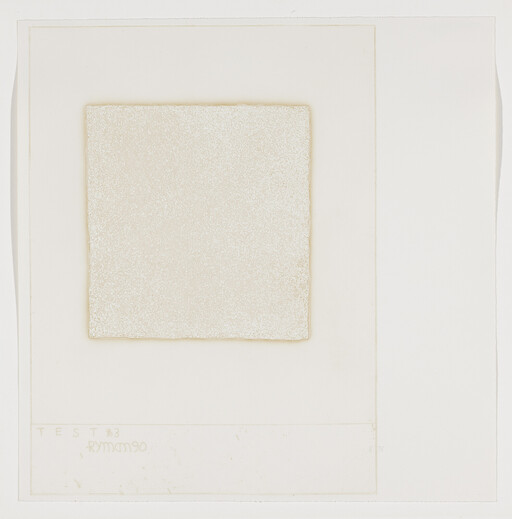
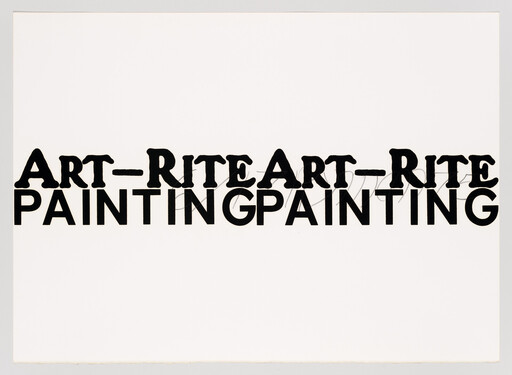
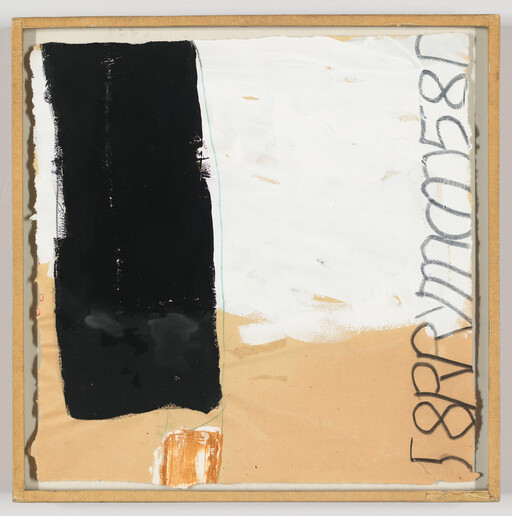
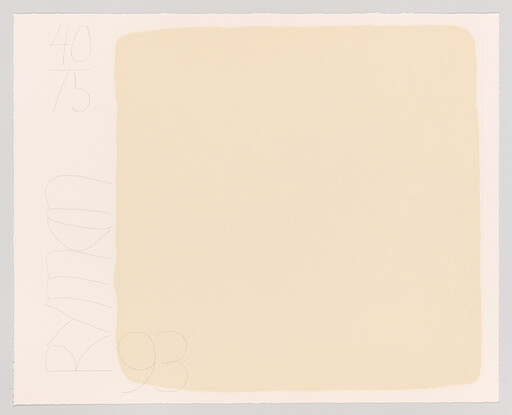
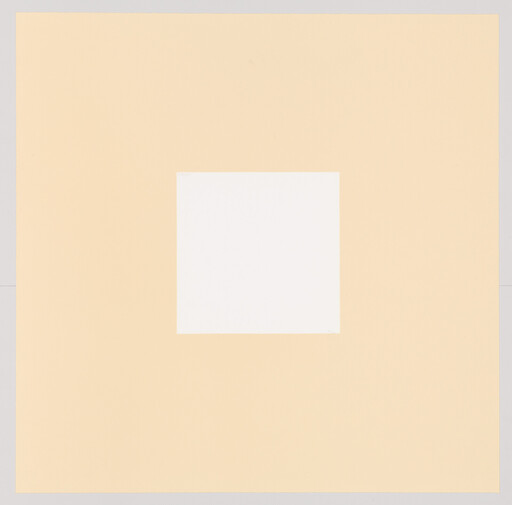
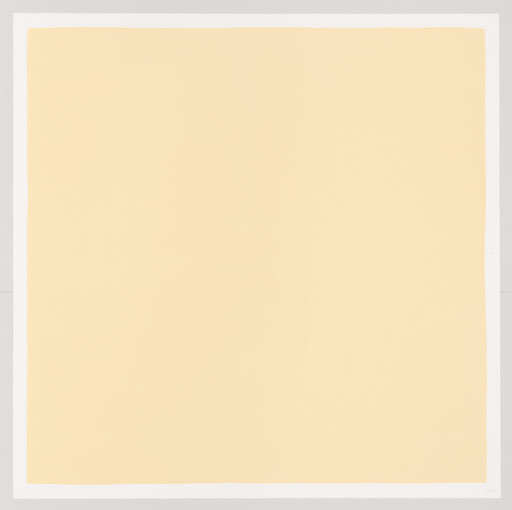
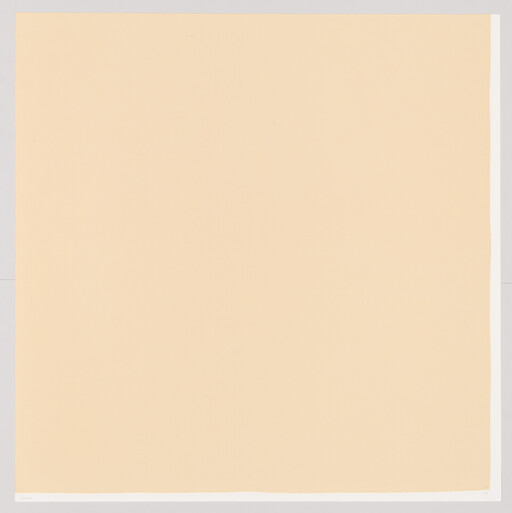
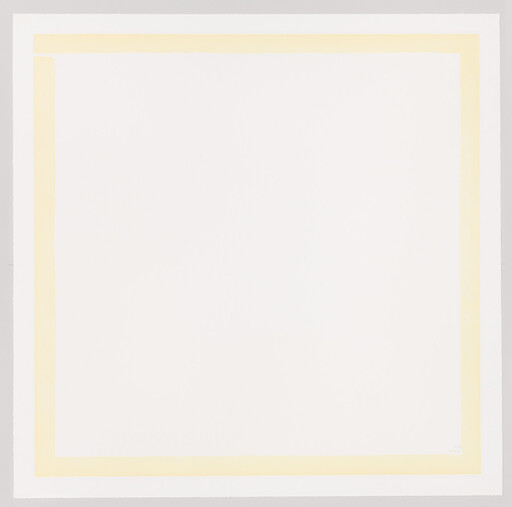
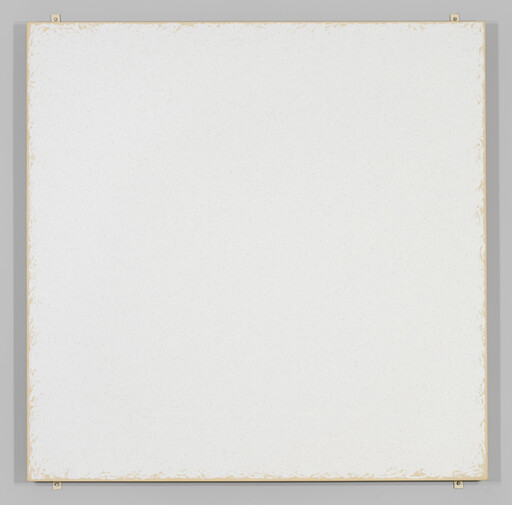
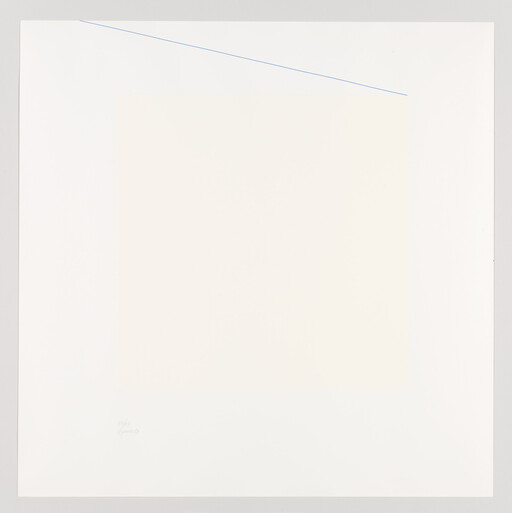
In 1953, while studying jazz in New York, Robert Ryman began a seven-year stint as a guard at the Museum of Modern Art, and soon undertook an artistic self-education by examining how the paintings on view there were “put together.” Ryman’s subsequent sixty-year career could be characterized as an autodidactic study of the elements of painting: while sticking nearly exclusively to a pared-down grammar of white paint, abstract forms, and square formats, he has experimented extensively with hues of white; paint types (oil, enamel, latex); shape, size, texture, and density of marks; support types (canvas, metal, paper, fiberglass, wood); and means of attaching support to walls (stretchers, fasteners, tape).
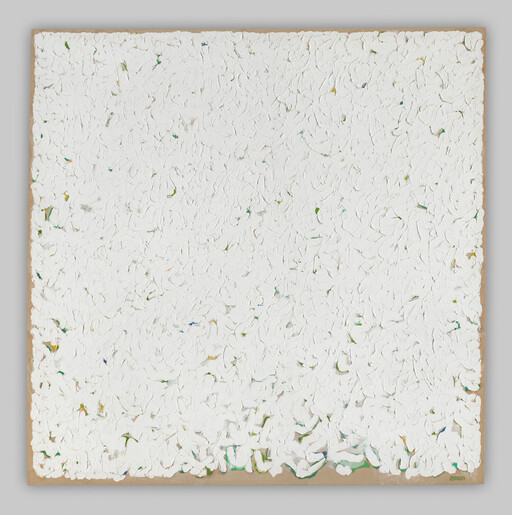
Ryman’s stated concern with the question of how rather than what to paint is exemplified by his refusal to scrape away or overpaint, instead preserving each stroke exactly as it is applied. Eschewing image, narrative, or symbolism, Untitled makes its subject the subtle behaviors, and aesthetic pleasures, of the overlapping, noodle-like white marks wriggling in multiple directions; the glimpses of greens, blacks, oranges, and yellows that emerge from underneath; and even the exposed edges of the linen support and the lines of the signature at lower right. Though Ryman began painting during the heyday of “heroic” gestural Abstract Expressionism, the sensuous marks of Untitled do not fetishize the artist’s touch. Yet neither does the painting operate purely conceptually. Quite the opposite: with each white painting, Ryman encounters again the basic problem of how to paint, and demonstrates anew the potentially inexhaustible possibilities of applying pigment to a flat surface.
Works in the collection
Exhibitions at the Whitney
- Full House: Views of the Whitney’s Collection at 75 2006-06-29 – 2006-09-03
- An American Legacy, A Gift to New York 2002-10-24 – 2003-01-26
- Highlights from the Permanent Collection: From Pollock to Today 2000-12-07 – 2002-02-10
- An American Story 1996-03-20 – 1996-09-29
- Whitney Biennial 1995 1995-03-23 – 1995-06-04
- From the Collection: Photography, Sculpture and Painting 1994-07-14 – 1995-02-26
- Whitney Biennial 1987 1987-04-10 – 1987-07-05
- Whitney Biennial 1977: Contemporary American Art 1977-02-19 – 1977-04-03