Artist Biennial
Donald Judd
1928–1994
Biography
In groundbreaking critical and theoretical writings he published in the early 1960s, Donald Judd was an early and articulate advocate for what would become known as Minimalism, though he preferred the term “Specific Objects” to convey that the primary significance of this new work was its physical existence, not any external reference. Judd studied philosophy, art, and art history at the Art Students League and at Columbia University, and his earliest works, including paintings and woodcuts such as Untitled (S.22), were simplified abstractions. But by late 1961 Judd gave up painting for sculpture— or, rather, unified the two mediums in a new hybrid: rectangular structures of painted wood or metal that hung on the wall and projected into space.
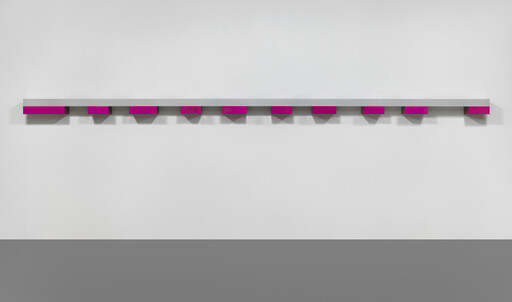
Soon he arrived at his signature modular form: a cantilevered, vertical stack of boxes or series of brackets, set like the rungs of a ladder, that project from the wall, or horizontal progressions of boxes 199 attached to a beam and arranged according to mathematical principles. Rejecting the illusionism of traditional painting, Judd explained that “actual space is intrinsically more powerful and specific than paint on a flat surface.”
Most of Judd’s output after 1964, and much of the work of other Minimalists such as Carl Andre, Robert Morris, and Dan Flavin, was industrially fabricated, absenting any trace of the artist’s hand and, with it, the notion of singularity. Judd worked with a range of materials, including steel, iron, brass, and copper, and often placed his sculptures directly on the floor to better engage the space—and the people—around them.
The deep cerulean hue and large- scale installation of the ten identical, open steel rectangles that constitute Untitled (1966) command spectatorial attention. As with this sculpture, Judd often staggered the intervals between his geometric units with precise spacing in order to emphasize what he called “the thing as a whole” rather than the constituent parts.
The Day-Glo orange plexiglass sides and top of Untitled (1968) reflect surrounding lights, creating a dramatic contrast to the dark hollow of its stainless steel interior. Whereas in traditional sculpture we are left to imagine what fills an interior, in Judd’s work what he called “actual space” is directly visible, both that of the enclosed volumes and the hollow inside.
Works in the collection
Untitled
Untitled
Untitled
Untitled
Untitled
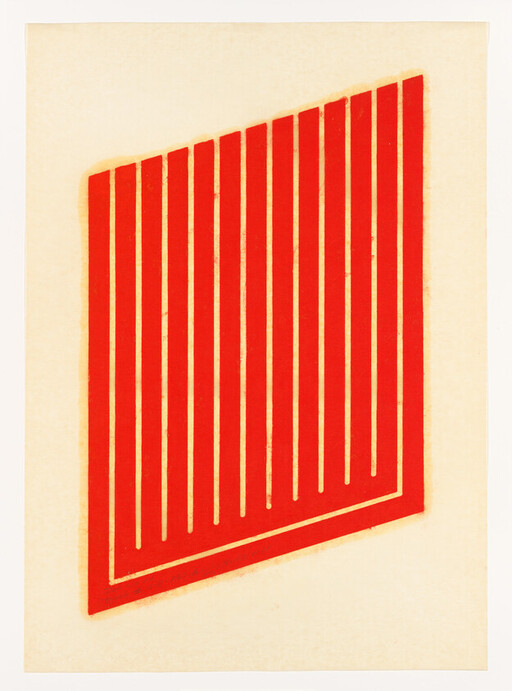
Untitled [parallelogram], Block #6-R
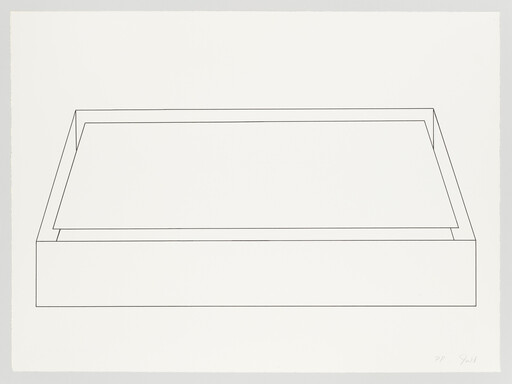
Untitled (#83)
Untitled
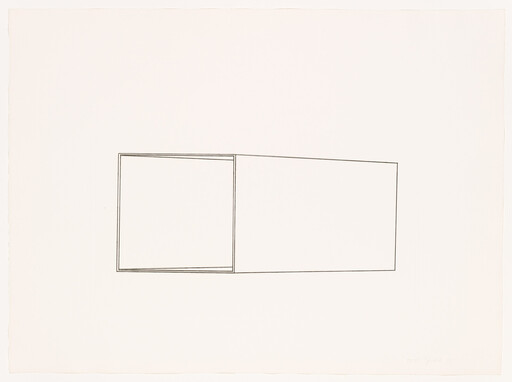
Untitled
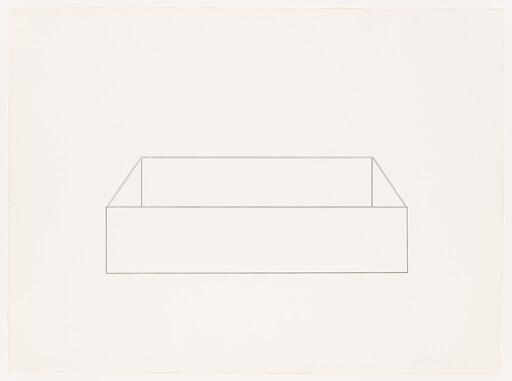
Untitled
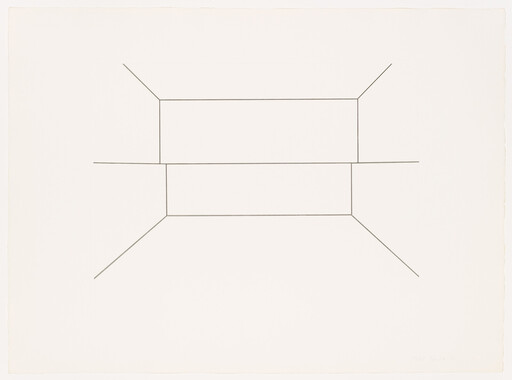
Untitled
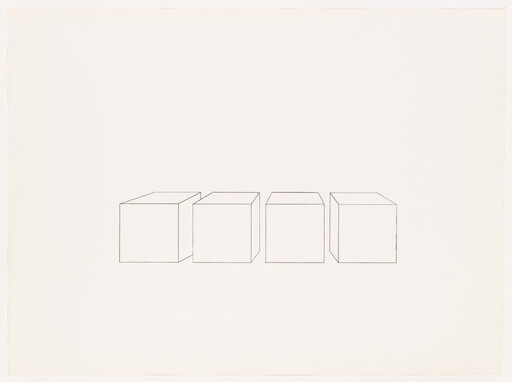
Untitled
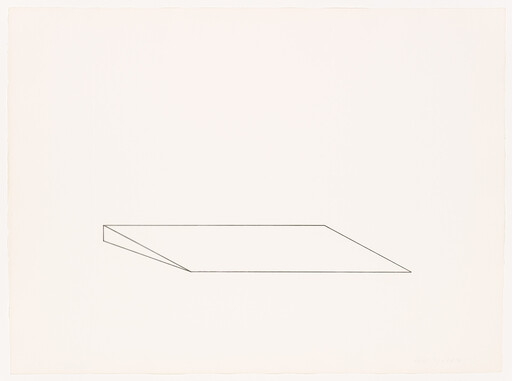
Untitled
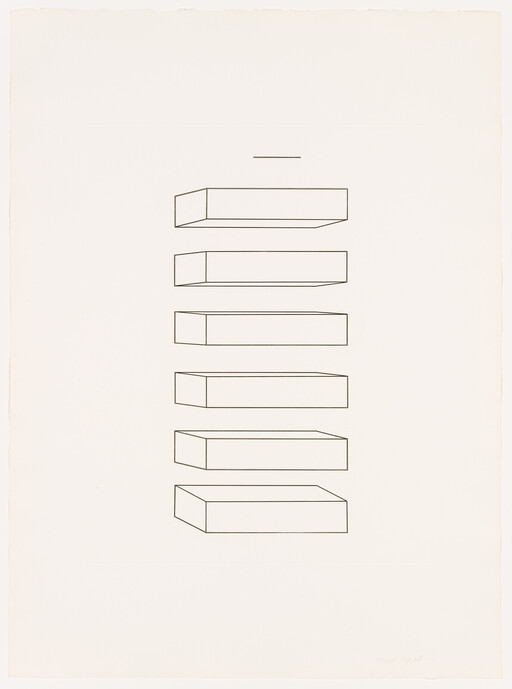
Untitled
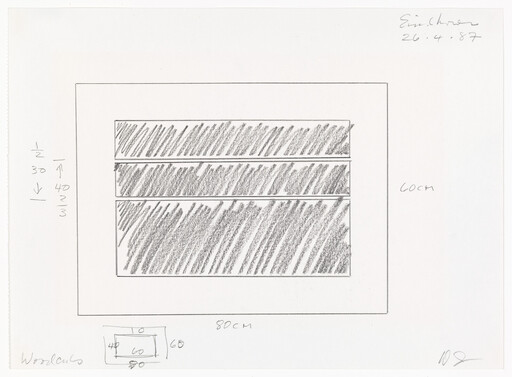
Untitled [Woodcuts, Eindhoven 26-4-87]
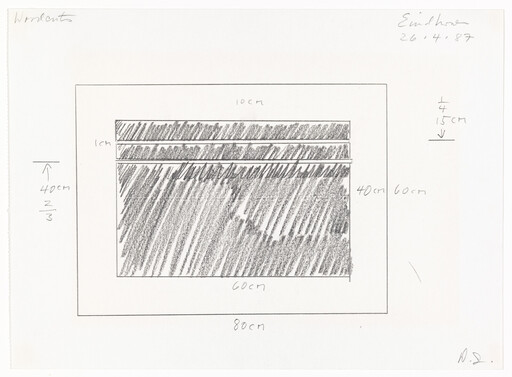
Untitled [Woodcuts, Eindhoven 26-4-87]
Untitled
Untitled
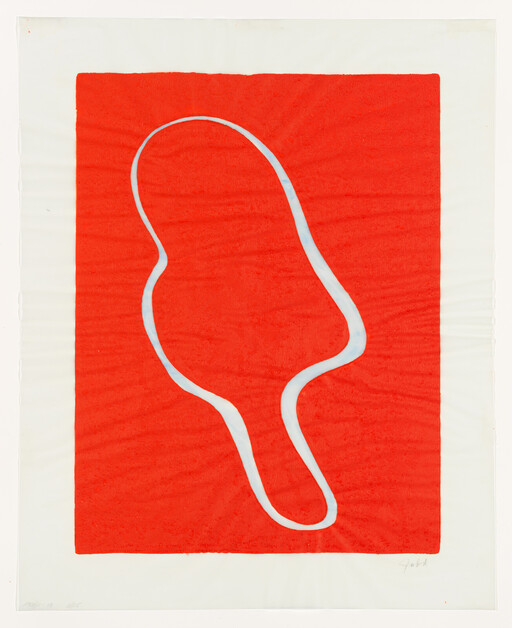
Untitled (S.22)
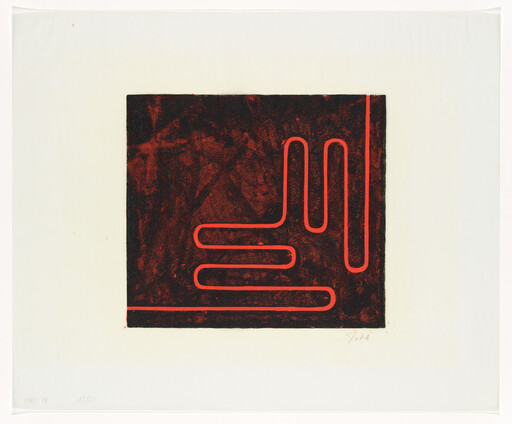
Untitled (#25)
Untitled
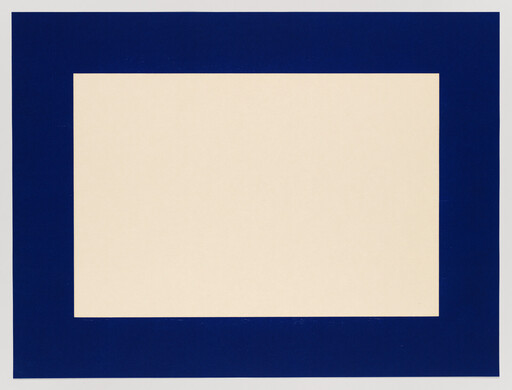
Untitled
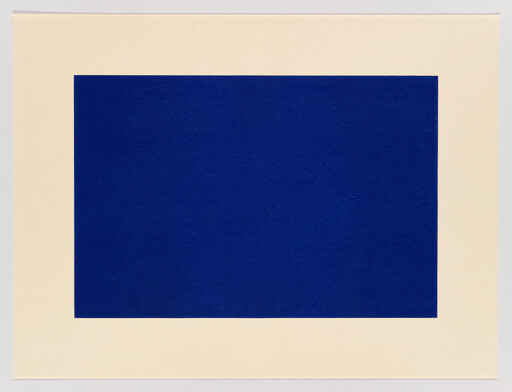
Untitled
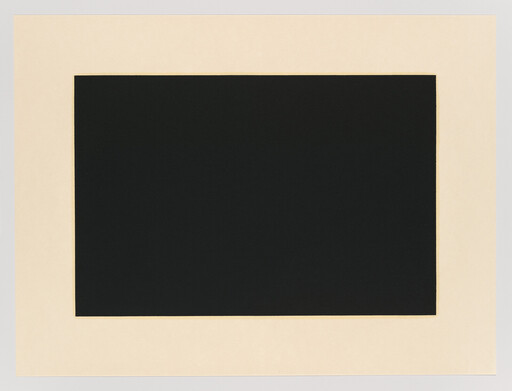
Untitled
Untitled
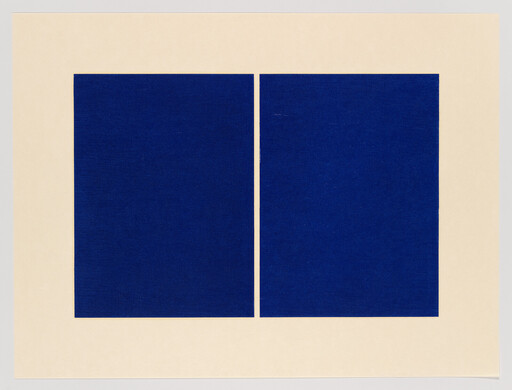
Untitled
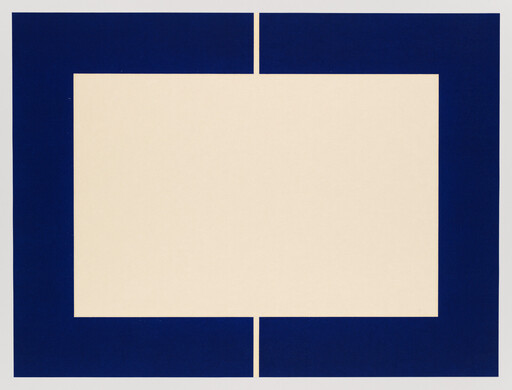
Untitled
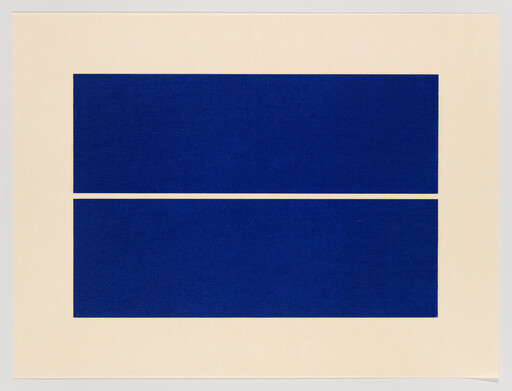
Untitled
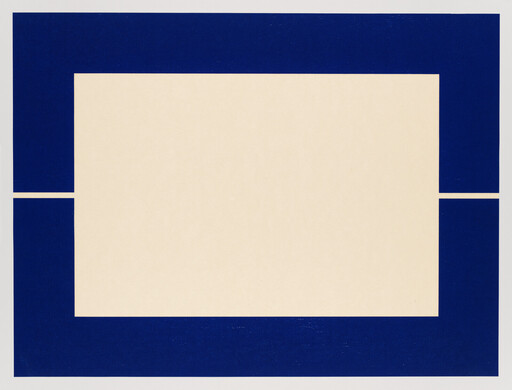
Untitled
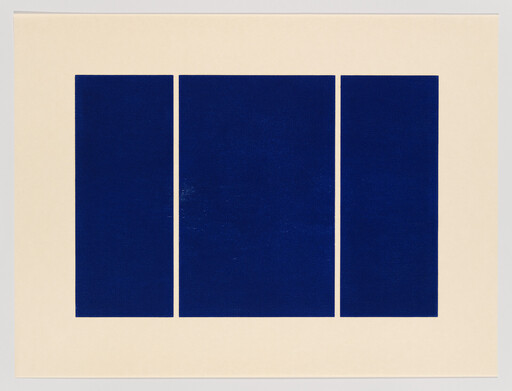
Untitled
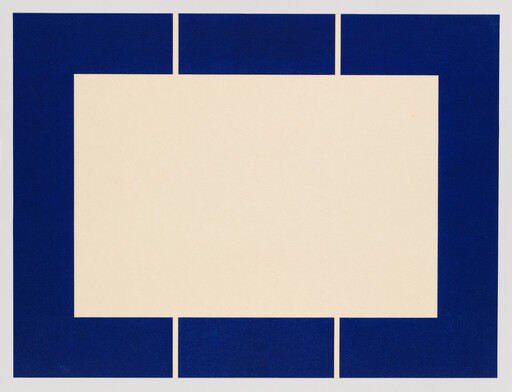
Untitled
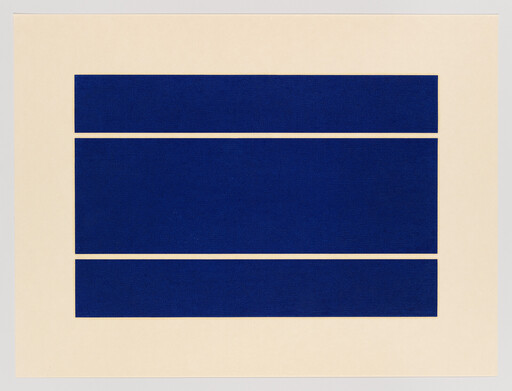
Untitled
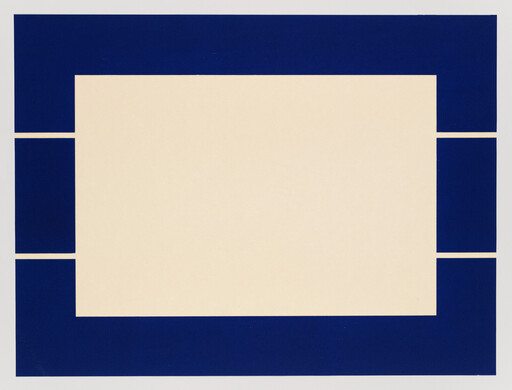
Untitled
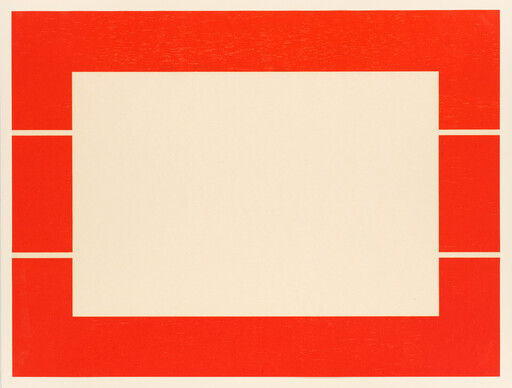
Untitled
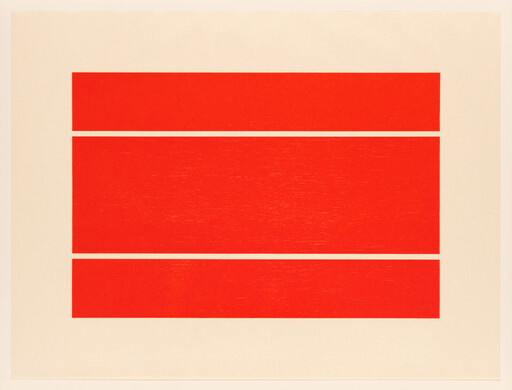
Untitled
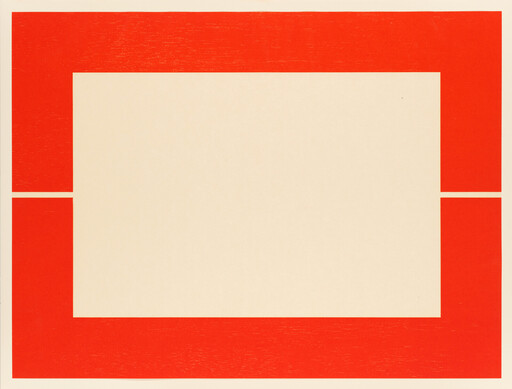
Untitled
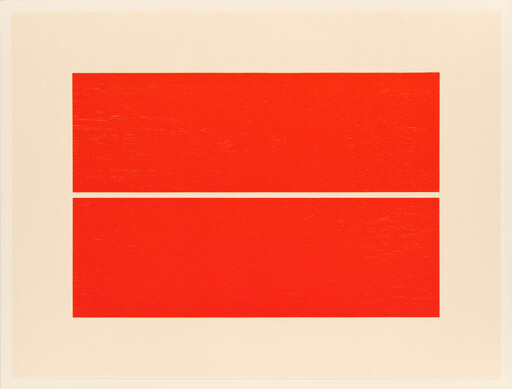
Untitled
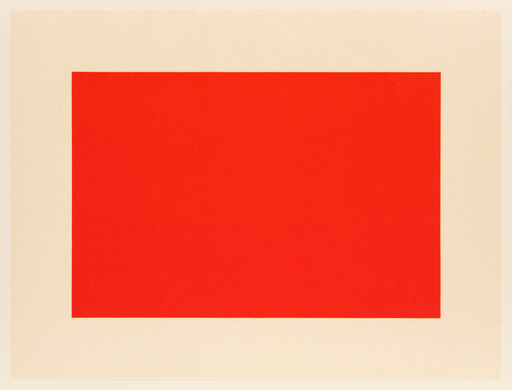
Untitled
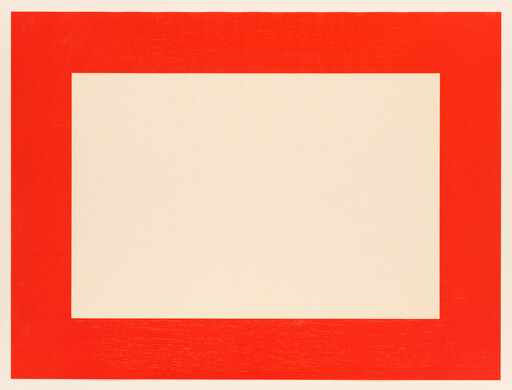
Untitled
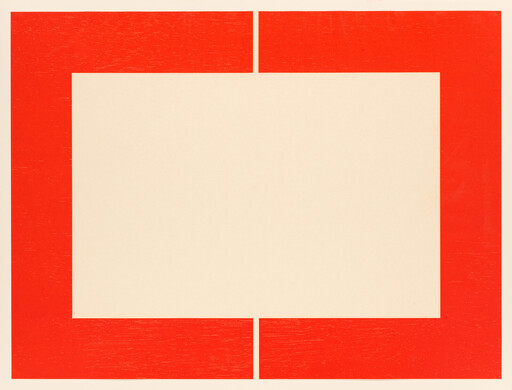
Untitled
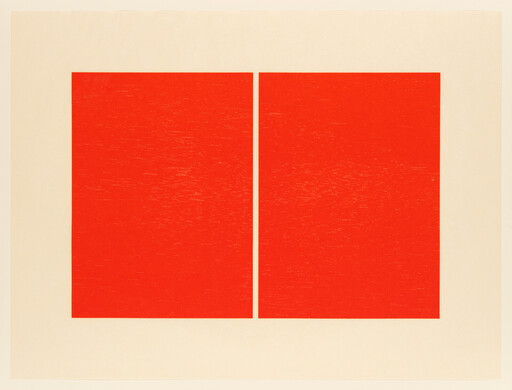
Untitled
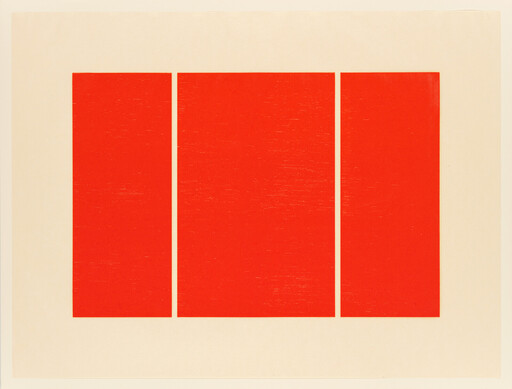
Untitled
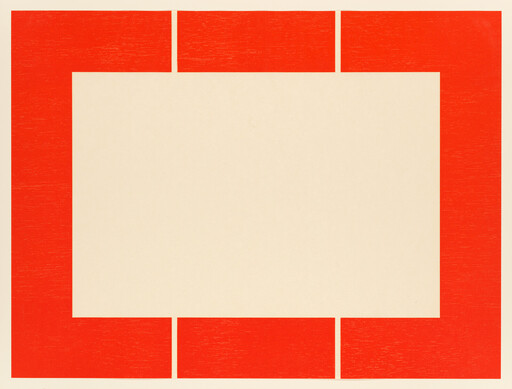
Untitled
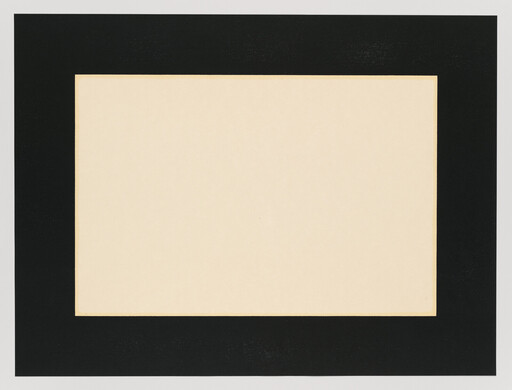
Untitled
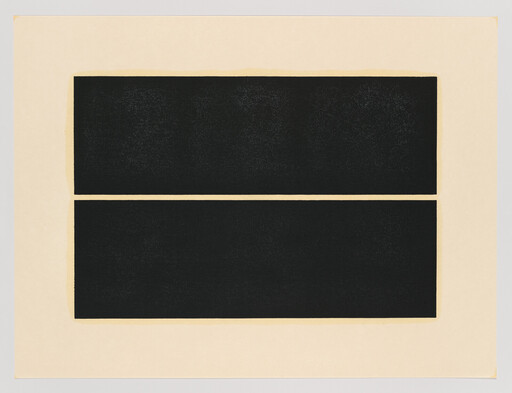
Untitled
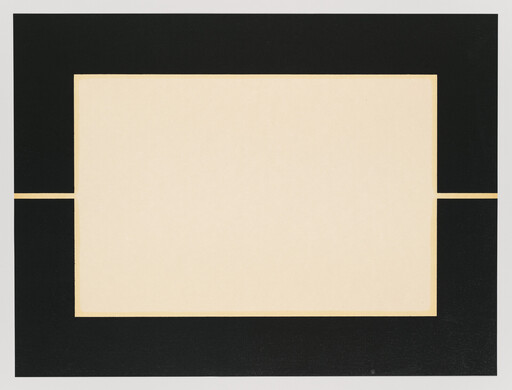
Untitled
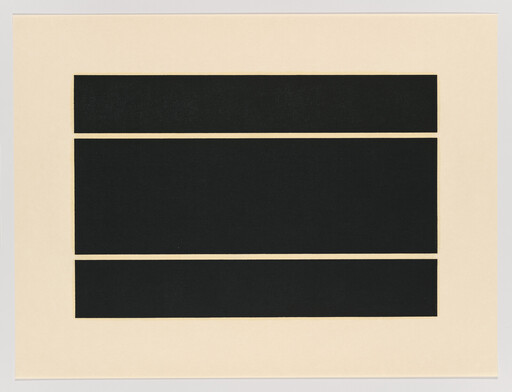
Untitled
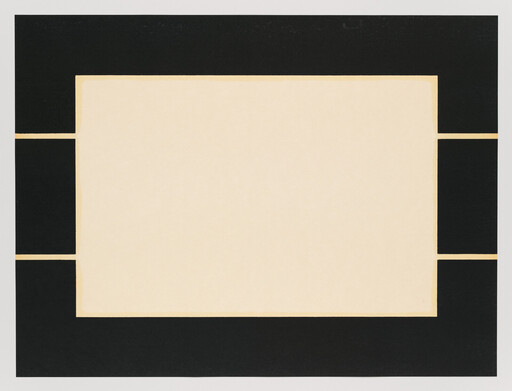
Untitled
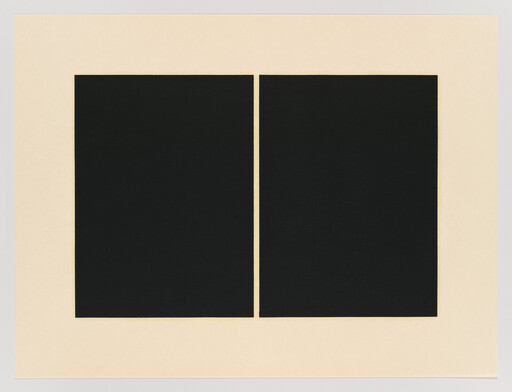
Untitled
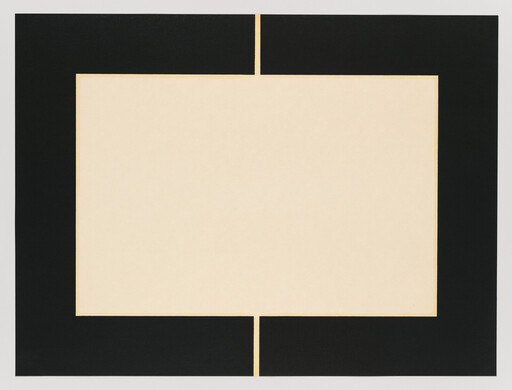
Untitled
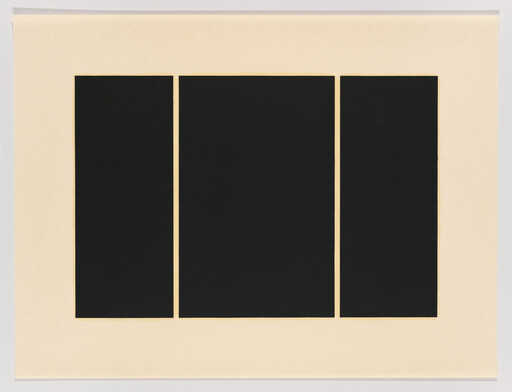
Untitled
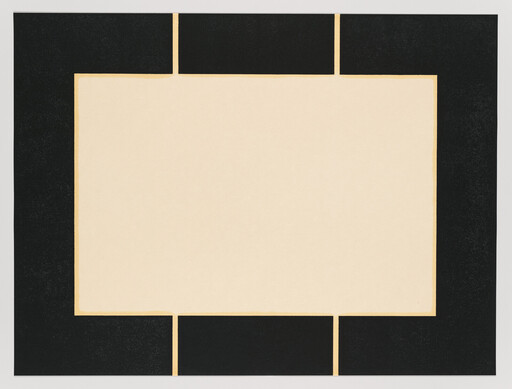
Untitled
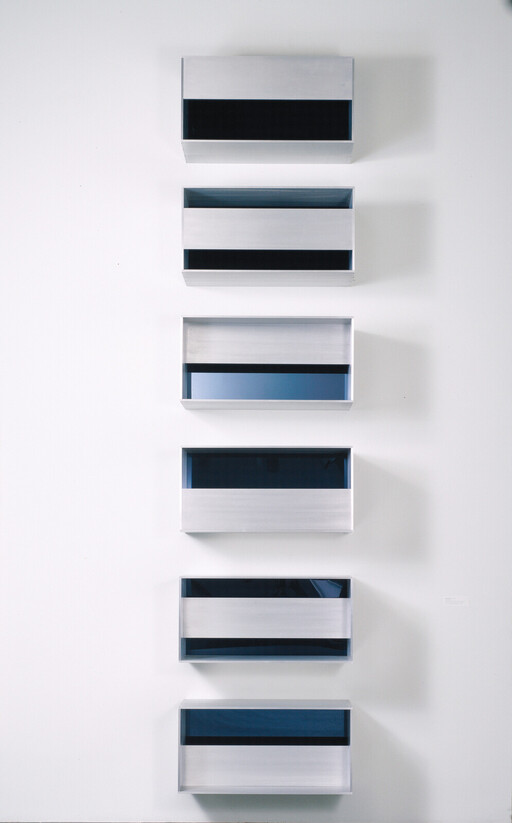
Untitled
Untitled (Diptych)
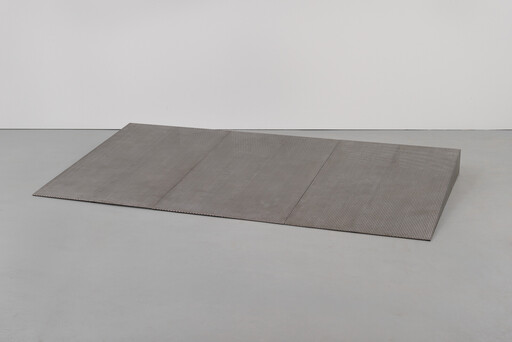
Untitled
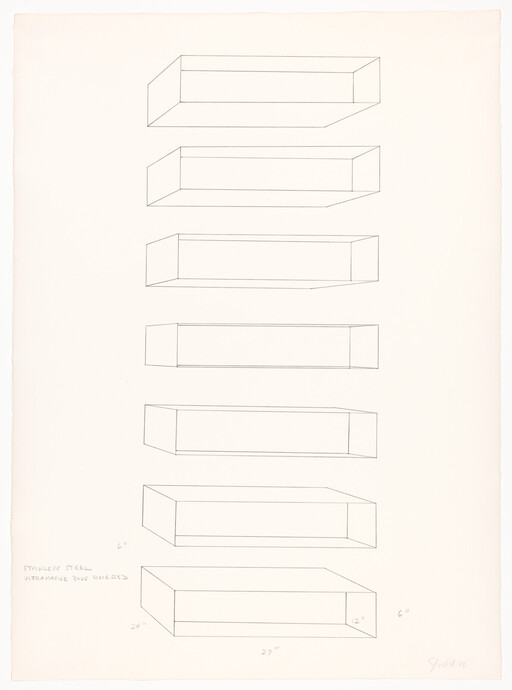
Stainless Steel, Blue Recessed
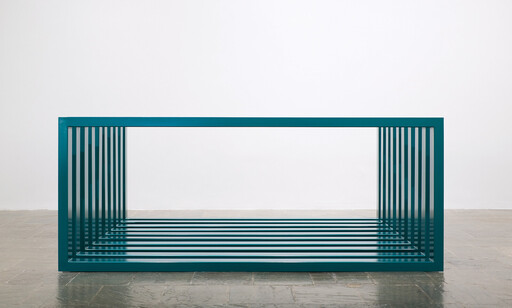
Untitled
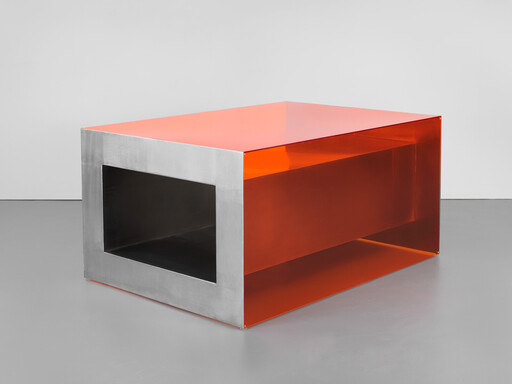
Untitled
Untitled
Untitled
Exhibitions at the Whitney
- Programmed: Rules, Codes, and Choreographies in Art, 1965–2018 2018-09-28 – 2019-04-14
- America Is Hard to See 2015-05-01 – 2015-09-27
- In Parts 2013-06-13 – 2014-02-23
- Two Years 2007-10-17 – 2008-02-17
- Modernisms 2007-08-29 – 2008-01-13
- Full House: Views of the Whitney’s Collection at 75 2006-06-29 – 2006-09-03
- New Additions: Prints for an American Museum Part II 2004-01-29 – 2004-05-16
- An American Legacy, A Gift to New York 2002-10-24 – 2003-01-26
- Highlights from the Permanent Collection: From Pollock to Today 2000-12-07 – 2002-02-10
- In Depth: Recent Acquisitions in Prints 2000-07-22 – 2000-11-26
- An American Story 1996-03-20 – 1996-09-29
- From the Collection: Photography, Sculpture and Painting 1994-07-14 – 1995-02-26
- Whitney Biennial 1985 1985-03-13 – 1985-06-09
- Whitney Biennial 1973: Contemporary American Art 1973-01-10 – 1973-03-18
- 1970 Annual Exhibition: Contemporary American Sculpture 1970-12-12 – 1971-02-07
- 1968 Annual Exhibition: Contemporary American Sculpture 1968-12-17 – 1969-02-09
- Donald Judd 1968-02-27 – 1968-03-24
- Annual Exhibition 1966: Contemporary Sculpture and Prints 1966-12-16 – 1967-02-05