Artist Biennial
Robert Morris
1931–2018
Biography
Robert Morris began his career as a painter in the late 1950s but turned to sculpture in 1961 and emerged as a central figure in the burgeoning movement of Minimal art. Relying on reductive geometric forms and industrially fabricated objects, Morris’s work from the 1960s explores the perceptual and experiential effects of three-dimensionality. Untitled (3 Ls) consists of three large L-shaped stainless steel beams, each placed in one of three possible configurations: upright, flat on its side, or balanced to form an inverted “V.” These units have identical dimensions, but Morris allows them to be reconfigured for each location in which they are displayed and viewers can move around and between the three elements. The varied orientations and configurations of the components can have dramatically different effects on viewers. As Morris once explained, “Simplicity of shape does not necessarily equate with simplicity of experience.” The sculpture prompts spectators to consider how they share space with the work and what it means to perceive objects, both optically and physically.
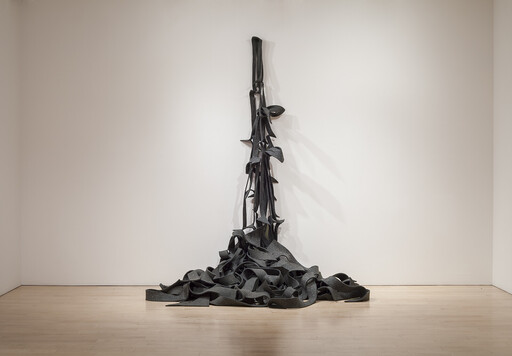
By the late 1960s Morris had begun to move away from Minimalism’s rigid, industrial forms and was experimenting with rope, rags, and felt to create sculptures whose shapes were largely determined by chance and gravity. In Felt Morris created a regular pattern of incisions in a large rectangular sheet of felt. When hung from the wall, however, this precise geometry dissolves as the pliable material settles into a tangle of strips.
Each time it is installed, the work’s configuration relies on the wall from which it hangs, the floor on which it rests, and the physical manipulations of the installers. Through such sculptures, and through writings such as his influential 1968 essay “Anti-Form,” Morris signaled the beginnings of Postminimal art.
Works in the collection
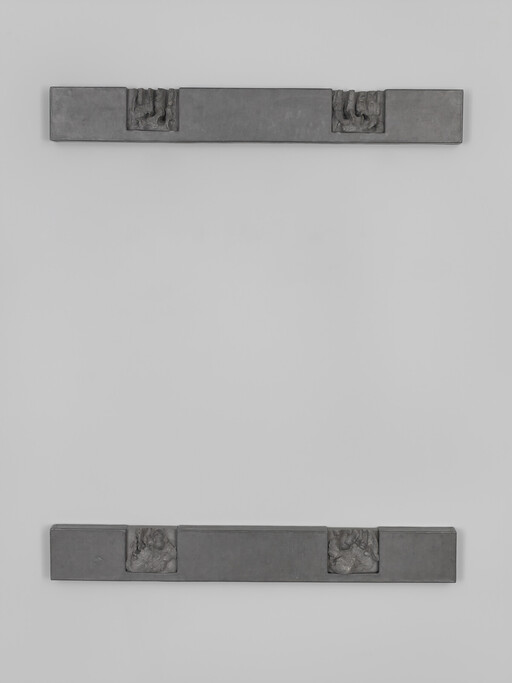
Hand and Toe Hold
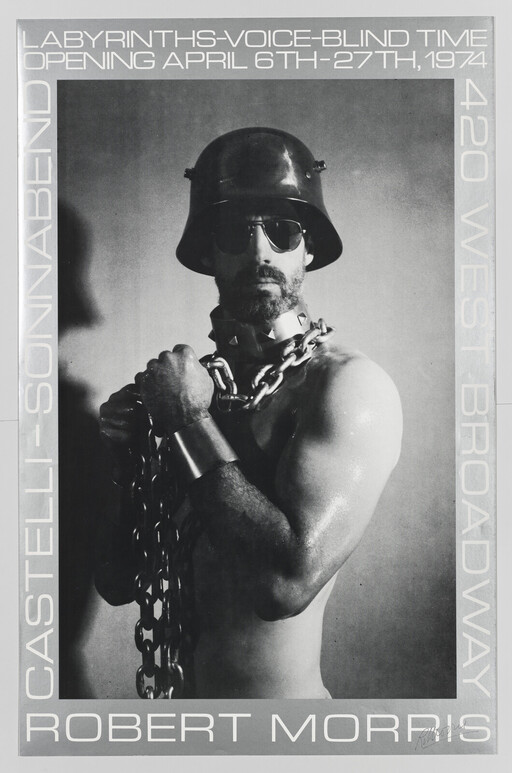
Robert Morris: Labyrinths--Voice--Blind Time
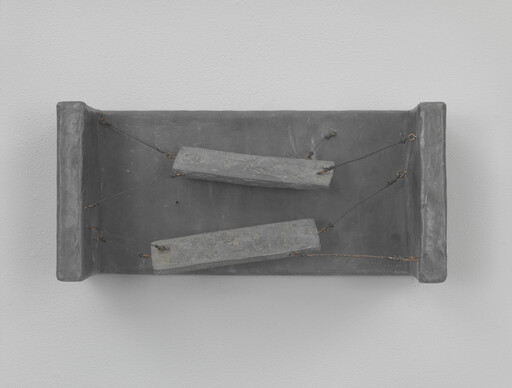
Lead
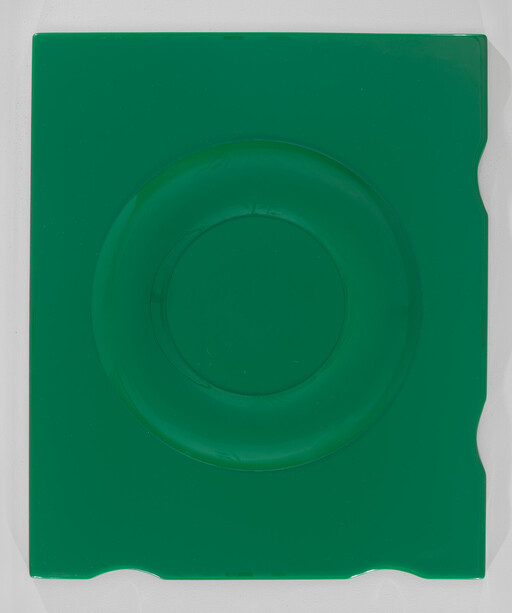
Model
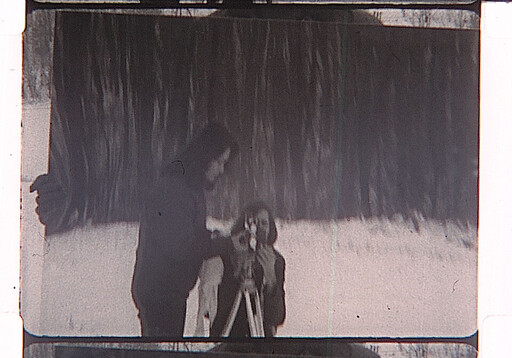
Mirror
Gas Station
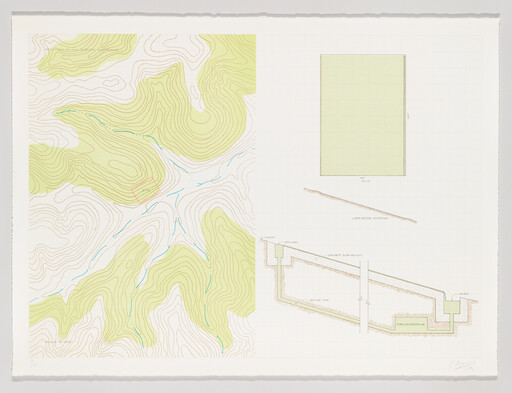
Five War Memorials
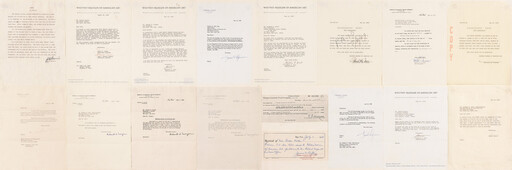
Money
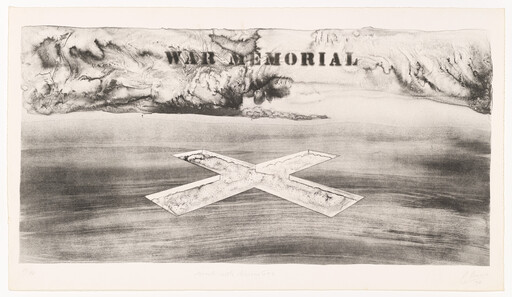
Trench with Chlorine Gas
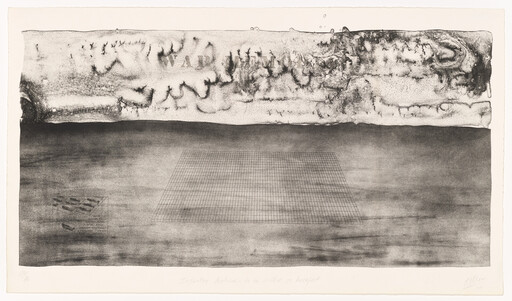
Infantry Archive - to be walked on barefoot
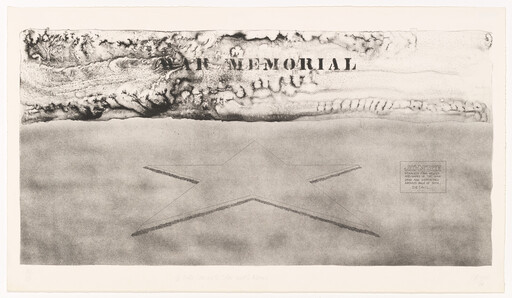
1/2 Mile Concrete Star with Names
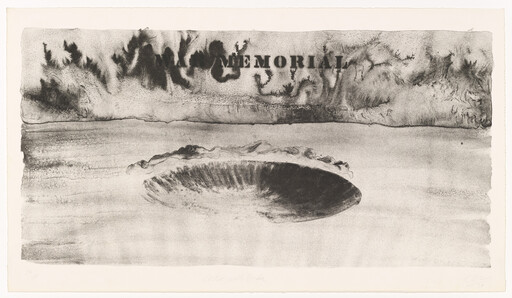
Crater with Smoke
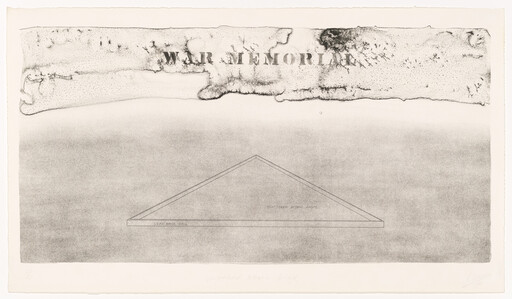
Scattered Atomic Waste
Slow Motion
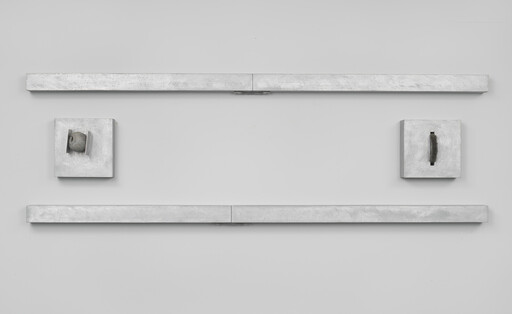
Untitled
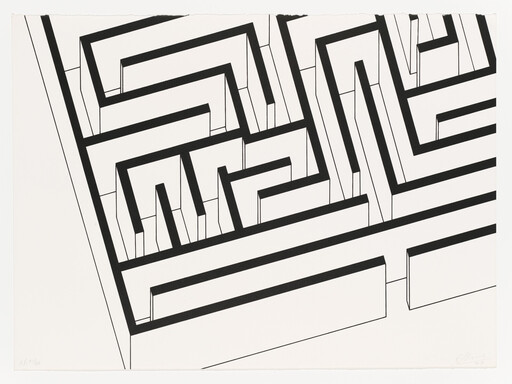
Untitled
The Cunningham Portfolio
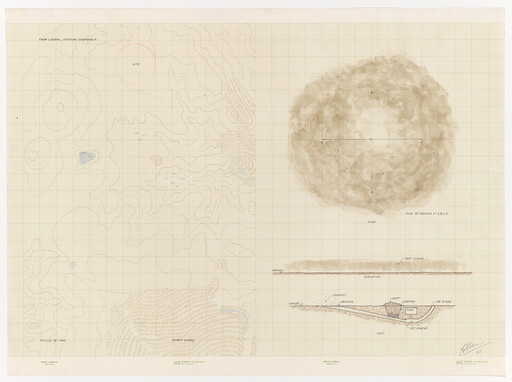
Drawing for Earth Project
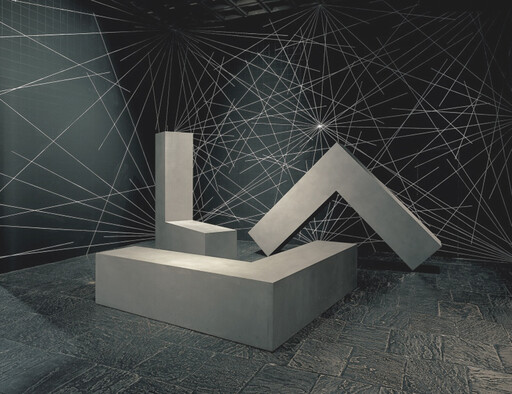
Untitled (3 Ls)
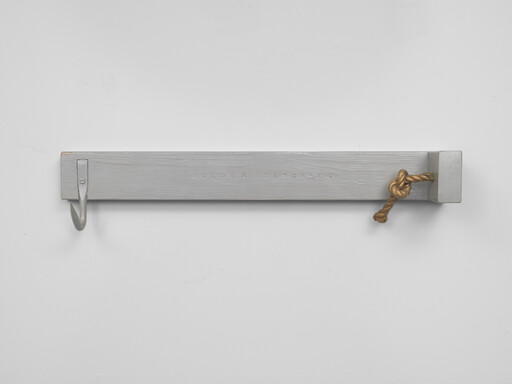
Golden Memories
Earth Projects
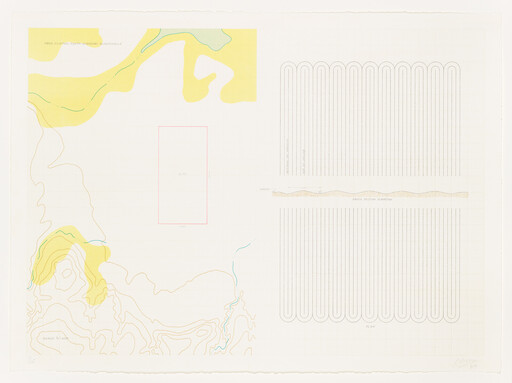
Mounds and Trenches
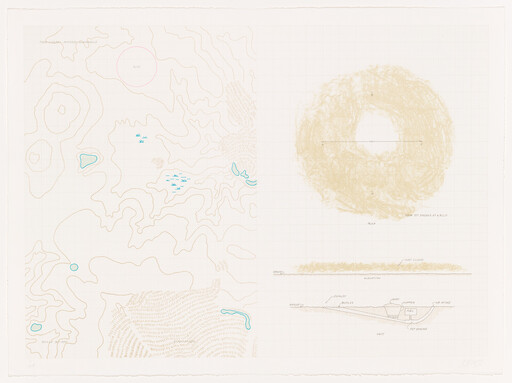
Dust
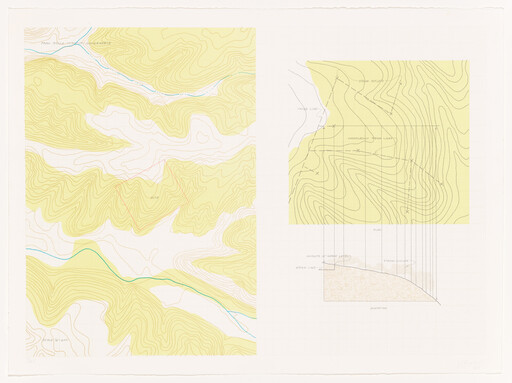
Steam
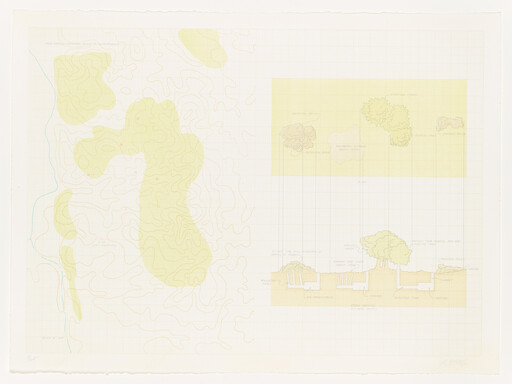
Temperatures
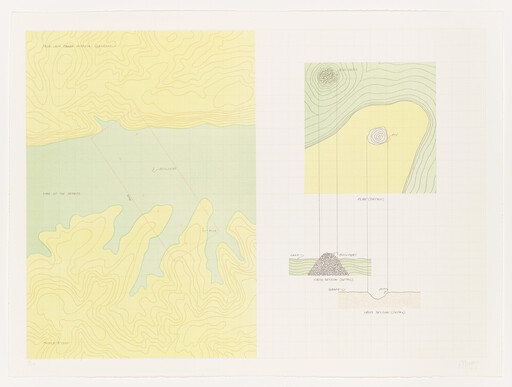
Piles and Pits
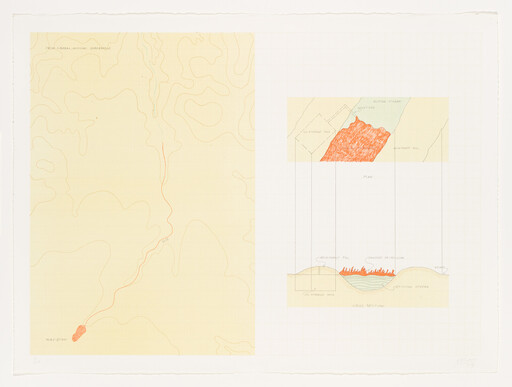
Burning Petroleum
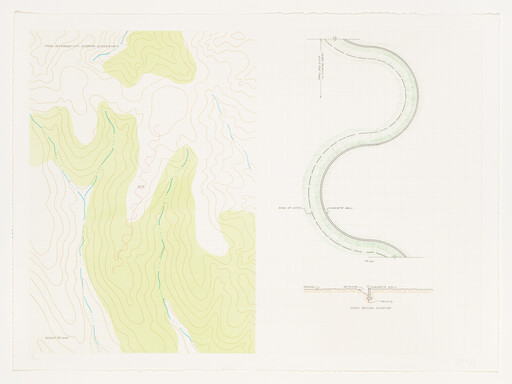
Wall and Ditch
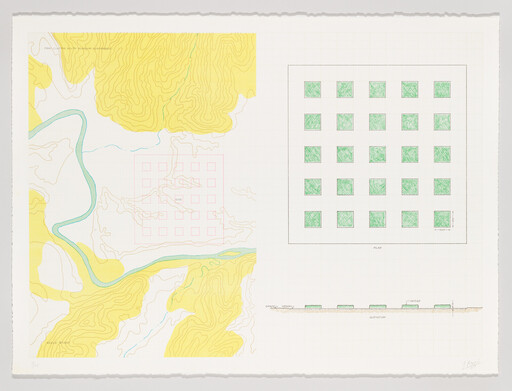
Hedges and Gravel
Waterfall
Vibrations
Felt
Untitled
Exhibitions at the Whitney
- Around Day’s End: Downtown New York, 1970–1986 2020-09-03 – 2020-11-01
- Making Knowing: Craft in Art, 1950–2019 2019-11-22 – 2022-02-20
- An Incomplete History of Protest: Selections from the Whitney’s Collection, 1940–2017 2017-08-18 – 2018-08-27
- America Is Hard to See 2015-05-01 – 2015-09-27
- Singular Visions 2010-12-16 – 2012-08-05
- Off the Wall: Part 1—Thirty Performative Actions 2010-07-01 – 2010-09-19
- Collecting Biennials 2010-01-16 – 2010-11-28
- Sites 2009-02-19 – 2009-05-03
- The Whitney’s Collection 2008-01-30 – 2010-01-03
- Two Years 2007-10-17 – 2008-02-17
- Full House: Views of the Whitney’s Collection at 75 2006-06-29 – 2006-09-03
- Building and Breaking the Grid: 1962–2002 2005-09-01 – 2006-01-08
- Memorials of War 2004-08-19 – 2004-11-28
- De Kooning to Today: Highlights from the Permanent Collection (2nd floor–Oct 2002) 2002-10-10 – 2003-03-02
- Into the Light: the Projected Image in American Art, 1964–1977 2001-10-18 – 2002-01-27
- Flashing into the Shadows: The Artist's Film in America 1966–1976 2000-12-07 – 2003-10-25
- Whitney Biennial 1973: Contemporary American Art 1973-01-10 – 1973-03-18
- 1970 Annual Exhibition: Contemporary American Sculpture 1970-12-12 – 1971-02-07
- 1968 Annual Exhibition: Contemporary American Sculpture 1968-12-17 – 1969-02-09
- Annual Exhibition 1966: Contemporary Sculpture and Prints 1966-12-16 – 1967-02-05