Artist Biennial
Ad Reinhardt
1913–1967
Biography
A prominent member of the mid-twentieth-century New York avant-garde, Ad Reinhardt distanced himself from his Abstract Expressionist contemporaries by focusing on the formal relationships within a work rather than compositions that emphasize self-expression. His writings, lectures, and artistic output are distinguished by a philosophical meditation on the meaning of abstraction and the virtues of art-for-art’s- sake, or, as he termed it, “art-as-art.”
Reinhardt often expressed his views in the form of cartoon collages he published in select newspapers and journals. Museum Landscape satirizes the art world’s liberal use of the term abstraction by taking aim at the Whitney Museum’s 1950 Annual. Featuring collage elements from a review that declared, “Abstraction Crowned at Whitney Annual,” the work depicts, among other elements, finger paints as the medium of Jackson Pollock and Willem de Kooning.
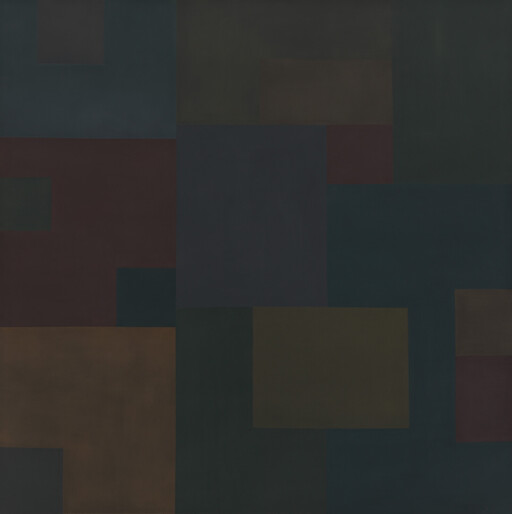
Reinhardt’s search for a “pure” abstract art culminated with his “black” paintings. Beginning in 1956 he worked exclusively with five-by-five-foot square canvases featuring dark, matte, hand- painted surfaces. The somber variations of Abstract Painting’s nine extraordinarily subtle black-on-black squares are perceptible only through sustained viewing and are lost in reproduction. The only viable experience, Reinhardt felt, was in contemplating the actual painting. In their elimination of subject matter and personal expression, these works not only represented a distilled vision of art but also prefigured the concerns of Minimalists whose work would gain traction in the 1960s and 1970s.
Works in the collection
10 Screenprints by Ad Reinhardt
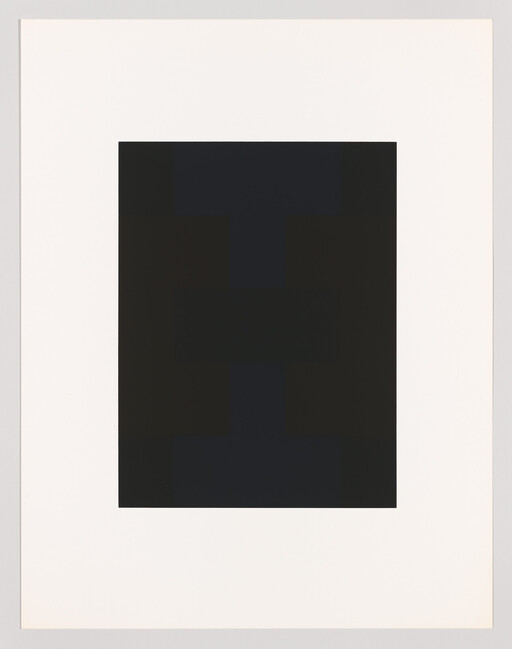
(No title) #1
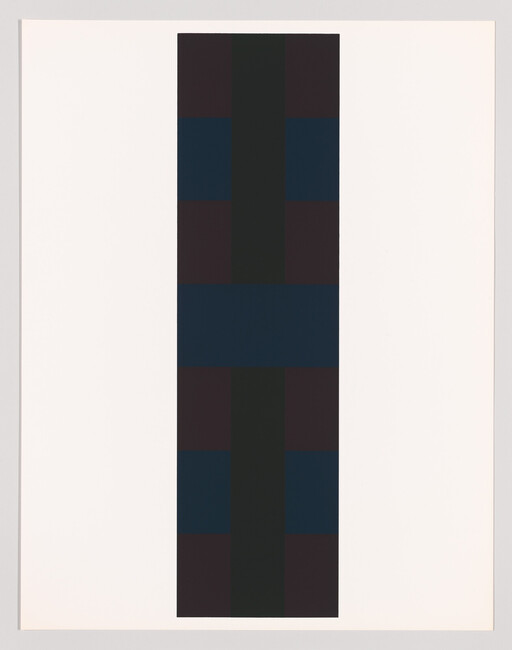
(No title) #2
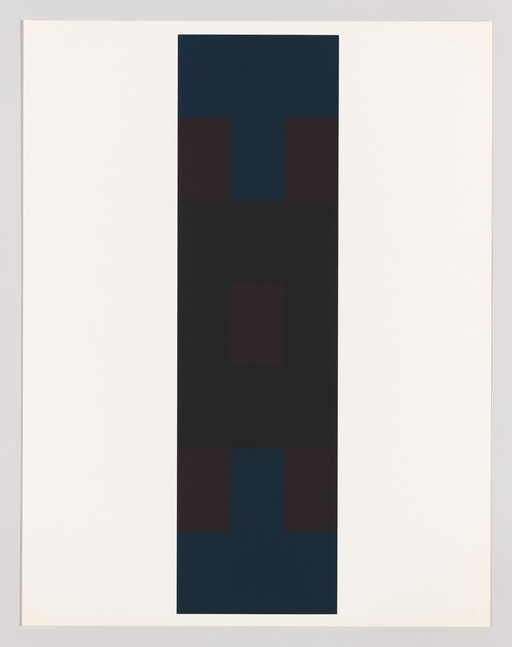
(No title) #3
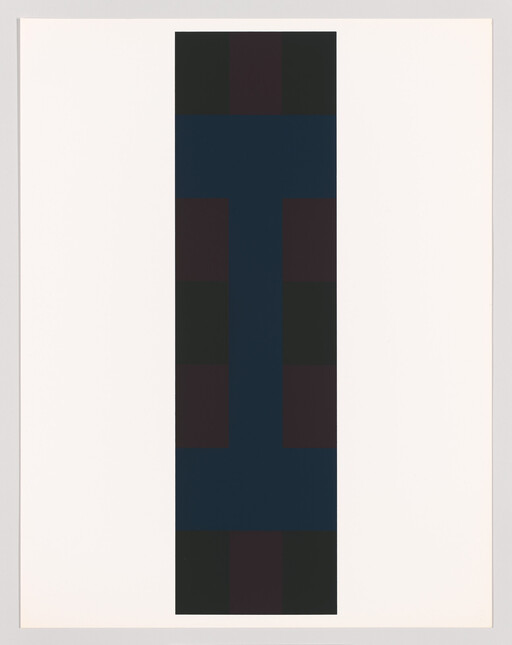
(No title) #4
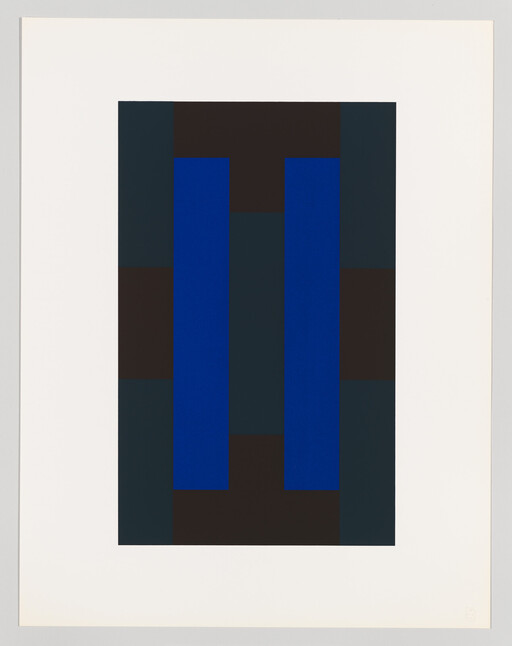
(No title) #5
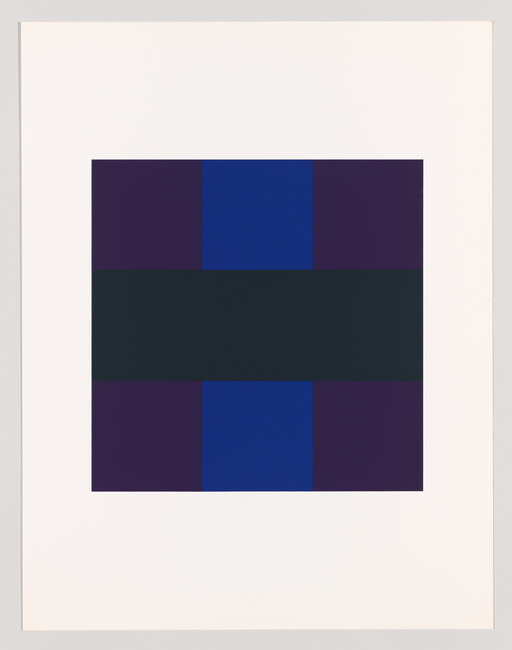
(No title) #6
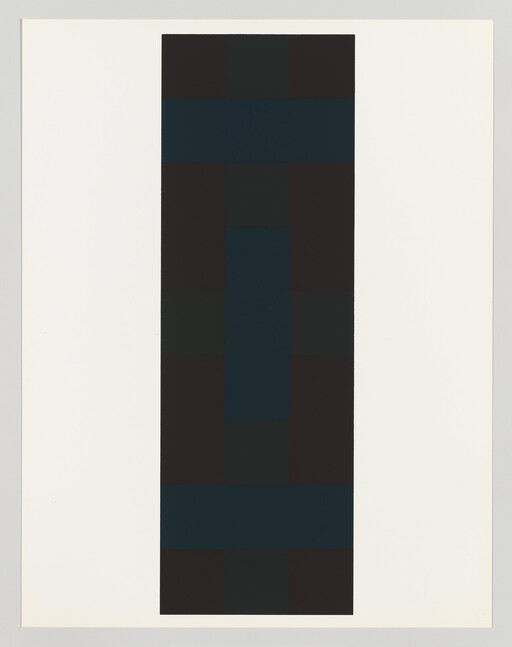
(No title) #7
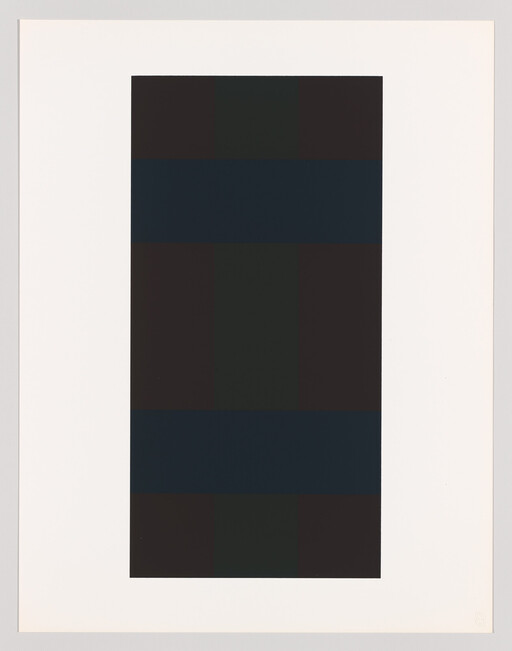
(No title) #8
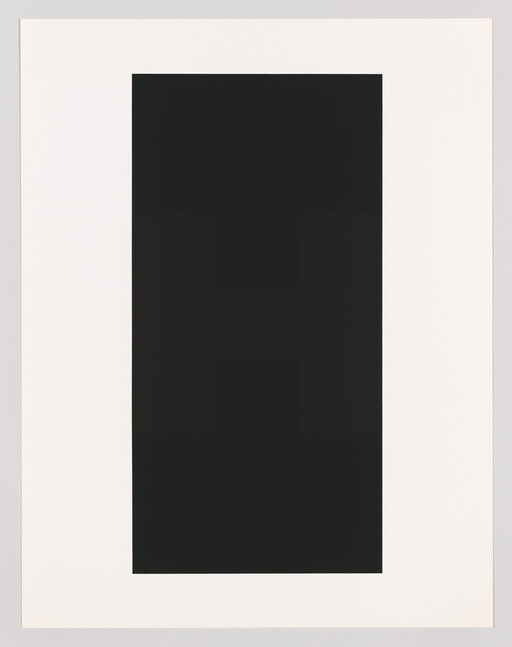
(No title) #9
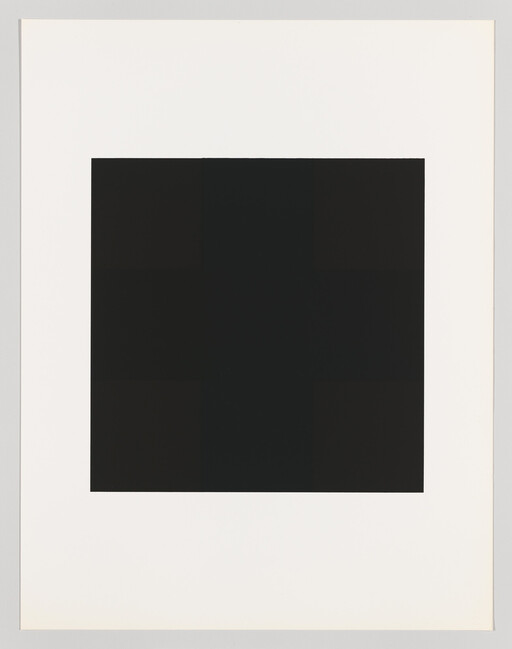
(No title) #10
ARTISTS AND WRITERS PROTEST AGAINST THE WAR IN VIET NAM
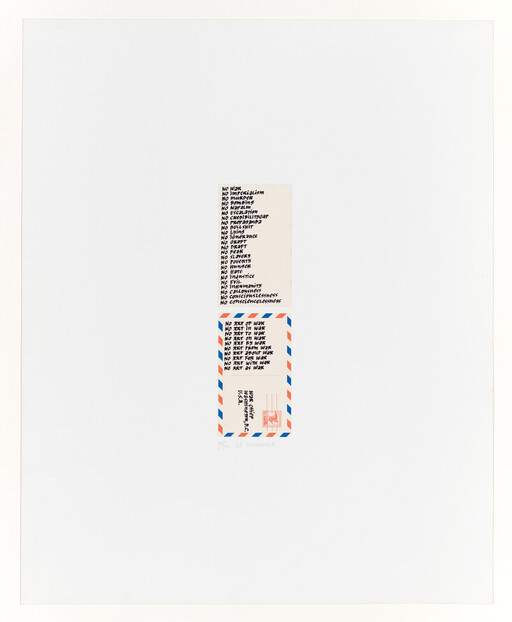
No War
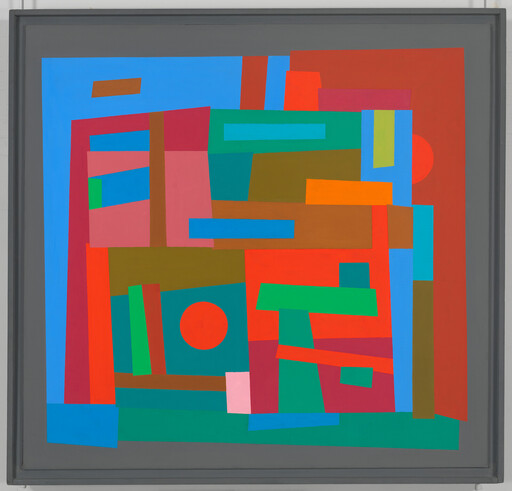
Number 30
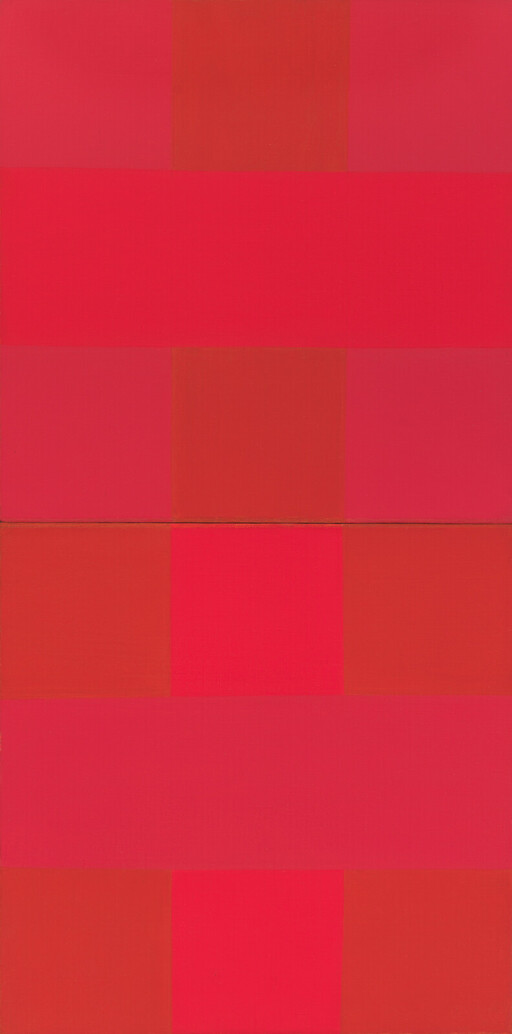
Abstract Painting, Red
Untitled

Abstract Painting

Abstract Painting

Abstract Painting
Ten Works by Ten Painters
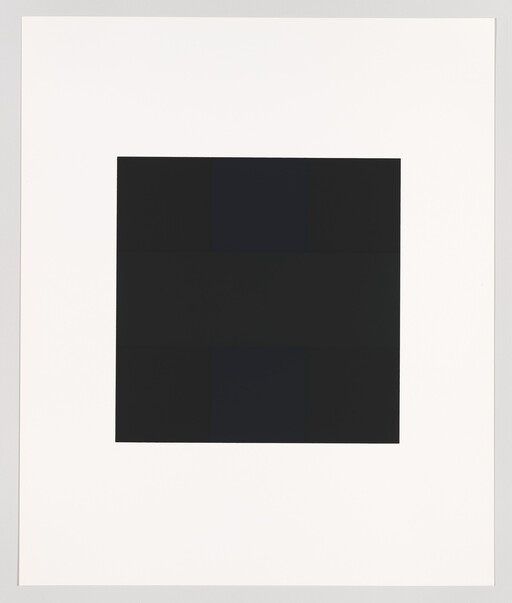
(Untitled)
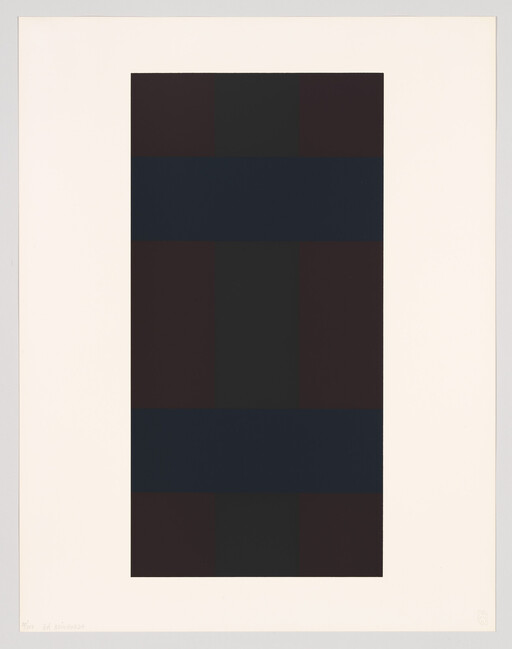
Untitled

Abstract Painting, Number 33
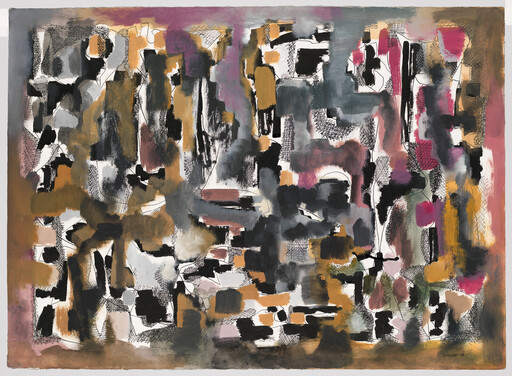
Untitled
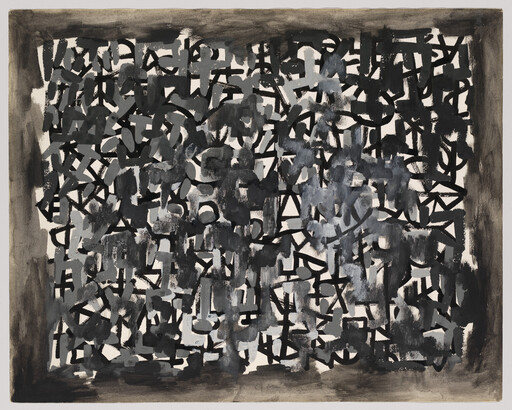
Untitled
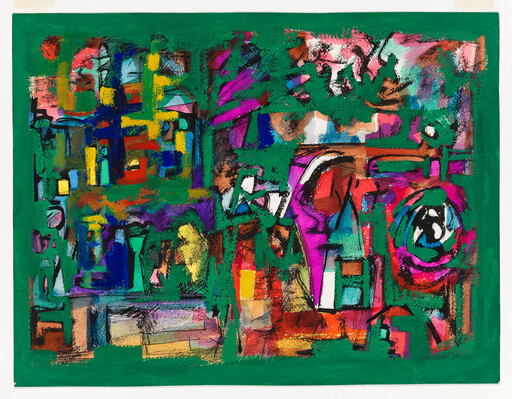
Untitled
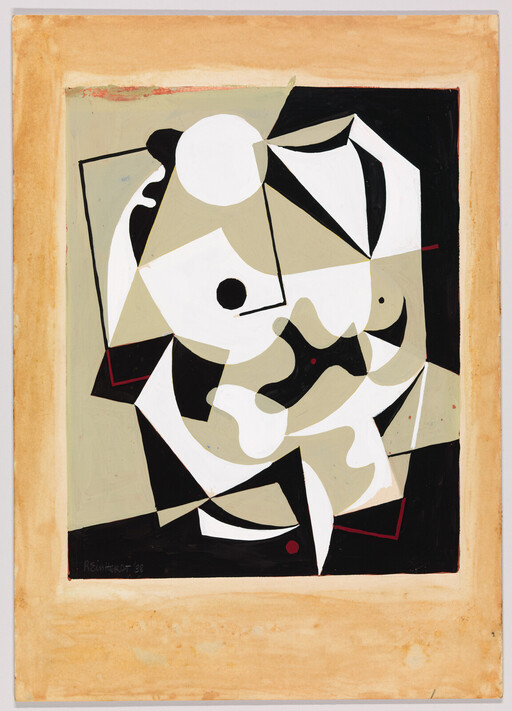
Untitled
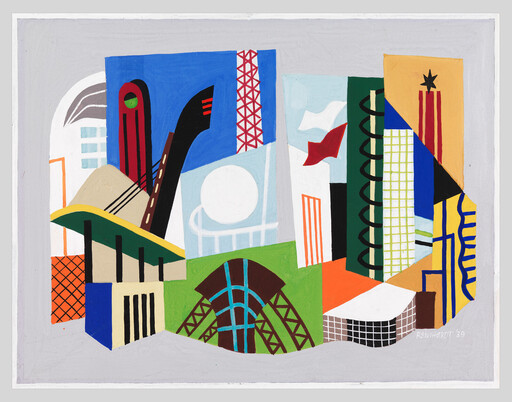
Untitled (N.Y. World's Fair)
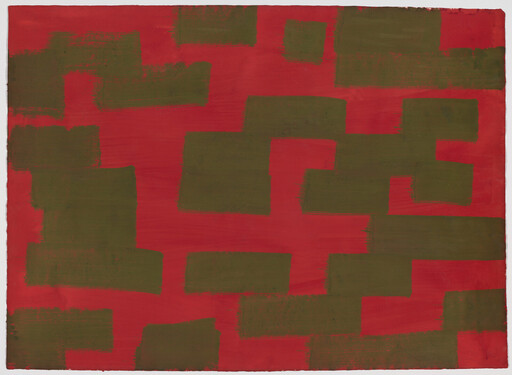
Untitled
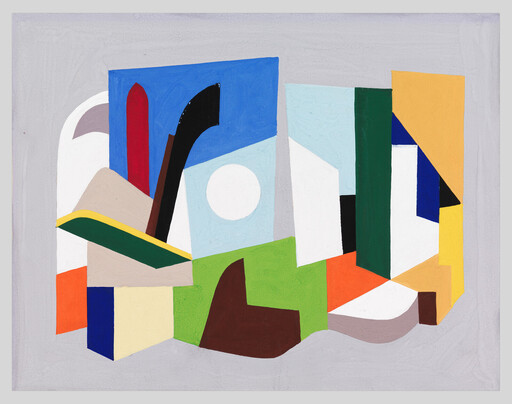
Untitled (N.Y. World's Fair)
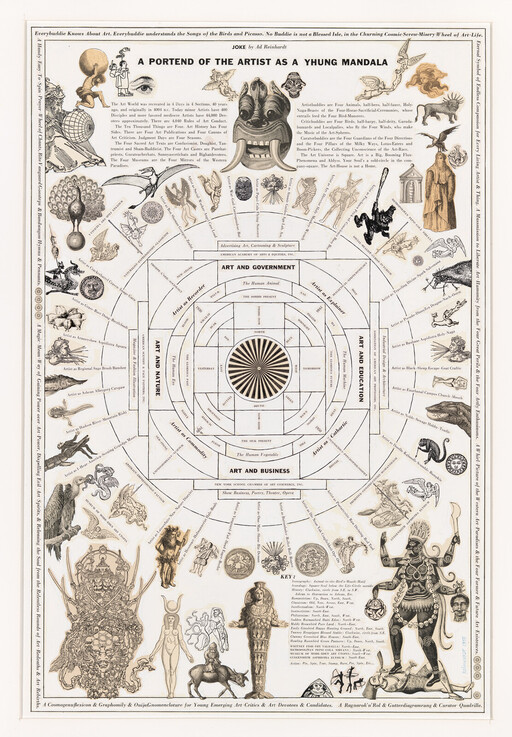
Portend of the Artist as a Yhung Mandala
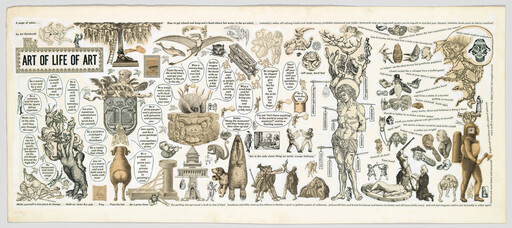
Art of Life of Art
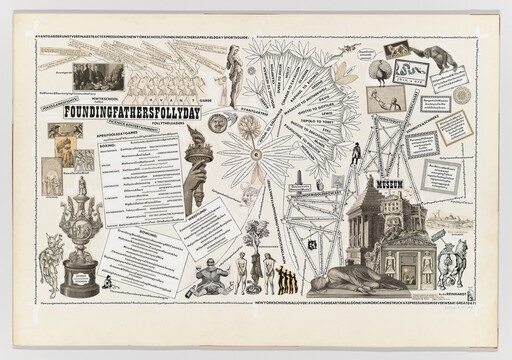
Foundingfathersfollyday
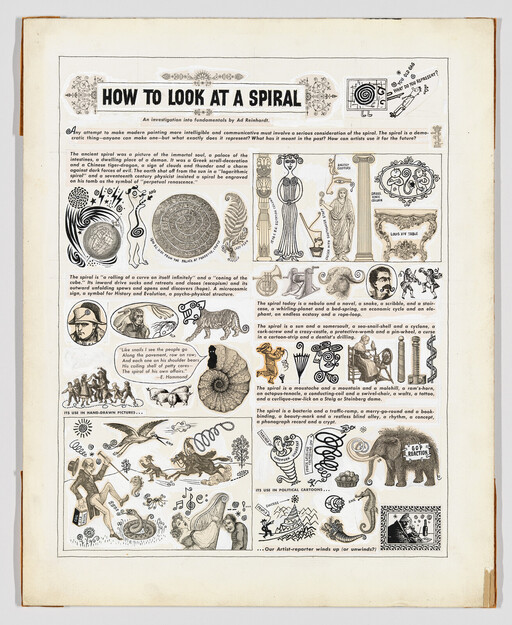
How to Look at a Spiral
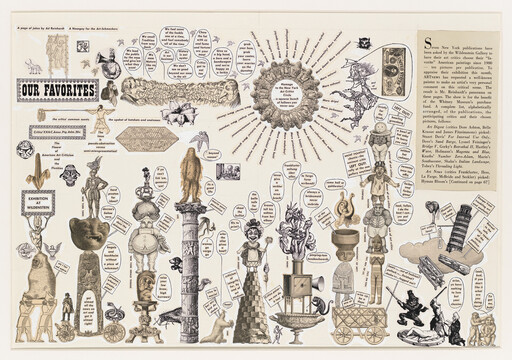
Our Favorites
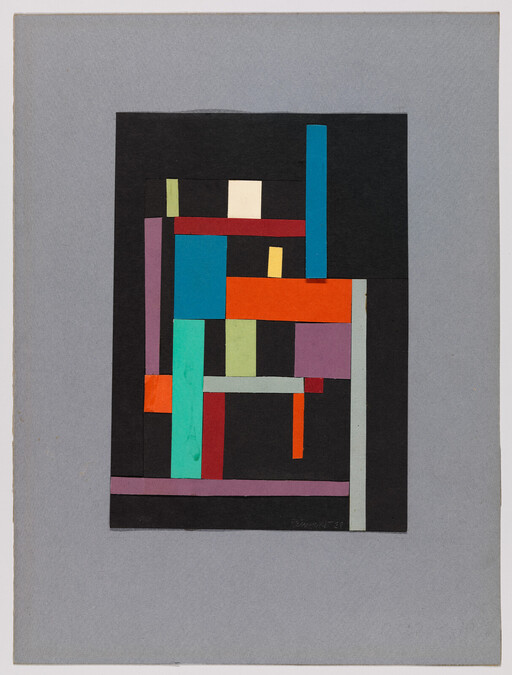
Collage
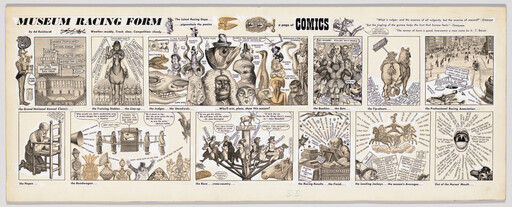
Museum Racing Form
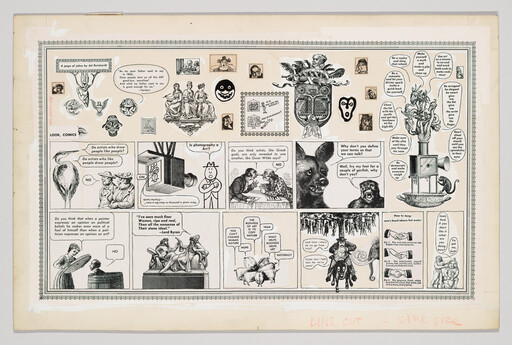
A Page of Jokes
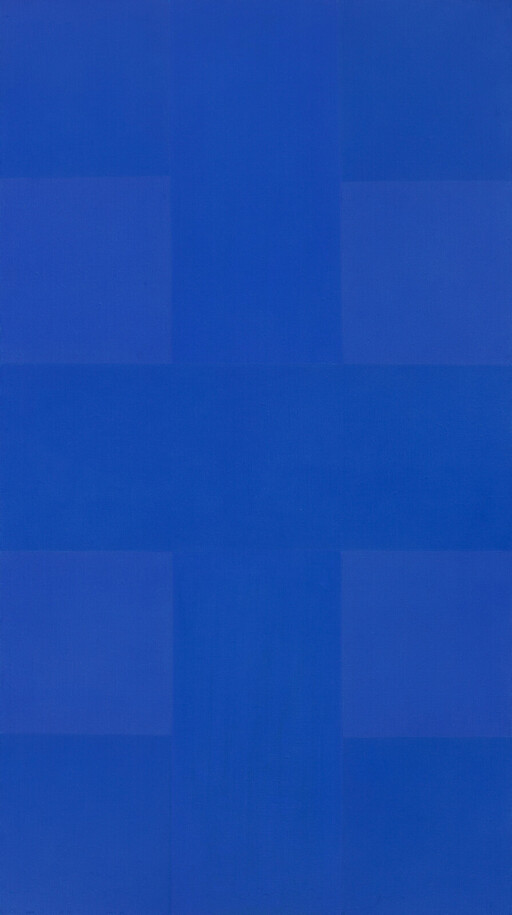
Abstract Painting, Blue 1953
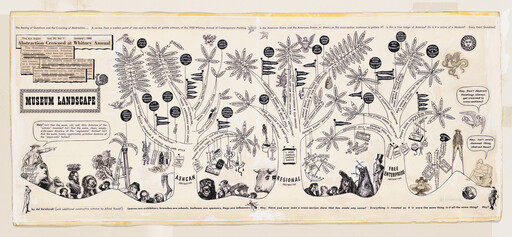
Museum Landscape
New York International Portfolio
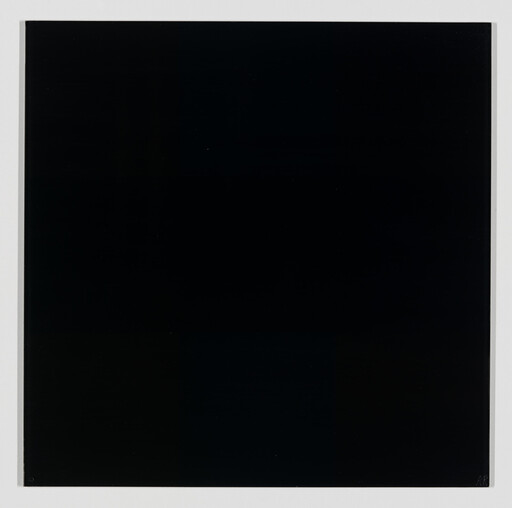
Abstract Print
Number 17 - 1953
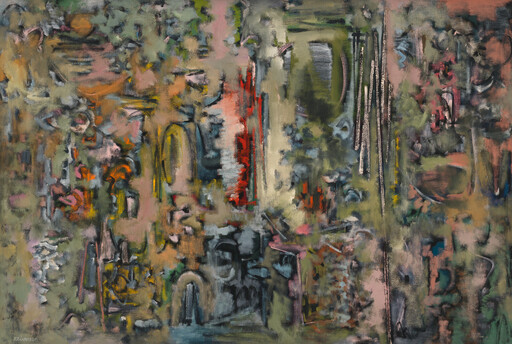
Number 18 - 1948-49
Untitled
Abstract Painting
Exhibitions at the Whitney
- An Incomplete History of Protest: Selections from the Whitney’s Collection, 1940–2017 2017-08-18 – 2018-08-27
- America Is Hard to See 2015-05-01 – 2015-09-27
- Shaping a Collection: Five Decades of Gifts 2014-07-17 – 2014-10-19
- Signs & Symbols 2012-06-28 – 2012-10-28
- Collecting Biennials 2010-01-16 – 2010-11-28
- “Progress” 2008-07-11 – 2009-01-04
- The Whitney’s Collection 2008-01-30 – 2010-01-03
- Two Years 2007-10-17 – 2008-02-17
- Modernisms 2007-08-29 – 2008-01-13
- Full House: Views of the Whitney’s Collection at 75 2006-06-29 – 2006-09-03
- Landscape 2005-03-24 – 2005-09-18
- De Kooning to Today: Highlights from the Permanent Collection (2nd floor–Oct 2002) 2002-10-10 – 2003-03-02
- Highlights from the Permanent Collection: From Pollock to Today 2000-12-07 – 2002-02-10
- Highlights from the Permanent Collection: From Hopper to Mid-Century 2000-02-26 – 2006-05-21
- Collection in Context: Ad Reinhardt 1998-03-20 – 1998-04-12
- Collection in Context: 1948 1998-01-16 – 1998-03-15
- An American Story 1996-03-20 – 1996-09-29
- From the Collection: Photography, Sculpture and Painting 1994-07-14 – 1995-02-26
- In a Classical Vein: Works from the Permanent Collection 1993-10-18 – 1994-04-03
- Ad Reinhardt: A Concentration of Works from the Permanent Collection of the Whitney Museum of American Art 1980-10-10 – 1981-02-08
- 1965 Annual Exhibition of Contemporary American Painting 1965-12-08 – 1966-01-30
- Annual Exhibition 1961: Contemporary American Painting 1961-12-13 – 1962-02-04
- 1959 Annual Exhibition of Contemporary American Painting 1959-12-09 – 1960-01-31
- 1958 Annual Exhibition: Sculpture, Paintings, Watercolors, Drawings 1958-11-19 – 1959-01-04
- 1957 Annual Exhibition: Sculpture, Paintings, Watercolors 1957-11-20 – 1958-01-12
- 1956 Annual Exhibition: Sculpture, Paintings, Watercolors, Drawings 1956-11-14 – 1957-01-06
- 1955 Annual Exhibition of Contemporary American Painting 1955-11-09 – 1956-01-08
- 1953 Annual Exhibition of Contemporary American Painting 1953-10-15 – 1953-12-06
- 1952 Annual Exhibition of Contemporary American Painting 1952-11-06 – 1953-01-04
- 1952 Annual Exhibition of Contemporary American Sculpture, Watercolors and Drawings 1952-03-13 – 1952-05-04
- 1951 Annual Exhibition of Contemporary American Painting 1951-11-08 – 1952-01-06
- 1951 Annual Exhibition of Contemporary American Sculpture, Watercolors and Drawings 1951-03-17 – 1951-05-06
- 1950 Annual Exhibition of Contemporary American Painting 1950-11-10 – 1950-12-31
- 1950 Annual Exhibition of Contemporary American Sculpture, Watercolors and Drawings 1950-04-01 – 1950-05-28
- 1948 Annual Exhibition of Contemporary American Sculpture, Watercolors and Drawings 1948-01-31 – 1948-03-21
- 1947 Annual Exhibition of Contemporary American Painting 1947-12-06 – 1948-01-25
- 1947 Annual Exhibition of Contemporary American Sculpture, Watercolors and Drawings 1947-03-11 – 1947-04-17