Artist Biennial
Robert Frank
1924–2019
Biography
With the publication of The Americans in 1958, Robert Frank changed the course of postwar photography. After leaving his native Switzerland in 1953, Frank applied his talent with a handheld camera to present a gritty picture of the United States that was provocatively out of sync with the nation’s optimistic sense of itself. In 1955, with a Guggenheim fellowship he received with the support of Walker Evans, Edward Steichen, and Harper’s Bazaar art director Alexey Brodovitch, Frank purchased a used Ford coupe and crisscrossed the country for nearly a year, taking photographs.
From over seven hundred rolls of film, Frank selected Indianapolis as the penultimate of the eighty-three images in The Americans. The picture encapsulates the photographer’s astute attention to racial and economic inequalities, budding subcultures, and the romanticism of the American road at midcentury. The photograph of a denim-clad African American couple on a motorcycle is at once provocative yet intentionally ambiguous. In the 1950s motorcycling represented a rebellion against middle-class society. In 1953 Marlon Brando played a bad-boy biker in The Wild One, a film based on the infamous Hollister riot of 1947. In 1956, the same year as the Montgomery Bus Boycott and the beginnings of the civil rights movement, an image of black motorcyclists might have been discomfiting for many white Americans. In fact, The Americans was derided at first by many critics as “un-American” because Frank jettisoned any veils of propriety and captured the people he encountered with blunt candor and unflinching attention.
Works in the collection
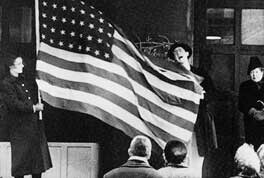
Pull My Daisy
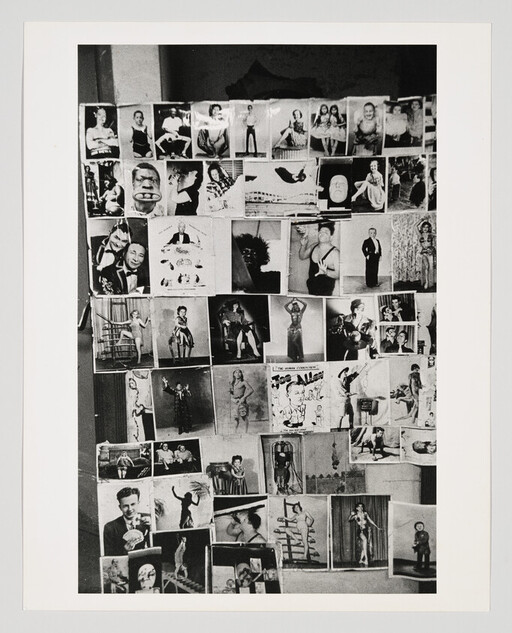
Untitled (Freak Show Photos/Exile on Main Street)
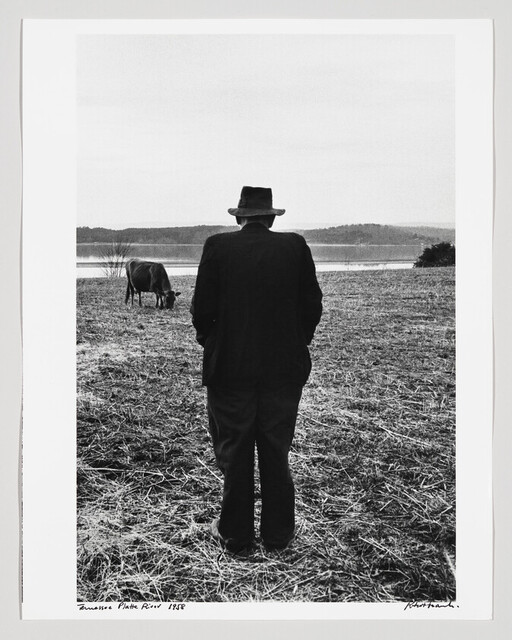
Platte River, Tennessee
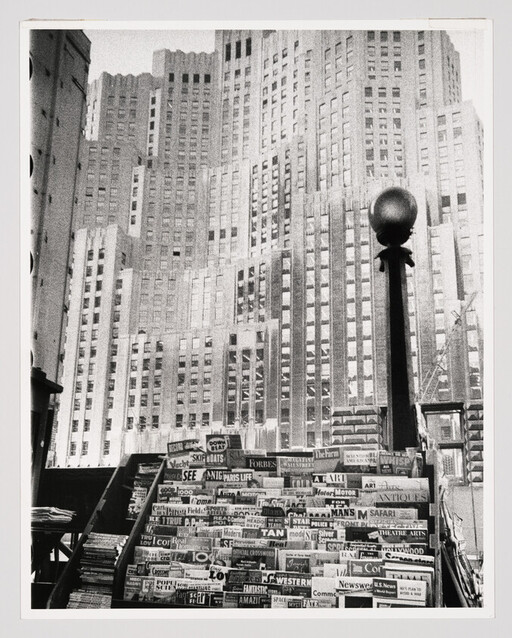
Metropolitan Life Insurance Building, New York City
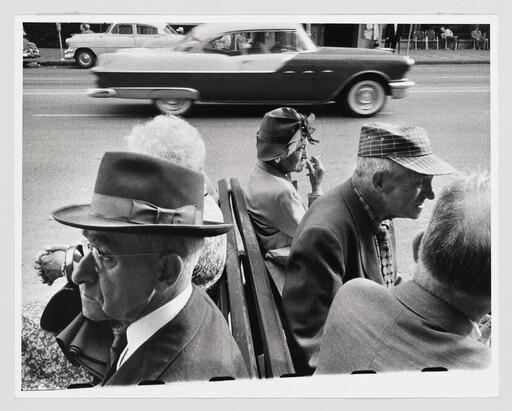
St. Petersburg, Florida
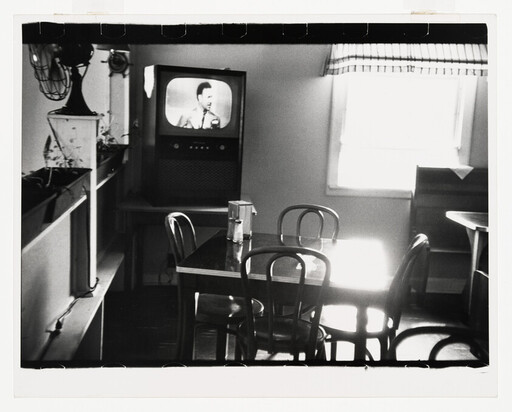
Restaurant-U.S. 1 Leaving Columbia, South Carolina
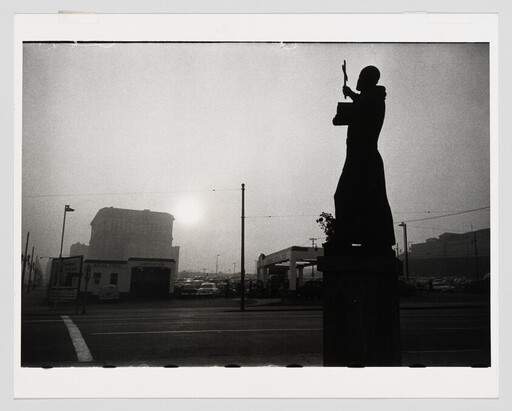
St. Francis, Gas Station, and City Hall-Los Angeles
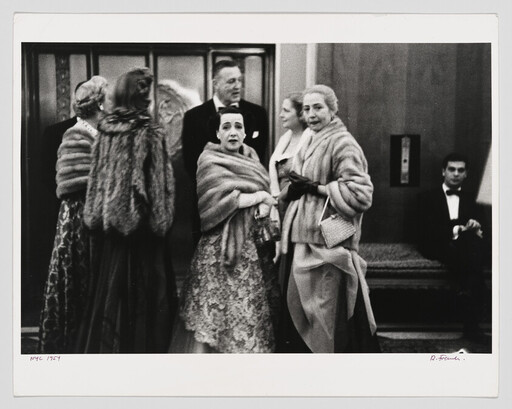
Formal Reception
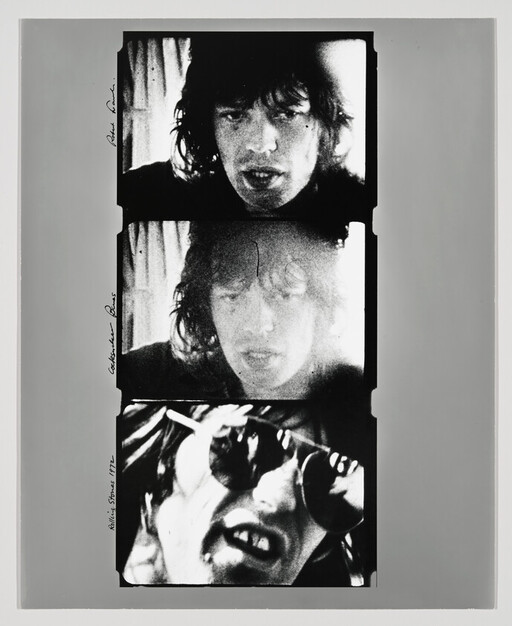
Rolling Stones, Cocksucker Blues
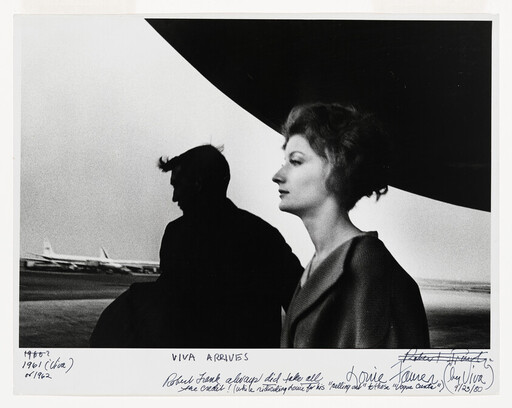
Viva Arrives
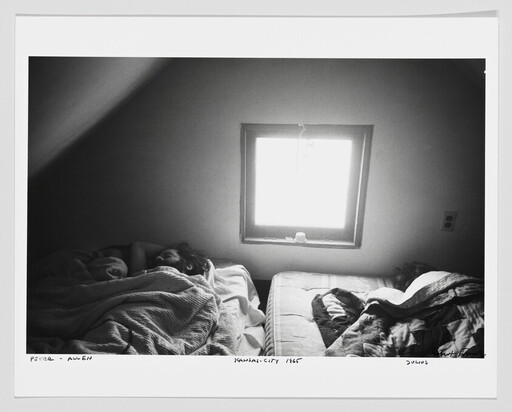
Peter, Allen, Julius, Kansas City
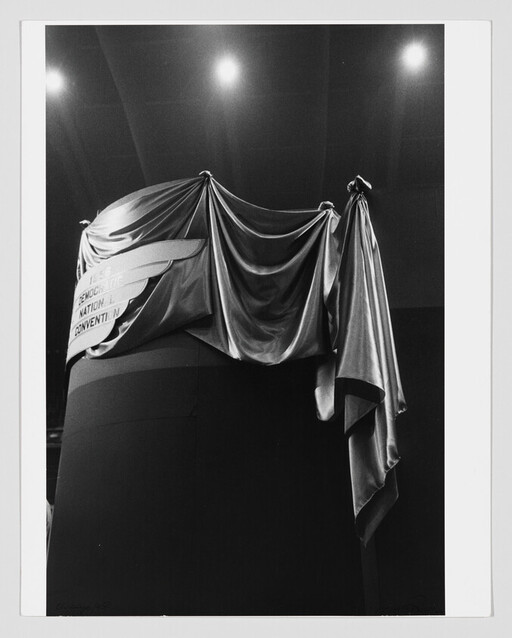
Chicago
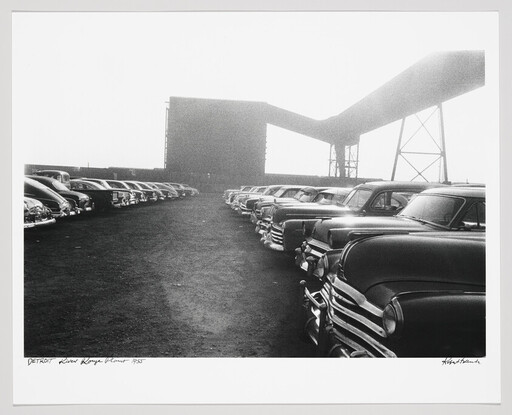
Detroit, River Rouge Plant
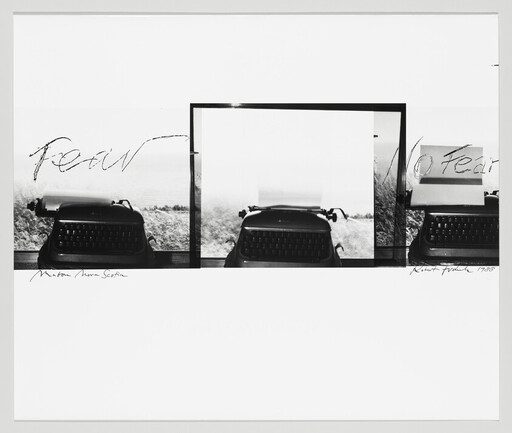
Fear - No Fear
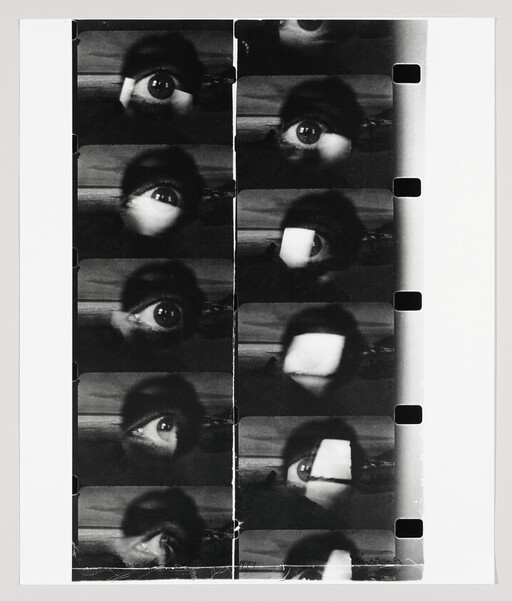
In Mabou - Life Dances On
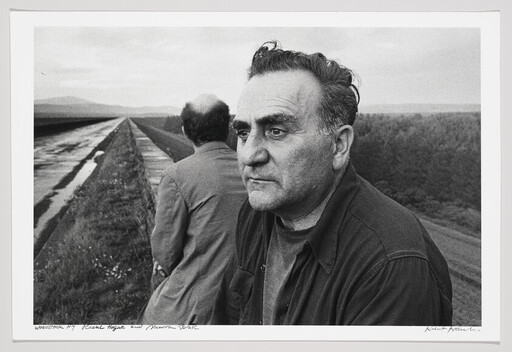
Woodstock, N.Y., Raoul Hague and Marvin Israel
Yellow Flower - Like a Dog, New York City
Moving Pictures
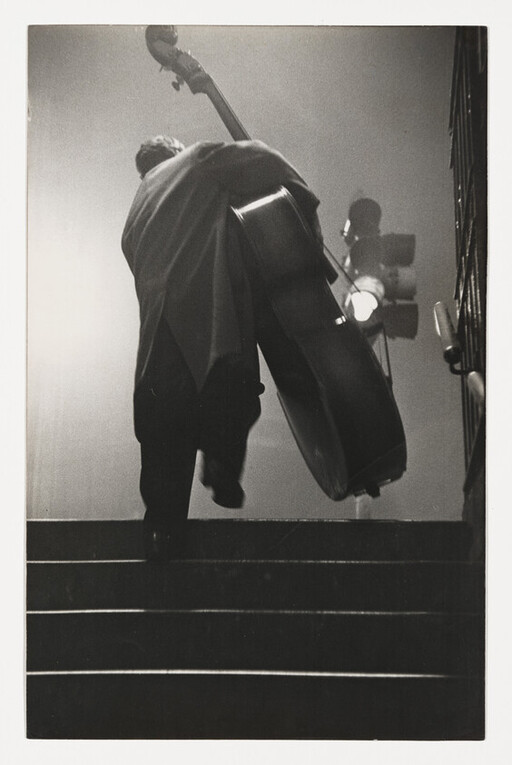
London
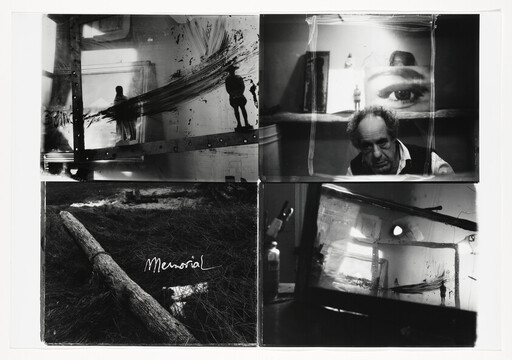
Untitled (Memorial)
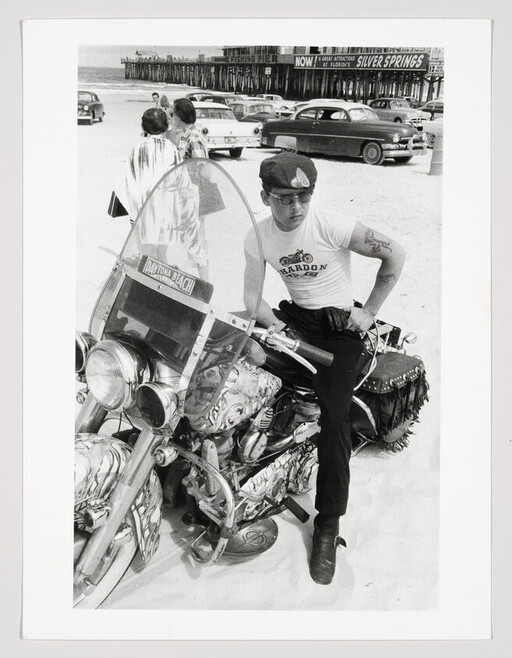
Untitled, Daytona Beach
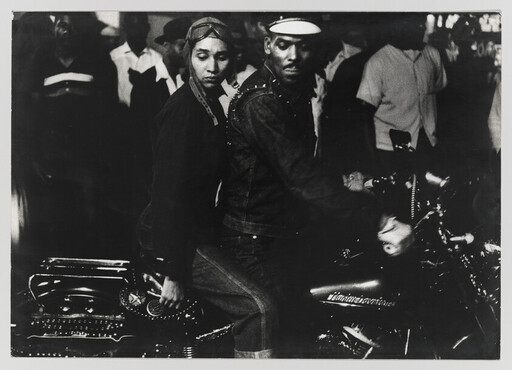
Indianapolis
Willem de Kooning
Yom Kippur, East River, NY
Covered Car, Long Beach
Mary
New York, 42nd Street
Exhibitions at the Whitney
- Where We Are: Selections from the Whitney’s Collection, 1900–1960 2017-04-28 – 2019-06-02
- Human Interest: Portraits from the Whitney’s Collection 2016-04-02 – 2017-04-02
- The Whitney's Collection 2015-09-28 – 2016-04-04
- America Is Hard to See 2015-05-01 – 2015-09-27
- Sinister Pop 2012-11-15 – 2013-03-31
- A Few Frames: Photography and the Contact Sheet 2009-09-25 – 2010-01-03
- Photography and the Self:<br>The Legacy of F. Holland Day 2006-12-20 – 2007-03-04
- American Pictures 2004-10-16 – 2005-02-27
- Pictures From Within: American Photographs 1958–2002 2003-05-24 – 2003-09-28
- Visions from America: Photographs from the Whitney Museum of American Art, 1940–2001 2002-06-26 – 2002-09-22
- An American Story 1996-03-20 – 1996-09-29
- Robert Frank: Moving Out 1995-11-16 – 1996-05-19
- Whitney Biennial 1981 1981-01-20 – 1981-04-12