Artist
Edward Steichen
1879–1973
Biography
Edward Steichen was one of the most important American photographers of the early twentieth century. A contemporary of Alfred Stieglitz and F. Holland Day, Steichen began his career as a painter and a photographer in the atmospheric and painterly style of Pictorialism. Following service in World War I as an aerial photographer, Steichen abandoned painting and began to develop a more modernist approach to photography, presenting his subjects with greater volume, scale, and clarity of form. At the age of forty-four, after receiving recognition among artistic circles in the United States and Europe, he began a career in the commercial world.
From 1923 to 1937 Steichen worked as chief photographer for Condé Nast Publications, photographing actors, writers, artists, and statesmen for Vanity Fair and fashion and society figures for Vogue. Paul Robeson as the Emperor Jones depicts Robeson as Brutus Jones in the 1933 film adaptation of Eugene O’Neill’s The Emperor Jones. Steichen portrays the compelling strength of the Jones character as well as the powerful presence of Robeson, an actor, singer, scholar, and political and social rights activist. The dramatic, abstract framing of Robeson and the starkly contrasting light and shadow are hallmarks of Steichen’s influential style. Yet it is Steichen’s ability to “awaken a genuine response” in his subjects that made him one of the greatest portrait photographers of his day.
Works in the collection
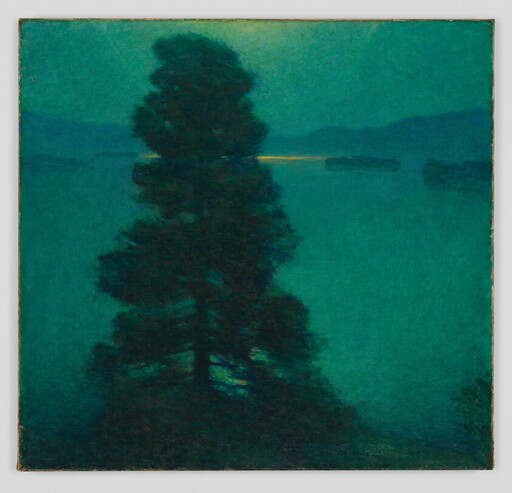
Lake George
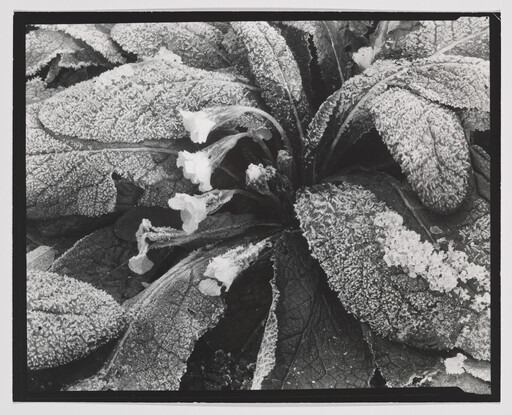
Untitled (flower)
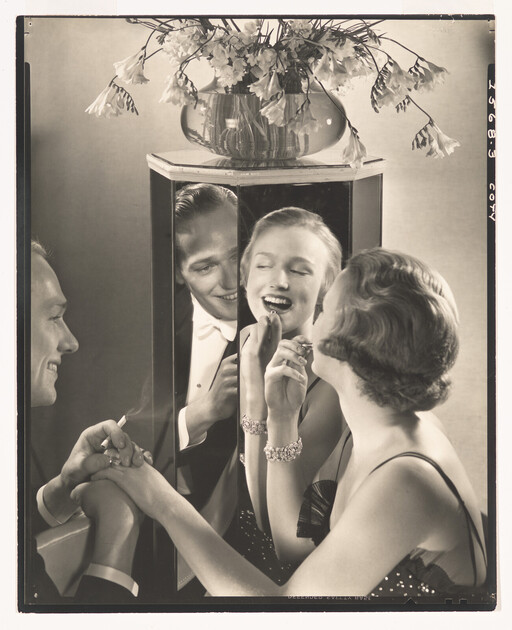
Ad for Coty Lipstick
Advertisement for Gorham Silver
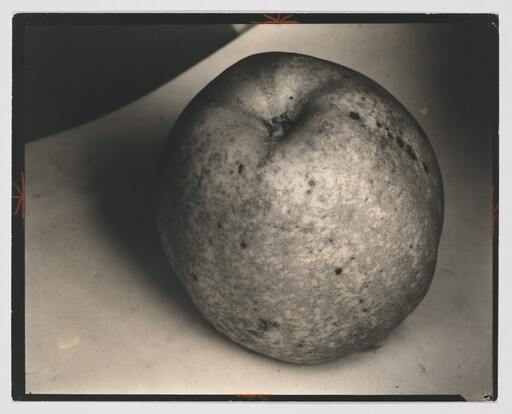
An Apple, a Boulder, a Mountain, France
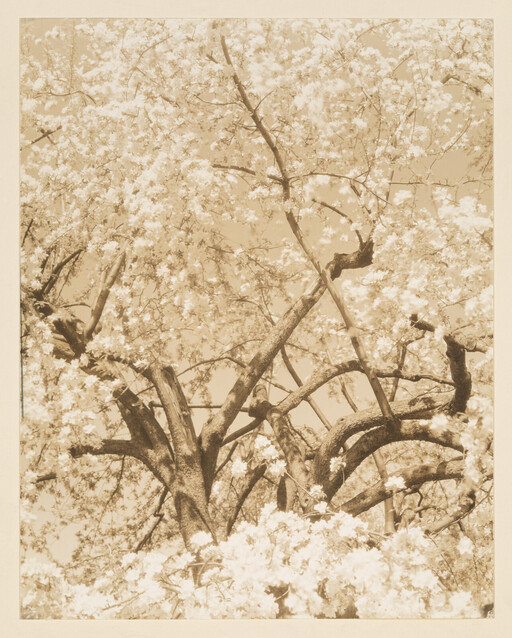
Apple Blossoms
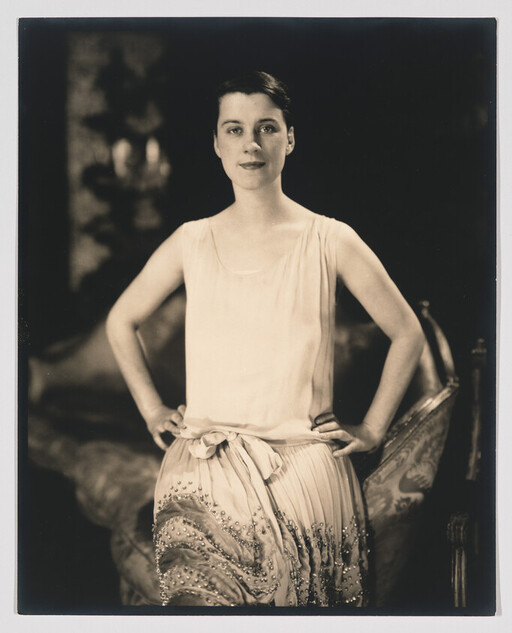
Beatrice Lillie
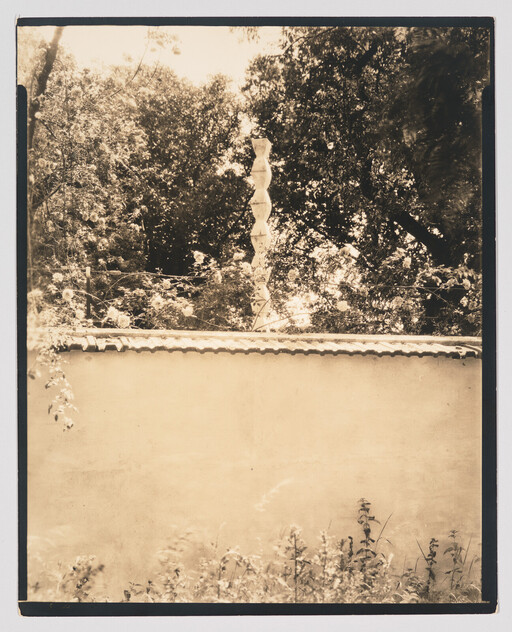
Brancusi, Endless Column in Steichen's Garden, Voulangis, France
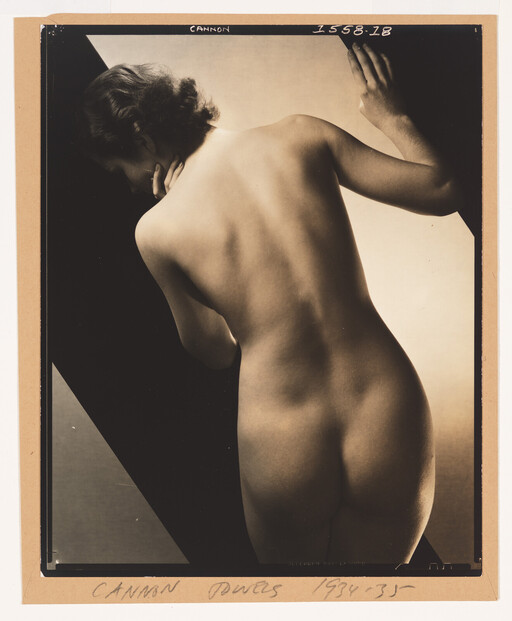
Cannon Towels, N.Y.
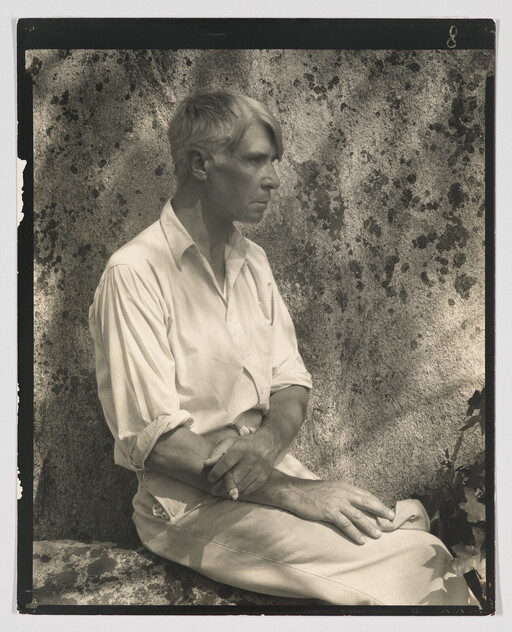
Carl Sandburg
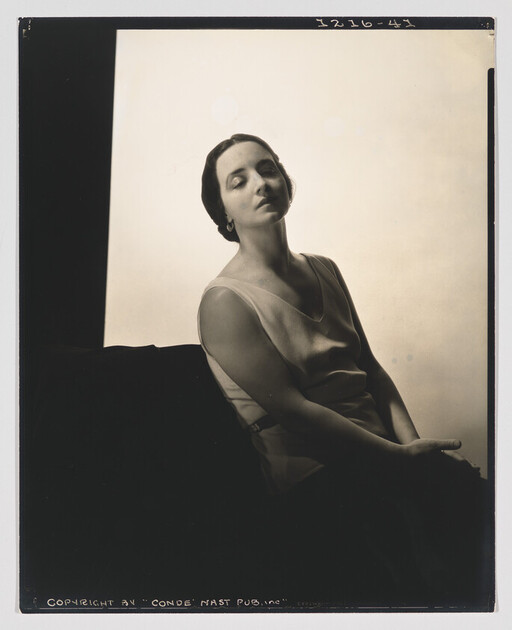
Carlotta Monterey (Mrs. Eugene O'Neill), New York
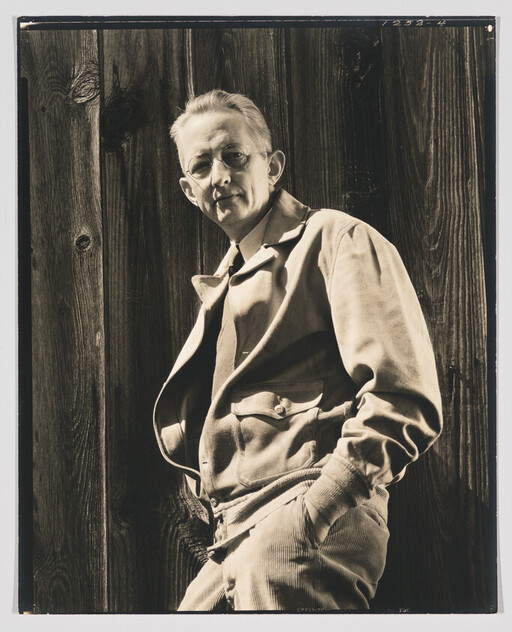
Charles Sheeler
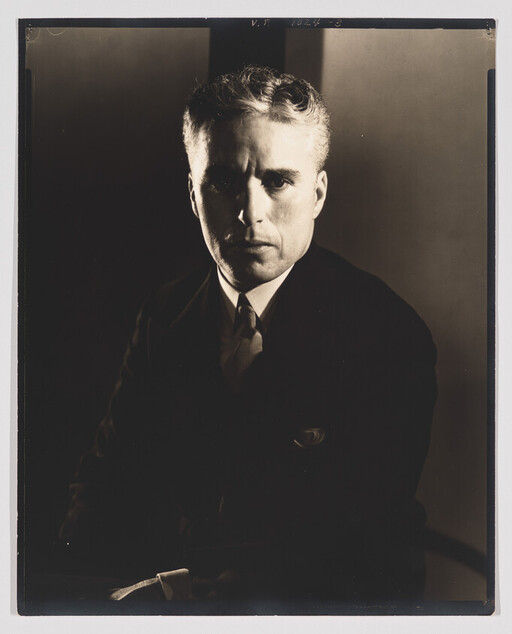
Charlie Chaplin
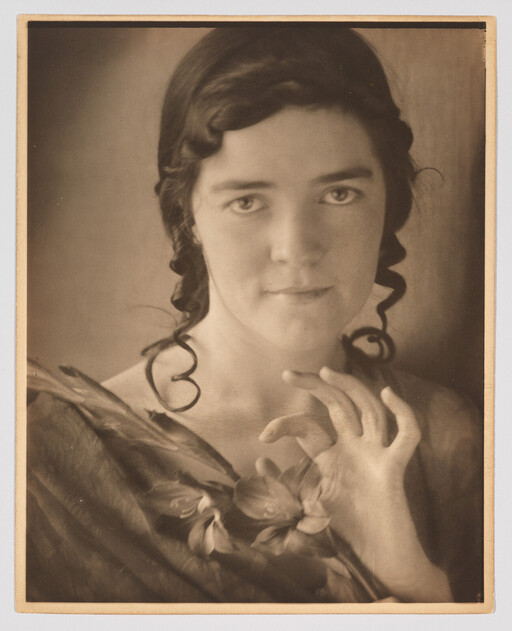
Dana Steichen
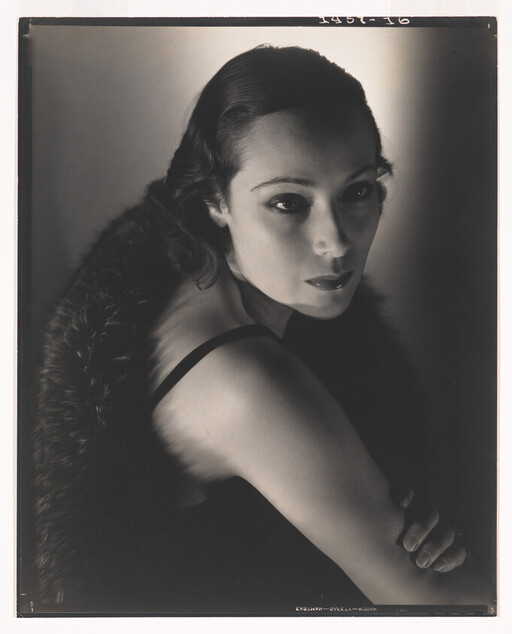
Dolores del Rio
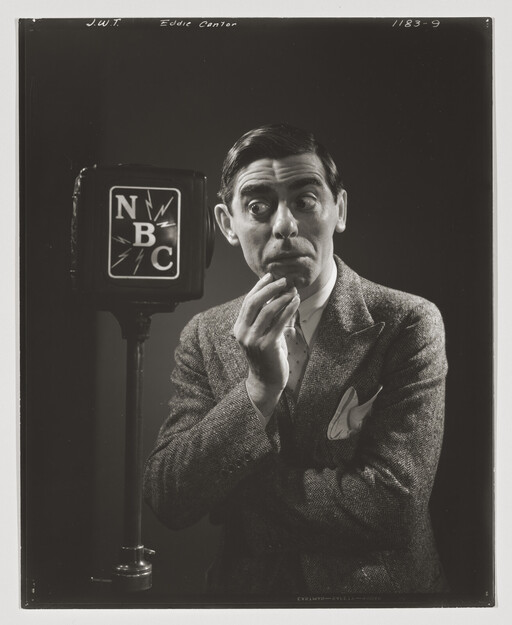
Eddie Cantor, Advertisement for NBC, J. Walter Thompson Agency
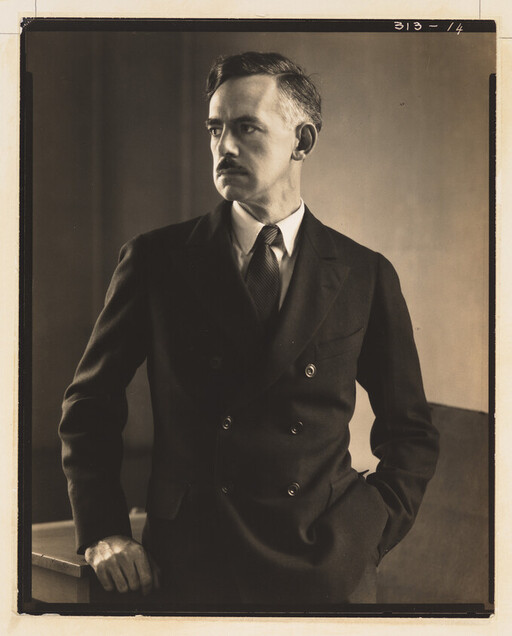
Eugene O'Neill
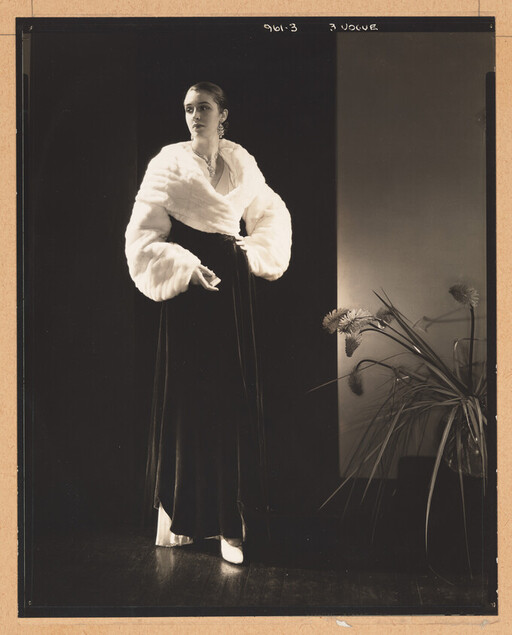
Fashion for Vogue, October 27, 1930
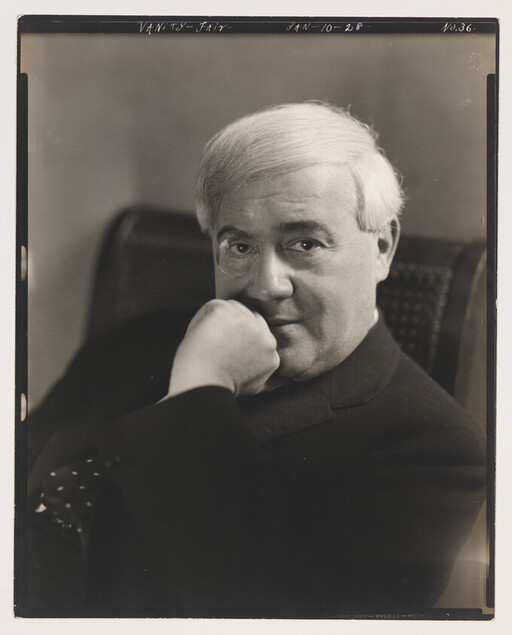
Ferene Maluar
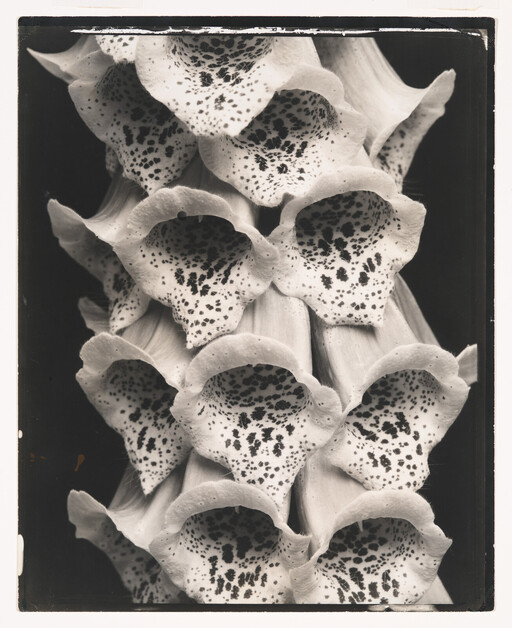
Foxgloves, France
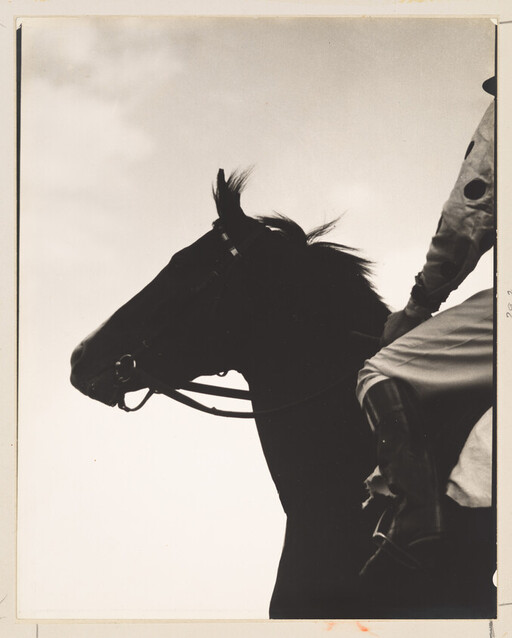
Gallant Fox for Vanity Fair
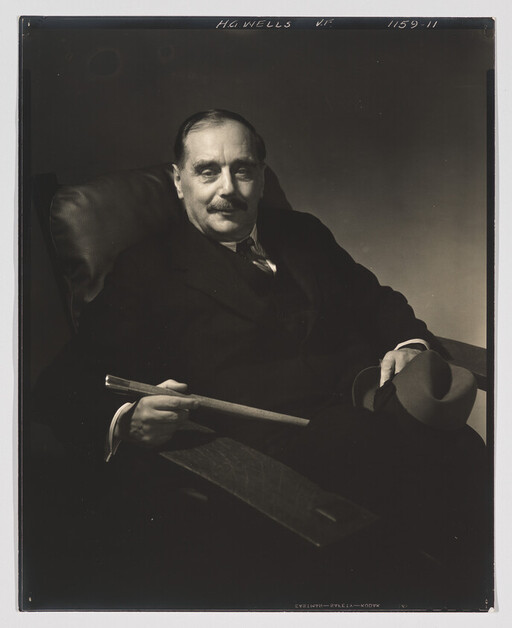
H.G. Wells
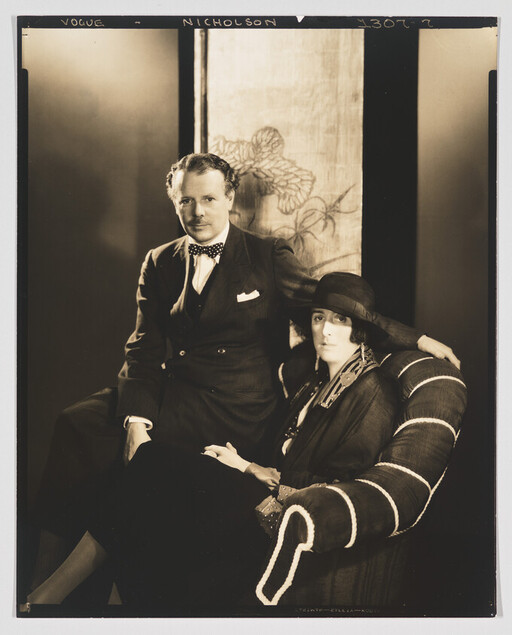
Harold Nicholson and Vita Sachville-West
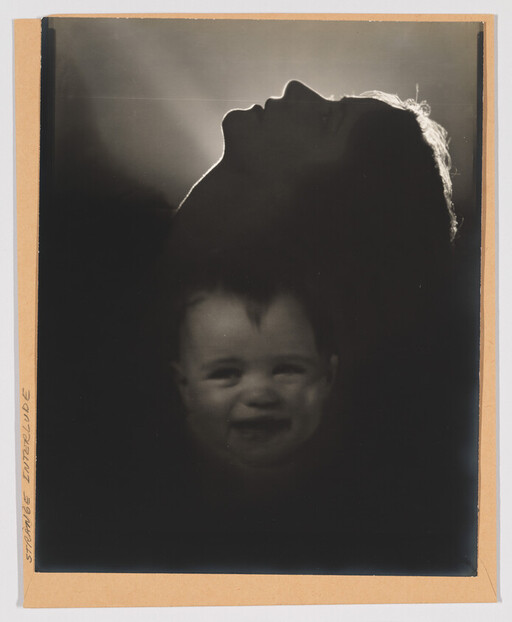
Improvisation, "Strange Interlude" with Lynn Fontaine
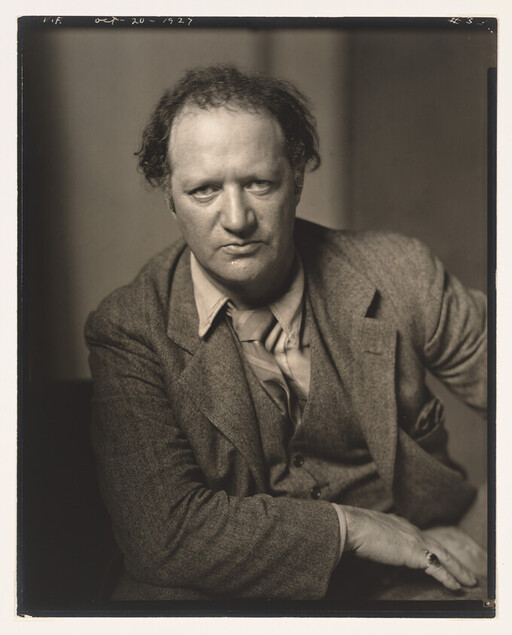
Jacob Epstein, New York
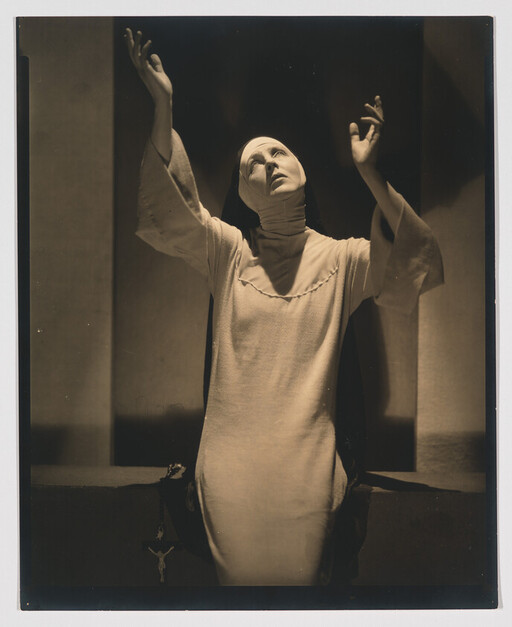
Katherine Cornell
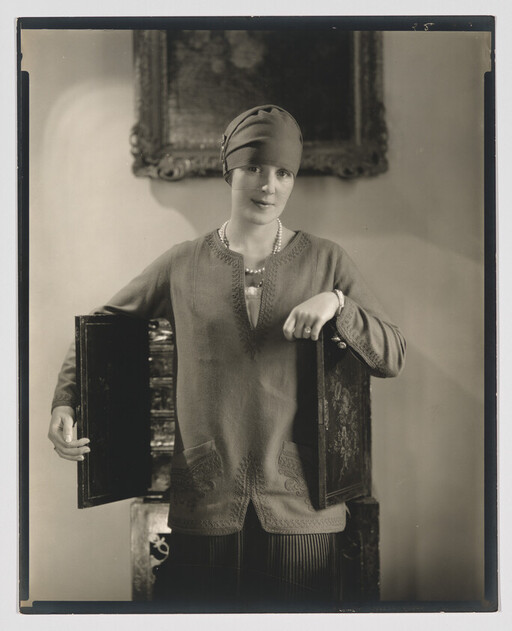
La Contesse de Polignac for Vogue
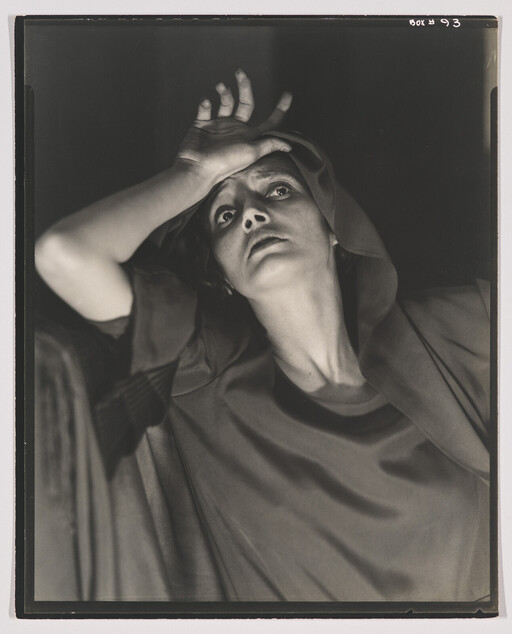
Lillian Gish in "The Green Hat," Improvisation, New York
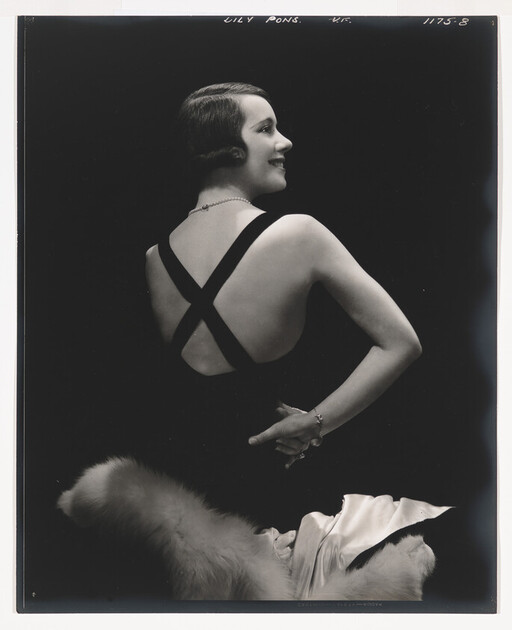
Lily Pons
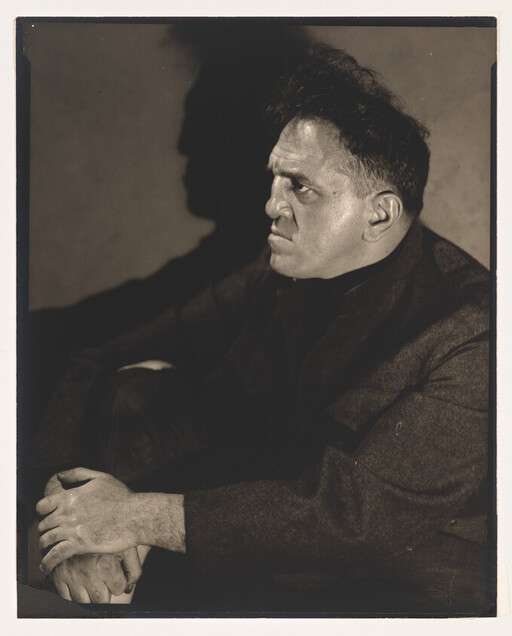
Louis Wolheim in "What Price Glory?" for Vanity Fair
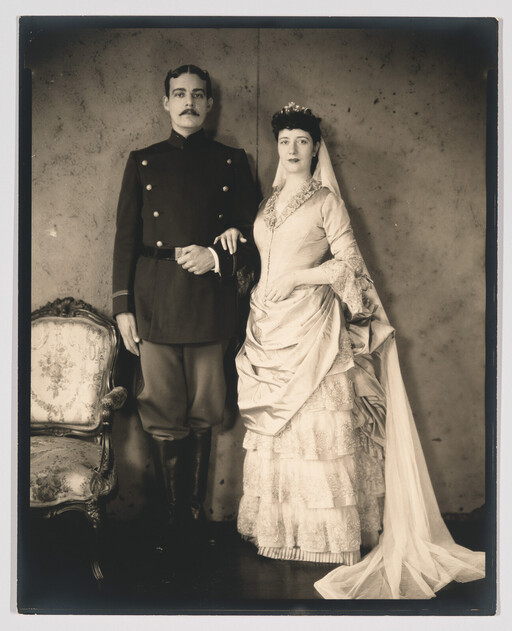
Lunt and Fontanne
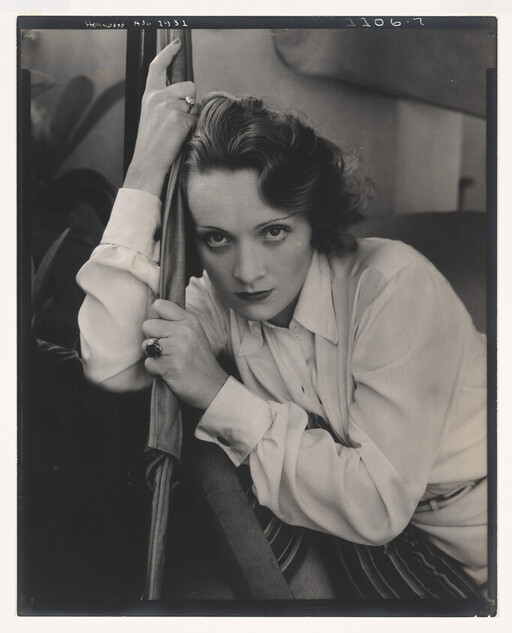
Marlene Dietrich
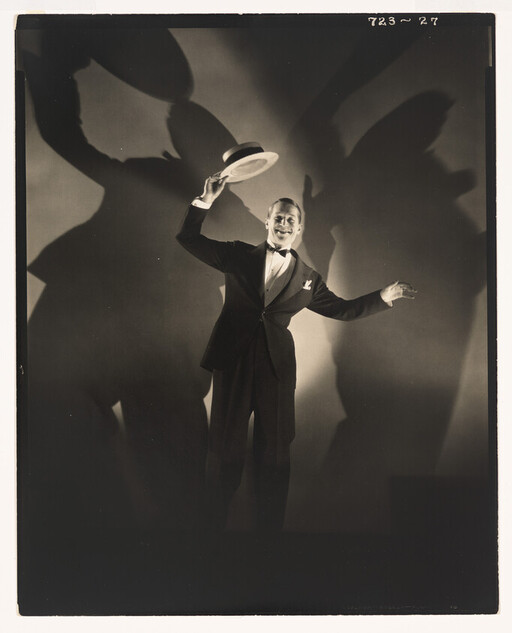
Maurice Chevalier Does a Song and Dance, New York
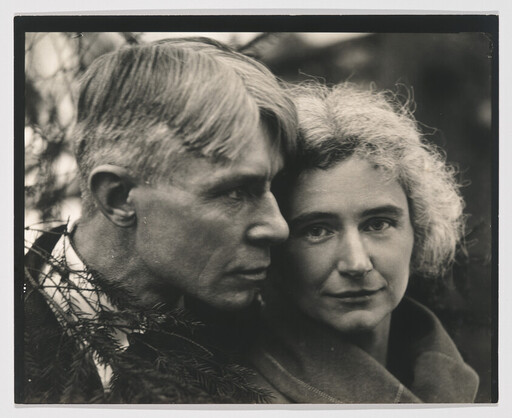
Mr. and Mrs. Sandburg, Elmhurst, Illinois (Vanity Fair)
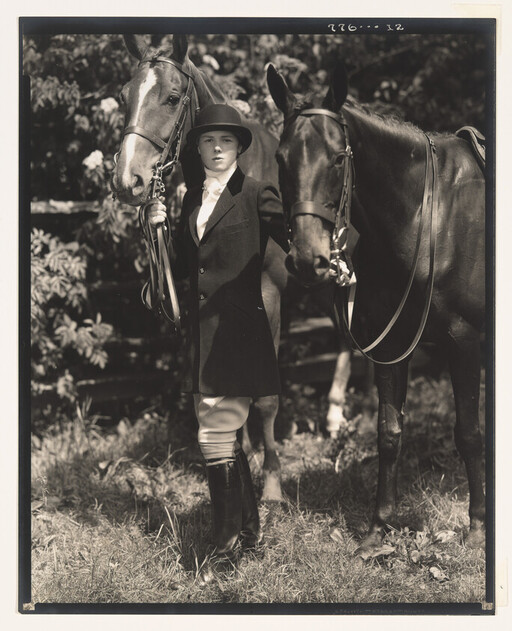
Mrs. H.E. Talbot, Westbury, Long Island (Vogue)
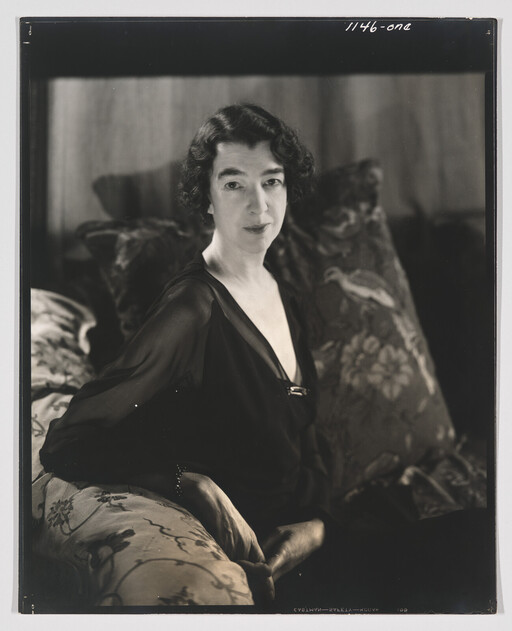
Mrs. Harry Payne Whitney for "Vanity Fair"
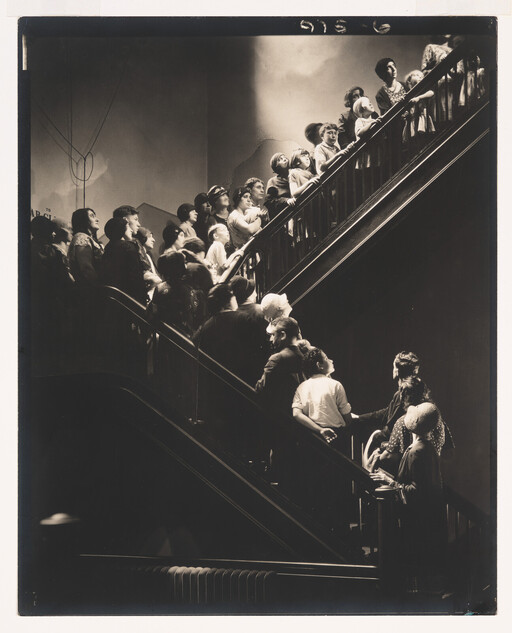
On the Clinic Stairs
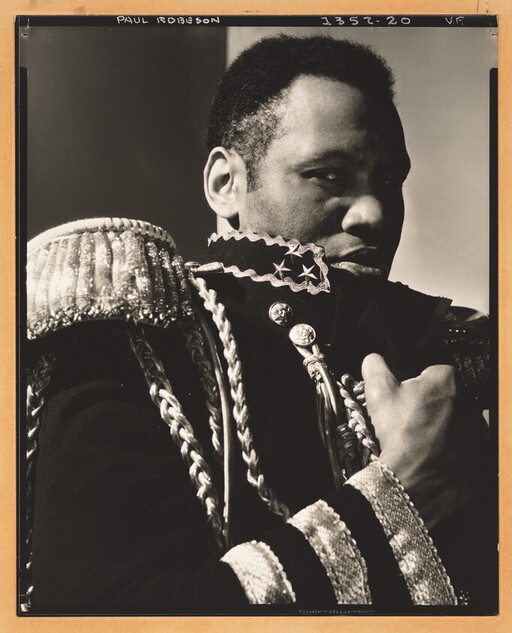
Paul Robeson as the Emperor Jones
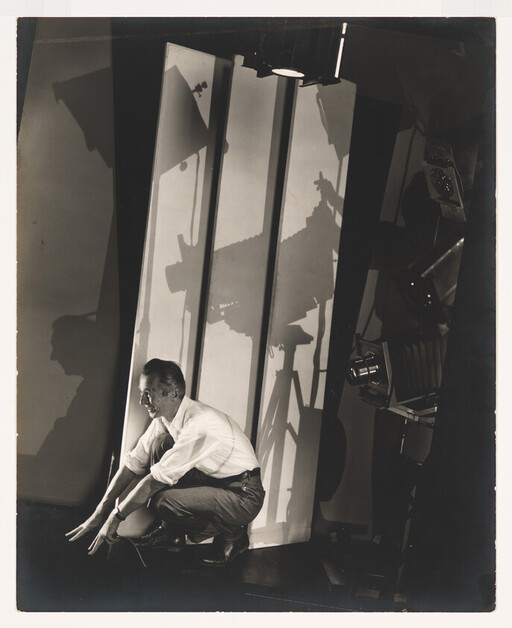
Self-Portrait with Photographer's Paraphenalia
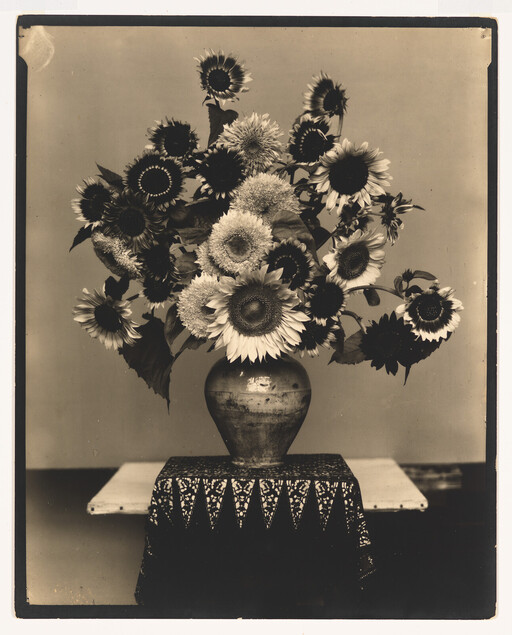
Sunflower
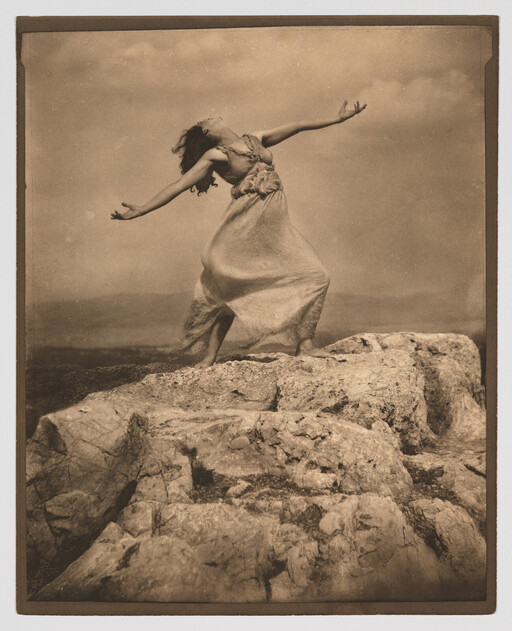
Therese Duncan on the Acropolis
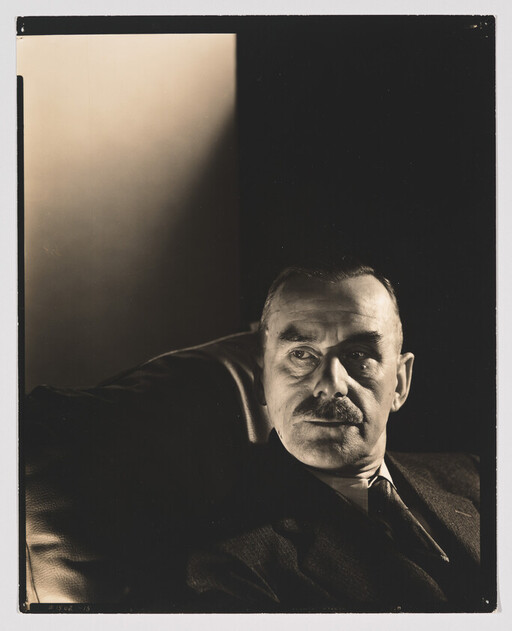
Thomas Mann, New York
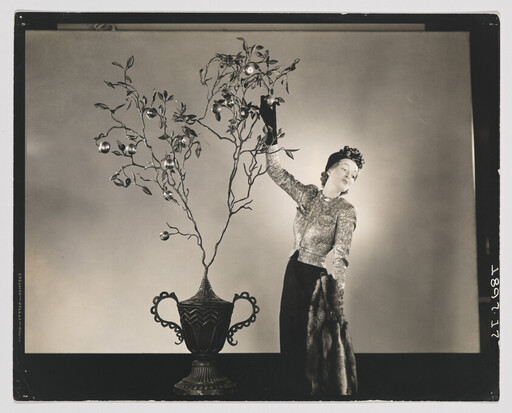
Vogue Fashion
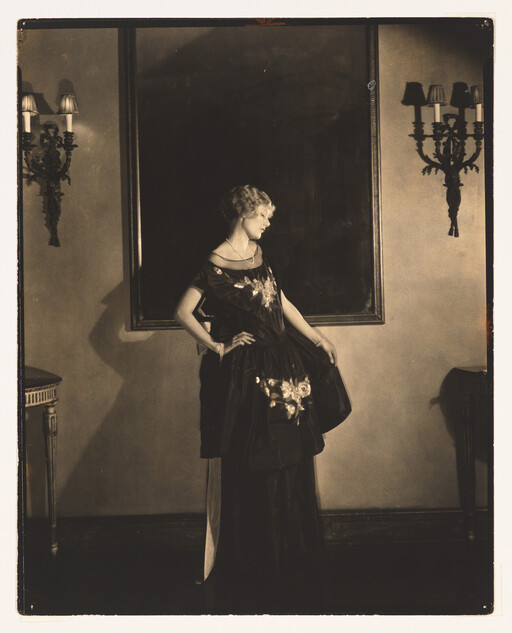
Vogue Fashion: Evening Gowns and Wrap
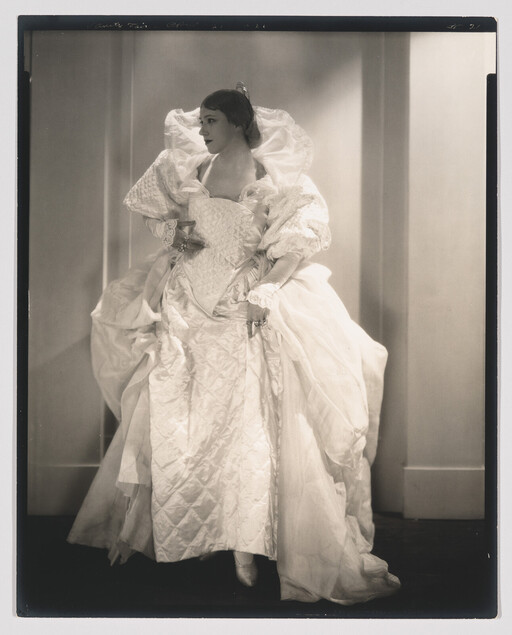
Vogue
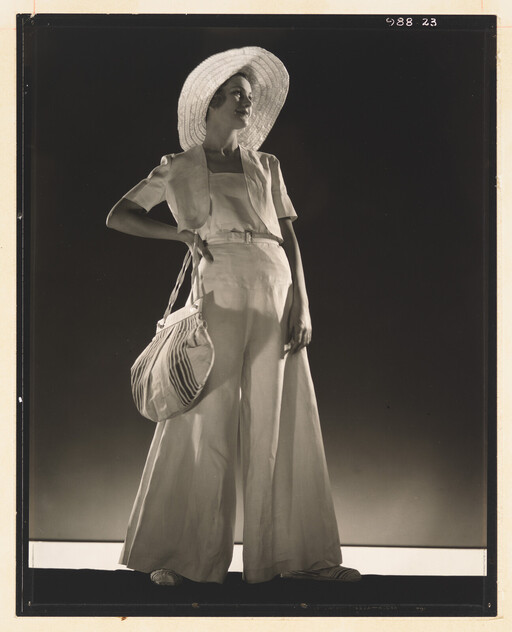
Vogue
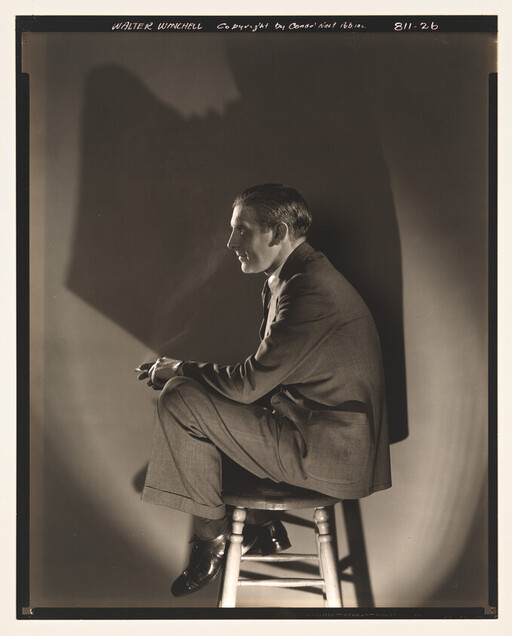
Walter Winchell
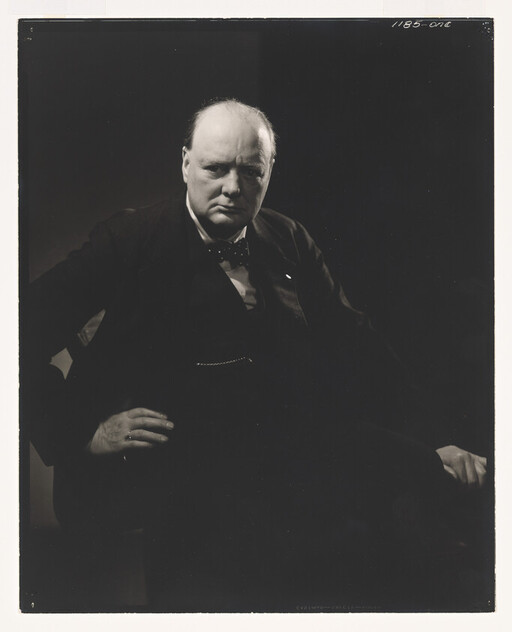
Winston Churchill, New York
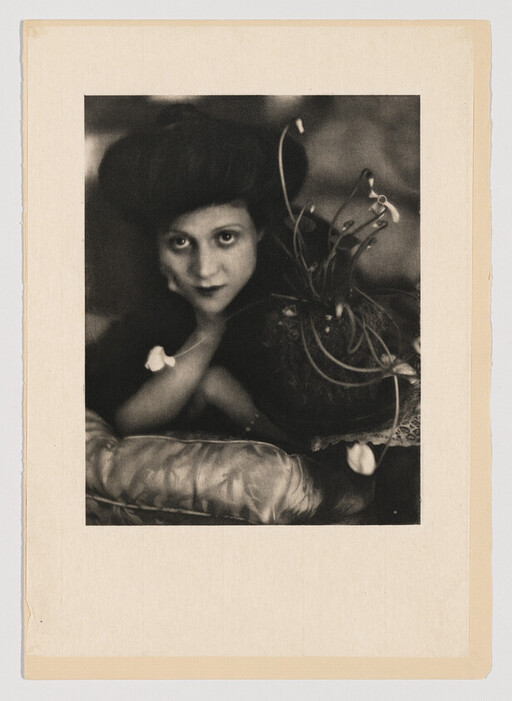
Cyclamen--Mrs. Philip Lydig
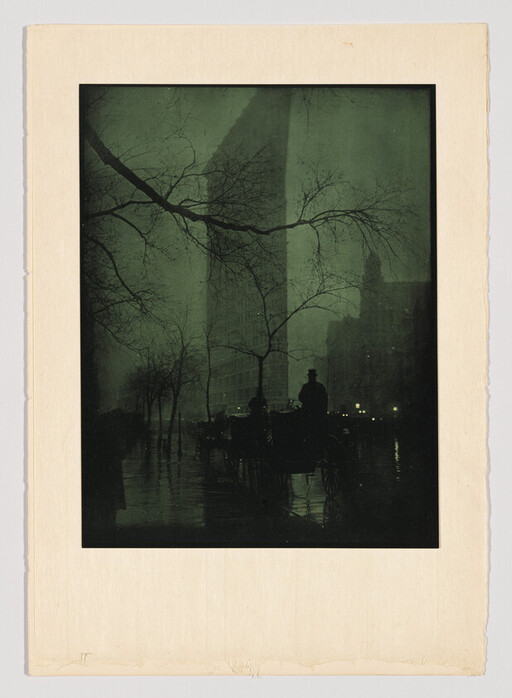
The Flatiron - Evening
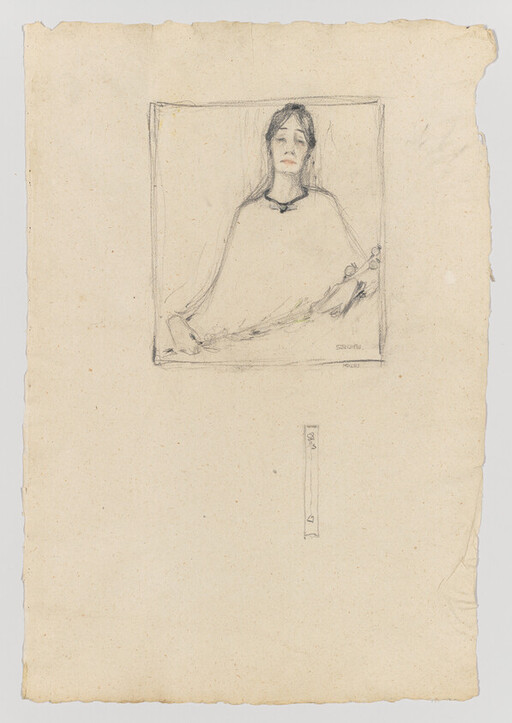
Woman with Flowers
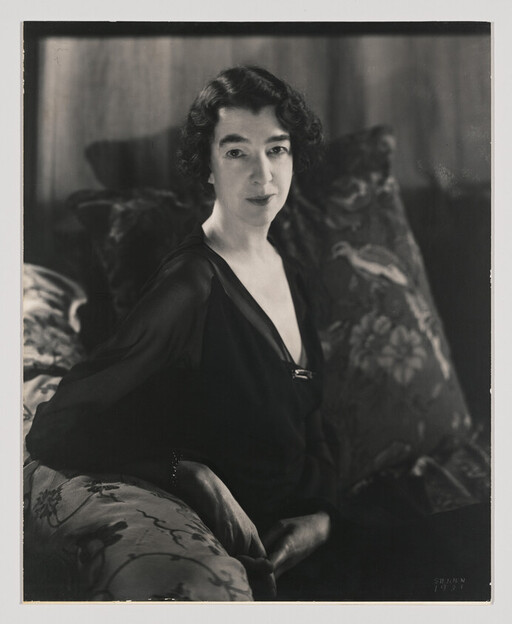
Portrait of Gertrude Vanderbilt Whitney

Night Landscape
Shoes
Exhibitions at the Whitney
- Where We Are: Selections from the Whitney’s Collection, 1900–1960 2017-04-28 – 2019-06-02
- Human Interest: Portraits from the Whitney’s Collection 2016-04-02 – 2017-04-02
- America Is Hard to See 2015-05-01 – 2015-09-27
- Edward Steichen in the 1920s and 1930s: A Recent Acquisition 2013-12-06 – 2014-02-23
- Modern Life: Edward Hopper and His Time 2010-10-28 – 2011-04-10
- Edward Steichen 2000-10-05 – 2001-02-04