Artist Biennial
David Wojnarowicz
1954–1992
Biography
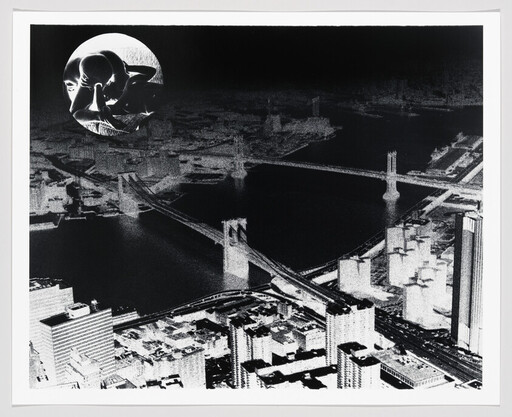
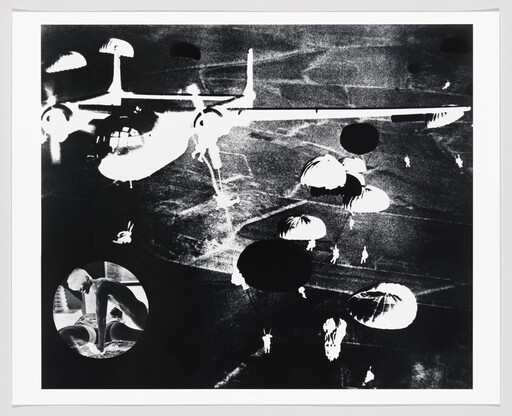
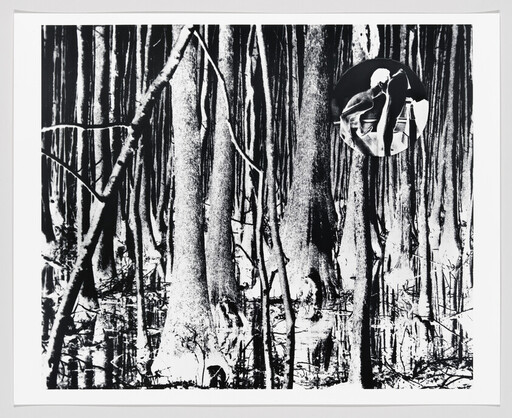
In an artistic practice spanning photography, painting, collage, sculpture, film, and writing, David Wojnarowicz distilled his moral fury into a powerful weapon amid the political and social turbulence of the 1980s—addressing in particular the devastation of the AIDS epidemic, homophobic politicians and policy, and the institutionalized apathy and loss of spirituality he saw in American society. His work was shaped and propelled by the violence and marginalization he had experienced: as a child, growing up in suburban New Jersey with an abusive, alcoholic father; as a teenager hustling on New York’s streets; and, later, as a gay man living with (and eventually dying from) AIDS. He emerged in the early 1980s as a leading figure of the loosely defined East Village scene of galleries, clubs, and alternative art spaces, and collaborated widely with his peers, including Kiki Smith and Peter Hujar, who was Wojnarowicz’s close friend and mentor until Hujar’s death in 1987.
In paintings and sculptures from the mid-1980s Wojnarowicz developed a visual language built upon the principle of collage, using found posters and images, maps, stencils, and paint to build up layered, often cacophonous surfaces. Fear of Monkeys/Evolution combines imagery drawn from an intricate, personal web of symbols to which he would frequently return: a monkey (symbol of the possible origin of the HIV virus), a clock face without hands (a reference to mortality and the loss of time), and sperm shapes cut out from a map (signifying desire, reproduction, and/or contagion), among other elements arranged across torn sheets of music. Often recalling states of reverie or dreaming, his paintings present an anxious, teeming vision, “like fragmented mirrors of what I perceive to be the world.”
In the late 1980s Wojnarowicz increasingly moved away from painting and toward photography, a medium he had used since the 1970s. Untitled, a triptych of images he made of Hujar just after his death, presents vignettes of his friend and mentor’s body—a haunting document of loss, tenderness, and intimacy, and an attempt to reverse the invisibility of AIDS-related deaths. “History is made and preserved by and for particular classes of people,” he wrote. “A camera in some hands can preserve an alternate history.”
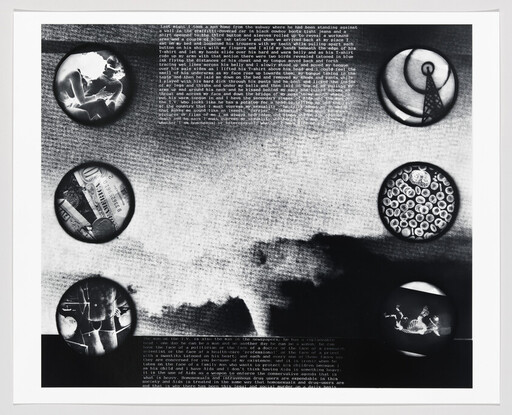
Wojnarowicz’s writings were another means of telling such alternate stories; like much of his work, they offer reflexive accounts of desire, fear, and anger, narratives of experience marked by “the sensation of being an observer of my own life as it occurs.” He often incorporated his writings into works that hinge on the relation of text and image. Untitled (One Day This Kid . . . ) relies on a concise formal economy: a grainy image of Wojnarowicz as a child, set within a text that outlines what he saw the future holding for a queer person—loss of political rights, dispossession, and abuse. An icon of activism and queer identity, the work telegraphs Wojnarowicz’s uncompromising commitment to claiming visibility within a society that had rejected him.
Dana Miller and Adam D. Weinberg, Handbook of the Collection (New York: Whitney Museum of American Art, 2015), 414–415.
Works in the collection
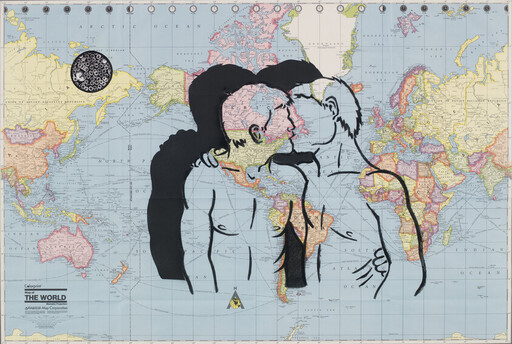
Untitled
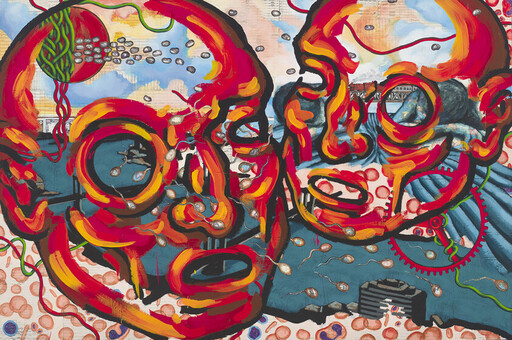
Das Reingold: New York Schism
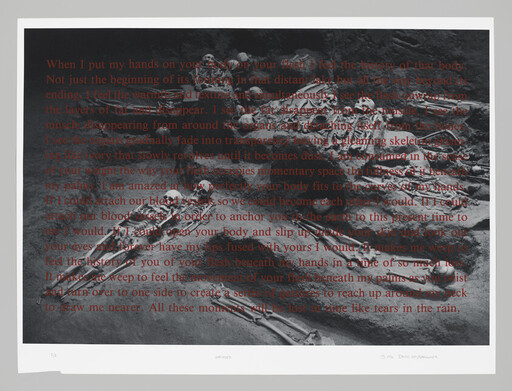
Untitled (When I Put My Hands on Your Body)
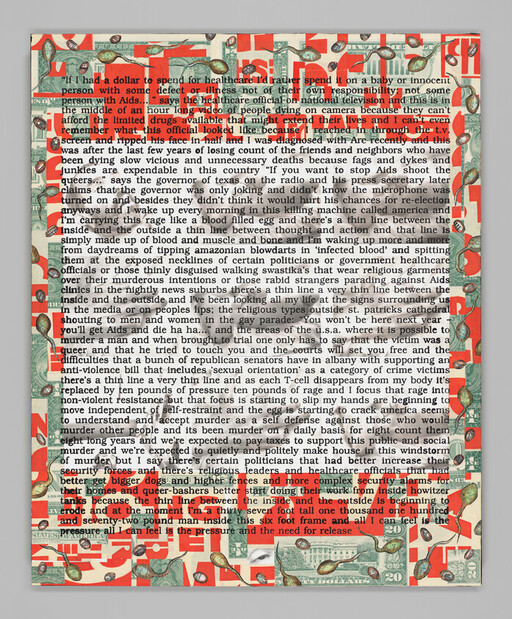
Untitled (Hujar Dead)
Your House is Mine
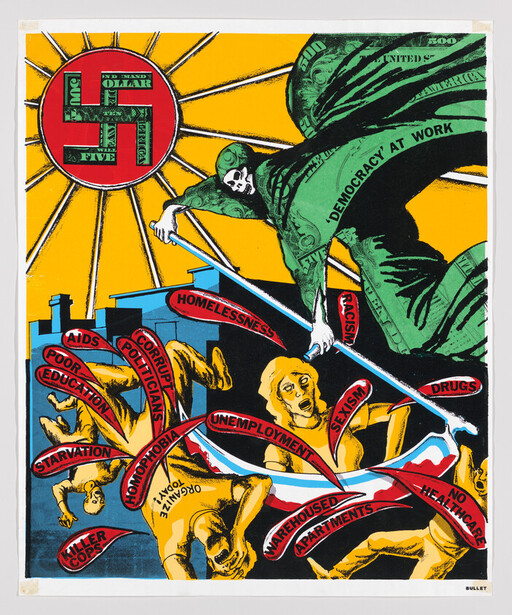
Democracy at Work
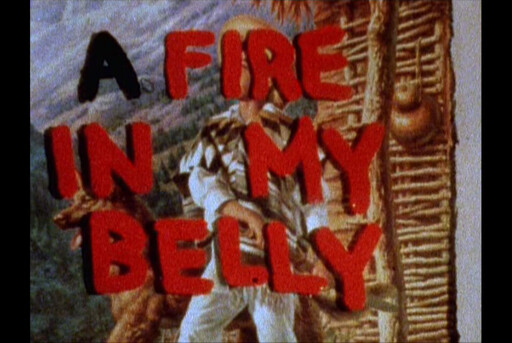
A Fire In My Belly (Film In Progress) and A Fire In My Belly (Excerpt)
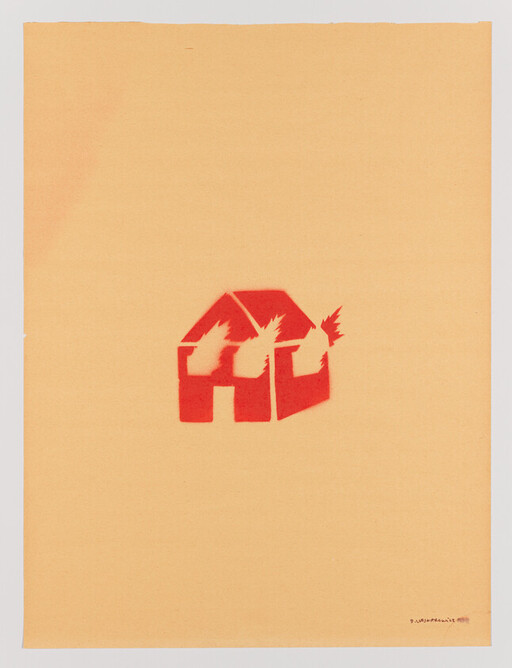
Untitled (Burning House)
Untitled (Camouflaged Plane with Red Dancer)
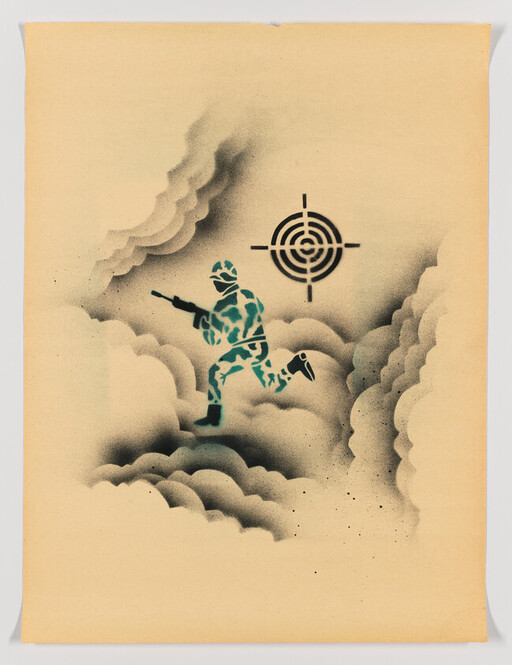
Untitled (Running Soldier in Camouflage and Gunsight)
Untitled (Burning House, Camouflaged Plane with Red Dancer, and Running Soldier in Camouflage and Gunsight)
Untitled
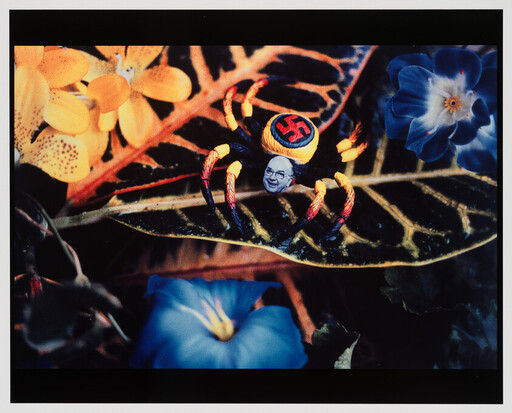
Sub-Species Helms Senatorius
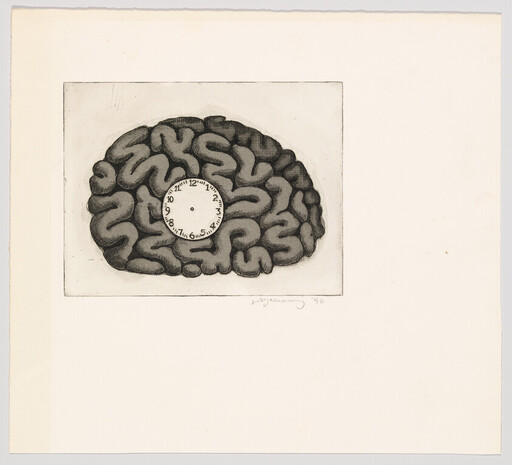
Brain-Time
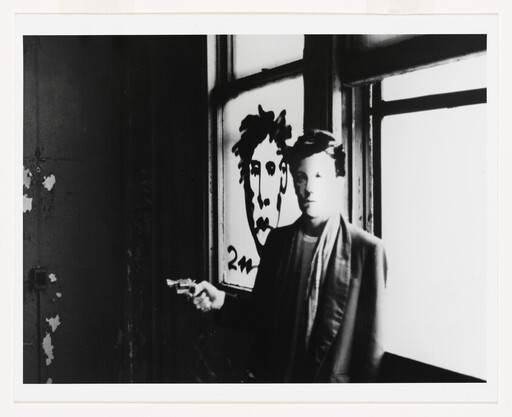
Arthur Rimbaud in New York
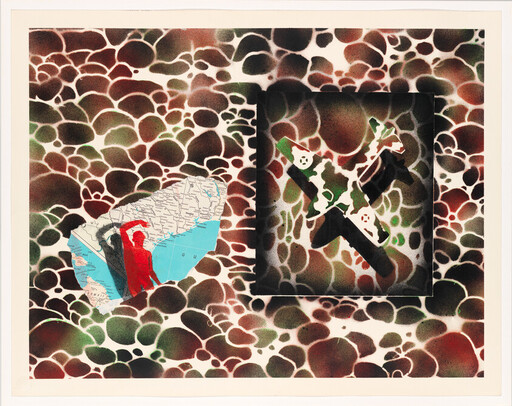
Untitled
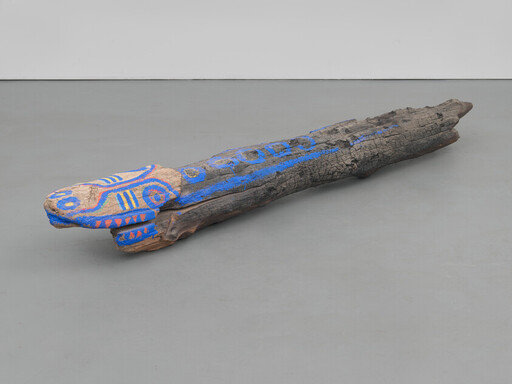
Untitled
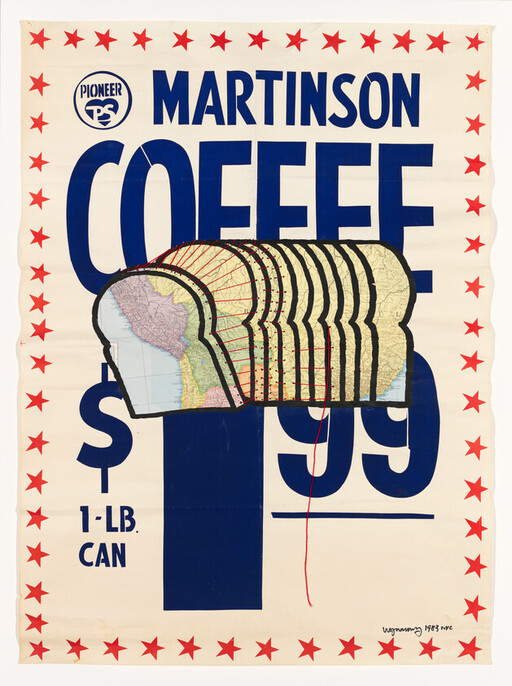
Untitled, with sliced bread and red thread [Martinson Coffee]
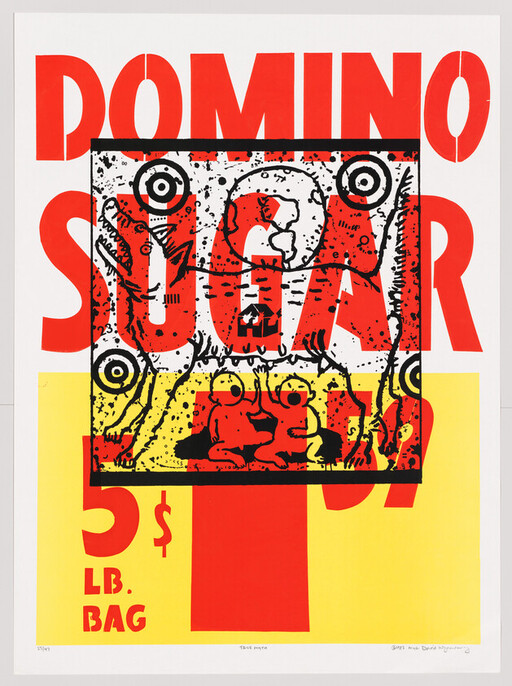
True Myth (Domino Sugar)
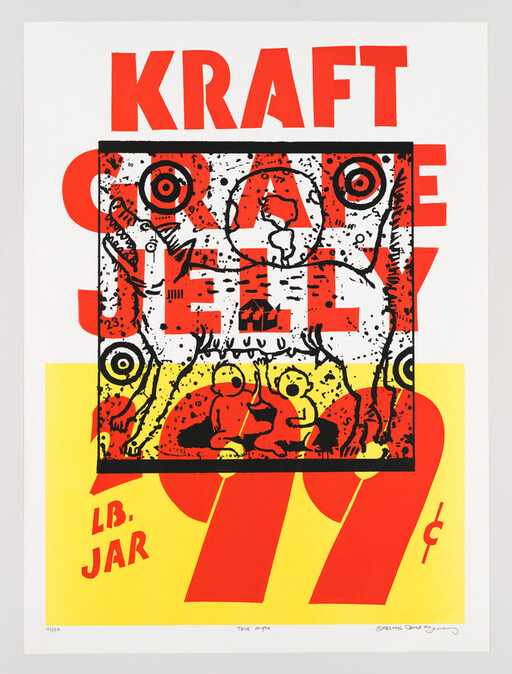
True Myth (Kraft Grape Jelly)
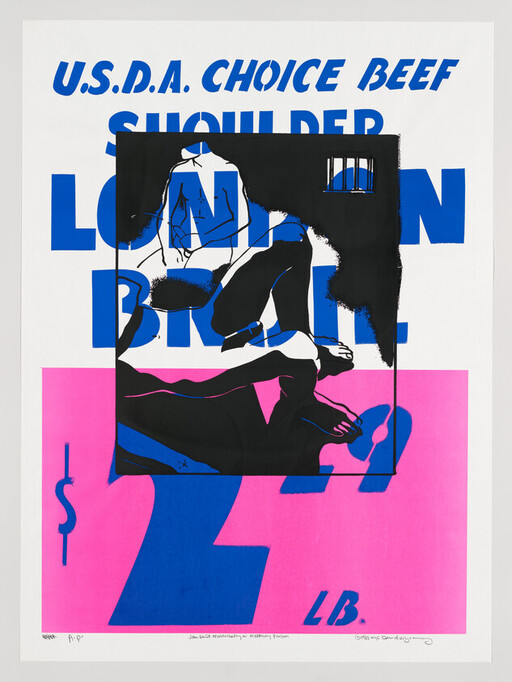
Jean Genet Masturbating in Metteray Prison (London Broil)
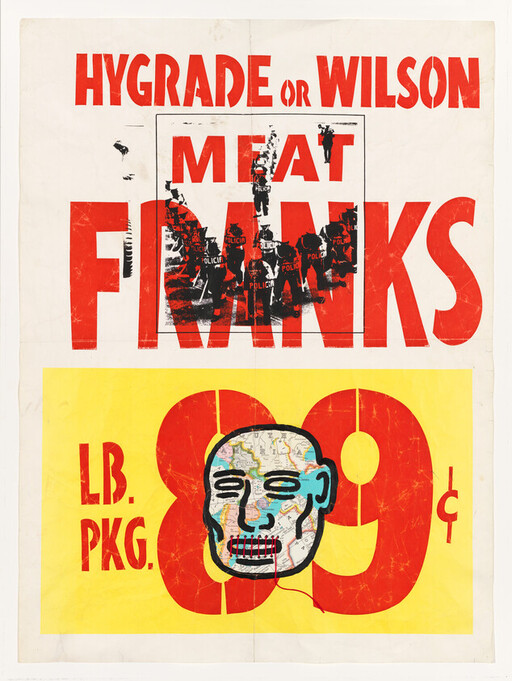
Meat Franks
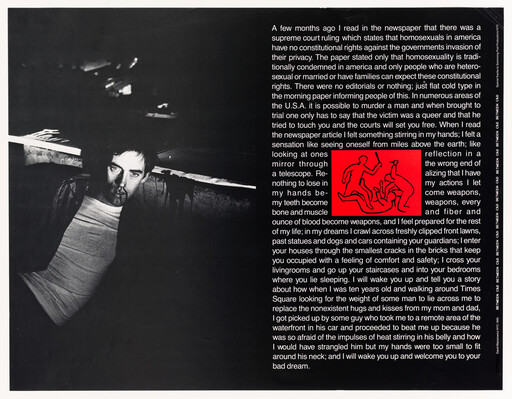
Untitled (Between C & D)
Untitled (Act-Up)
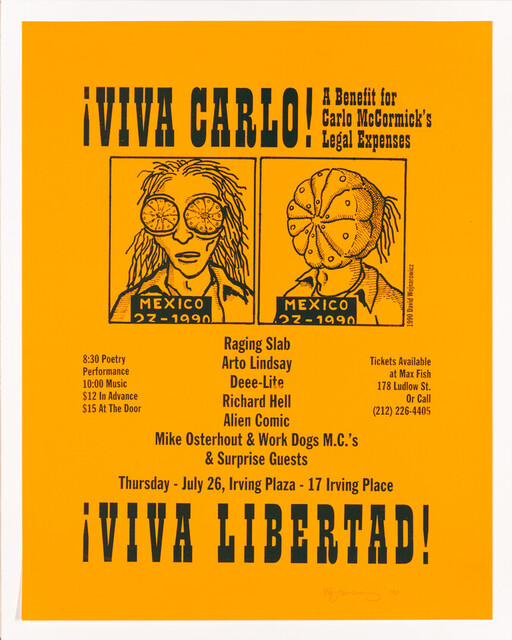
Untitled (Vivo Carlo)
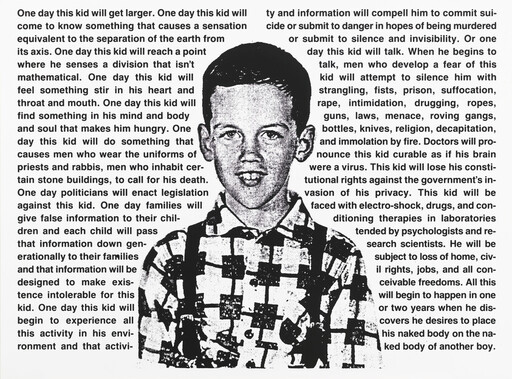
Untitled (One Day This Kid...)
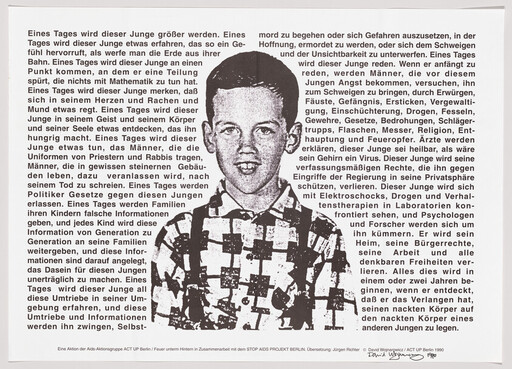
Untitled (Eines Tages...)
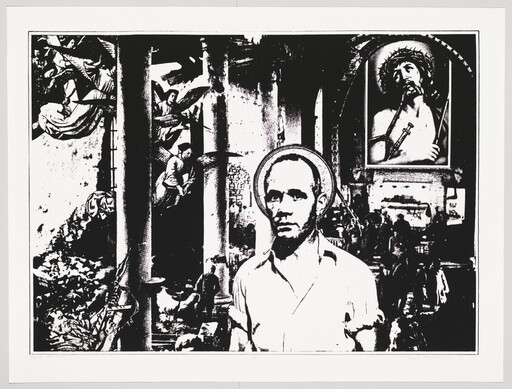
Untitled (Genet)
Four Elements: Earth & Wind/Fire & Water
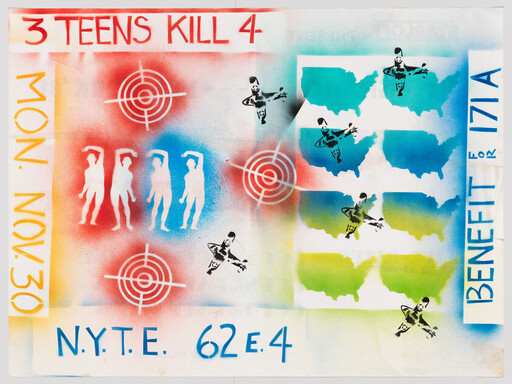
"3 Teens Kill 4" Poster
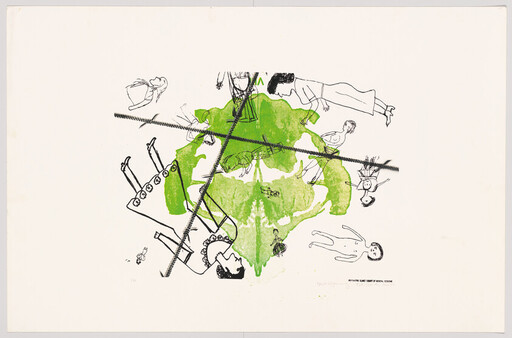
Untitled (Psychiatric Clinic: Court of General Sessions)
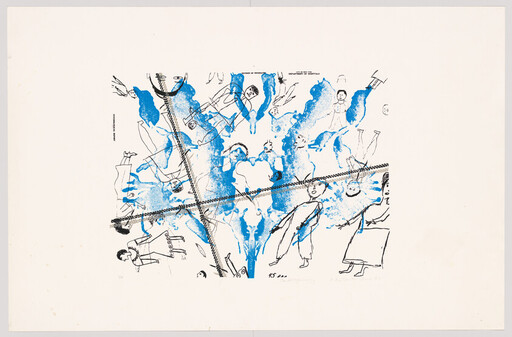
Untitled (Psychiatric Clinic: Department of Hospitals)
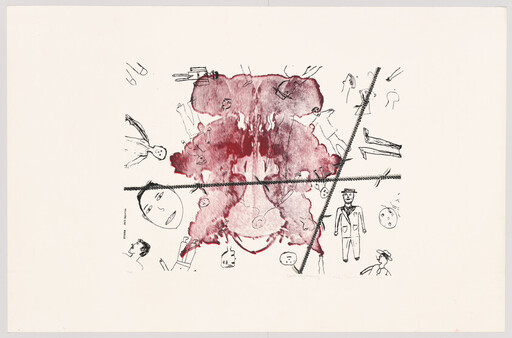
Untitled (Psychiatric Clinic)
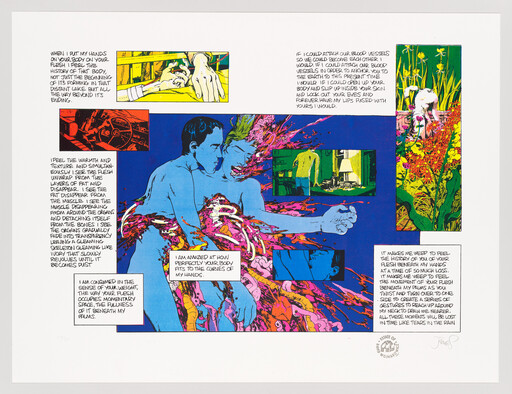
Untitled
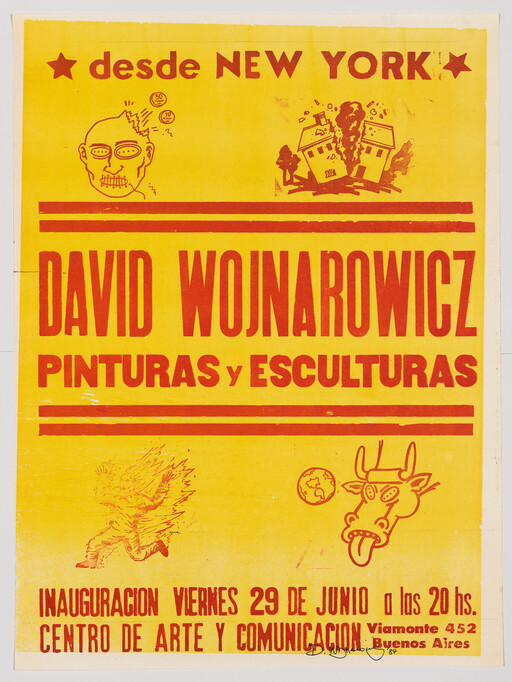
Untitled (Buenos Aires)
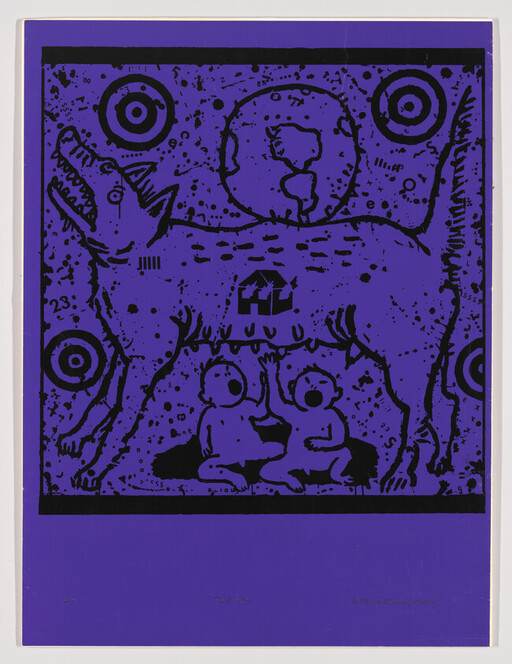
True Myth
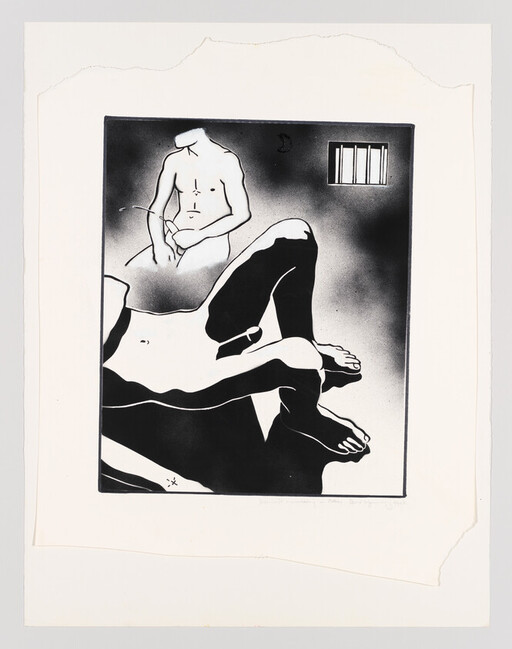
Jean Genet Masturbating in Matteray Prison
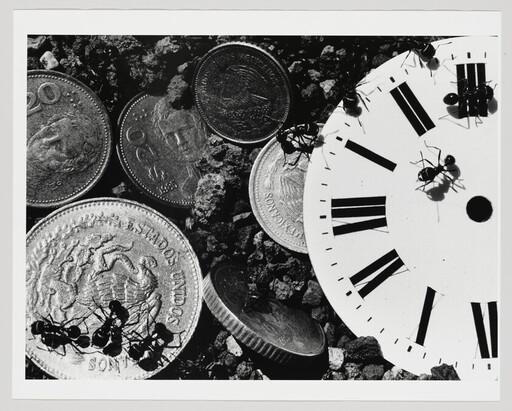
Untitled [Time/Money]
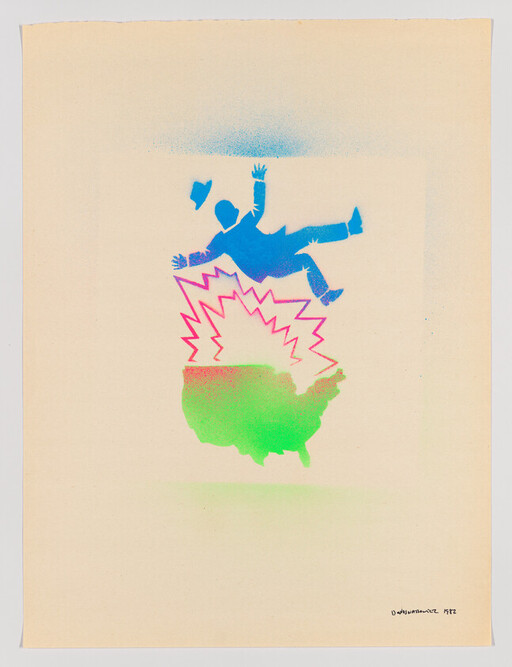
Untitled (Falling man and map of the U.S.A.)
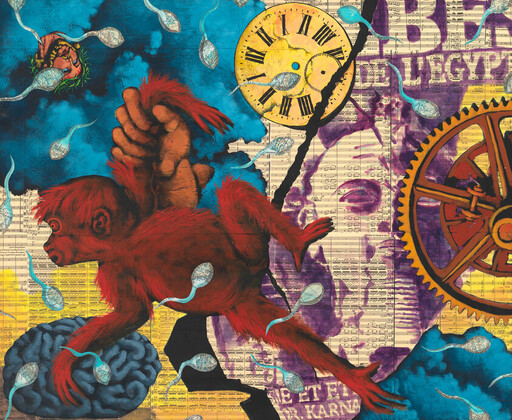
Fear of Monkeys/Evolution
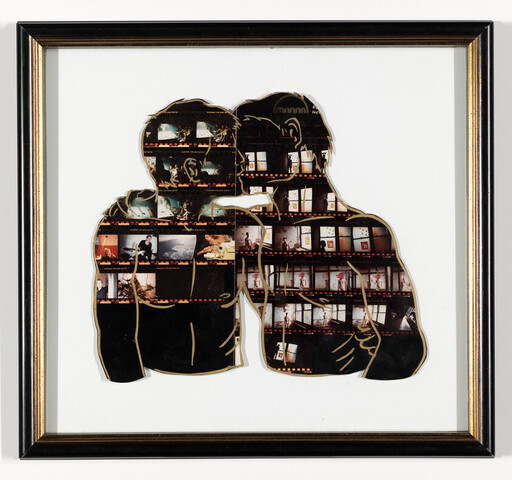
Untitled
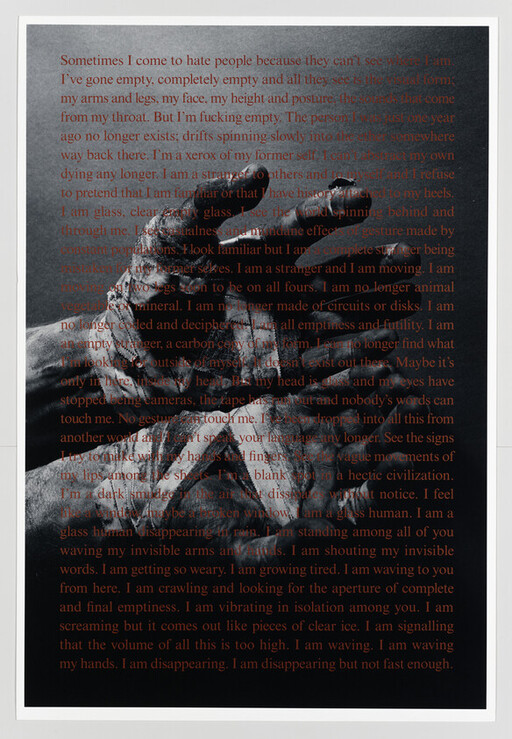
Untitled
Sex Series
Untitled
Untitled
Untitled
Untitled
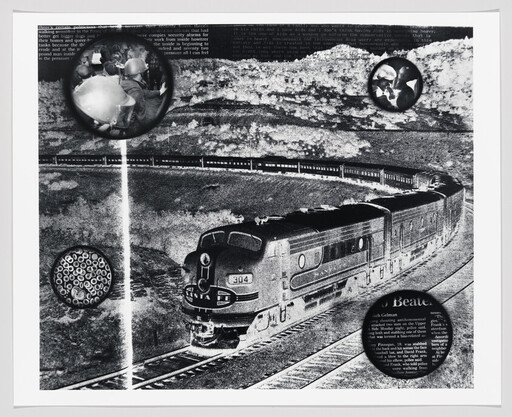
Untitled
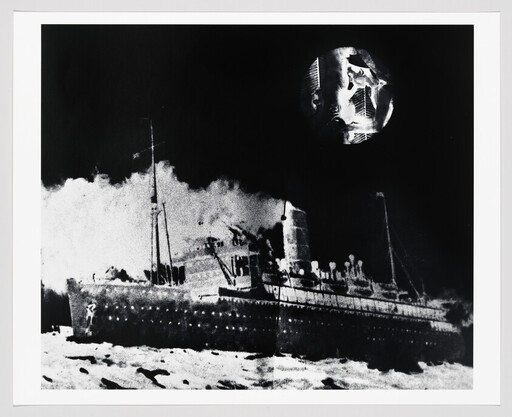
Untitled
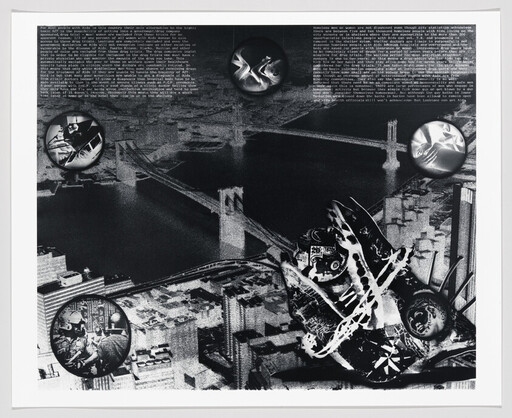
Untitled
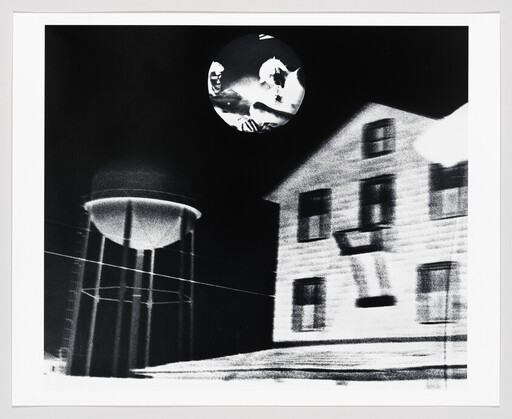
Untitled
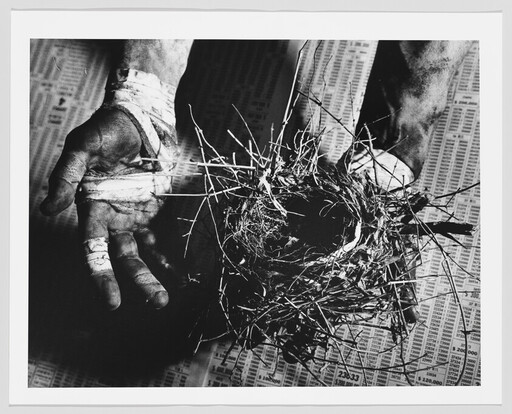
Untitled
Exhibitions at the Whitney
- Around Day’s End: Downtown New York, 1970–1986 2020-09-03 – 2020-11-01
- David Wojnarowicz: History Keeps Me Awake at Night 2018-07-13 – 2018-09-30
- An Incomplete History of Protest: Selections from the Whitney’s Collection, 1940–2017 2017-08-18 – 2018-08-27
- Fast Forward: Painting from the 1980s 2017-01-27 – 2017-05-14
- Collected by Thea Westreich Wagner and Ethan Wagner 2015-11-20 – 2016-03-06
- America Is Hard to See 2015-05-01 – 2015-09-27
- Whitney Biennial 2014 2014-03-07 – 2014-05-25
- I, YOU, WE 2013-04-25 – 2013-09-01
- Legacy: The Emily Fisher Landau Collection 2011-02-10 – 2011-05-01
- A Few Frames: Photography and the Contact Sheet 2009-09-25 – 2010-01-03
- Two Years 2007-10-17 – 2008-02-17
- Full House: Views of the Whitney’s Collection at 75 2006-06-29 – 2006-09-03
- Down by Law 2006-01-21 – 2006-05-21
- Skin is a Language 2006-01-12 – 2006-05-21
- Set Up: Recent Acquisitions in Photography 2005-03-05 – 2005-06-26
- New Additions: Prints for an American Museum Part I 2003-10-31 – 2004-01-25
- Visions from America: Photographs from the Whitney Museum of American Art, 1940–2001 2002-06-26 – 2002-09-22
- From the Collection: Photography, Sculpture and Painting 1994-07-14 – 1995-02-26
- Whitney Biennial 1991 1991-04-02 – 1991-06-30
- Whitney Biennial 1985 1985-03-13 – 1985-06-09