Artist Biennial
Kiki Smith
1954–
Biography
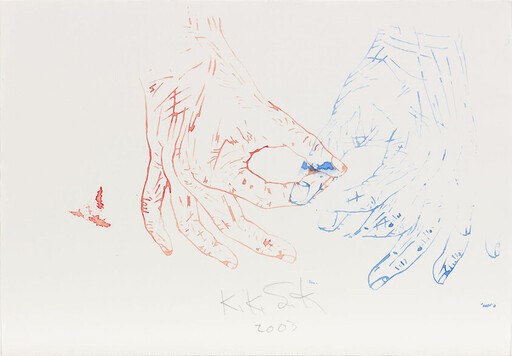
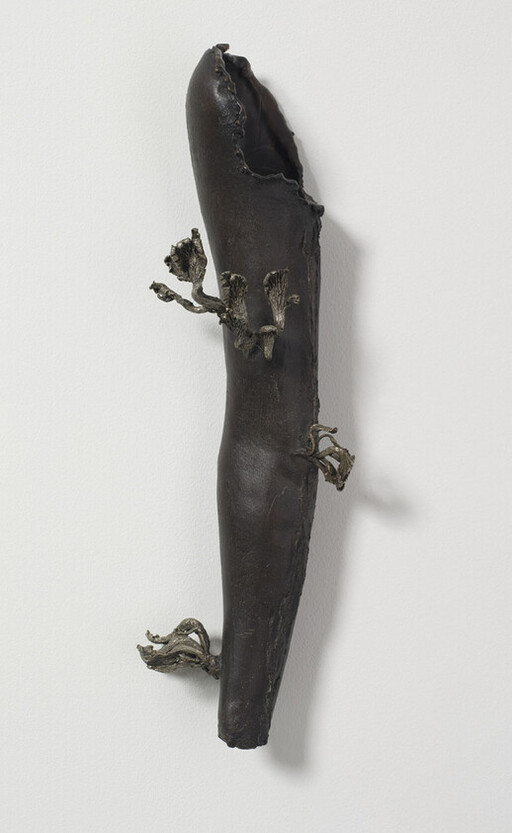
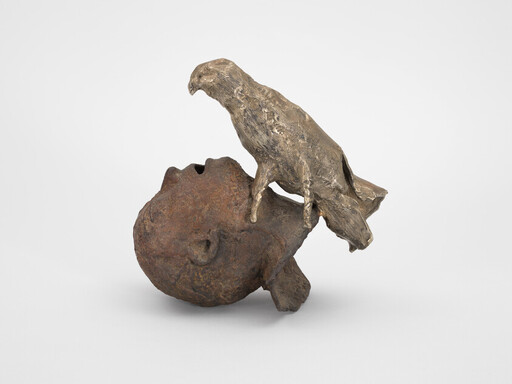
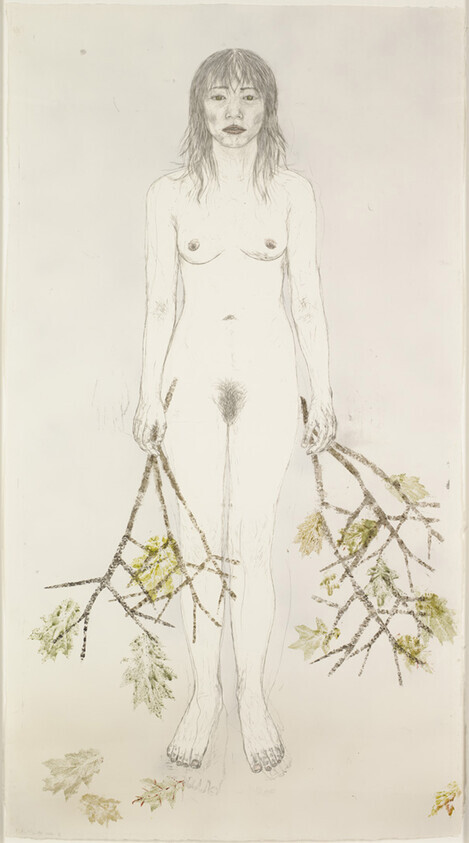
Since the 1980s Kiki Smith has focused her art on the human body, creating transgressive, often disturbing works that deal with themes related to the life cycle—reproduction, decay, mortality, and regeneration—as well as the role of women in society. Smith’s work often aims to undermine customary modes of perceiving the human body. As she remarked, “Most of the functions of the body are hidden or separated from society; . . . we separate our bodies from our lives.” In her hand-wrought sculptures Smith explores corporeal textures and functions using nontraditional materials such as hair, latex, beeswax, glass, and porcelain. Untitled, one of Smith’s earliest large-scale wax sculptures, consists of two life-sized figures, a man and a woman, suspended from metal poles as though exhibited in a natural history museum or other site of public display. Although life-giving secretions—milk and semen—drip from the woman and man, respectively, the two figures hang lifelessly, the areas of red-tinted wax gruesomely visible beneath the outer layers of their skin suggesting internal damage or dissolution.
Often, Smith fuses her interest in the body with themes drawn from the Bible and ancient mythology, as in Pieta. This drawing, a self-portrait of the artist holding her deceased cat Ginzer, is based on Christian depictions of the grieving Virgin Mary cradling the dead Christ in her arms—a subject known as the pietà, from the Italian word for pity or devotion. Here, Smith uses the familiar art-historical representation to memorialize her own grief and experience of loss. The delicate, slightly crinkled Nepalese paper on which the drawing is rendered emphasizes the fragility of life and the intimate bond between the artist and her beloved pet.
Works in the collection
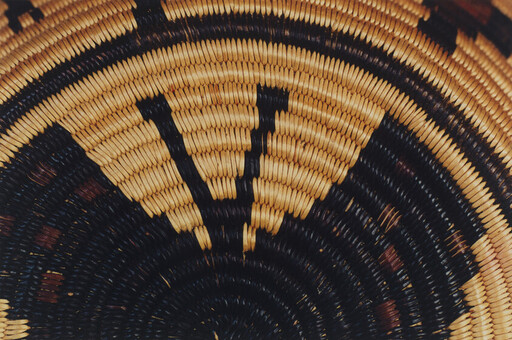
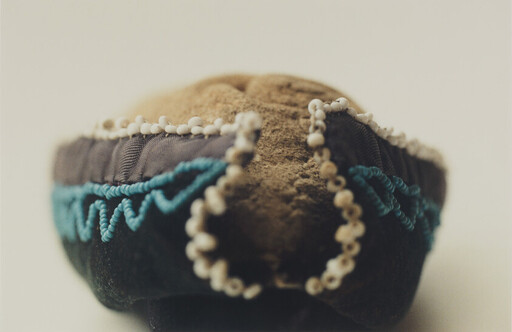
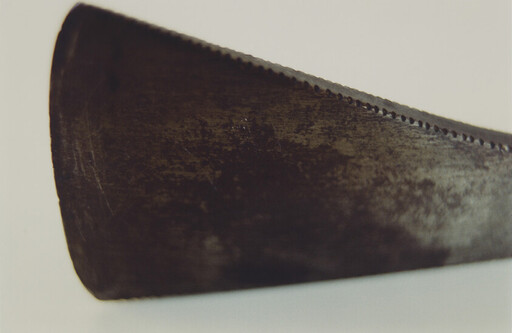
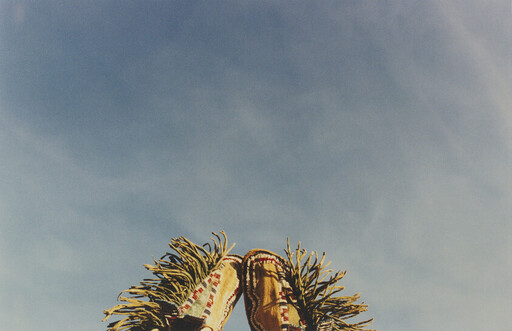
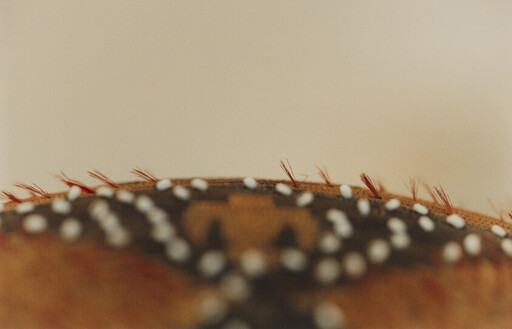
A Looking at Native American Beadwork and Baskets from the Collection of Charles and Valerie Diker
Untitled
Arm with Mushrooms
Head with Bird I (Side)
Untitled II
Untitled
Untitled
Untitled
Untitled
Untitled
Untitled
Untitled
Untitled
Untitled
Untitled
Untitled
Untitled
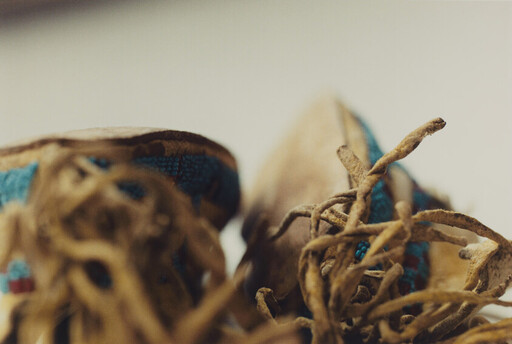
Untitled
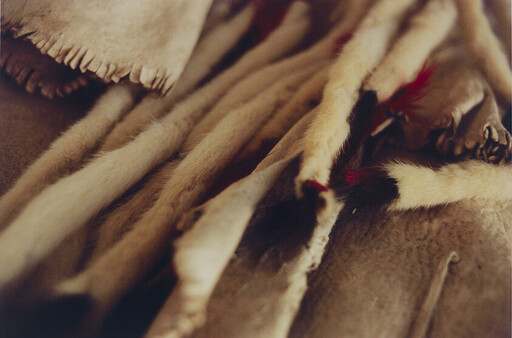
Untitled
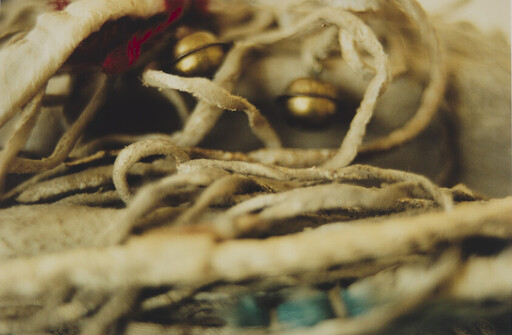
Untitled
Untitled
Untitled
Untitled
Untitled
Untitled
Untitled
Untitled
Untitled
Untitled
Untitled
Untitled
Untitled
Untitled
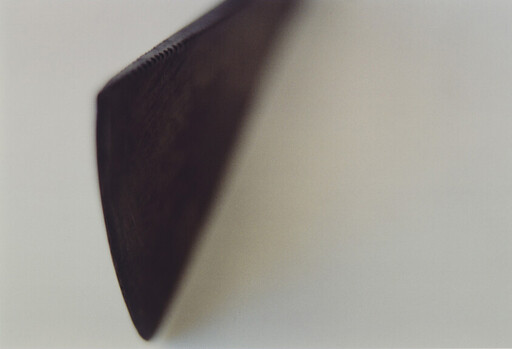
Untitled
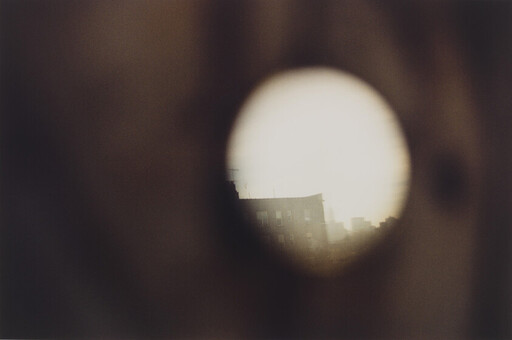
Untitled
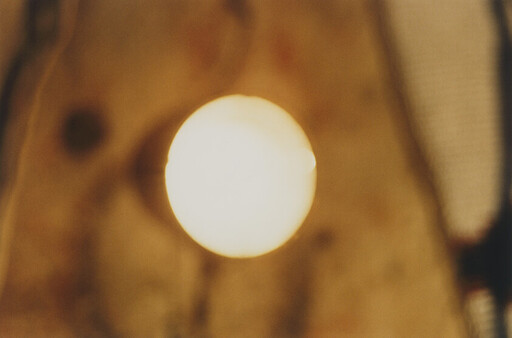
Untitled
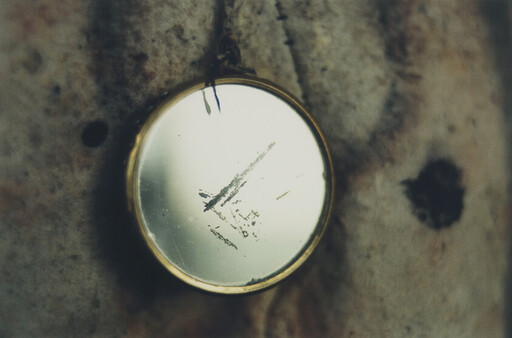
Untitled
Untitled
Untitled
Untitled
Untitled
Untitled
Untitled
Untitled
Untitled
Untitled
Untitled
Untitled
Untitled
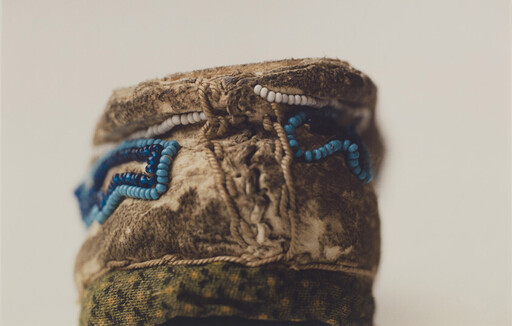
Untitled
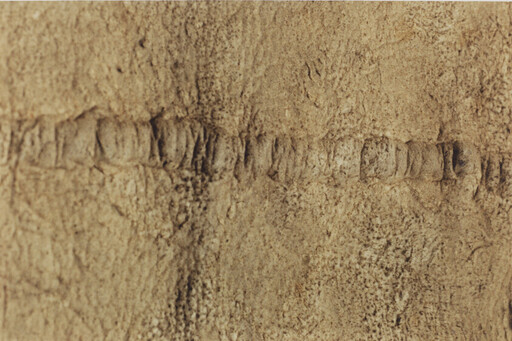
Untitled
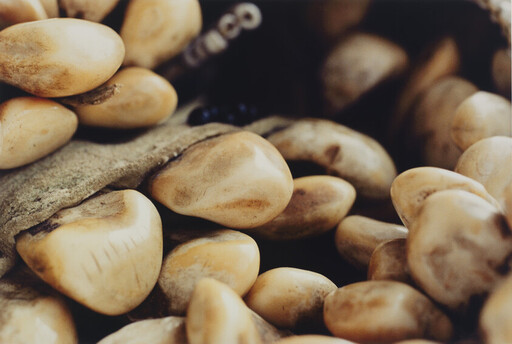
Untitled
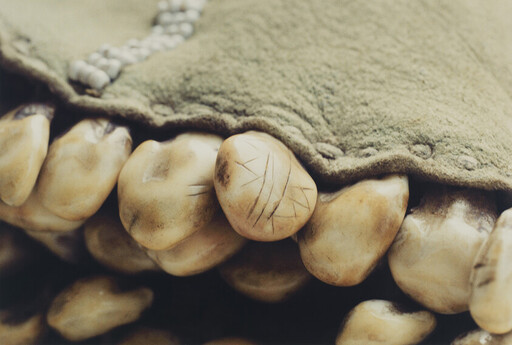
Untitled
Untitled
Untitled
Untitled
Untitled
Untitled
Untitled
Untitled
Showing the first 60 of 135 works. Browse all 135 →
Exhibitions at the Whitney
- Around Day’s End: Downtown New York, 1970–1986 2020-09-03 – 2020-11-01
- Making Knowing: Craft in Art, 1950–2019 2019-11-22 – 2022-02-20
- David Wojnarowicz: History Keeps Me Awake at Night 2018-07-13 – 2018-09-30
- America Is Hard to See 2015-05-01 – 2015-09-27
- Shaping a Collection: Five Decades of Gifts 2014-07-17 – 2014-10-19
- In Parts 2013-06-13 – 2014-02-23
- I, YOU, WE 2013-04-25 – 2013-09-01
- . . . as apple pie 2012-06-08 – 2013-06-09
- Legacy: The Emily Fisher Landau Collection 2011-02-10 – 2011-05-01
- Two Years 2007-10-17 – 2008-02-17
- Photography and the Self:<br>The Legacy of F. Holland Day 2006-12-20 – 2007-03-04
- Kiki Smith: A Gathering, 1980–2005 2006-11-16 – 2007-02-11
- New Additions: Prints for an American Museum Part I 2003-10-31 – 2004-01-25
- De Kooning to Today: Highlights from the Permanent Collection (2nd floor–Oct 2002) 2002-10-10 – 2003-03-02
- Visions from America: Photographs from the Whitney Museum of American Art, 1940–2001 2002-06-26 – 2002-09-22
- Whitney Biennial 2002 2002-03-07 – 2002-05-26
- Highlights from the Permanent Collection: From Pollock to Today 2000-12-07 – 2002-02-10
- Contemporary Narratives 1999-11-19 – 2000-02-02
- Hindsight: Recent Work from the Permanent Collection 1998-12-17 – 1999-02-21
- An American Story 1996-03-20 – 1996-09-29
- Altered and Irrational: Selections from the Permanent Collection 1995-10-12 – 1996-01-05
- Permanent Collection Prints 1994-08-30 – 1994-11-27
- Whitney Biennial 1993 1993-03-04 – 1993-06-20
- Whitney Biennial 1991 1991-04-02 – 1991-06-30