Artist Biennial
Thomas Hart Benton
1889–1975
Biography
Thomas Hart Benton studied at the Art Institute of Chicago and lived in Paris and New York, but upon returning to his native Missouri in the mid-1930s he rejected the avant-garde art movements and urban themes of those centers for a folksy, nationalistic realism that he developed in paintings and murals. Together with the painters John Steuart Curry, Joe Jones, and Grant Wood, he became a leading exponent of American Regionalism. The roughened hands of the husband and wife depicted in The Lord Is My Shepherd testify to decades of hard work, and a Bible sampler on the wall affirms their faith. The couple assume a symbolic stature in this painting as emblems of a pious, simple life, though they were modeled on two specific individuals, Sabrina and George West. In Chilmark, the town where Benton summered for more than fifty years on Martha’s Vineyard, Massachusetts, a particular form of hereditary deafness was prevalent and affected the Wests, among many others of Benton’s neighbors.
Poker Night (from A Streetcar Named Desire) was a commission from producer David O. Selznick, a surprise gift for his wife, Irene Mayer Selznick, who produced the Tennessee Williams play on Broadway in 1947. The painting portrays a dramatic moment when the refined but fallen Blanche Dubois, holding a mirror and wearing a revealing gown, taunts her drunk, violent brother-in-law, Stanley Kowalski (pictured in a white undershirt). While Benton’s figurative style had remained relatively consistent over two decades, his subject here is more provocative and takes narrative liberties. Indeed, Jessica Tandy, who played Dubois onstage opposite Marlon Brando’s Kowalski, was offended by her portrayal in this painting—her costumes in the play had been considerably more demure.
Works in the collection
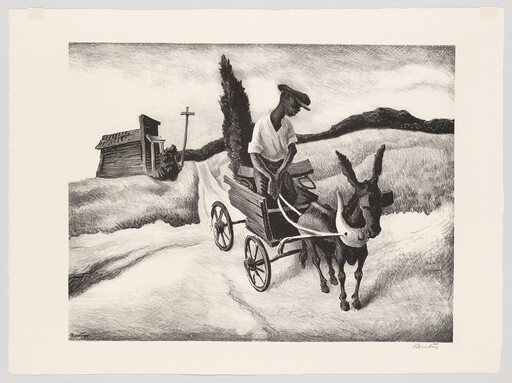
Lonesome Road
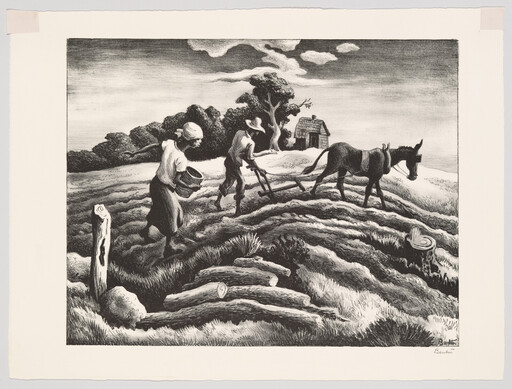
Planting
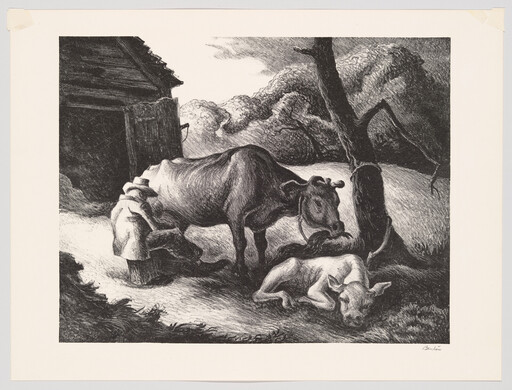
White Calf
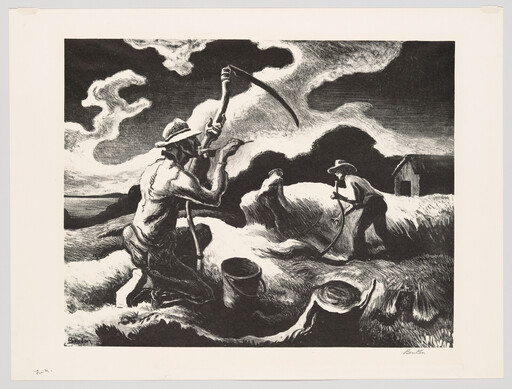
Island Hay
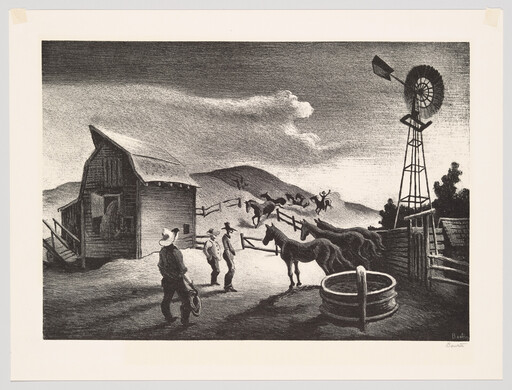
The Corral
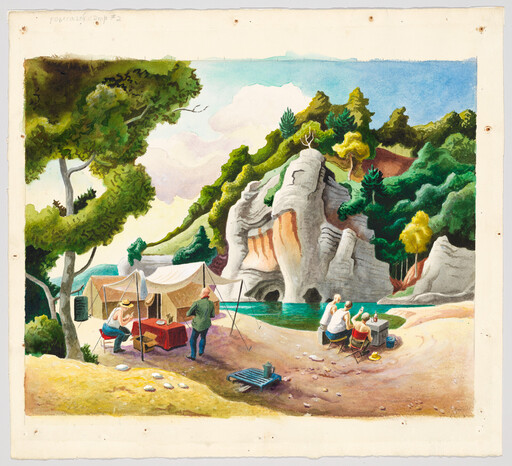
Fisherman's Camp #2
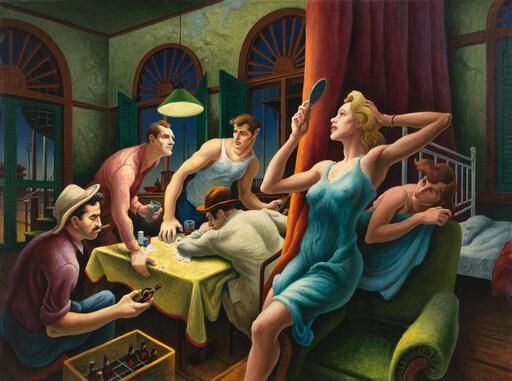
Poker Night (from A Streetcar Named Desire)
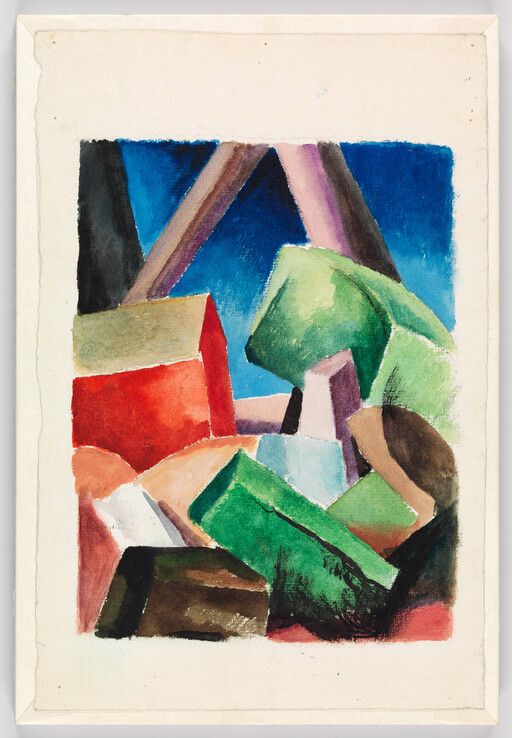
House in Cubist Landscape
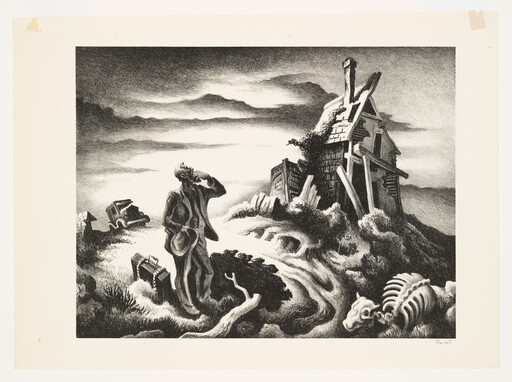
Prodigal Son
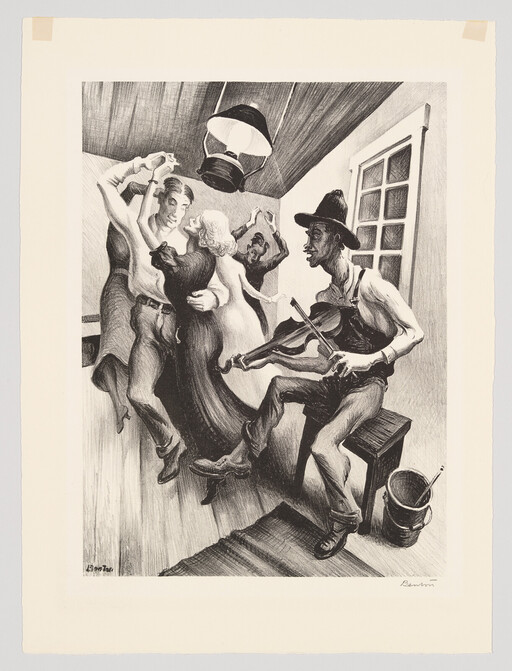
I Got a Gal on Sourwood Mountain
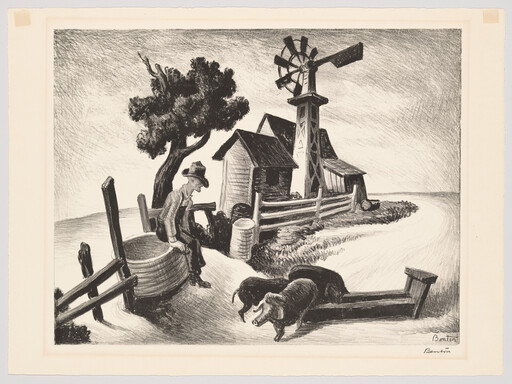
In the Ozarks
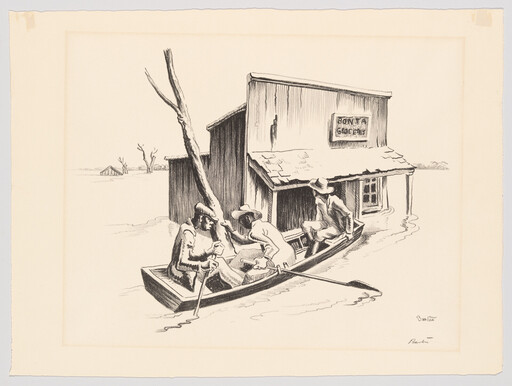
Investigation
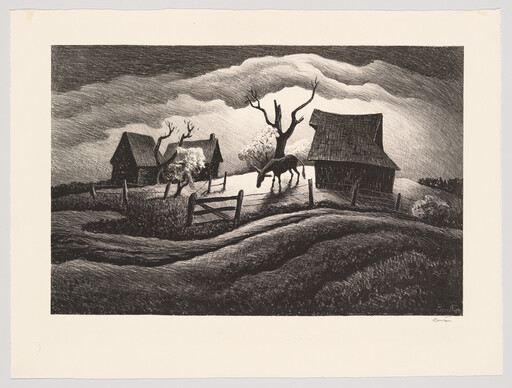
Rainy Day
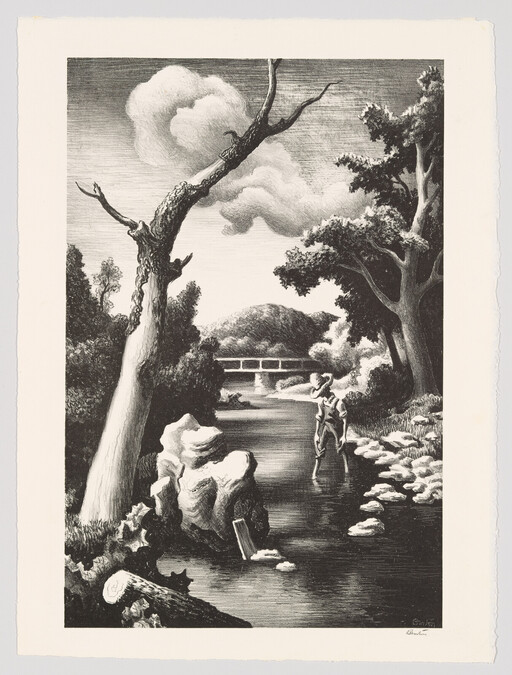
Shallow Creek
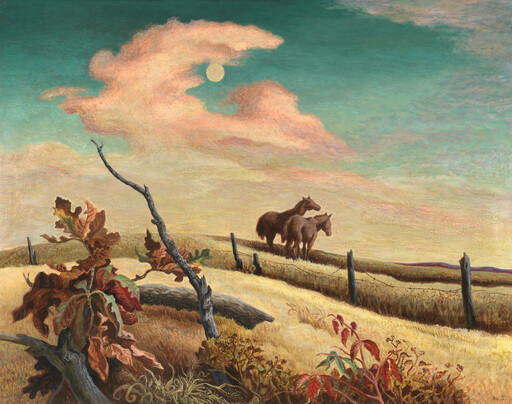
Autumn
The American Scene - Series
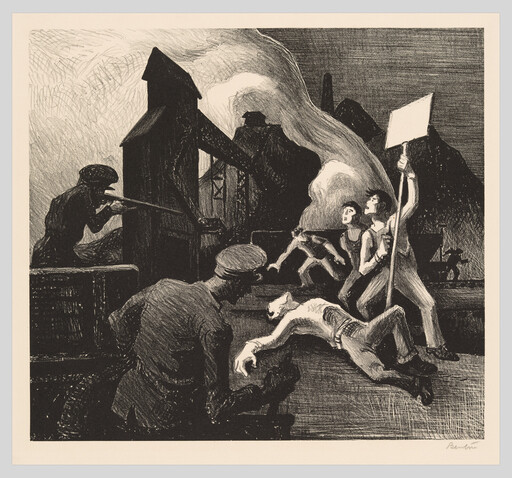
Mine Strike
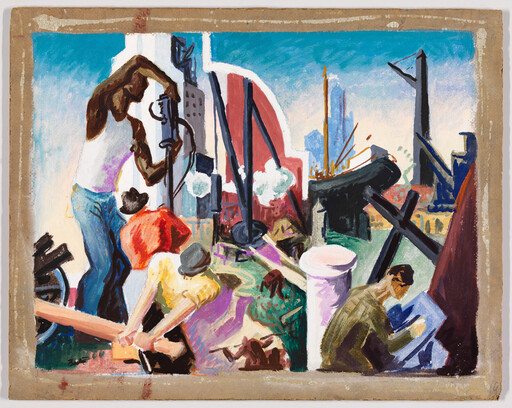
City Building
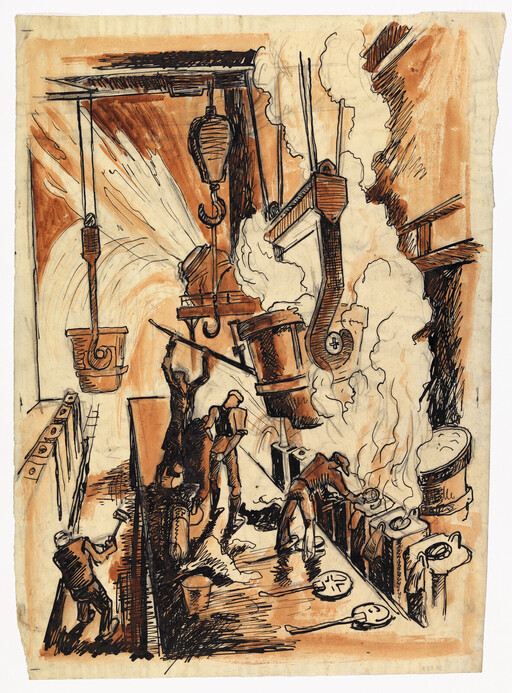
Blast Furnace, Number 2
Portrait of a Boy
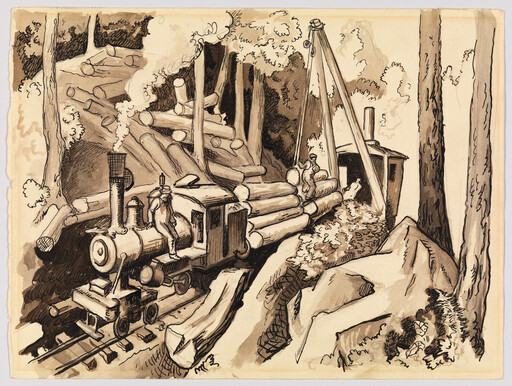
Logging Train
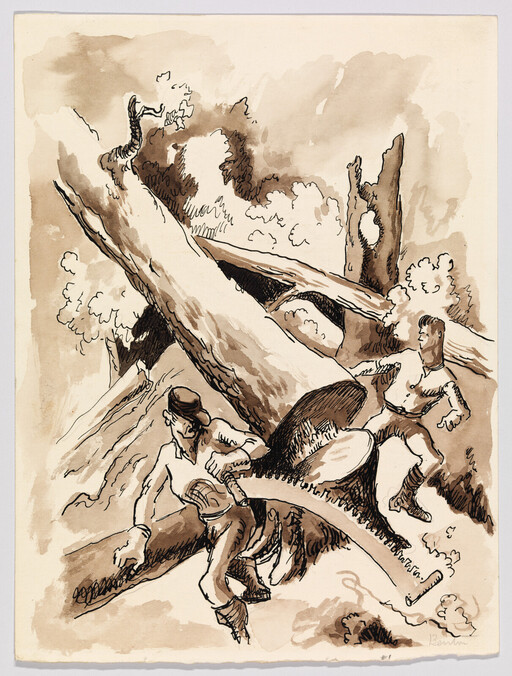
The Fall
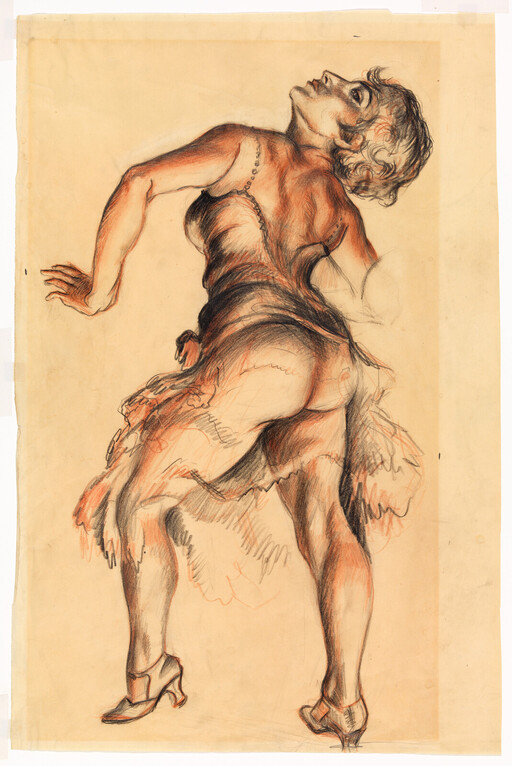
Dancer
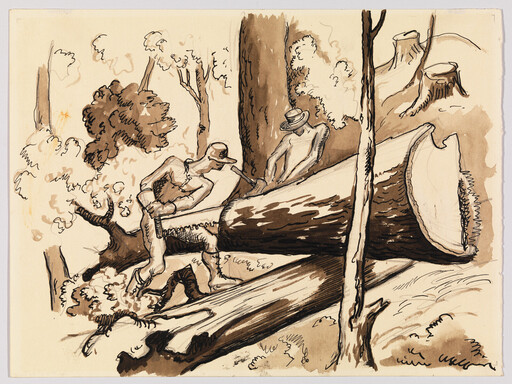
Sawing the Log
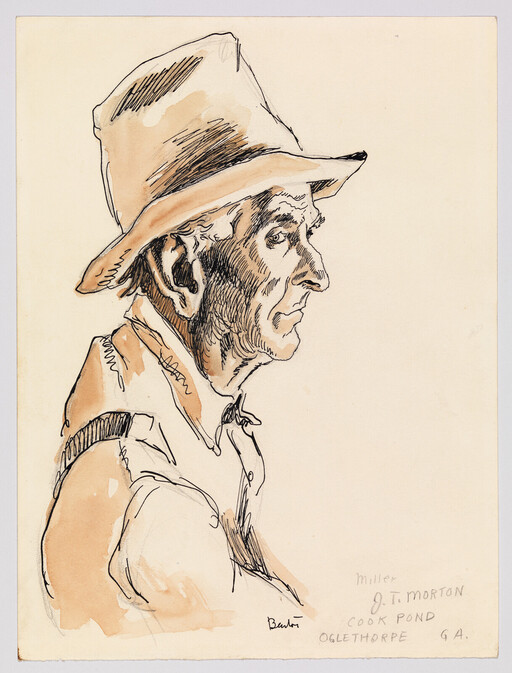
Portrait of J. T. Morton
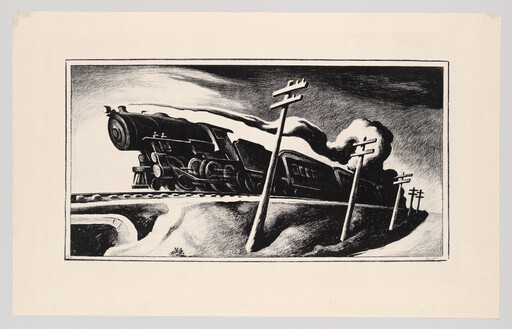
Express Train
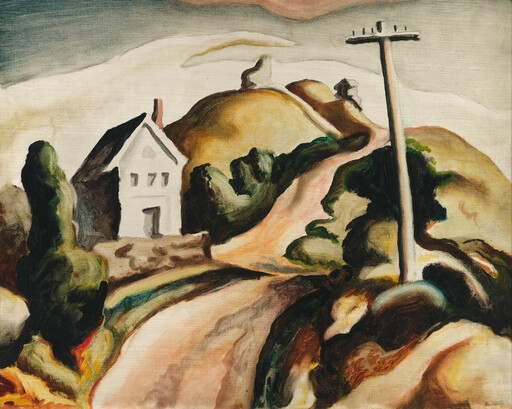
Martha's Vineyard
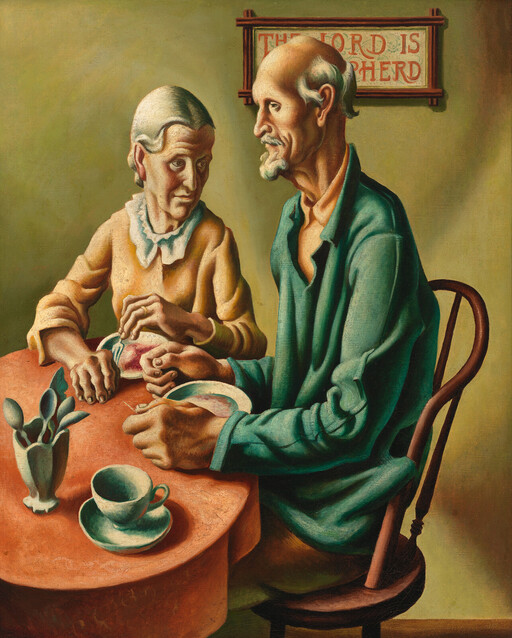
The Lord is my Shepherd
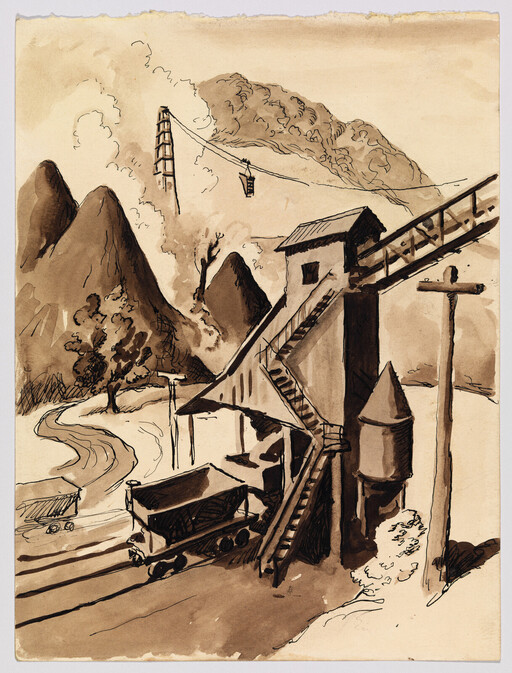
Coaling Station, West Virginia
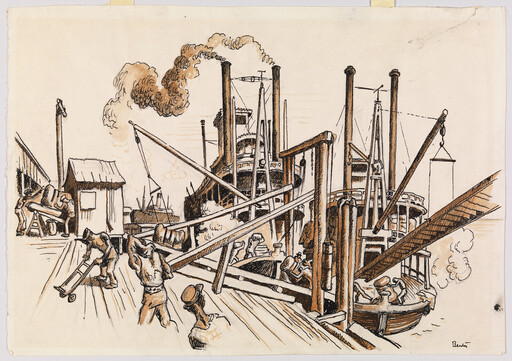
Dock Scene
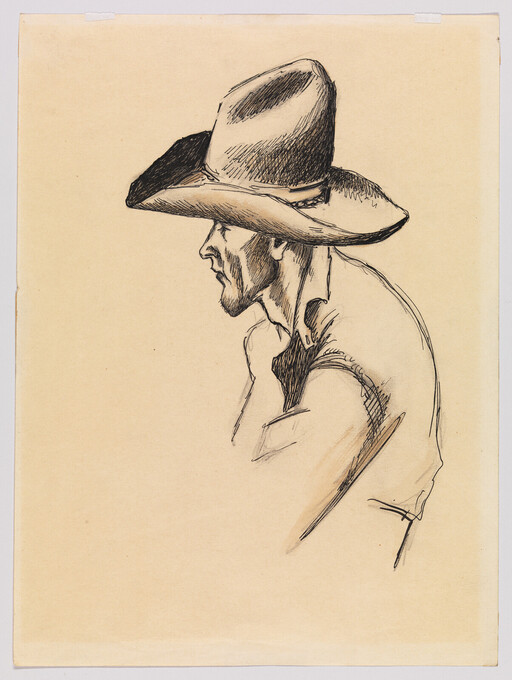
Portrait of a Cowboy
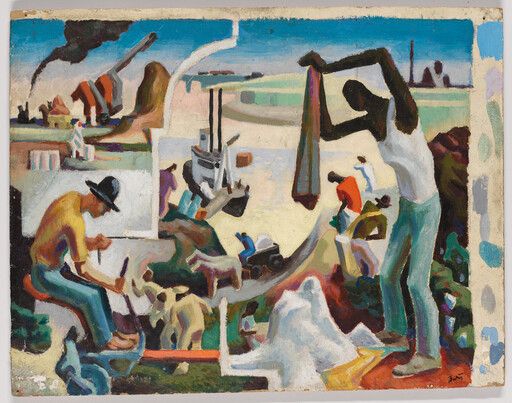
The South, Rice Threshing
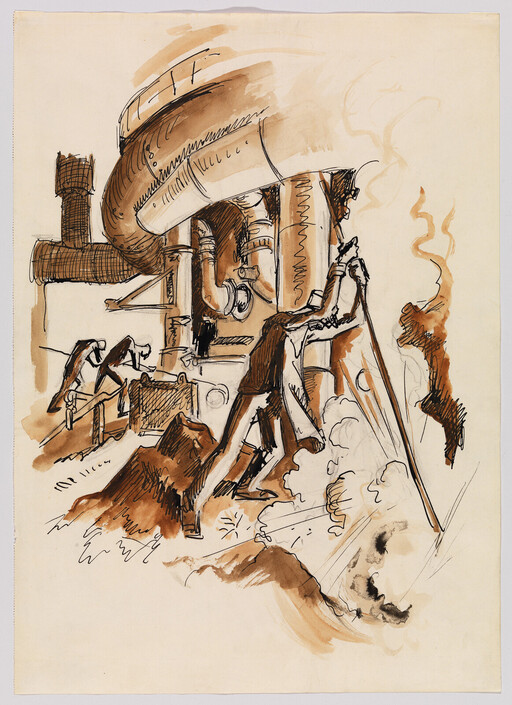
Blast Furnace, Number 1
Exhibitions at the Whitney
- Vida Americana: Mexican Muralists Remake American Art, 1925–1945 2020-02-17 – 2021-01-31
- The Whitney’s Collection: Selections from 1900 to 1965 2019-06-28 – 2025-05-01
- Where We Are: Selections from the Whitney’s Collection, 1900–1960 2017-04-28 – 2019-06-02
- The Whitney's Collection 2015-09-28 – 2016-04-04
- America Is Hard to See 2015-05-01 – 2015-09-27
- . . . as apple pie 2012-06-08 – 2013-06-09
- Real/Surreal 2011-10-06 – 2012-02-12
- Breaking Ground: The Whitney’s Founding Collection 2011-04-28 – 2011-09-18
- Modern Life: Edward Hopper and His Time 2010-10-28 – 2011-04-10
- Modernisms 2007-08-29 – 2008-01-13
- Benton and America in the 1930s: Works on Paper 2004-05-20 – 2004-09-05
- Highlights from the Permanent Collection: From Hopper to Mid-Century 2000-02-26 – 2006-05-21
- Permanent Collection 1998-04-04 – 1999-03-28
- Collection in Context: 1948 1998-01-16 – 1998-03-15
- An American Story 1996-03-20 – 1996-09-29
- Collection in Context: Gertrude Vanderbilt Whitney: Printmakers' Patron 1994-12-15 – 1996-04-21
- 1948 Annual Exhibition of Contemporary American Painting 1948-11-13 – 1949-01-02
- 1945 Annual Exhibition of Contemporary American Sculpture, Watercolors and Drawings 1945-01-03 – 1945-02-08
- 1943 Annual Exhibition of Contemporary American Art 1943-11-23 – 1944-01-04
- 1942 Annual Exhibition of Contemporary American Art 1942-11-24 – 1943-01-06
- 1941 Annual Exhibition of Contemporary American Sculpture, Watercolors, Drawings and Prints 1941-01-15 – 1941-02-19
- 1940 Annual Exhibition of Contemporary American Painting 1940-11-27 – 1941-01-08
- 1940 Annual Exhibition of Contemporary American Art 1940-01-10 – 1940-02-18
- Second Biennial Exhibition: Part One—Sculpture, Drawings and Prints 1936-01-24 – 1936-02-13
- Second Biennial Exhibition of Contemporary American Painting 1934-11-27 – 1935-01-10
- The Arts of Life in America: A Series of Murals by Thomas Hart Benton 1932-12-06 – 1932-12-13