Artist Biennial On view
Nam June Paik
1932–2006
Biography
“I wanted to elevate television to an art form that was as highly valued as the music of Johann Sebastian Bach,” Nam June Paik once said. Born in Korea, Paik studied twentieth-century music and composition in Japan and Germany before emerging in the early 1960s at the forefront of a critical exploration, through visual art, of the new mass medium of television. Magnet TV is one of the pioneering works Paik made utilizing manipulated television sets. In this instance he placed a strong magnet on top of the monitor, where it interferes with the electronic signal; this results in a series of abstract patterns that form on the screen as the magnet is moved. Paik thus transformed the console into a participatory object that subverts the one-way, linear flow of broadcast television.
Paik, whose prolific experimentation also encompassed closed-circuit installations and videotapes, began to create increasingly large, multimonitor sculptural installations in the 1980s. V-yramid, a ziggurat of forty television sets of decreasing size positioned atop one another, was made for the artist’s retrospective at the Whitney Museum in 1982. The kaleidoscopic, proto-music-video montage that plays on the monitors is recycled material from his single-channel videos Global Groove (1973) and Lake Placid ’80 (1982). This footage was produced with video effects generated by the Paik-Abe synthesizer, a video-processing machine Paik had developed with the Japanese engineer Shuya Abe in 1969. In his work Paik embraced both pop culture and the artistic avant-garde; V-yramid similarly draws a visual analogy between ancient pyramidal architecture and modern media technology.
Works in the collection
The Fluxfax Portfolio
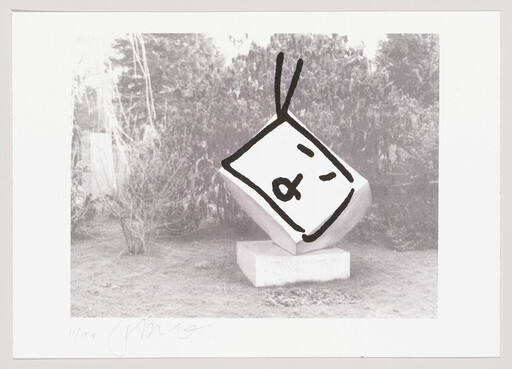
Homage to Schoenberg
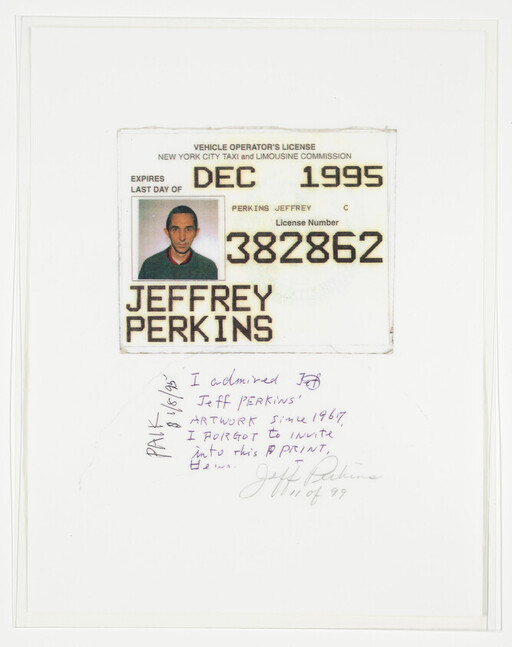
Untitled (Jeff Perkins' Taxi Driver's License)
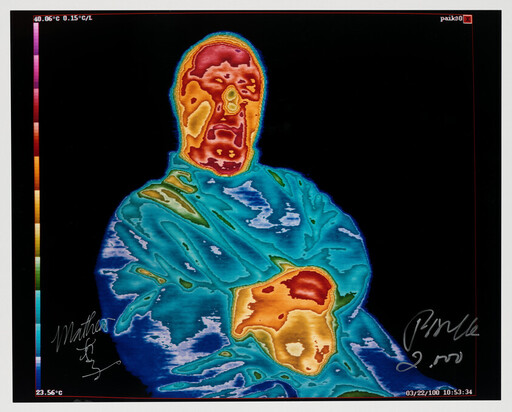
The Artist (NJP)
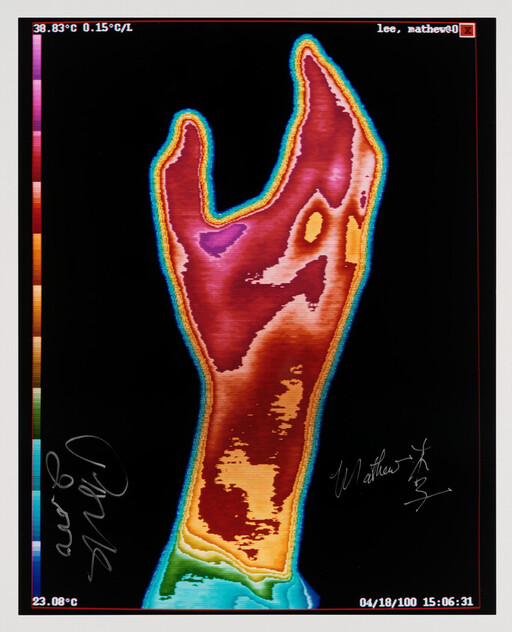
A Healer's Hand (ML)
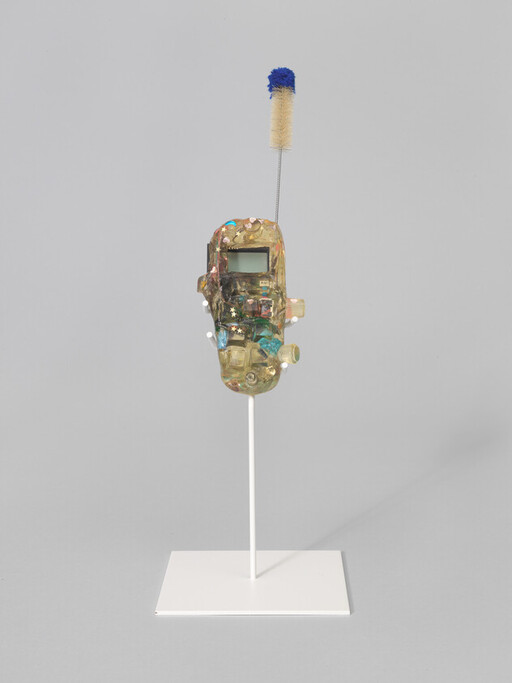
Telephone X
1993 Whitney Biennial in Seoul
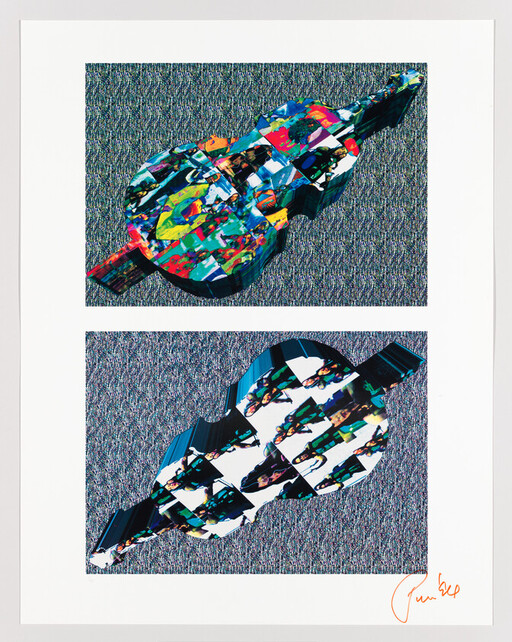
(Untitled)
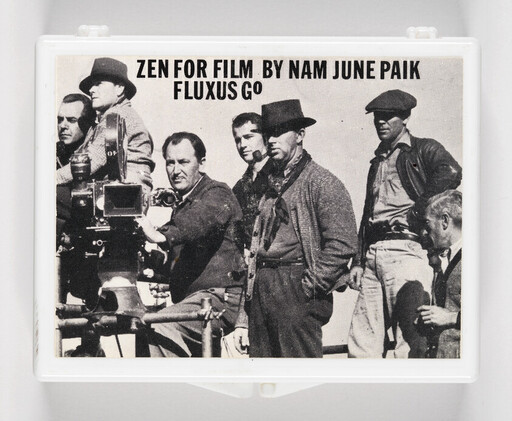
Zen For Film
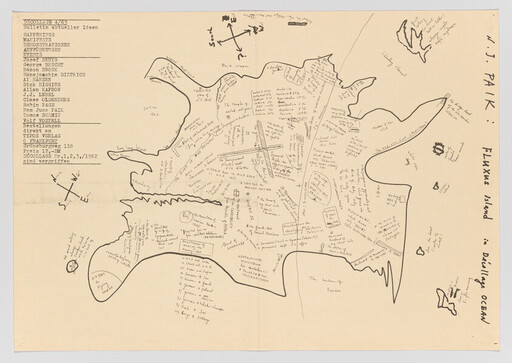
N.J. PAIK: FLUXUS Island in Decollage OCEAN
Evolution/Revolution/Resolution
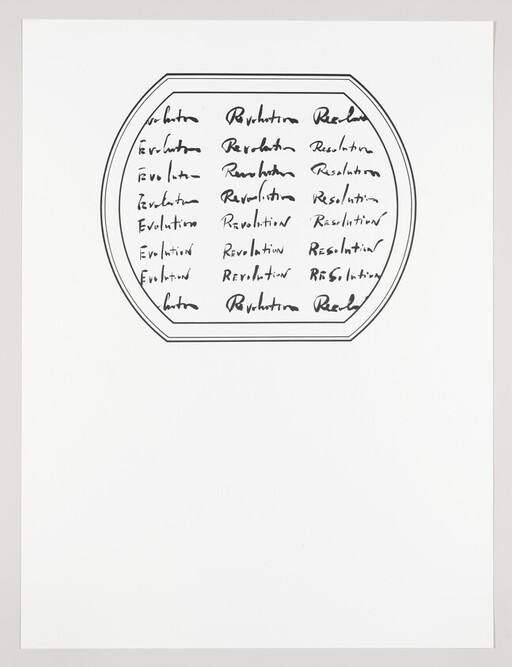
(Title page and colophon)
(Text page, "A Family Likeness," by Jean-Paul Farguir)
(Text page, "A Family Likeness," by Jean-Paul Farguir)
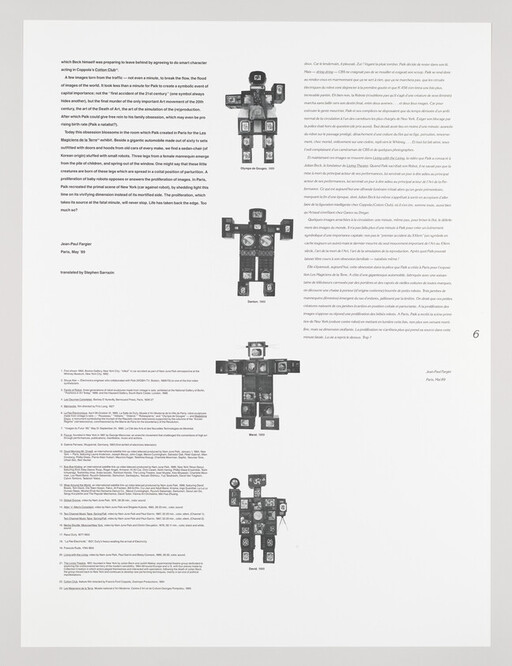
(Text page, "A Family Likeness," by Jean-Paul Farguir)
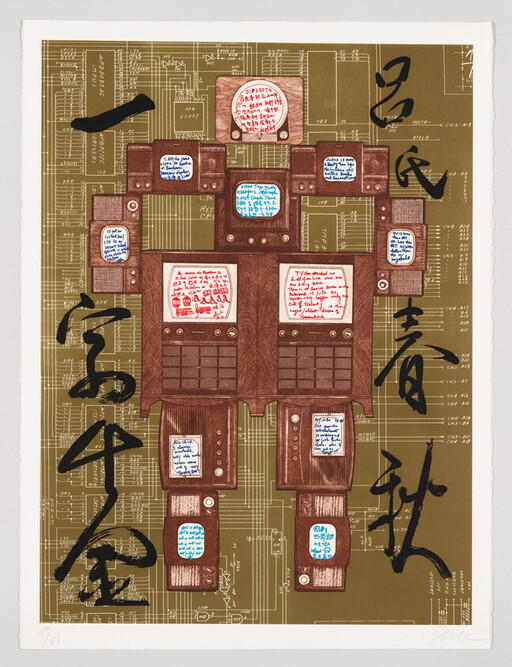
Diderot...One Word is 1,000 Dollars
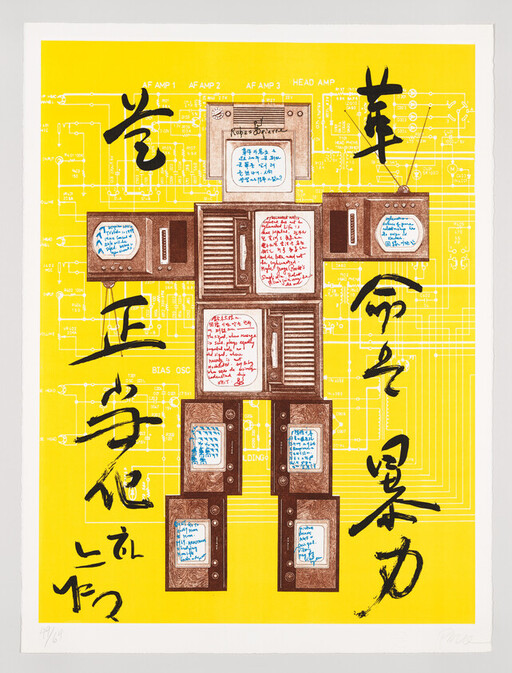
Robespierre...Does the Revolution Justify the Violence
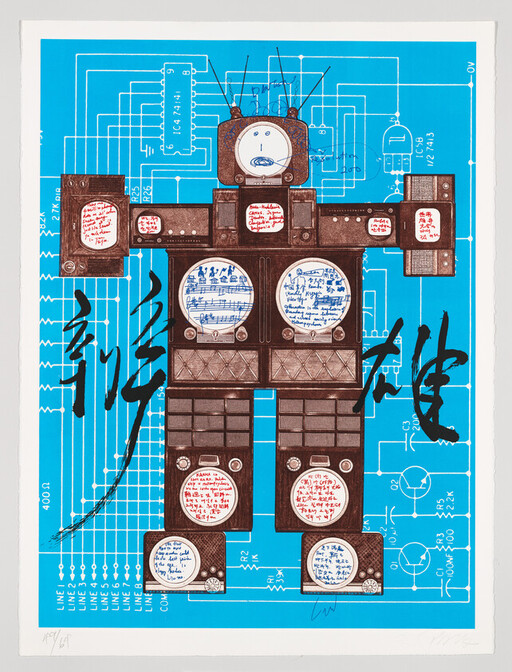
Danton...Oratory or Elegance
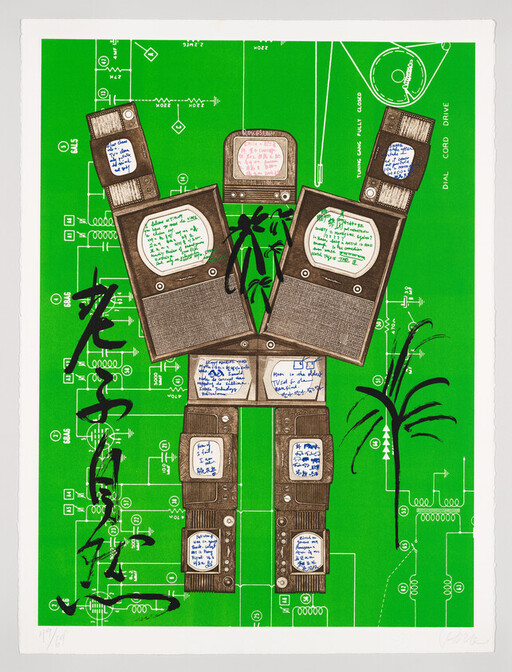
Rousseau...Lao-tze also Pleaded for the Return to Mother Nature
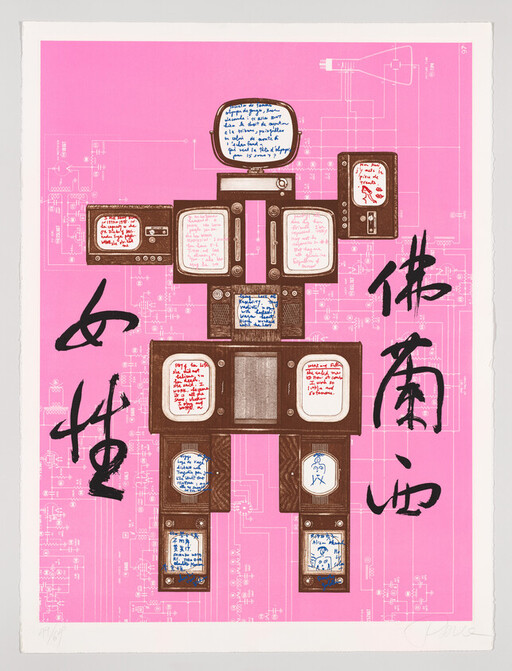
Olympe de Gouges...Women, French
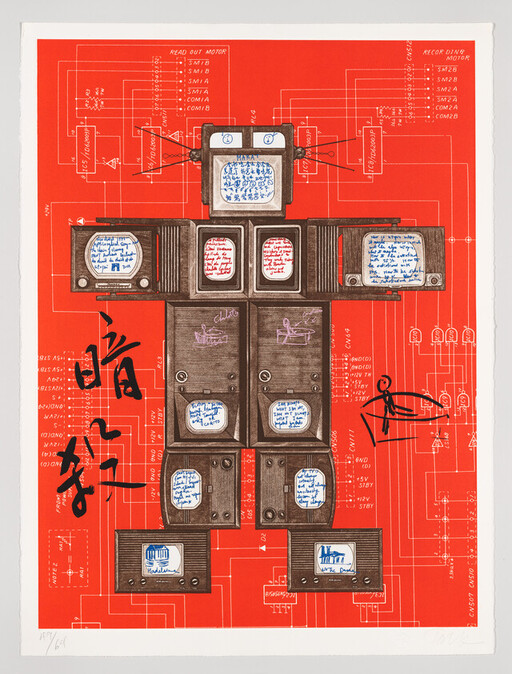
Marat...Assassination
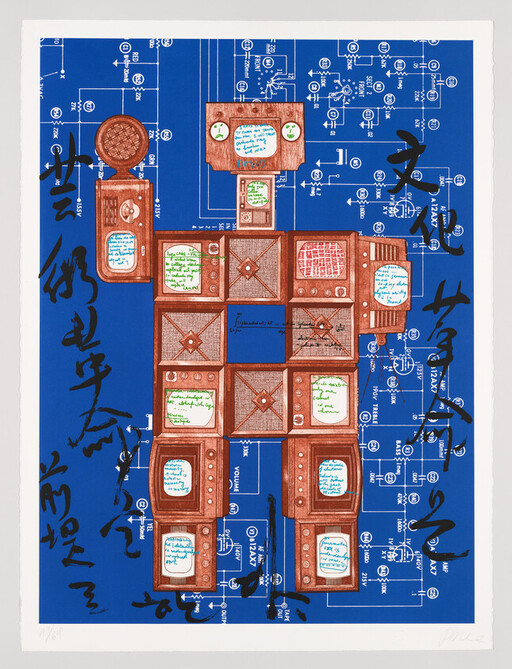
David...The Cultural-Revolution Requires the ART-Revolution as the Pre-Requisite and as the Pre-Condition
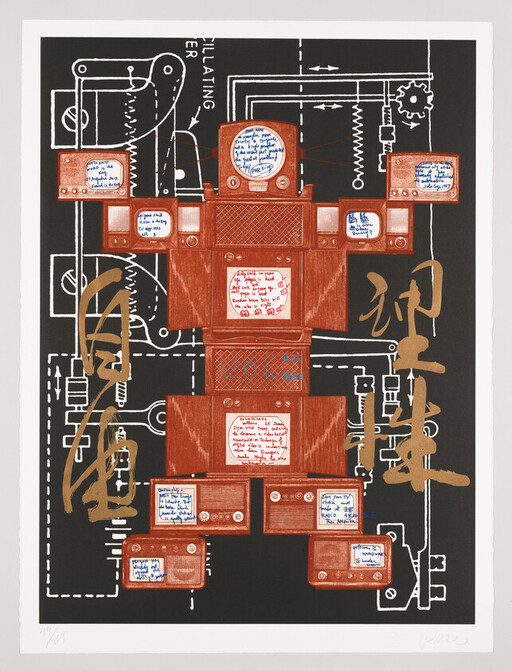
Voltaire...Liberty, Reason
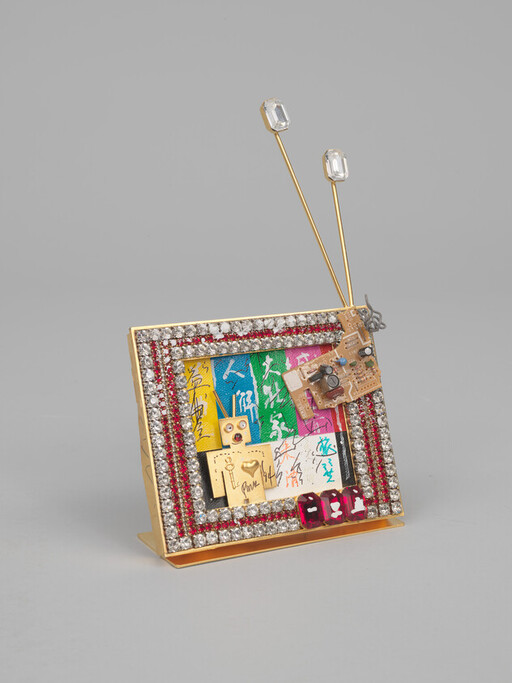
Untitled
Allen In Vision
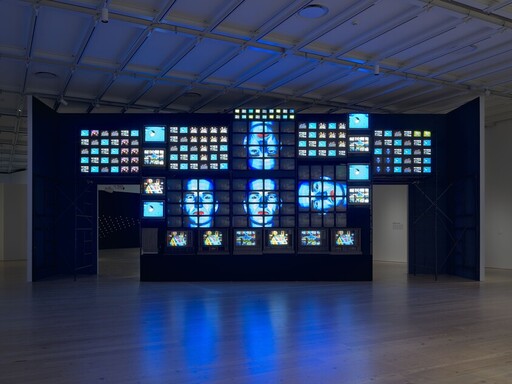
Fin de Siecle II
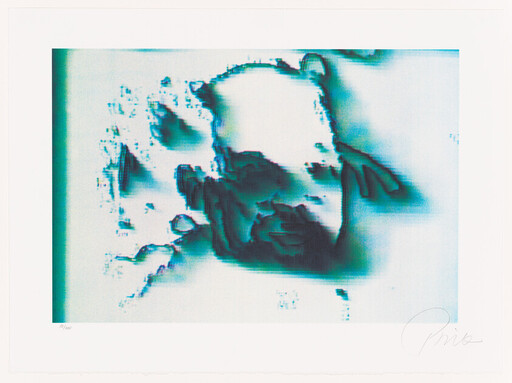
Untitled
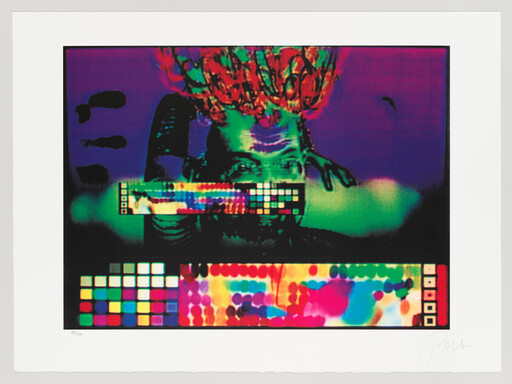
Untitled
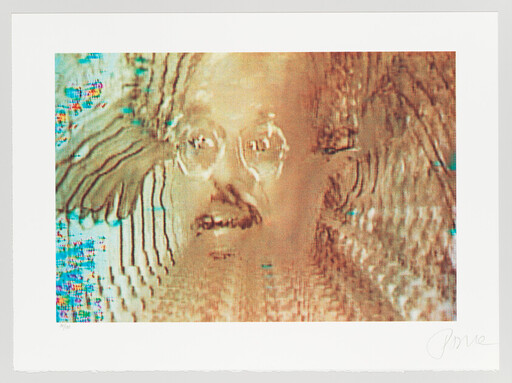
Untitled
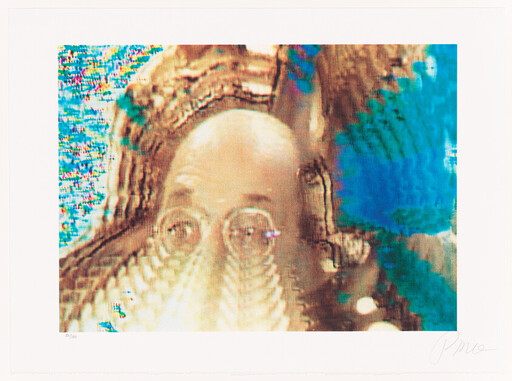
Untitled
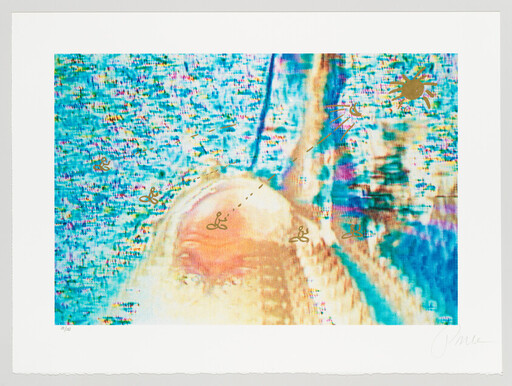
Untitled
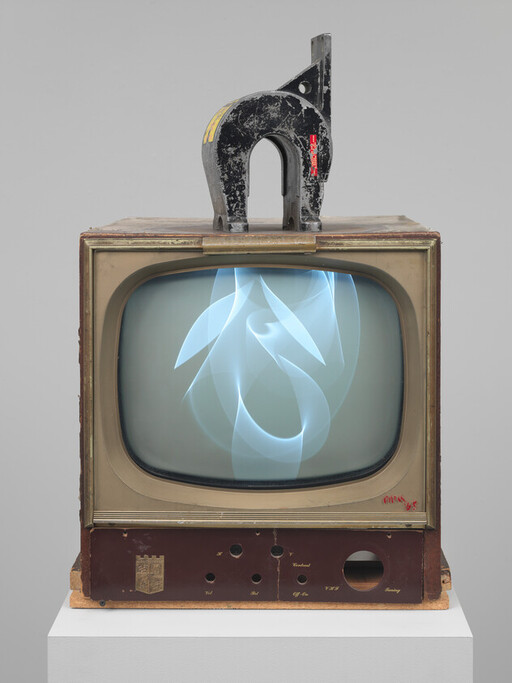
Magnet TV
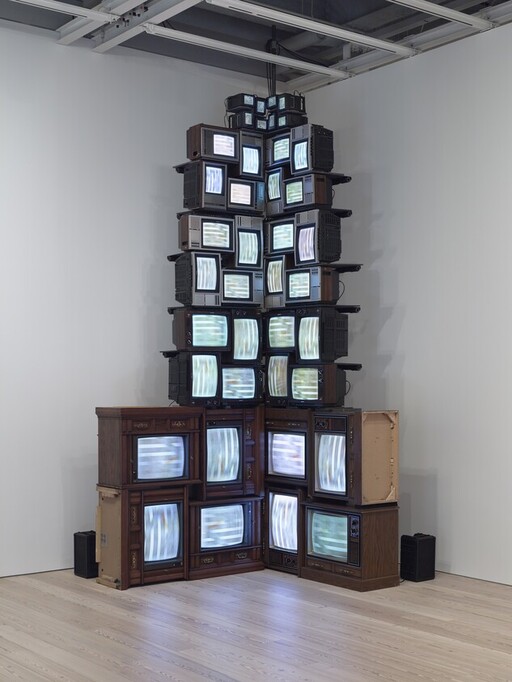
V-yramid
Exhibitions at the Whitney
- Programmed: Rules, Codes, and Choreographies in Art, 1965–2018 2018-09-28 – 2019-04-14
- America Is Hard to See 2015-05-01 – 2015-09-27
- Summer of Love: Art of the Psychedelic Era 2007-05-24 – 2007-09-16
- Full House: Views of the Whitney’s Collection at 75 2006-06-29 – 2006-09-03
- Dream Reels: Videofilms and Environments by Jud Yalkut 2000-11-04 – 2000-12-03
- Whitney Biennial 1989 1989-04-18 – 1989-07-16
- Whitney Biennial 1987 1987-04-10 – 1987-07-05
- Whitney Biennial 1983 1983-03-15 – 1983-05-29
- Whitney Biennial 1981 1981-01-20 – 1981-04-12
- Whitney Biennial 1977: Contemporary American Art 1977-02-19 – 1977-04-03