Artist Biennial
Louise Nevelson
1899–1988
Biography
One of the foremost American sculptors of the twentieth century, Louise Nevelson is renowned for her monochromatic assemblages of found or cast fragments, combined in dramatic abstract installations. Trained as an actress, modern dancer, singer, and painter, Nevelson (born in the former Russian Empire) studied with Hans Hofmann and assisted Diego Rivera on WPA murals in New York before taking up sculpture in the mid-1930s. When metal was less available during World War II Nevelson began working with wood, a material she associated with the lumber and building businesses of her father and grandfather. By the early 1950s she had incorporated etching, terra cotta, and stone work into her multifaceted practice, and by 1954 she produced her first series of black-painted landscape sculptures, a breakthrough that would give way to large-scale environments unified by a single color.
One of these, Dawn’s Wedding Feast, a sprawling installation of Nevelson’s first white sculptures, was created for the Museum of Modern Art’s 1959 exhibition Sixteen Americans. Composed of found wood—stacked boxes, antique chair legs, banister railings, finials, and other architectural fragments—the elements towered against a sixteen-foot-long wall, rose up from large plinths, or hung from the ceiling like totemic stalactites. It represented, in Nevelson’s words: “a white wedding cake. A wedding mirror. A pillow . . . a transition to a marriage with the world.” After the exhibition closed, the installation was disassembled and recycled into new compositions, a cathartic process Nevelson often employed. Although Dawn’s Wedding Chapel II was the result of such reconfiguring, it retains the geometric complexity, formal cohesiveness, and elaborate equilibrium of Nevelson’s original assemblage.
Works in the collection
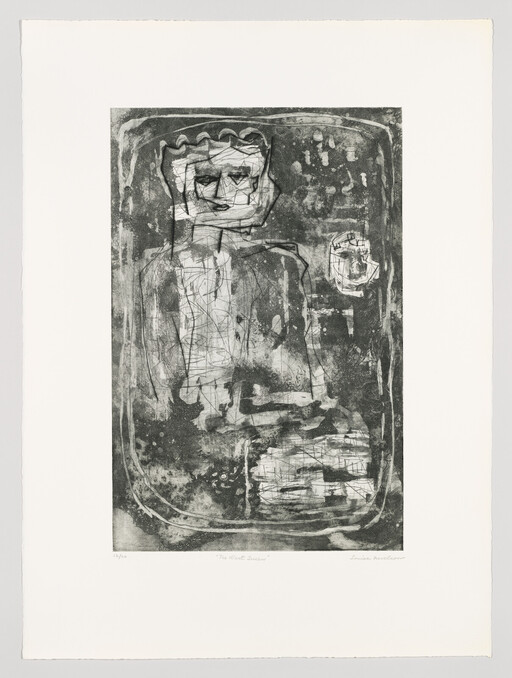
The West Queen
ARTISTS AND WRITERS PROTEST AGAINST THE WAR IN VIET NAM
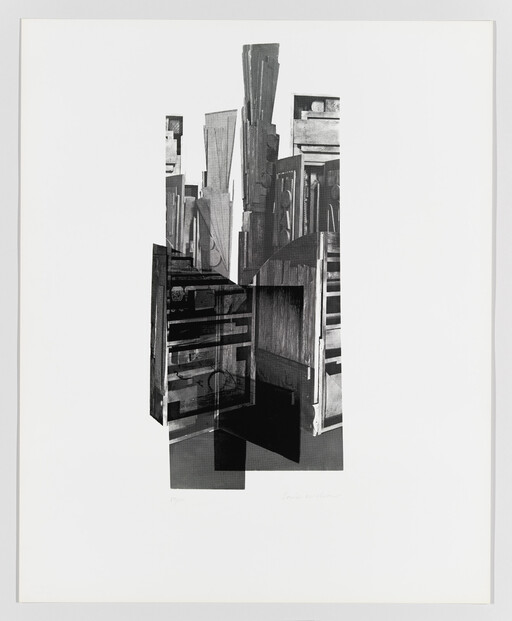
Composition
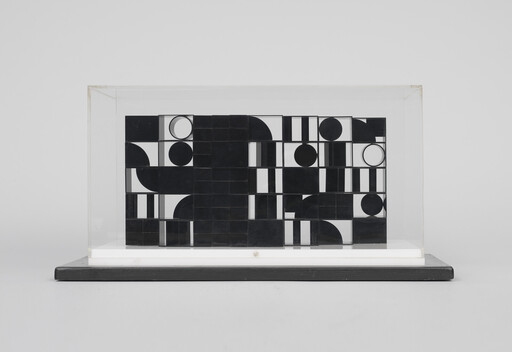
Model for "Atmosphere and Environment IV"
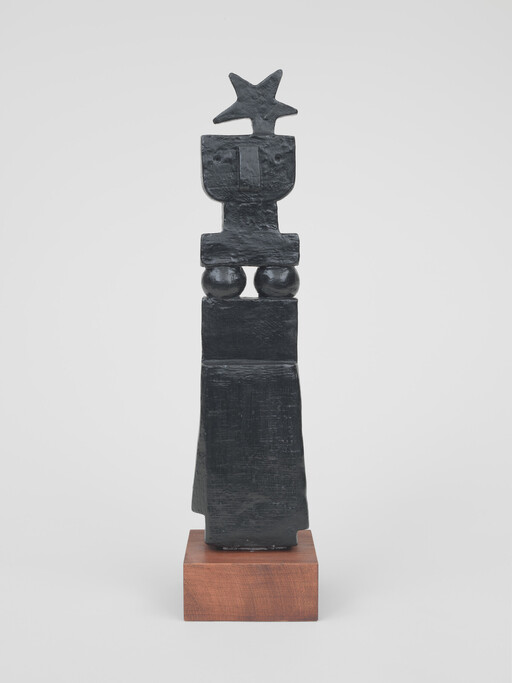
Archaic Figure With a Star on Her Head
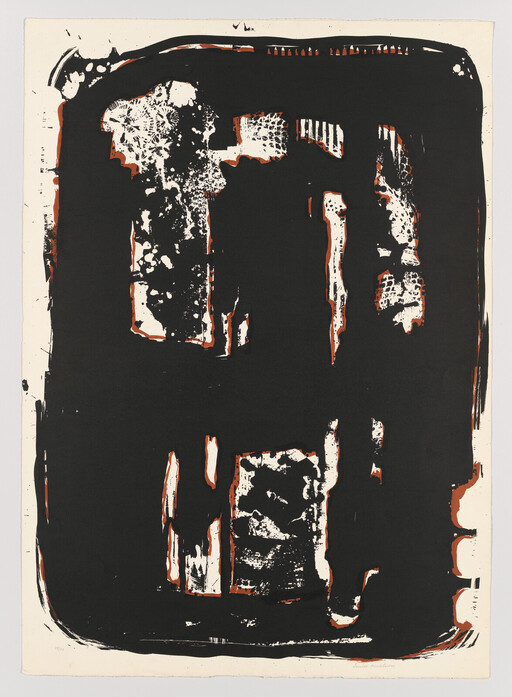
Untitled (Tamarind No. 795)
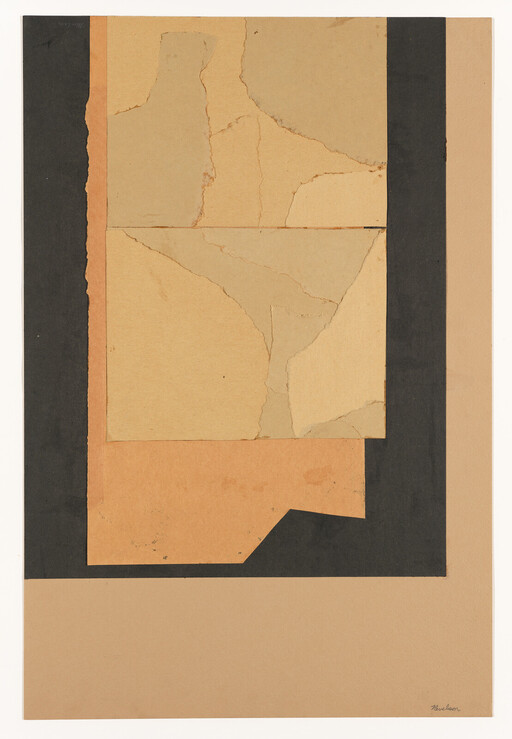
Untitled
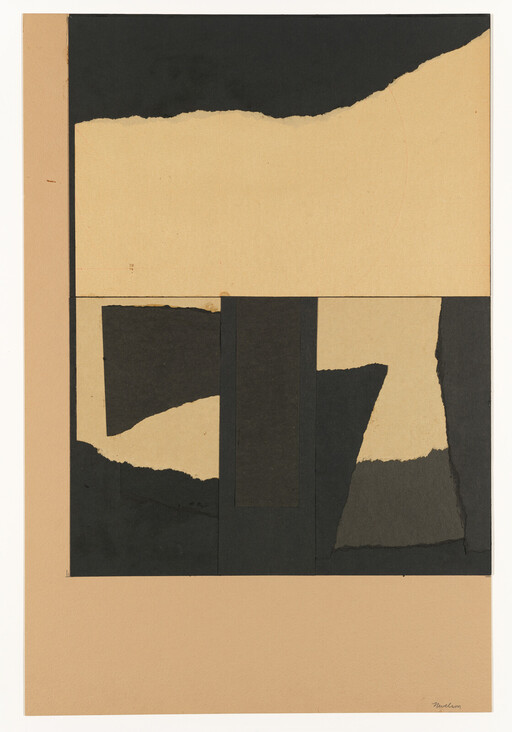
Untitled
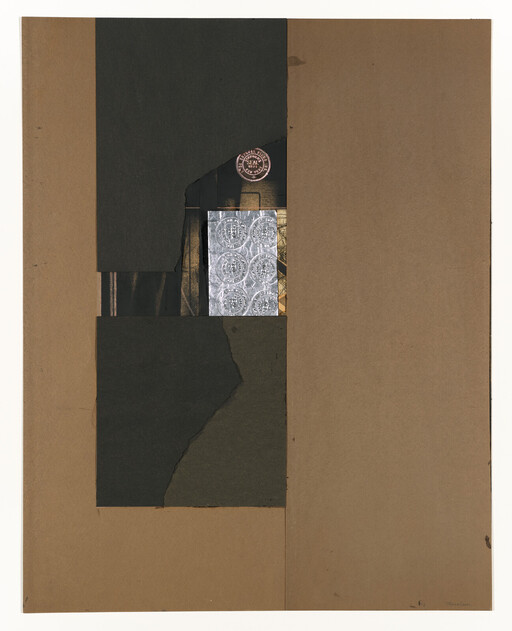
Untitled
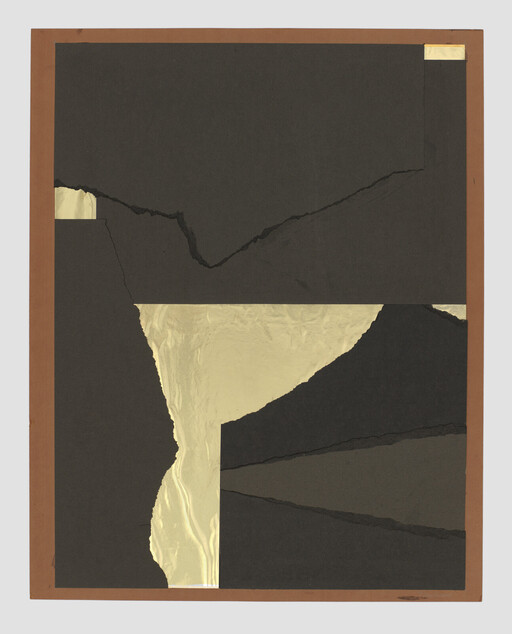
Untitled
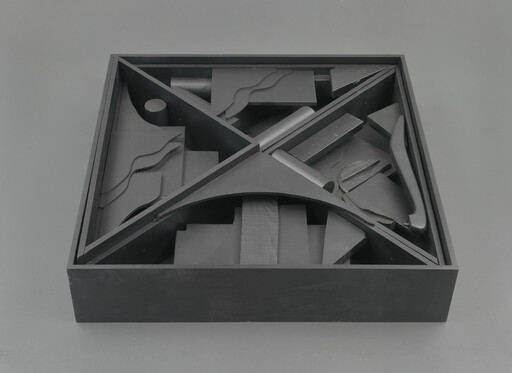
Night Garden
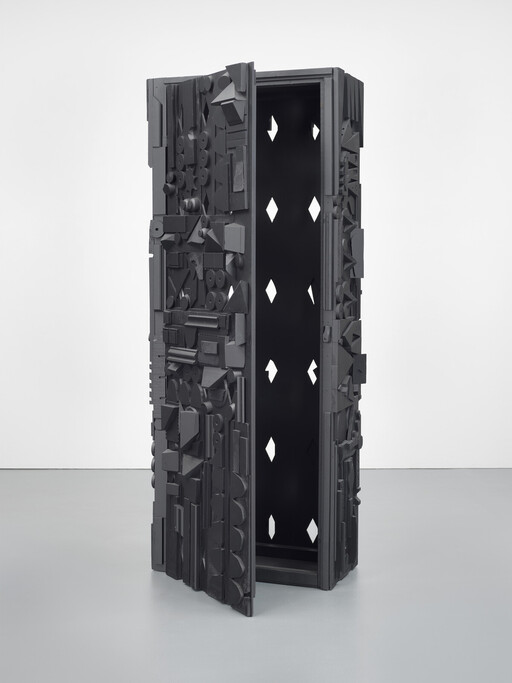
Dream House XXIII
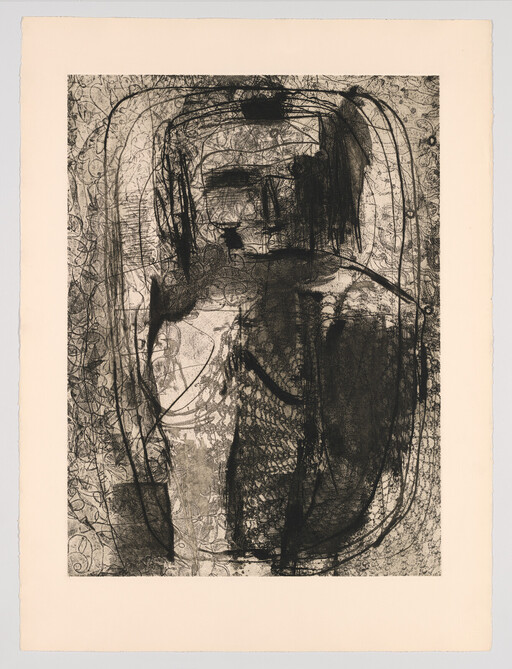
Untitled
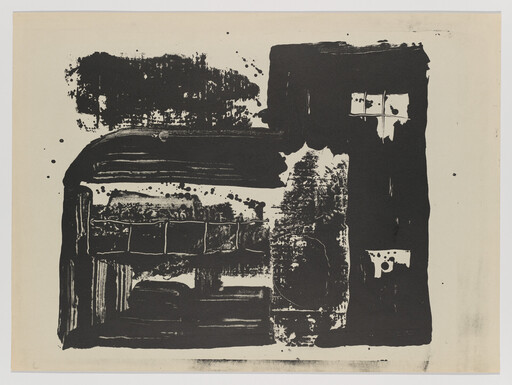
Untitled (Dawnlight)
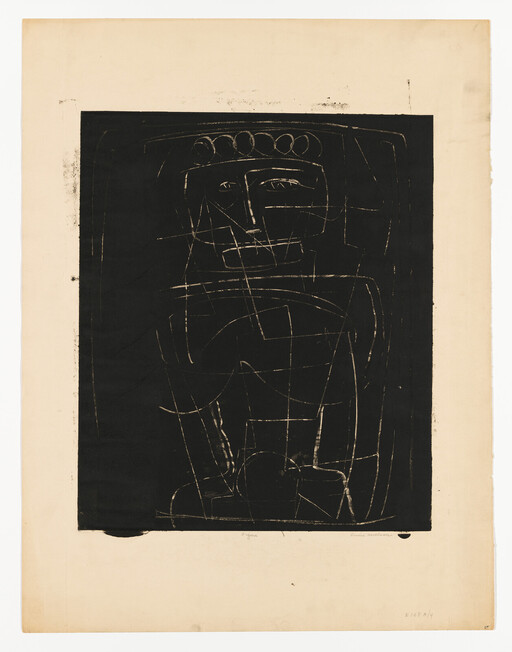
Figure
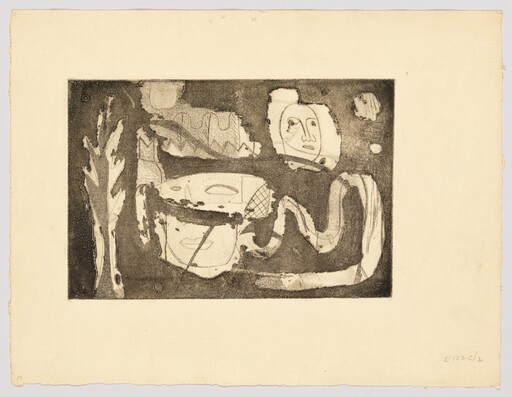
The Magic Garden
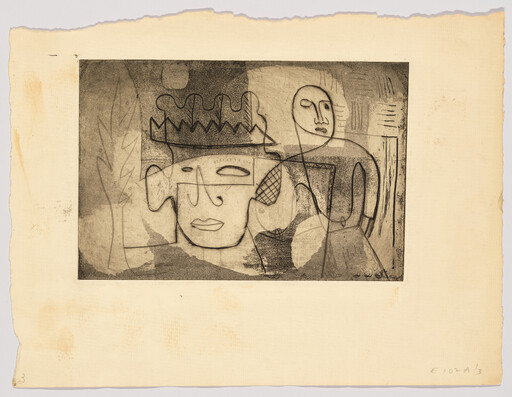
The Magic Garden
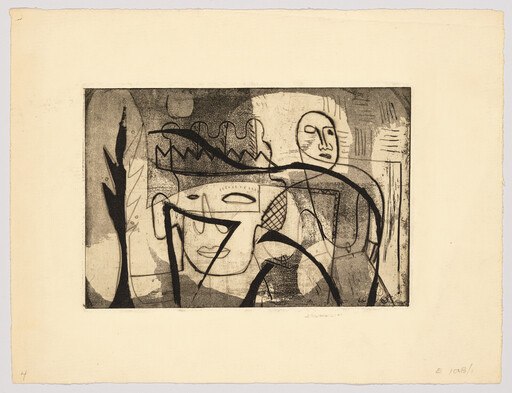
The Magic Garden
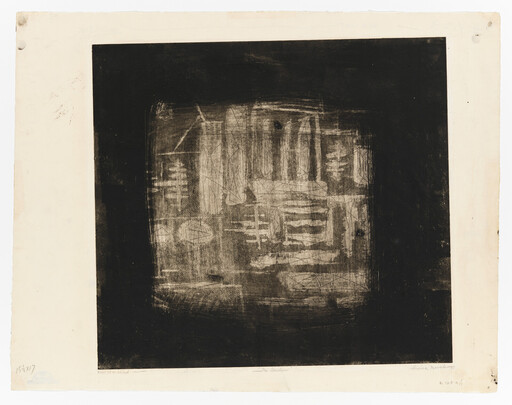
The Garden
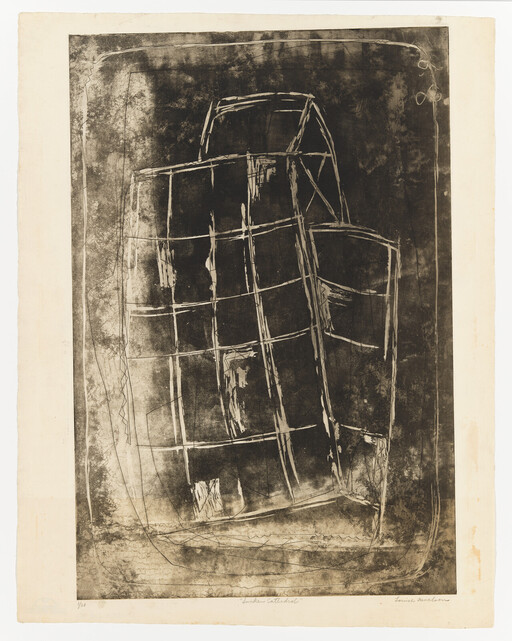
Sunken Cathedral
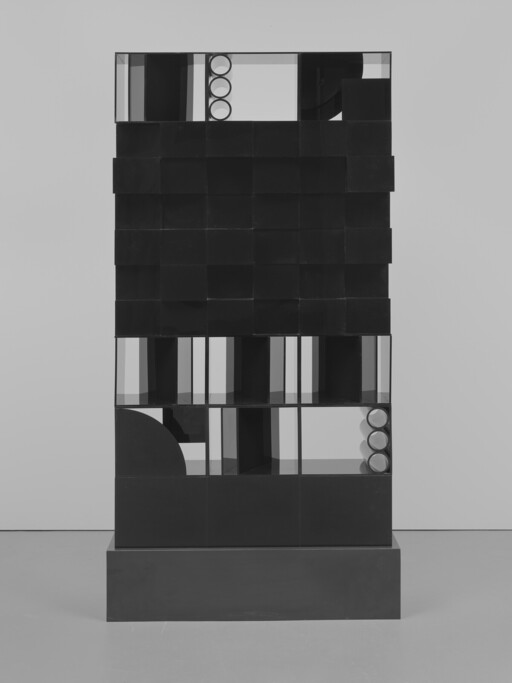
Atmosphere and Environment VII
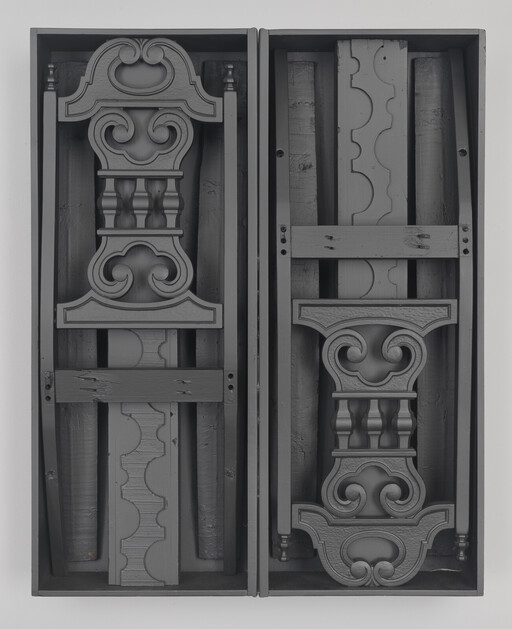
Duet
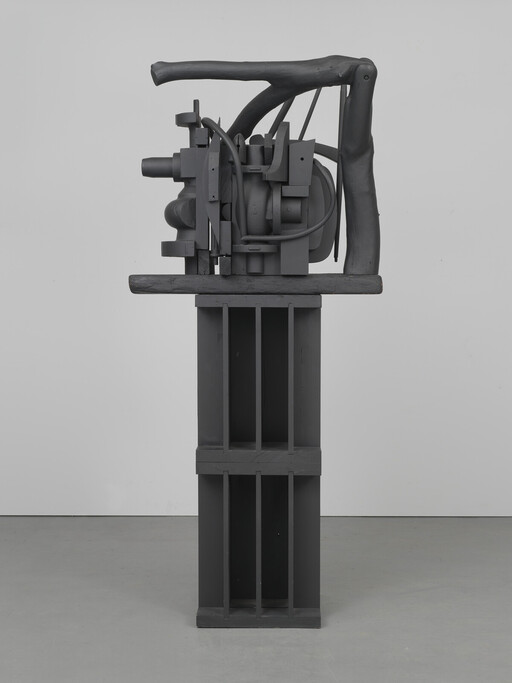
Present Universe III
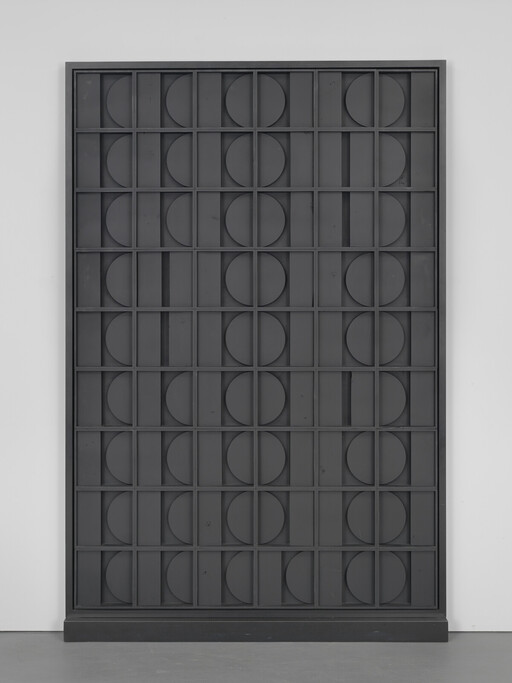
Night Visage I
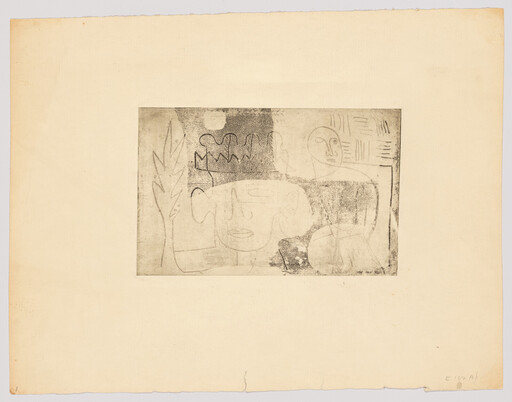
The Magic Garden
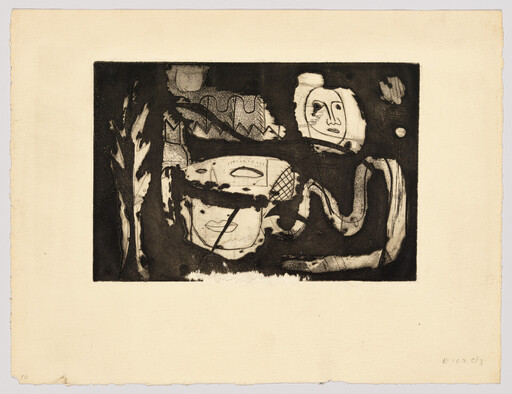
The Magic Garden
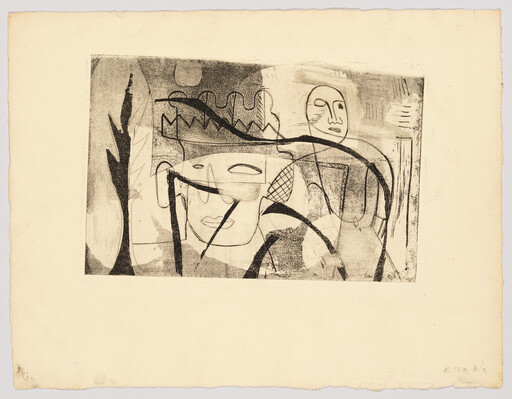
The Magic Garden
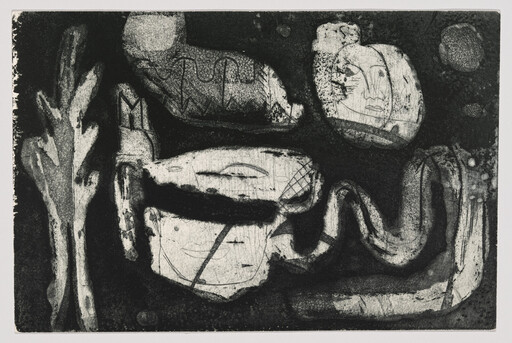
The Magic Garden
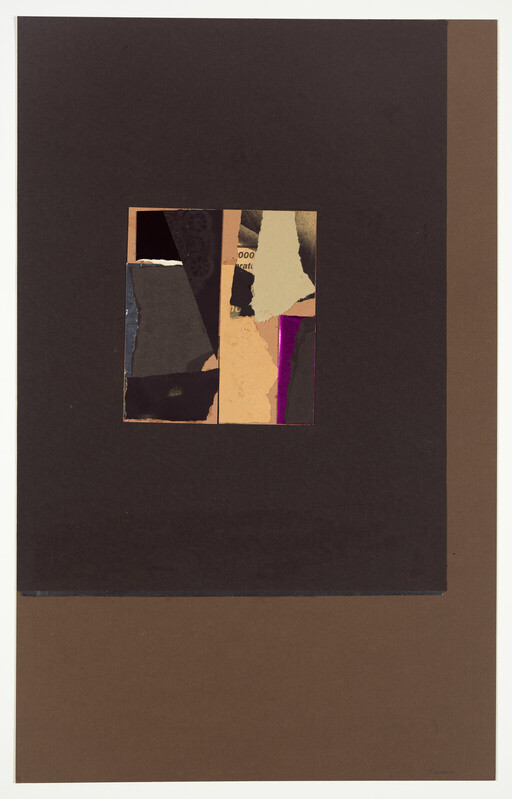
Untitled
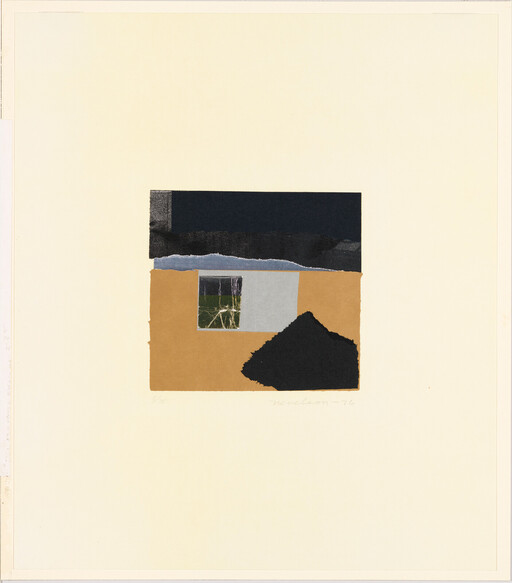
Moon Passage
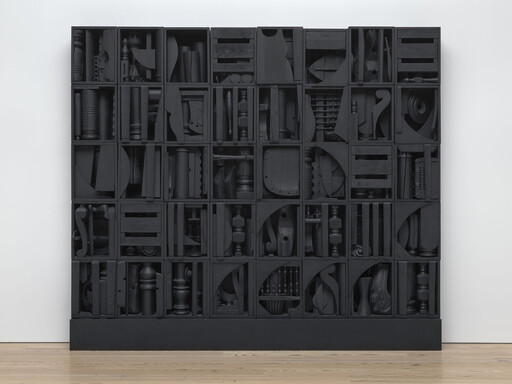
Black Chord
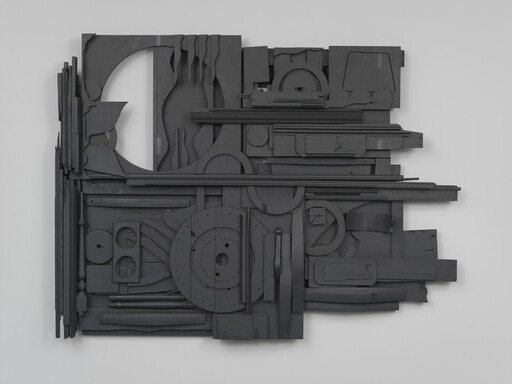
Moon Gardenscape No. XIV
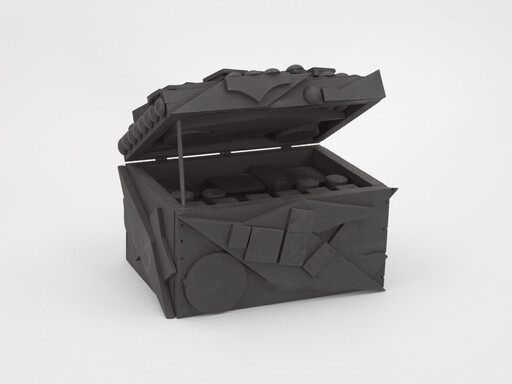
Large Cryptic II
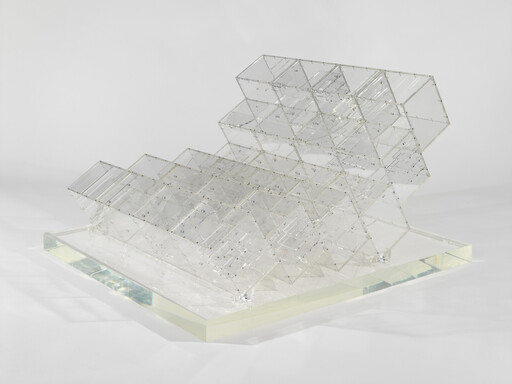
Transparent Sculpture IV
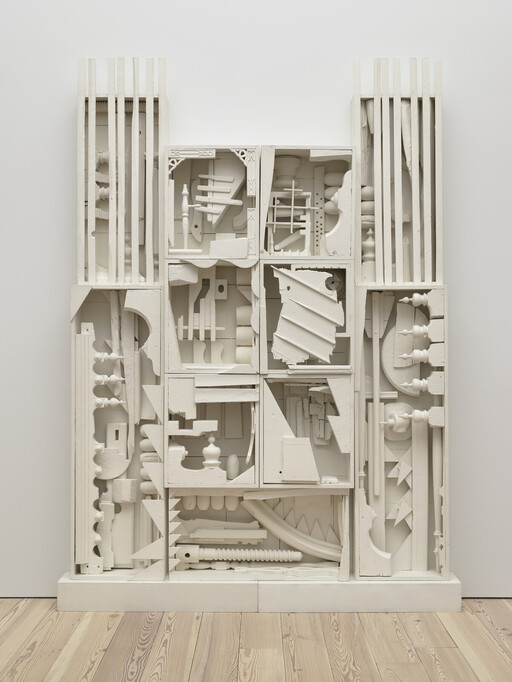
Dawn's Wedding Chapel II
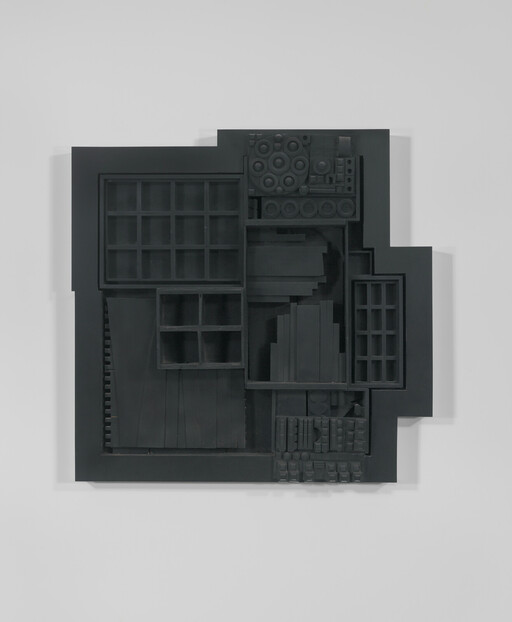
Black Zag O
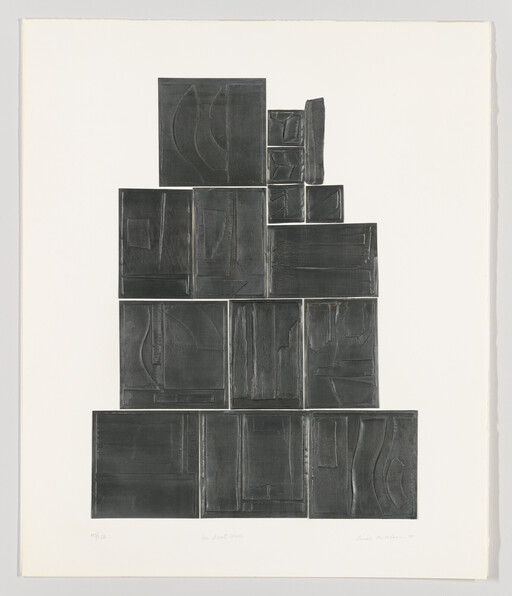
The Great Wall
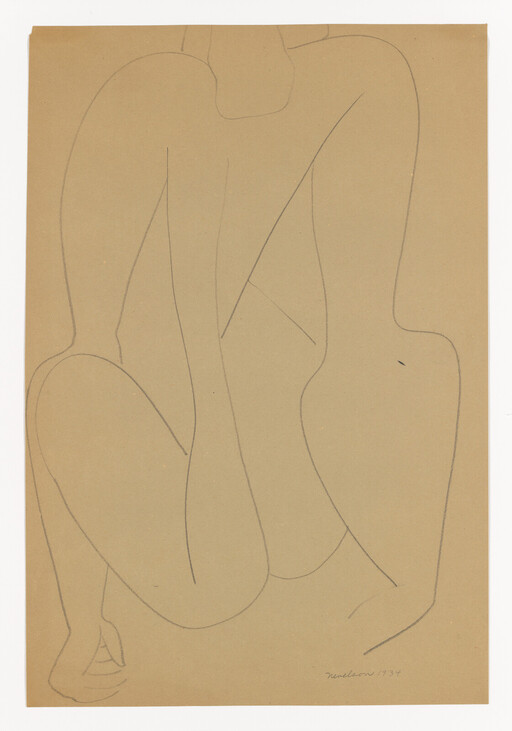
Untitled
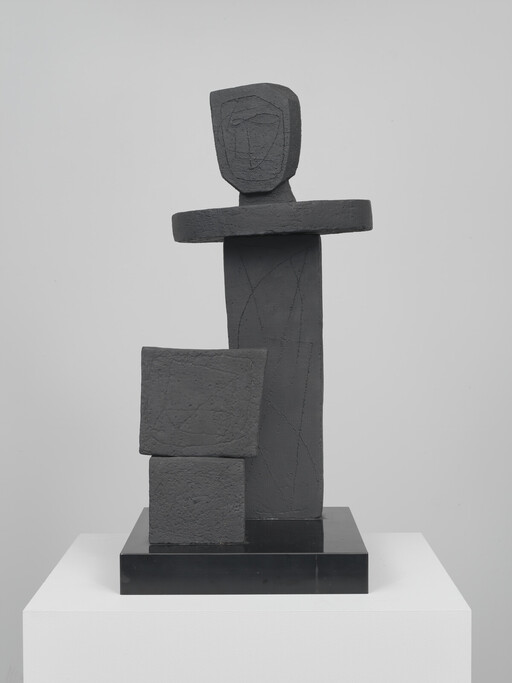
Moving-Static-Moving Figure
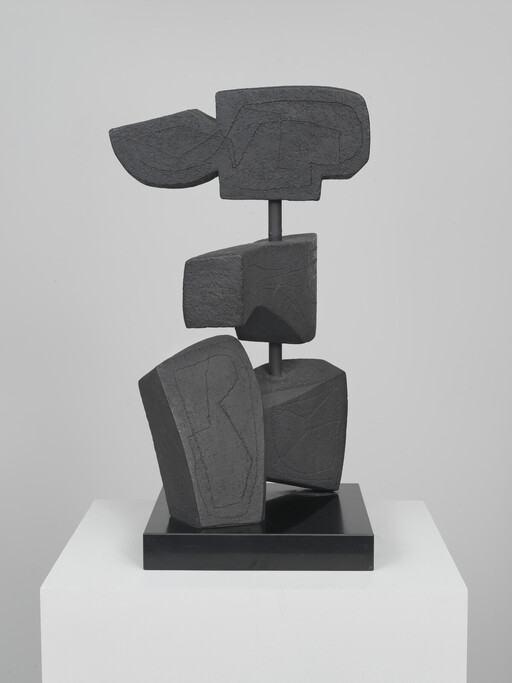
Moving-Static-Moving Figure
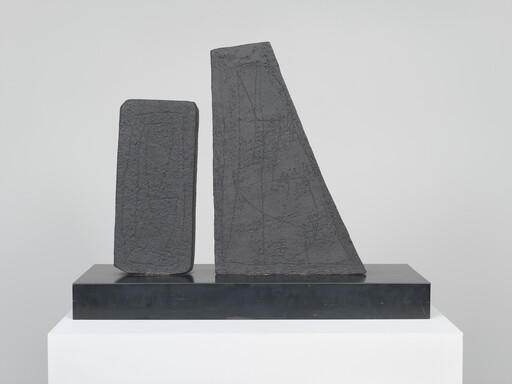
Moving-Static-Moving Figure
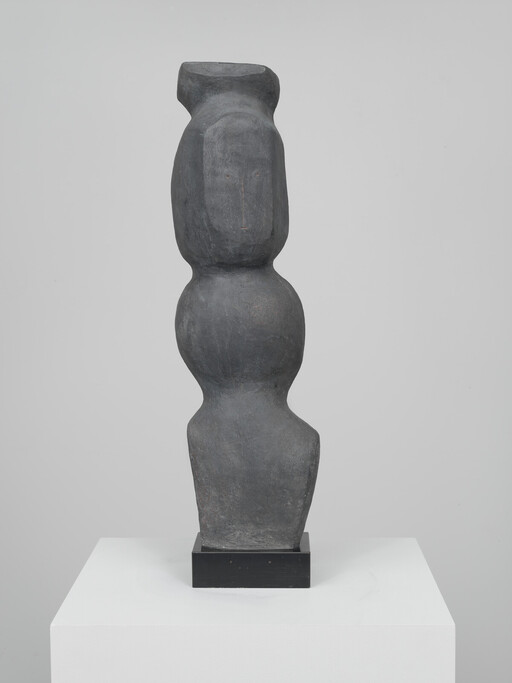
Moving-Static-Moving Figure
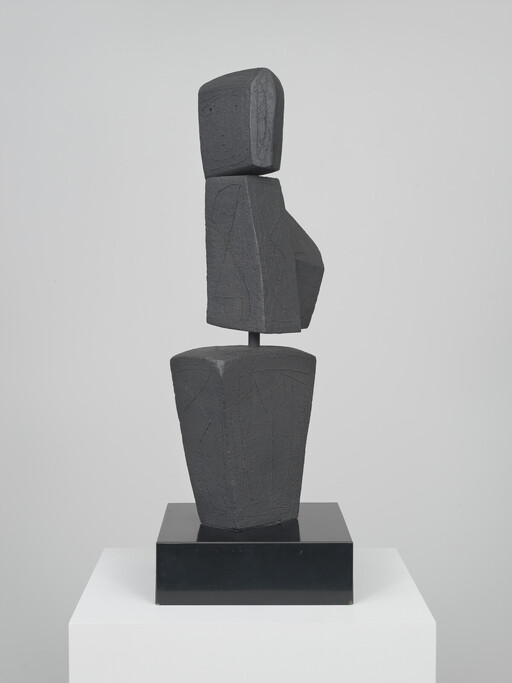
Moving-Static-Moving Figure
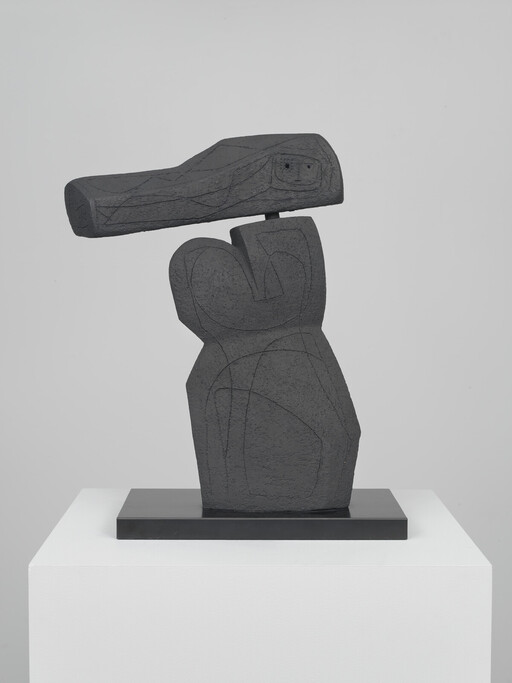
Moving-Static-Moving Figure
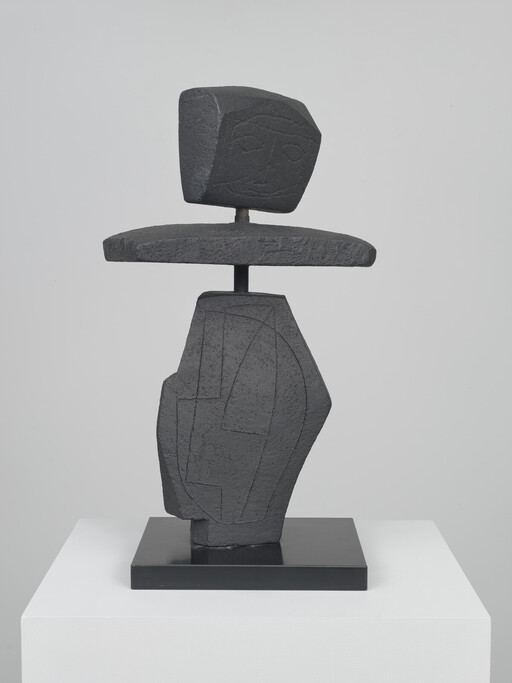
Moving-Static-Moving Figure
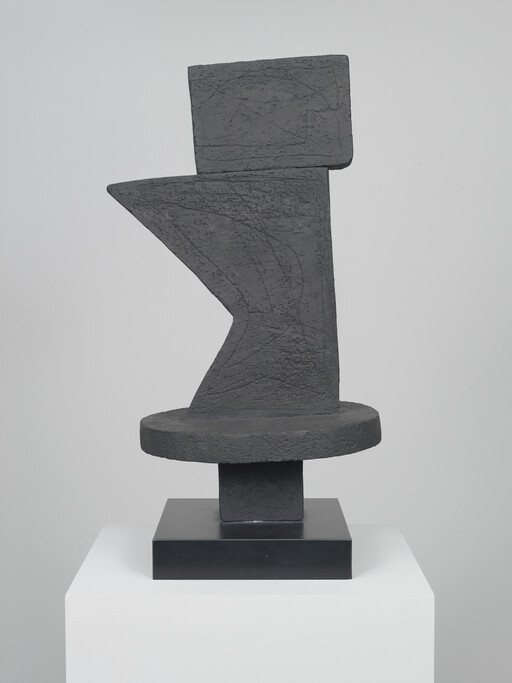
Moving-Static-Moving Figure
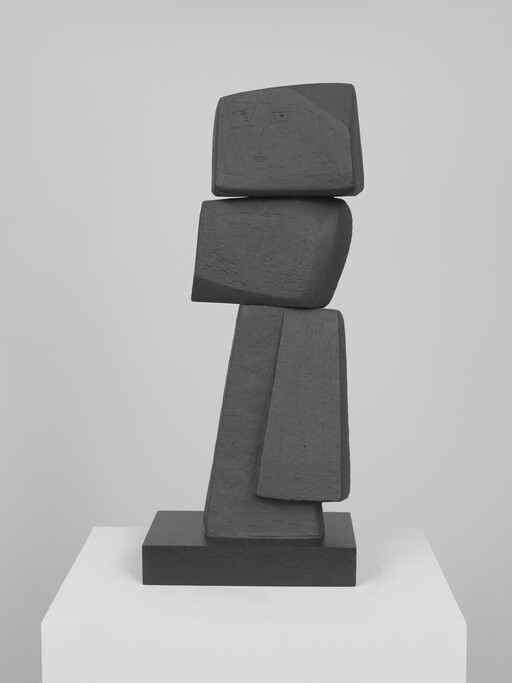
Moving-Static-Moving Figure
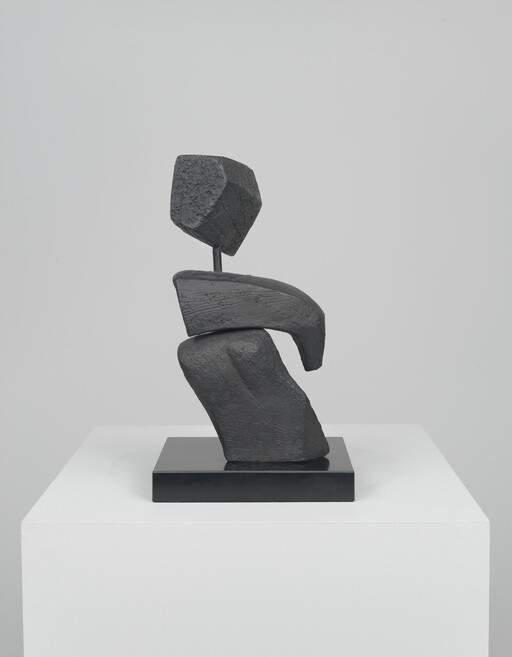
Moving-Static-Moving Figure
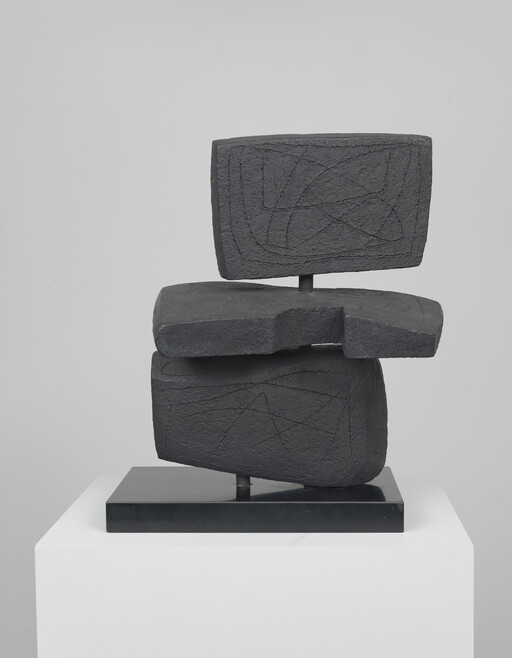
Moving-Static-Moving Figure
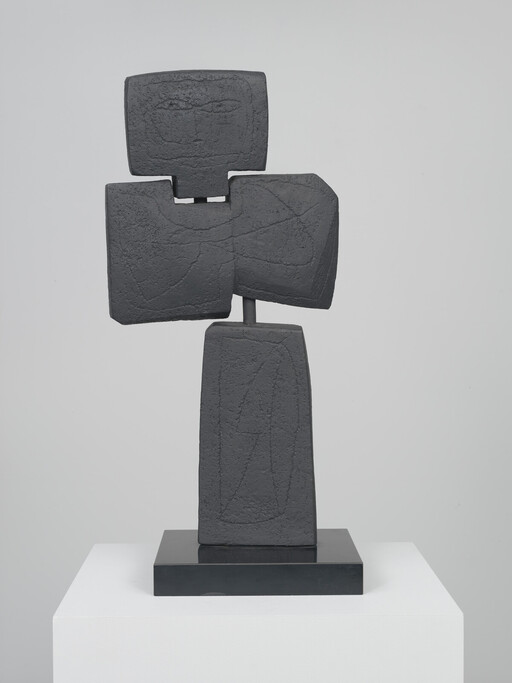
Moving-Static-Moving Figure
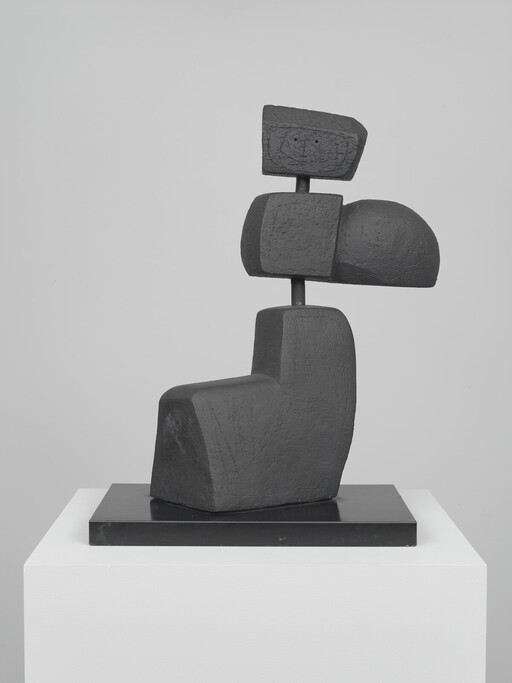
Moving-Static-Moving Figure
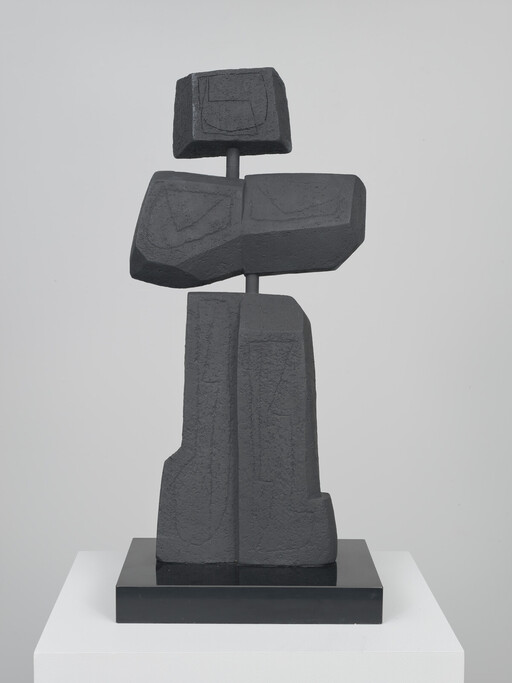
Moving-Static-Moving Figure
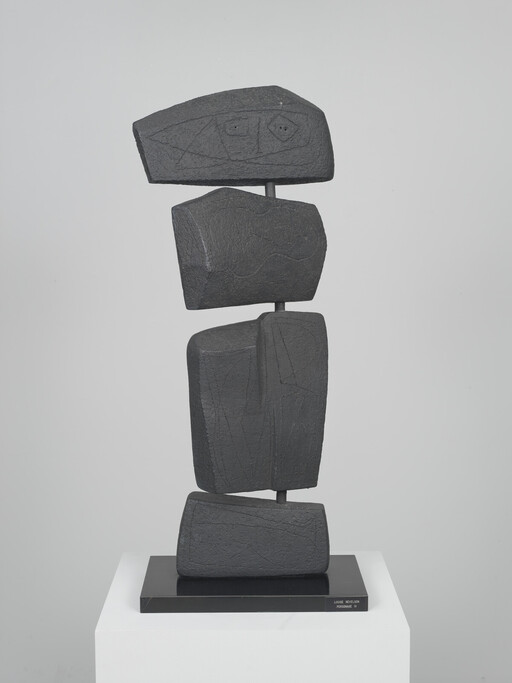
Moving-Static-Moving Figure
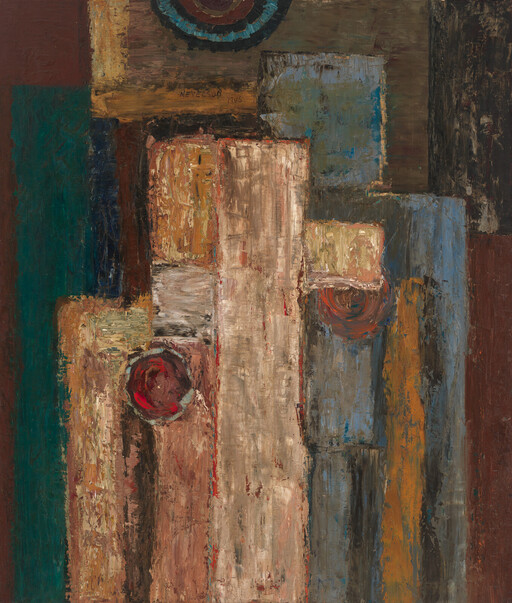
Cube Plus One
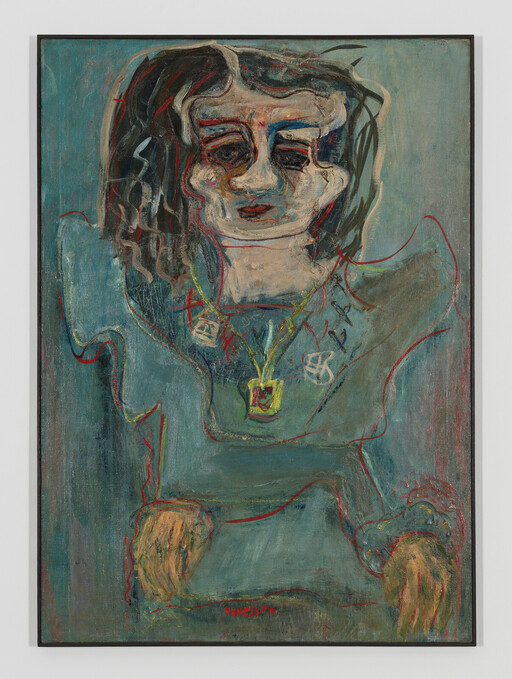
Self Portrait
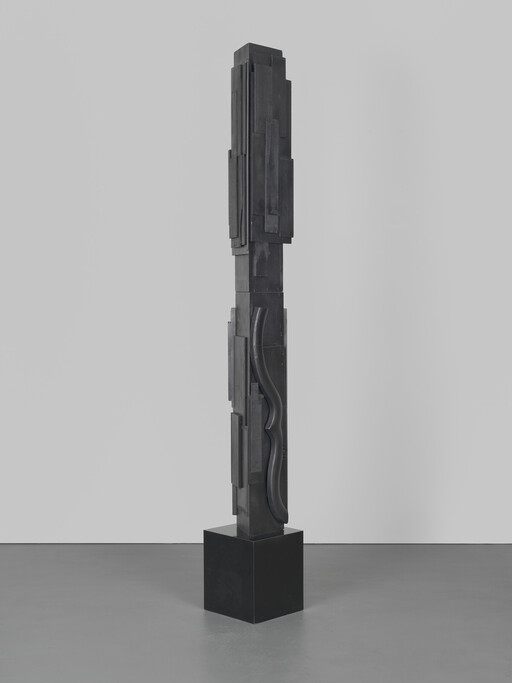
Rain Forest Column VII
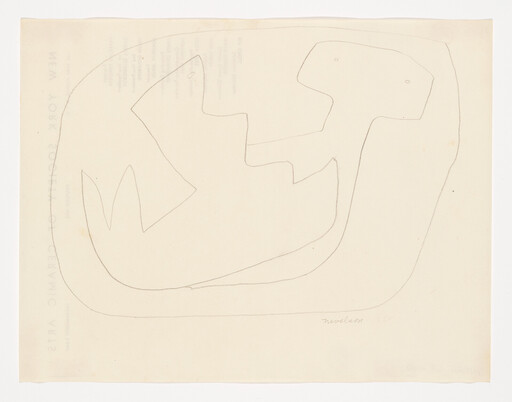
Untitled
Untitled
Rain Forest Column III
Circus Wagon
Showing the first 60 of 104 works. Browse all 104 →
Exhibitions at the Whitney
- Collection View: Louise Nevelson 2025-04-09 – 2025-08-10
- At the Dawn of a New Age: Early Twentieth-Century American Modernism 2022-05-07 – 2023-02-26
- Labyrinth of Forms:<br>Women and Abstraction, 1930–1950 2021-10-09 – 2022-03-13
- The Whitney’s Collection: Selections from 1900 to 1965 2019-06-28 – 2025-05-01
- The Face in the Moon: Drawings and Prints by Louise Nevelson 2018-07-20 – 2018-10-08
- An Incomplete History of Protest: Selections from the Whitney’s Collection, 1940–2017 2017-08-18 – 2018-08-27
- Human Interest: Portraits from the Whitney’s Collection 2016-04-02 – 2017-04-02
- America Is Hard to See 2015-05-01 – 2015-09-27
- Shaping a Collection: Five Decades of Gifts 2014-07-17 – 2014-10-19
- Signs & Symbols 2012-06-28 – 2012-10-28
- Prints into Drawings 2005-04-14 – 2005-08-28
- New Additions: Prints for an American Museum Part II 2004-01-29 – 2004-05-16
- De Kooning to Today: Highlights from the Permanent Collection (2nd floor–Oct 2002) 2002-10-10 – 2003-03-02
- Transitions at Mid-Century, Works on Paper 1945–1955 2002-02-02 – 2002-05-26
- In Depth: Recent Acquisitions in Prints 2000-07-22 – 2000-11-26
- Louise Nevelson: Structures Evolving 1998-04-29 – 2002-06-02
- An American Story 1996-03-20 – 1996-09-29
- In a Classical Vein: Works from the Permanent Collection 1993-10-18 – 1994-04-03
- Louise Nevelson: Atmospheres and Environments 1980-05-27 – 1980-09-14
- Whitney Biennial 1973: Contemporary American Art 1973-01-10 – 1973-03-18
- Louise Nevelson--Recent Acquisitions to the Permanent Collection 1970-11-10 – 1970-12-13
- 1968 Annual Exhibition: Contemporary American Sculpture 1968-12-17 – 1969-02-09
- Louise Nevelson 1967-03-08 – 1967-04-30
- Annual Exhibition 1966: Contemporary Sculpture and Prints 1966-12-16 – 1967-02-05
- 1964 Annual Exhibition of Contemporary American Sculpture 1964-12-09 – 1965-01-31
- Annual Exhibition 1962: Contemporary Sculpture and Drawings 1962-12-12 – 1963-02-03
- Annual Exhibition 1960: Contemporary Sculpture and Drawings 1960-12-07 – 1961-01-22
- 1957 Annual Exhibition: Sculpture, Paintings, Watercolors 1957-11-20 – 1958-01-12
- 1956 Annual Exhibition: Sculpture, Paintings, Watercolors, Drawings 1956-11-14 – 1957-01-06
- 1956 Annual Exhibition of Contemporary American Sculpture, Watercolors and Drawings 1956-04-18 – 1956-06-10
- 1953 Annual Exhibition of Contemporary American Sculpture, Watercolors and Drawings 1953-04-09 – 1953-05-29
- 1950 Annual Exhibition of Contemporary American Sculpture, Watercolors and Drawings 1950-04-01 – 1950-05-28
- 1947 Annual Exhibition of Contemporary American Sculpture, Watercolors and Drawings 1947-03-11 – 1947-04-17
- 1946 Annual Exhibition of Contemporary American Sculpture, Watercolors and Drawings 1946-02-05 – 1946-03-13