Artist Biennial On view
Edward Ruscha
1937–
Biography
Ed Ruscha has incorporated popular imagery and text into his paintings, drawings, prints, photographs, artist’s books, and films since beginning his career in the early 1960s. These methods have aligned him with Pop and Conceptual art, yet his body of work frustrates easy categorization. For Large Trademark with Eight Spotlights, Ruscha amplified the 20th Century Fox film studio trademark to monumental proportions, rendering it, in his words, “Hollywoodized.” Most familiar as part of the pre-title sequence that gives way to a motion picture, the trademark here takes a starring role; the spotlights noted in the work’s title likewise emphasize the importance of branding in popular entertainment. At just over eleven feet long, the painting has a sharp diagonal momentum that provides what Ruscha describes as a “comic comment on the idea of speed and motion in a picture.” His dry sense of humor also underscores Standard Station, Amarillo, Texas. The photograph was created for the artist’s book Twentysix Gasoline Stations (1963), a collection of twenty-six images that is purposefully banal and seemingly useless—“a product,” the artist explained, “for a non-existent audience.” The lackluster company name, “Standard Oil,” and the generic quality of the stations’ architecture receive their complement in Ruscha’s prosaic approach. More interested in information than aesthetics, he described himself as “doing photographs without being a photographer.” Ironically, Ruscha’s snapshot aesthetic later became the “standard” for many Conceptual artists.
Lion in Oil displays the artist’s ongoing fascination with language’s potential to both clarify and confuse. The juxtaposition of the mirrored letters of its title—a palindrome—with the image of an impossibly symmetrical mountain range becomes increasingly strange with prolonged viewing. Ruscha painted the phrase in an invented typeface he calls “Boy Scout Utility Modern,” designed so that its style “doesn’t say anything.” The signpost-like lettering is extremely legible, but the words add up to nonsense, presenting the viewer with an odd combination of precision and obscurity. The highly detailed but ultimately fictional mountain range plays a similar role, providing what Ruscha calls an “anonymous backdrop for the drama of words.” The enduring ambiguity in Ruscha’s work is fitting for an artist who from the beginning has opined: “art has to be something that makes you scratch your head.”
Works in the collection
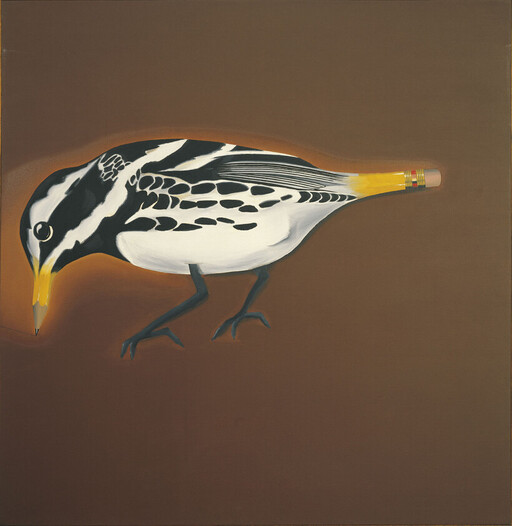
Give Him Anything and He'll Sign It
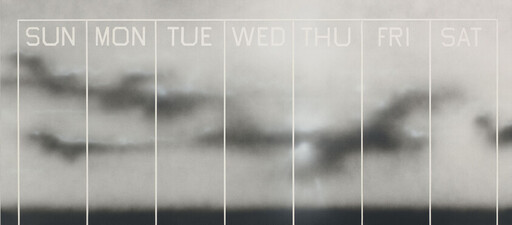
Reminder
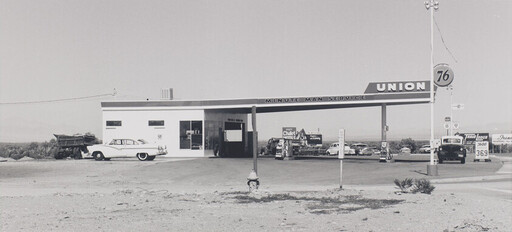
Union - Needles, CA
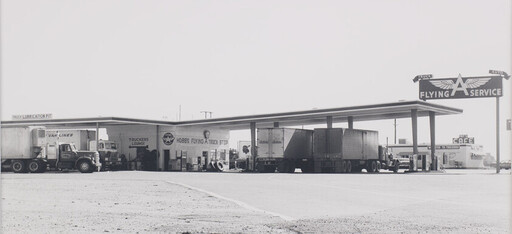
Flying A - Kingman, AZ
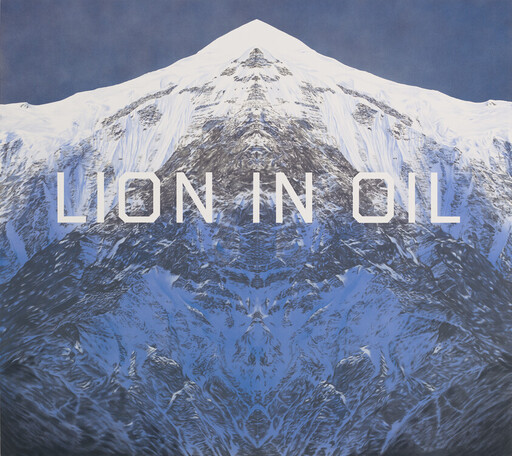
Lion in Oil
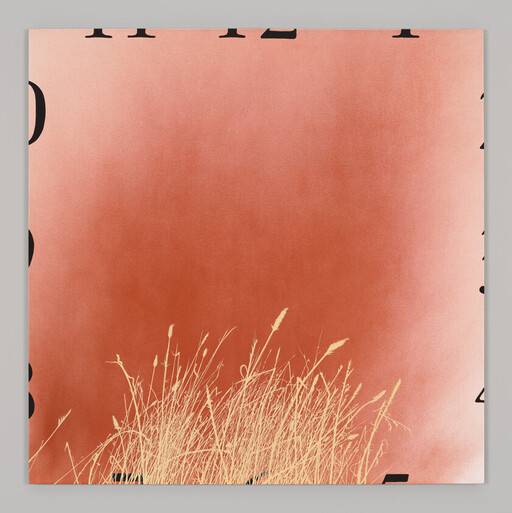
OLD SMOBILE
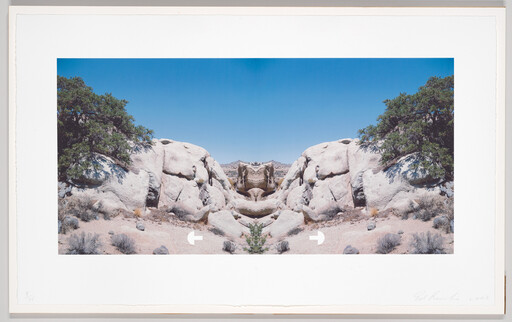
Bow-Tie Rivet
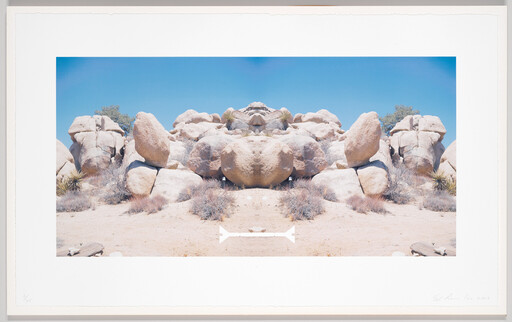
Bow-Tie Screwhead
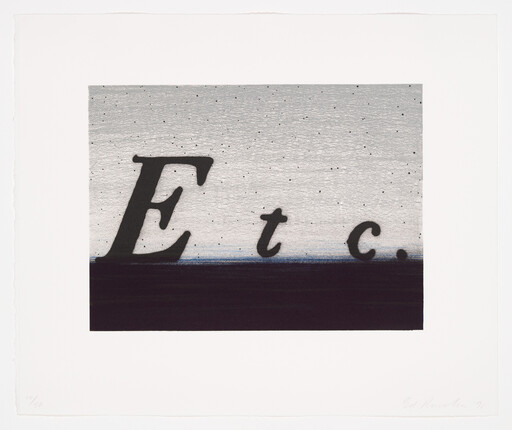
Etc.
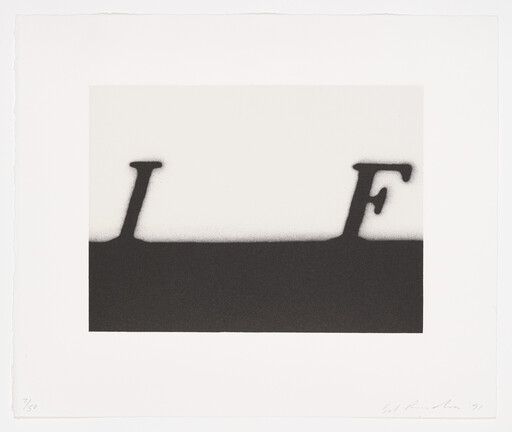
If
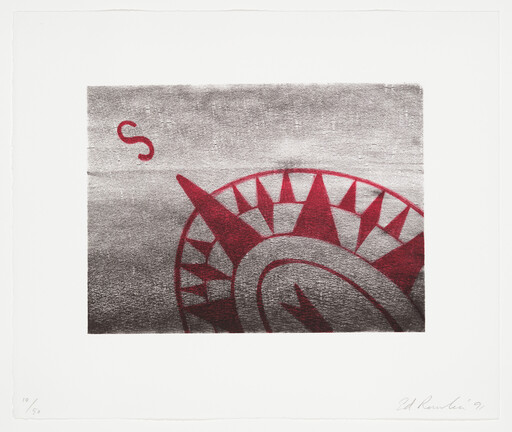
South
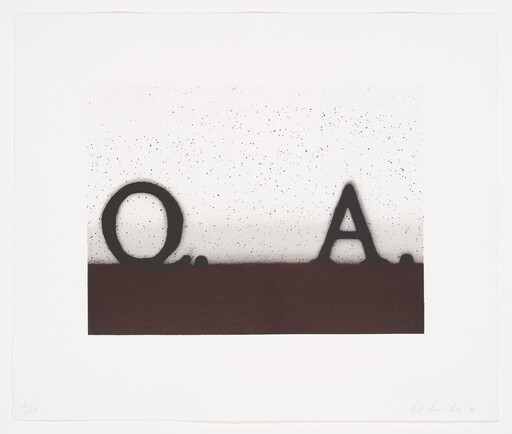
Question & Answer
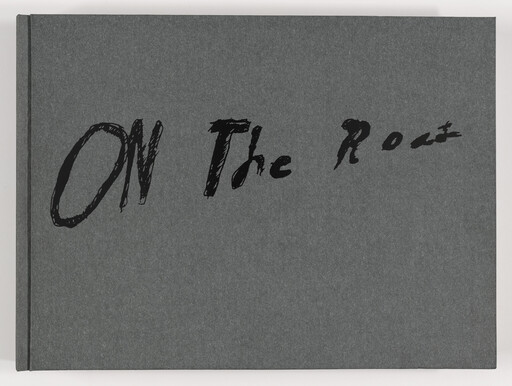
On the Road
News, Mews, Pews, Brews, Stews, & Dues
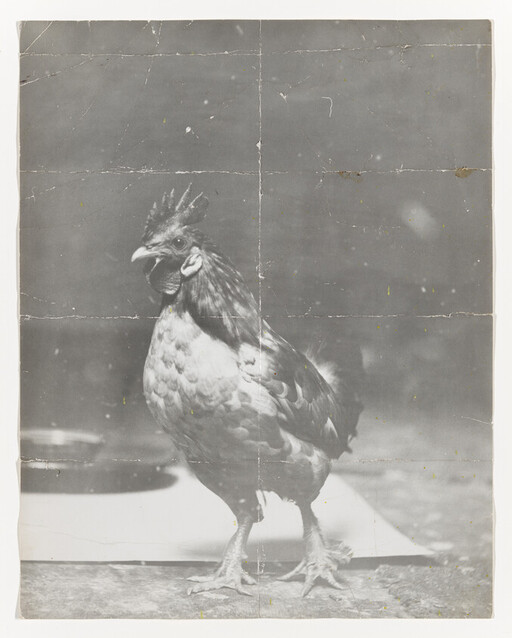
Ross the Rooster
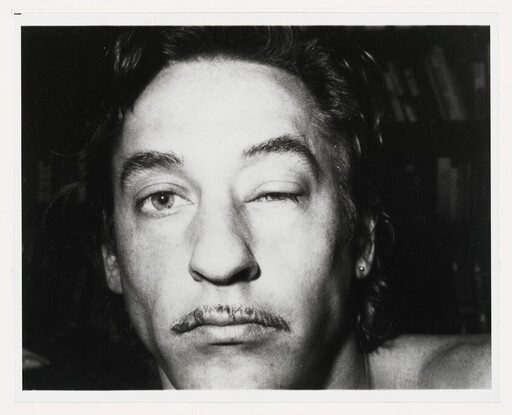
Swollen Eye
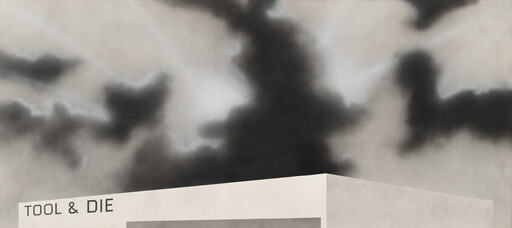
Blue Collar Tool & Die
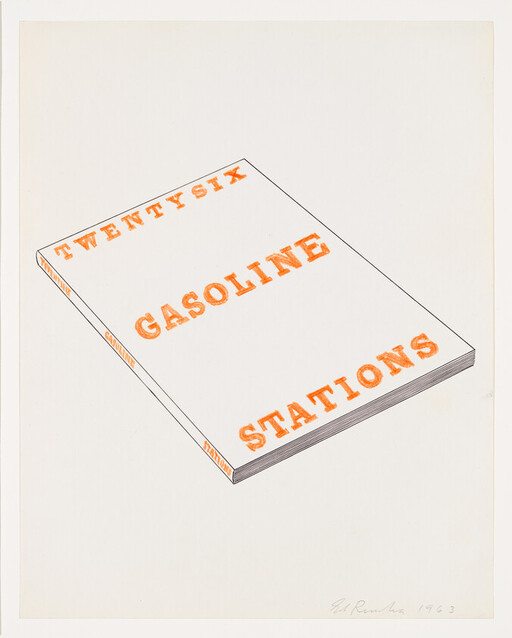
Twentysix Gasoline Stations Slant
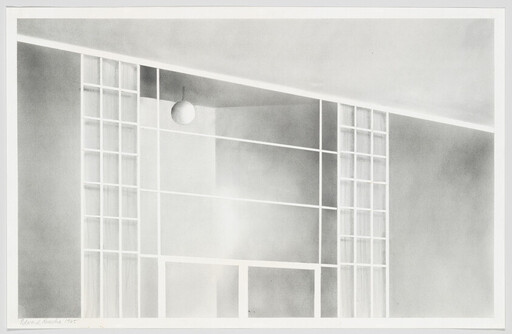
San Fernando Valley
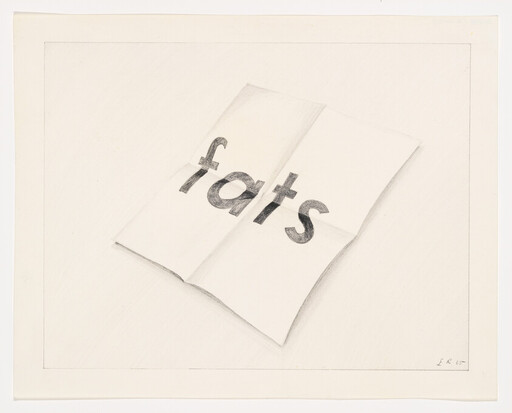
Folded Fats
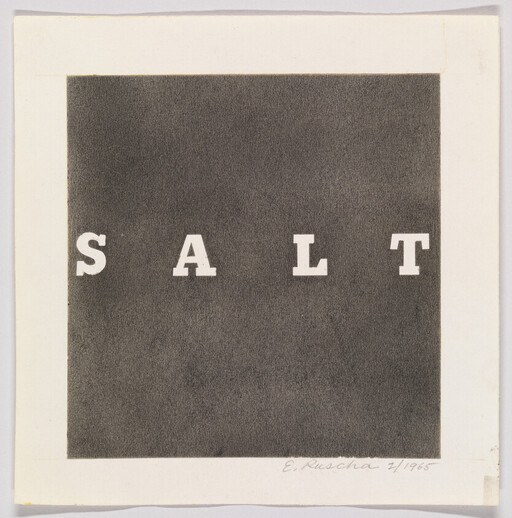
Salt
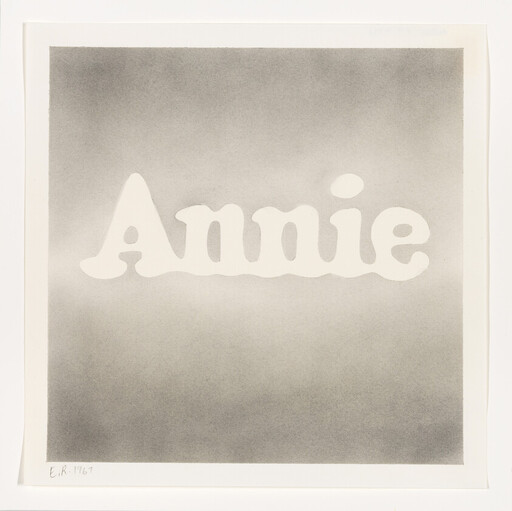
Annie
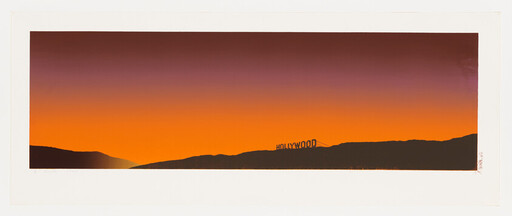
Hollywood Study #6
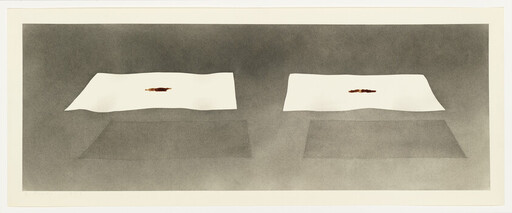
Two Sheets Stained with Blood
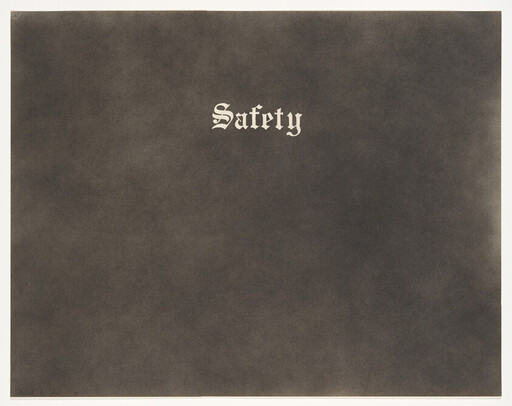
Safety
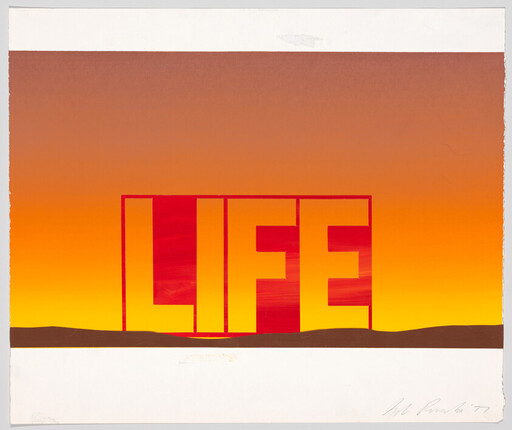
Life
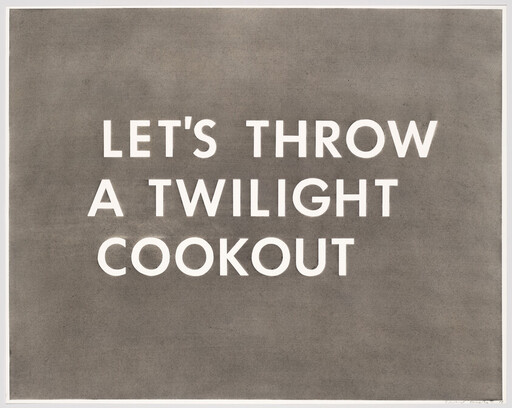
Let's Throw A Twilight Cookout
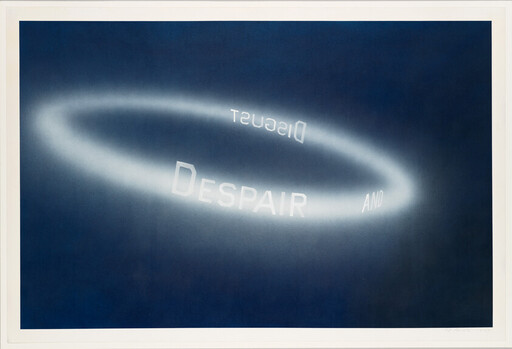
Despair And Disgust
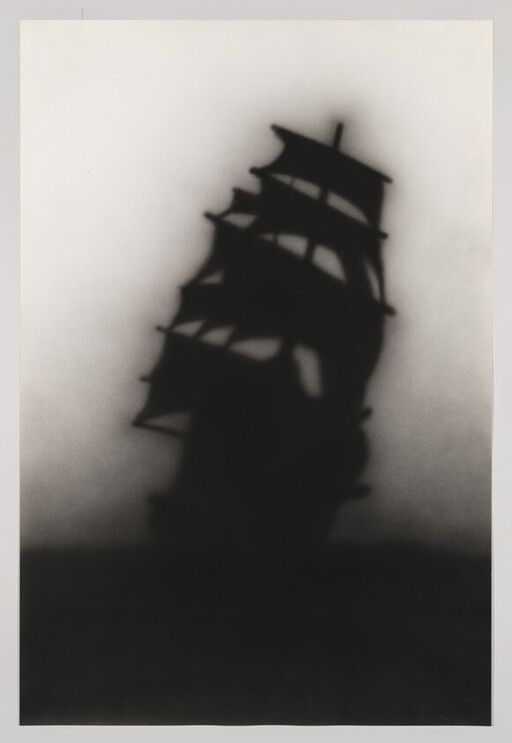
Ghost Ship
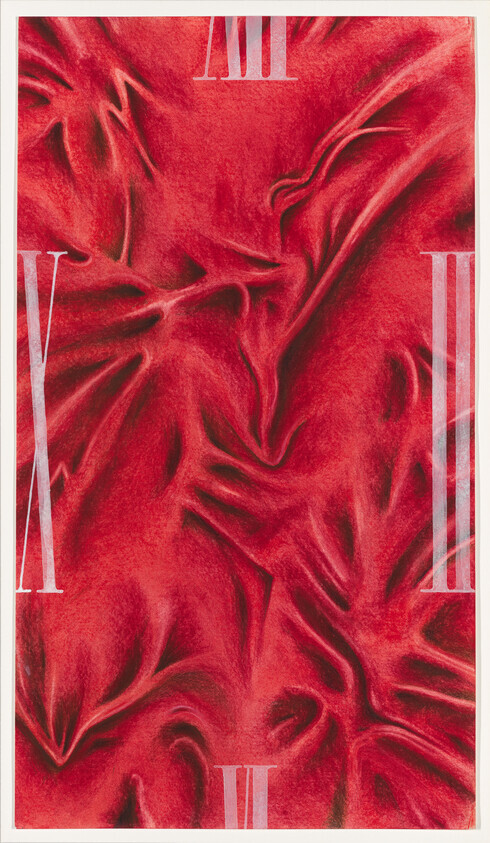
Pontiac
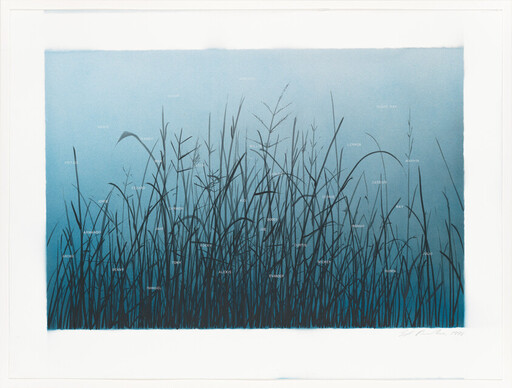
Fighters
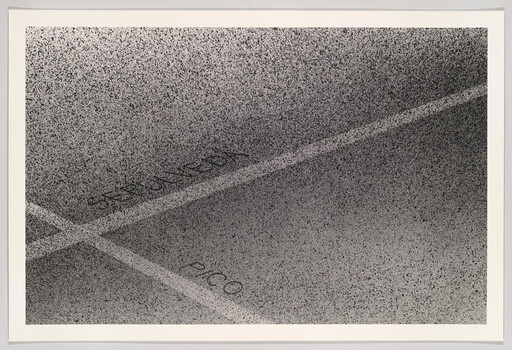
Pico and Sepulveda
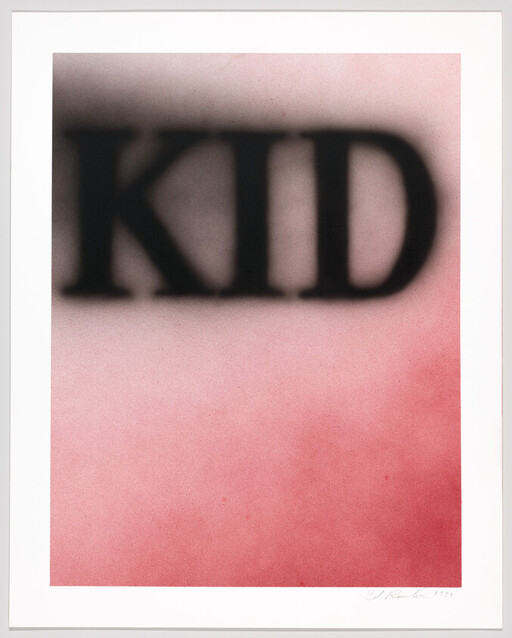
Kid
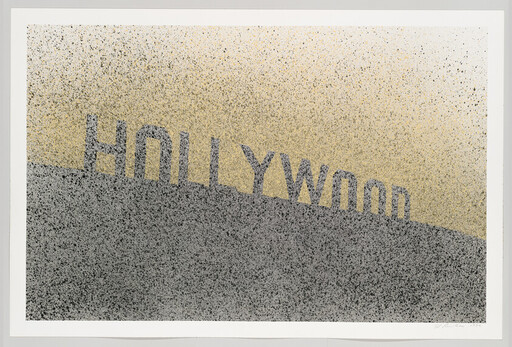
Hollywood 1
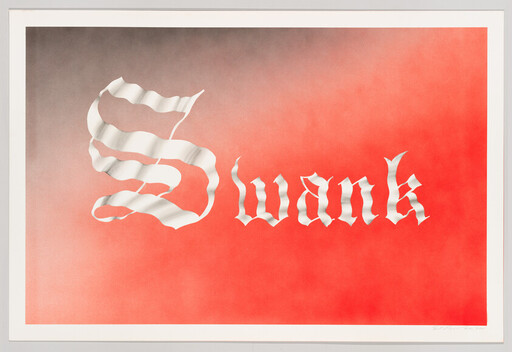
Swank
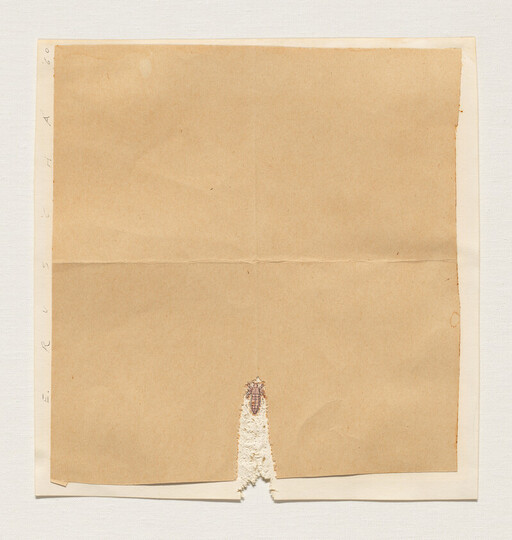
Insect Eating Paper
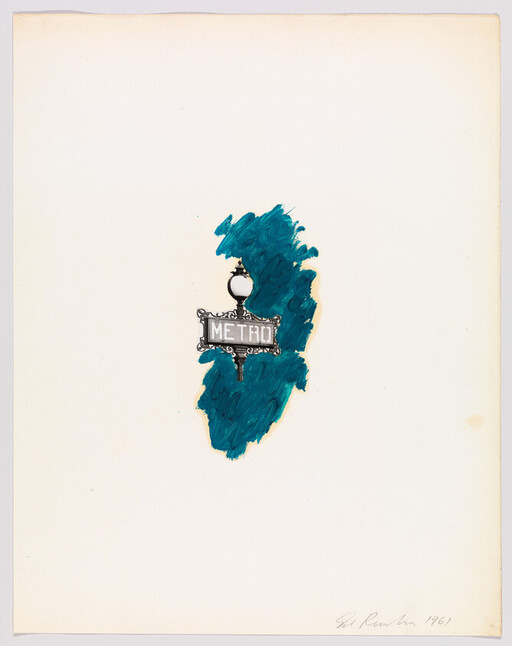
Metro
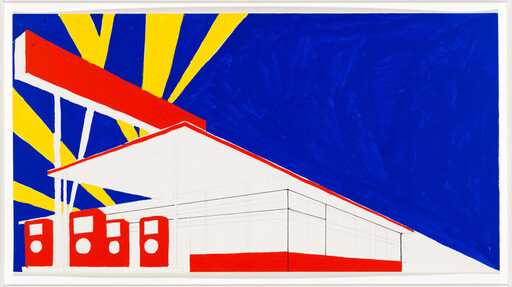
Standard Study #2
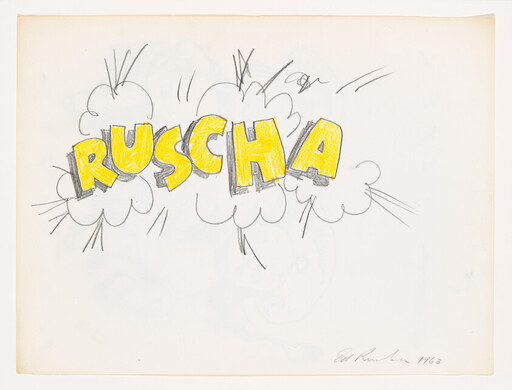
Corn-Popped Ruscha
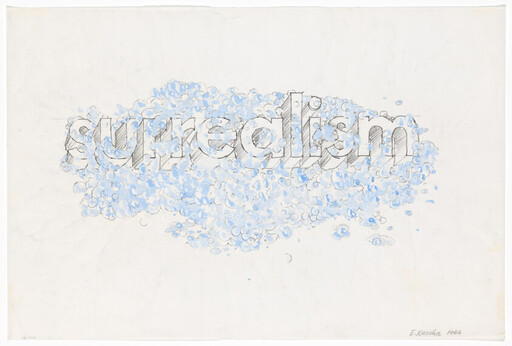
Surrealism
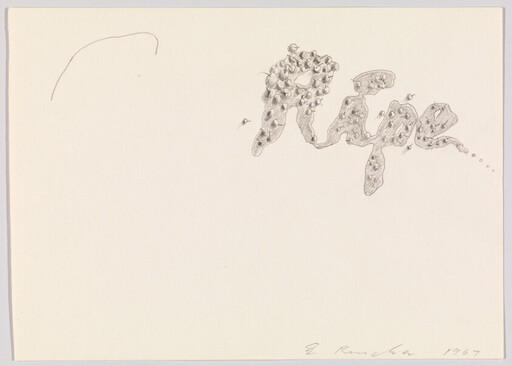
Ripe Study
Sin Study
Wax
Compazenes, Crumbs
Golden Jubilee
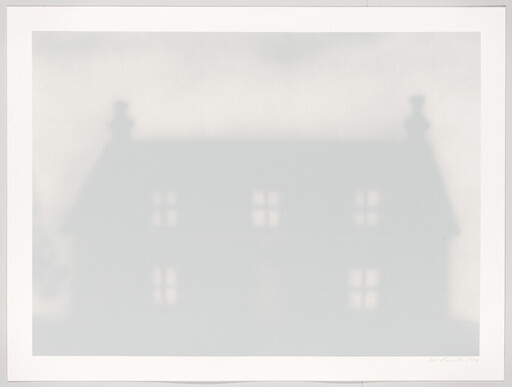
Old House
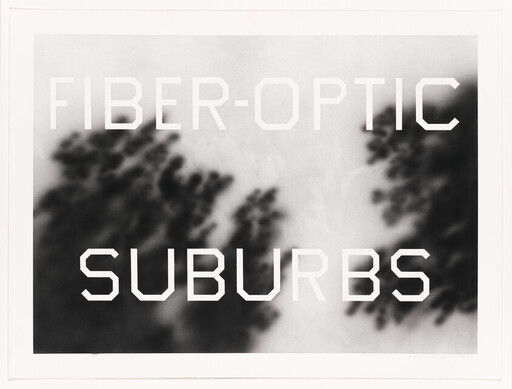
Fiber-Optic Suburbs
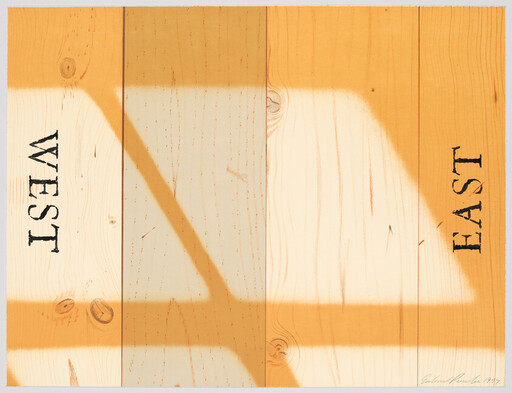
East West
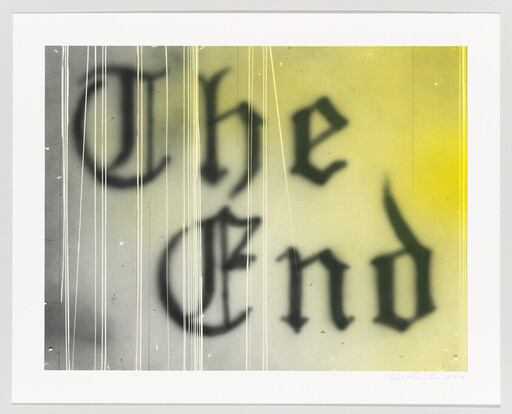
The End #23
Miracle
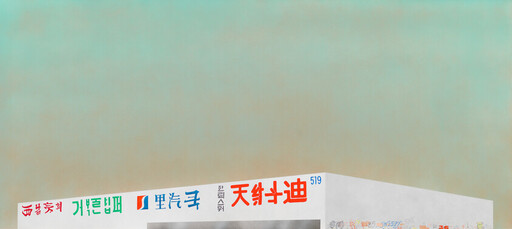
The Old Tool & Die Building
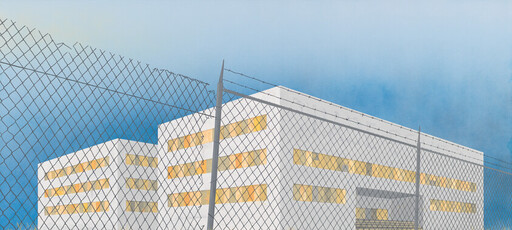
The Old Trade School Building
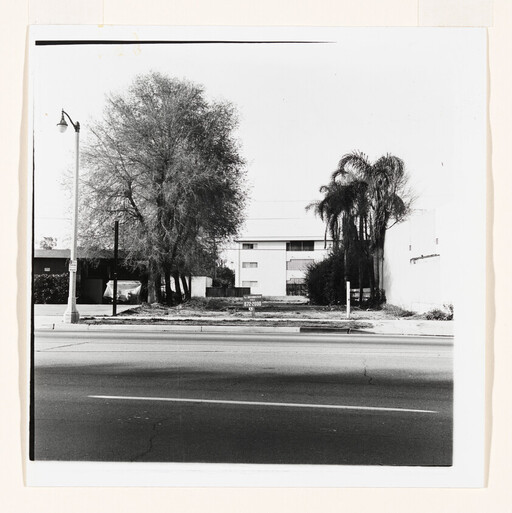
13217 Ventura Blvd., Studio City
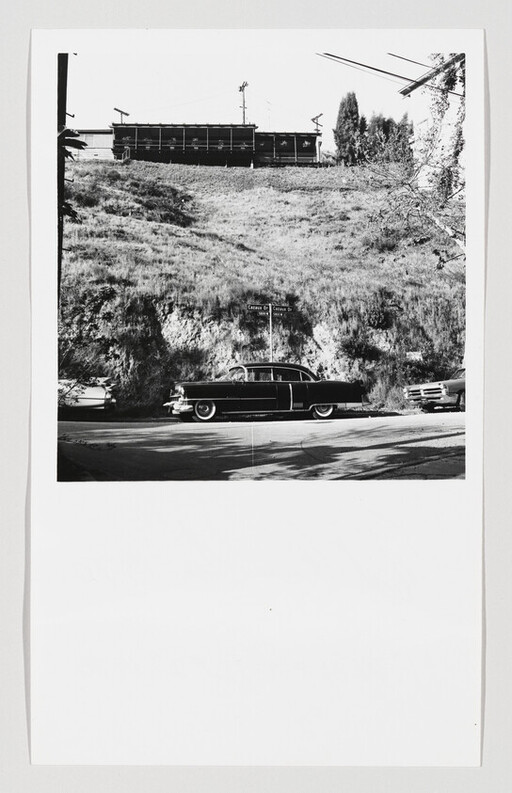
5800 W. Cazaux Dr., Hollywood
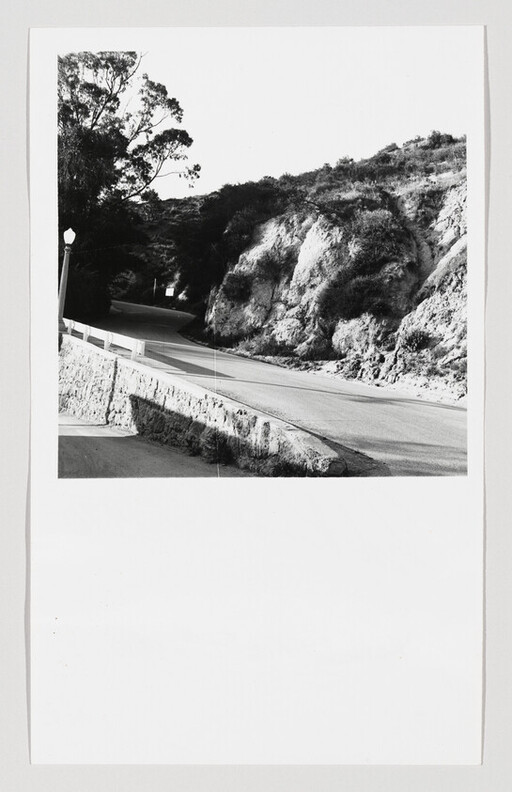
Real Estate #1
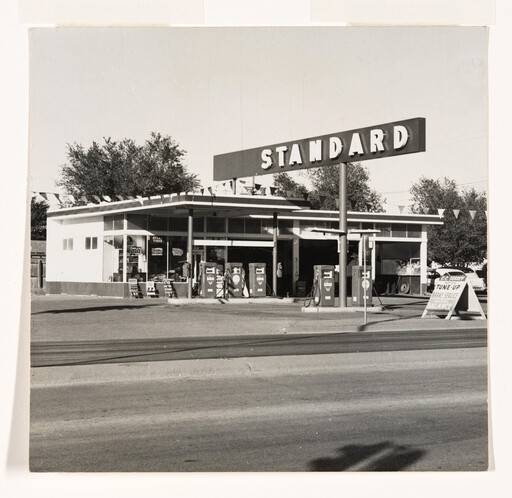
Standard Station, Amarillo, Texas
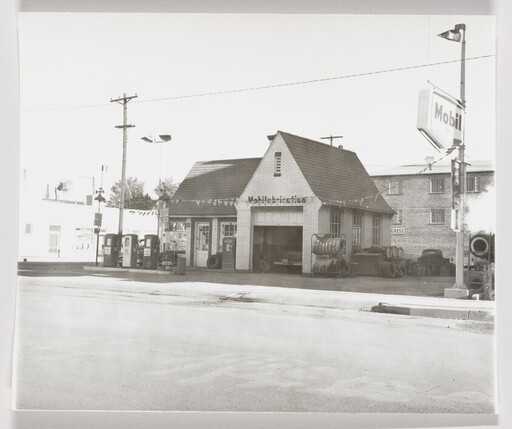
Mobil, Winslow, Arizona
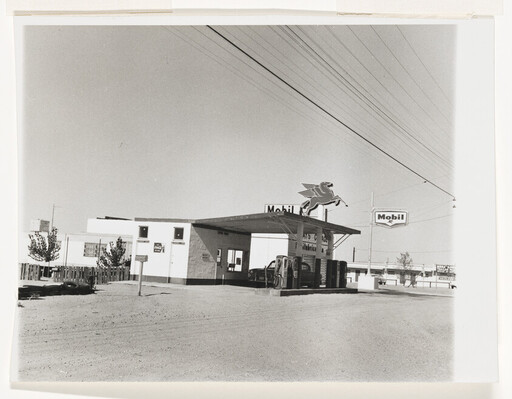
Mobil, Kingman, Arizona
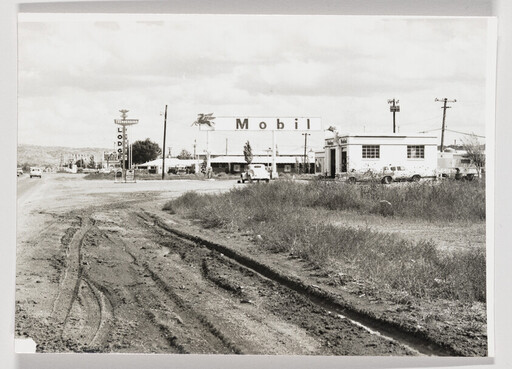
Mobil, Gallup, New Mexico
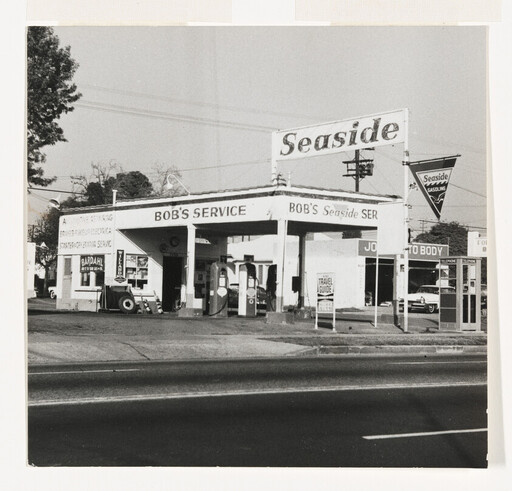
Bob's Service, Los Angeles, California
Showing the first 60 of 559 works. Browse all 559 →
Exhibitions at the Whitney
- Sixties Surreal 2025-09-24 – 2026-01-19
- The Whitney’s Collection: Selections from 1900 to 1965 2019-06-28 – 2025-05-01
- Where We Are: Selections from the Whitney’s Collection, 1900–1960 2017-04-28 – 2019-06-02
- Human Interest: Portraits from the Whitney’s Collection 2016-04-02 – 2017-04-02
- America Is Hard to See 2015-05-01 – 2015-09-27
- Shaping a Collection: Five Decades of Gifts 2014-07-17 – 2014-10-19
- Sinister Pop 2012-11-15 – 2013-03-31
- . . . as apple pie 2012-06-08 – 2013-06-09
- Legacy: The Emily Fisher Landau Collection 2011-02-10 – 2011-05-01
- Collecting Biennials 2010-01-16 – 2010-11-28
- A Few Frames: Photography and the Contact Sheet 2009-09-25 – 2010-01-03
- Photoconceptualism, 1966–1973 2009-05-22 – 2009-09-20
- Artists Making Photographs: Chamberlain, Rauschenberg, Ruscha, Samaras, Warhol 2009-01-16 – 2009-05-17
- “Progress” 2008-07-11 – 2009-01-04
- The Whitney’s Collection 2008-01-30 – 2010-01-03
- Full House: Views of the Whitney’s Collection at 75 2006-06-29 – 2006-09-03
- Down by Law 2006-01-21 – 2006-05-21
- Course of Empire: Paintings by Ed Ruscha 2005-11-17 – 2006-01-29
- Overhead/Underfoot: The Topographical Perspective in Photography 2005-07-01 – 2005-09-25
- Landscape 2005-03-24 – 2005-09-18
- Pop/Concept: Highlights from the Permanent Collection 2004-07-01 – 2004-10-24
- California Dreaming 2004-07-01 – 2004-08-22
- Ed Ruscha and Photography 2004-06-24 – 2004-09-26
- Cotton puffs, Q-Tips, Smoke and Mirrors: The Drawings of Ed Ruscha 2004-06-23 – 2004-09-26
- An American Legacy, A Gift to New York 2002-10-24 – 2003-01-26
- De Kooning to Today: Highlights from the Permanent Collection (2nd floor–Oct 2002) 2002-10-10 – 2003-03-02
- Whitney Biennial 1997 1997-03-20 – 1997-06-01
- An American Story 1996-03-20 – 1996-09-29
- Edward Ruscha Los Angeles Apartments 1990-07-26 – 1990-10-14
- Whitney Biennial 1987 1987-04-10 – 1987-07-05
- 1969 Annual Exhibition: Contemporary American Painting 1969-12-16 – 1970-02-01
- 1967 Annual Exhibition of Contemporary Painting 1967-12-13 – 1968-02-04