Artist Biennial
Sol LeWitt
1928–2007
Biography
Over the course of five decades, Sol LeWitt explored a variety of mediums and scales while continually mining ideas he first developed in the early 1960s. Seeking to distinguish himself from the Abstract Expressionists, LeWitt determined that the initial concept, not the finished object, was the work of art. In a series of 1967 statements that outlined parameters for Conceptual art, the artist argued, “The idea becomes a machine that makes the art.”
In 1968 LeWitt sought to make a work that was “as two-dimensional as possible,” and he achieved this flatness literally by sketching directly onto a gallery wall. During the next forty years he conceived of more than 1,200 wall drawings. Accompanying instructions allow other artists and even amateurs to execute the works in different locations. LeWitt saw the wall drawings as the equivalent of musical scores that could be realized by any number of people in any location, and his instructions often allow for subtle interpretive differences. For Wall Drawing #289, the artist instructs drafters to draw lines in white crayon charted on a six-inch graphite grid that overlays one to four painted black walls.
LeWitt’s three-dimensional works, or “structures,” are based on the unit of an open rather than solid cube, peeling away what he perceived as the decorative skin on traditional sculpture. Though he created these structures in a range of scales, LeWitt maintained the ratio 1:8.5 for each unit (the empty space is 8.5 times the width of the wood or metal edge). Five Towers, a later, more complex structure, rises more than seven feet in height, culminating in four towers on each edge of its square form, with a fifth tower in the center.
Works in the collection
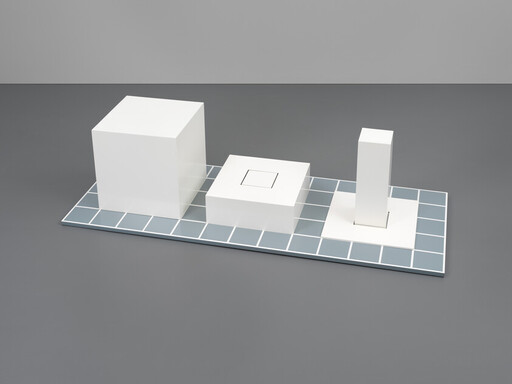
Serial Project #1 (D 3 5 7)
Arcs and Bands in Color
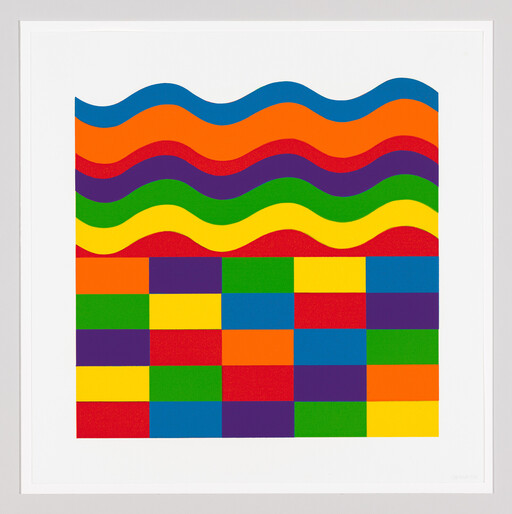
Arcs and Bands in Color
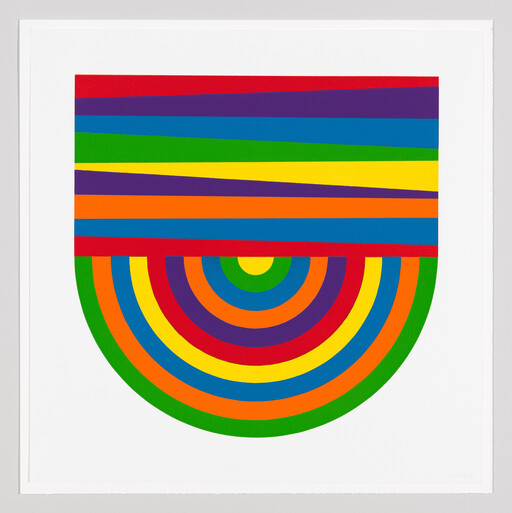
Arcs and Bands in Color
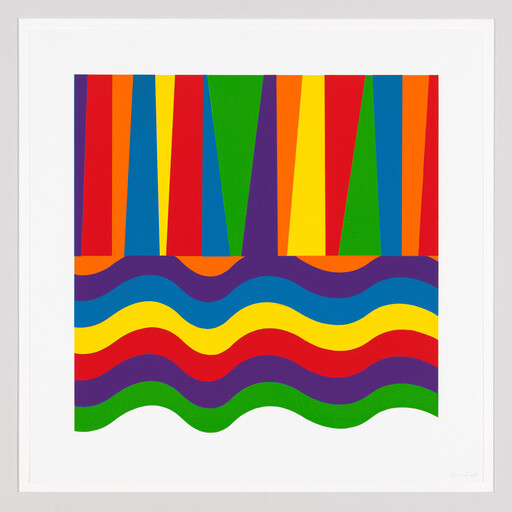
Arcs and Bands in Color
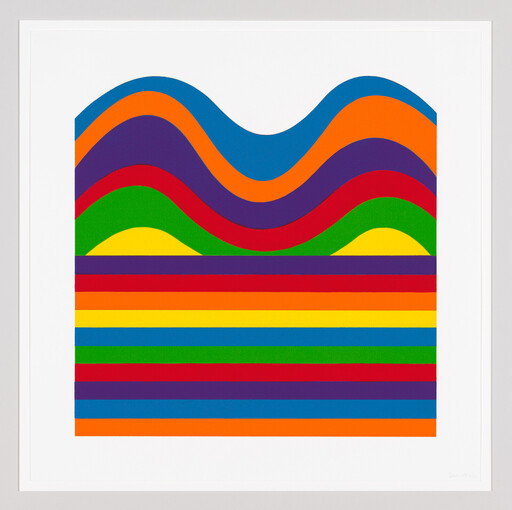
Arcs and Bands in Color
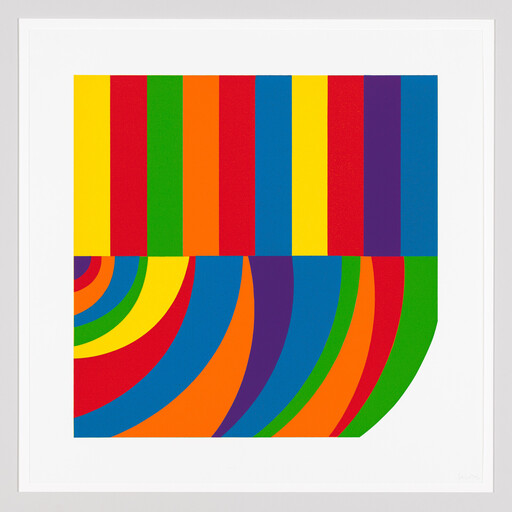
Arcs and Bands in Color
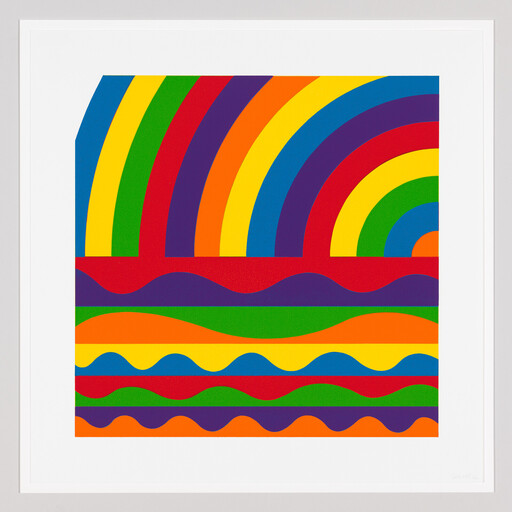
Arcs and Bands in Color
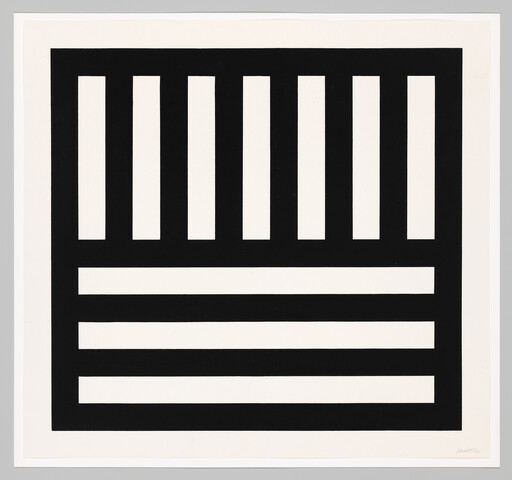
Black Bands in Two Directions
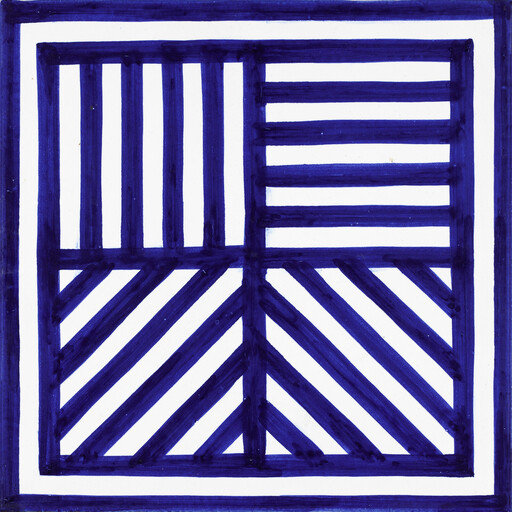
Untitled (Lines in Four Directions, Blue)
Wall Structure
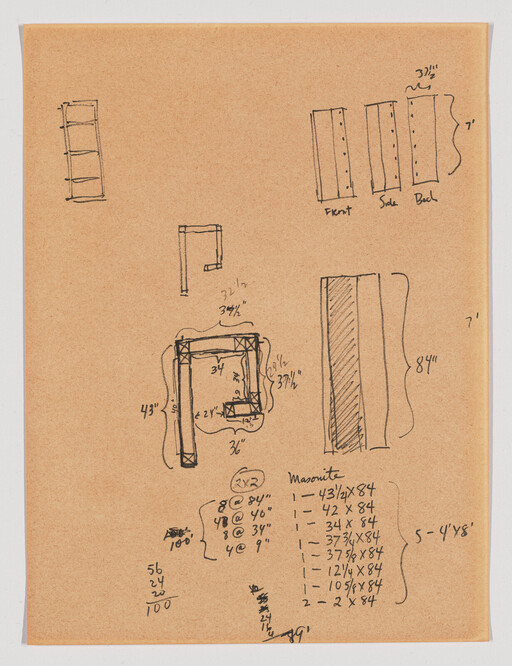
Untitled Drawing for Wall Structures
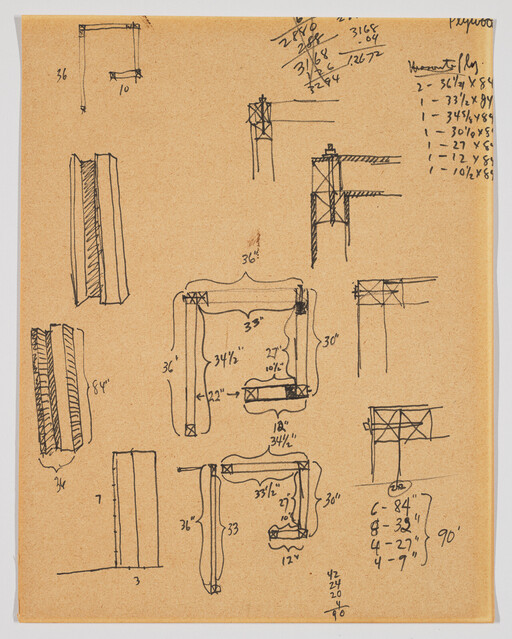
Untitled Drawing for "Wall Structures"
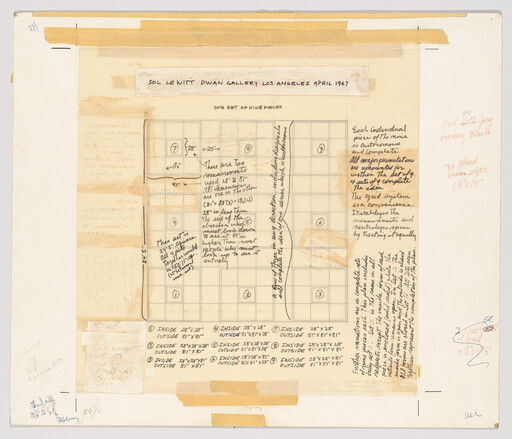
Serial Project No. 1 (ABCD)
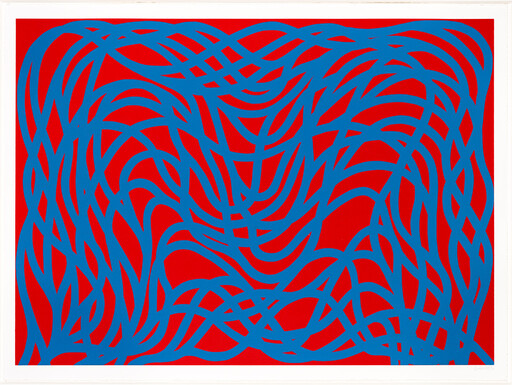
Loopy Doopy, Blue/Red
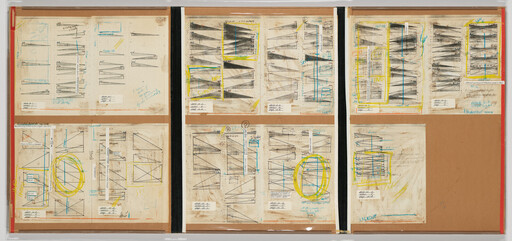
Dance #1
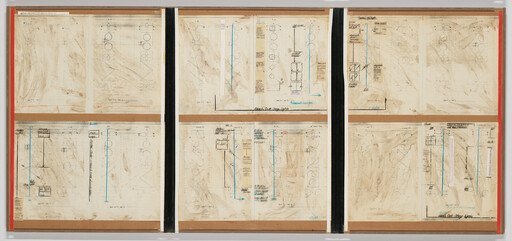
Dance #3
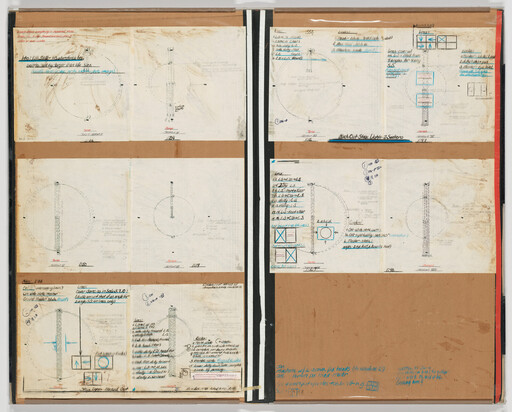
Dance #4
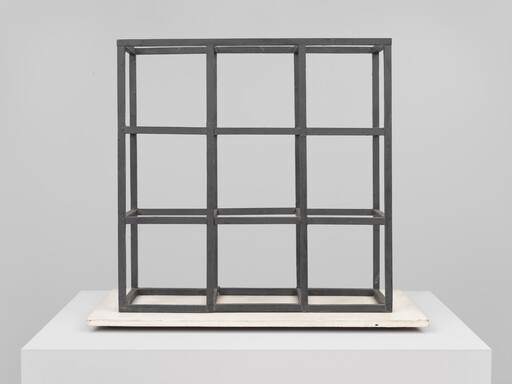
Untitled (Model)
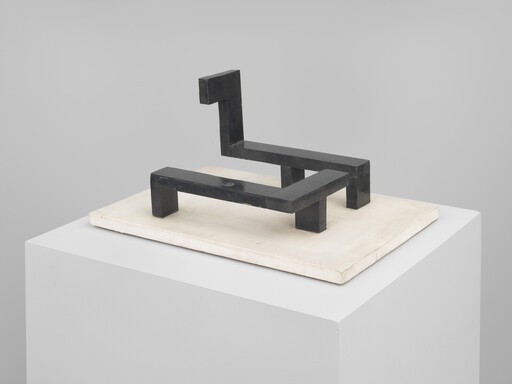
Untitled (Model)
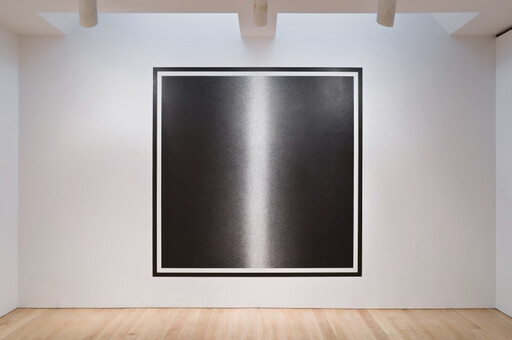
Scribbles (Whitney)
Wall Drawing #1101
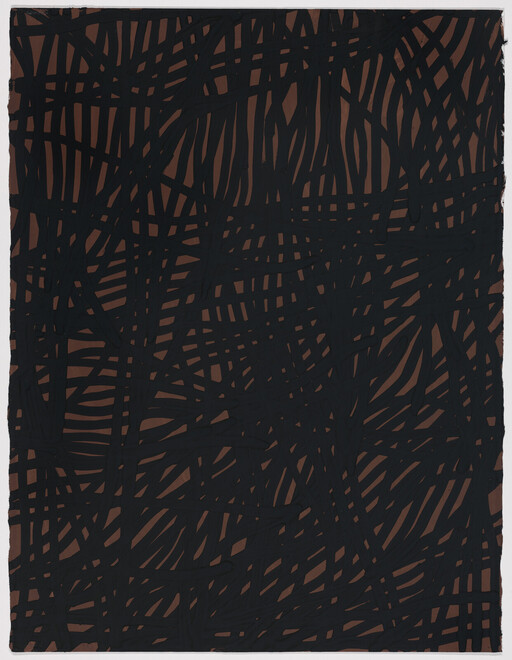
Irregular Grid
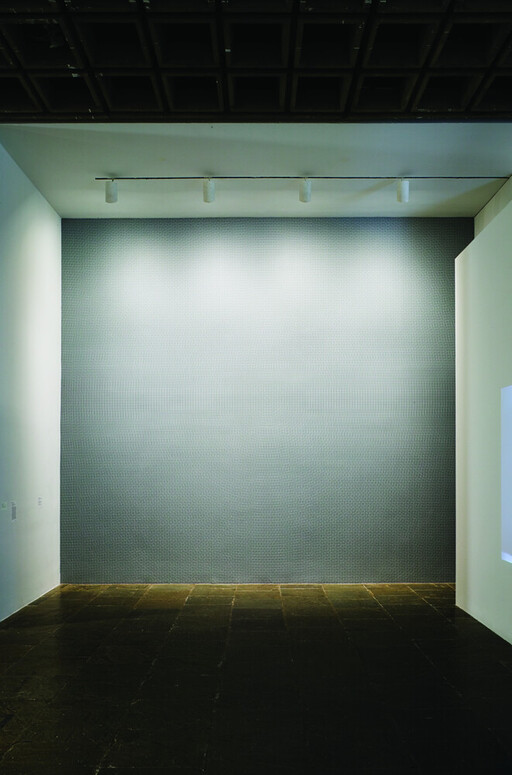
Wall Drawing #228: White Circles, Grids and Arcs from Two Opposite Sides of a Gray Wall
Wall Drawing #444 (Asymmetrical pyramid, based on the size of the wall, with color ink washes superimposed.)
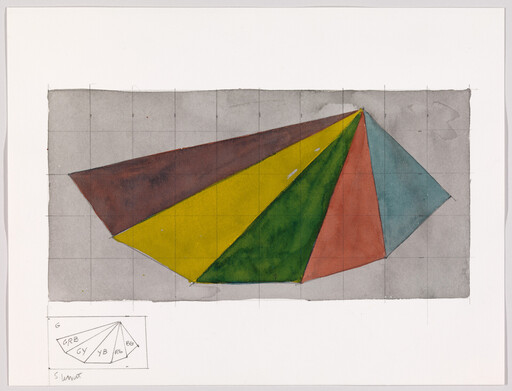
Drawing for Wall Drawing #444 (Asymmetrical pyramid with color ink washes superimposed.)
Notes on a Room
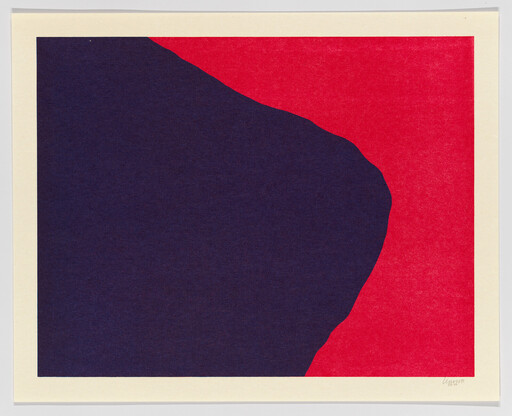
Irregular Form
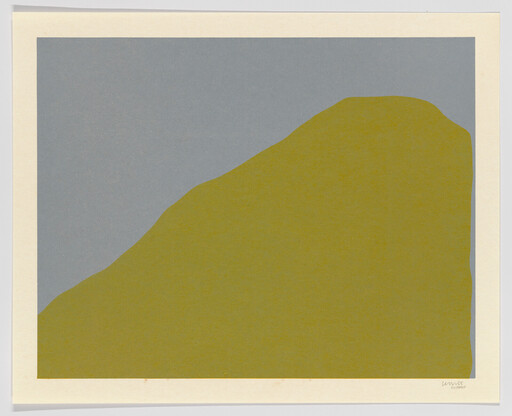
Irregular Form
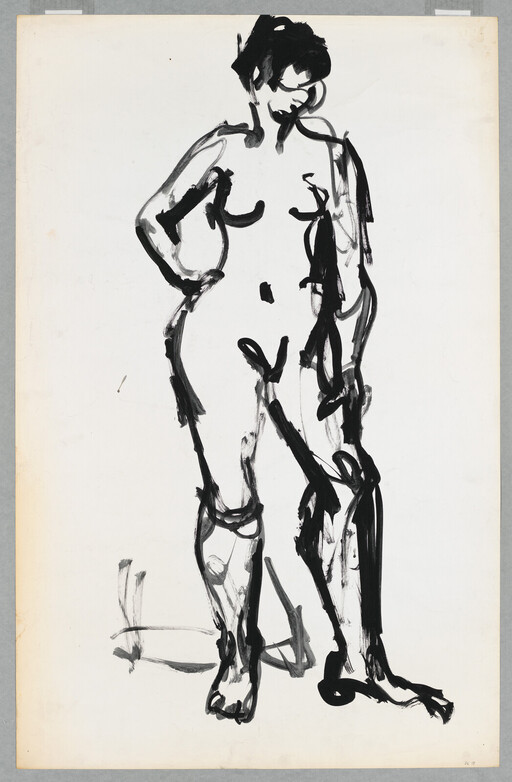
Standing Figure
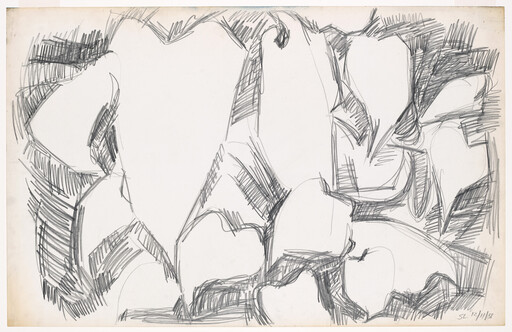
Vine
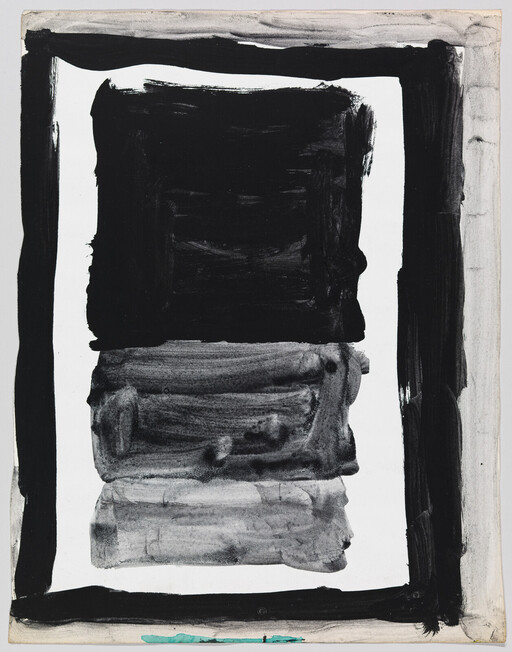
Working Drawing
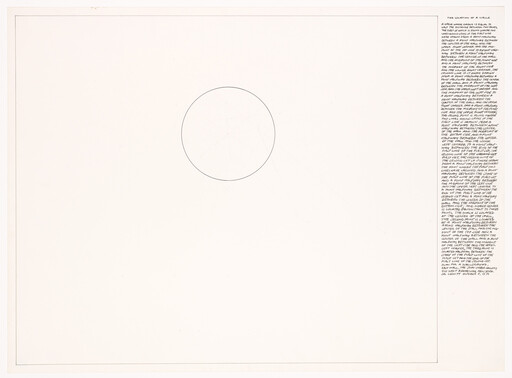
The Location of A Circle
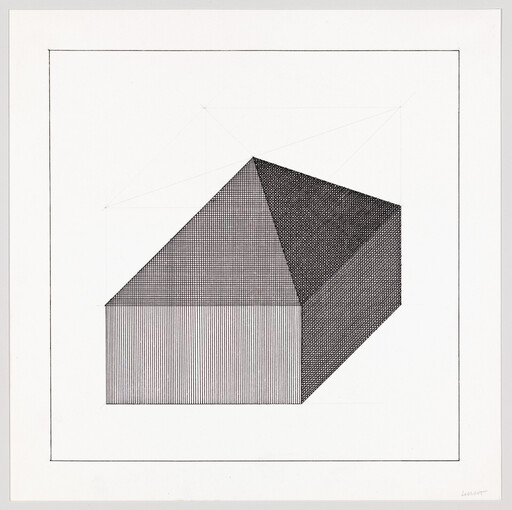
Form Derived From a Cube
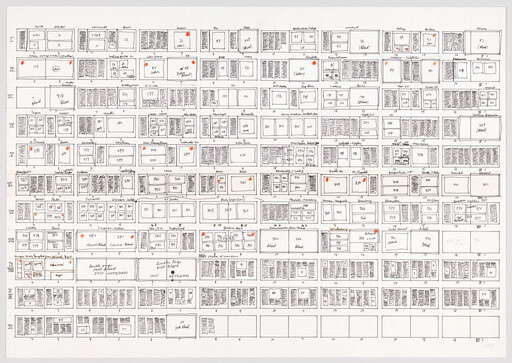
Working Drawing for Wall Drawing Catalogue
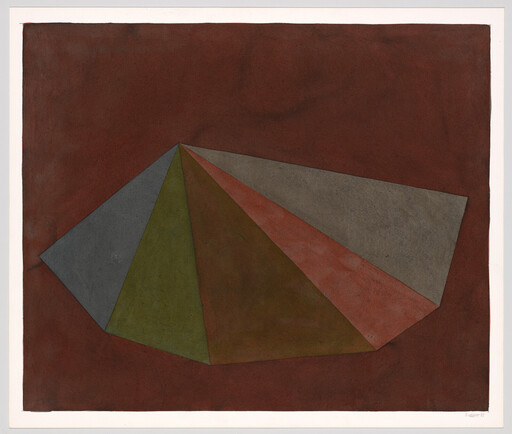
Pyramid
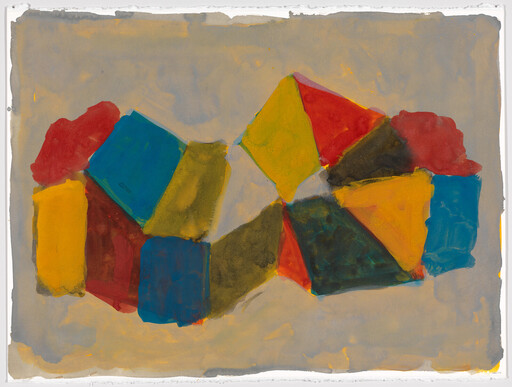
Complex Form
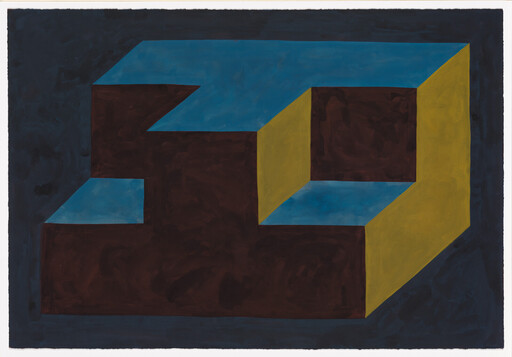
Form Derived from A Cubic Rectangle
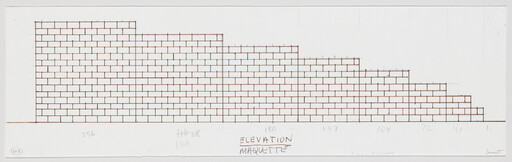
Working Drawing, Elevation for Cinderblock Piece
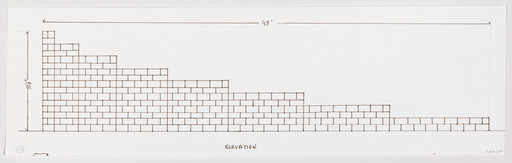
Working Drawing, Elevation for Cinderblock Piece
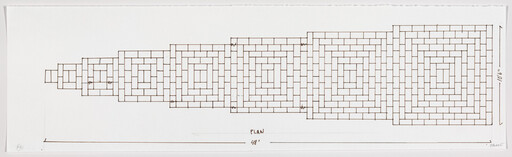
Working Drawing, Plan for Cinderblock Piece
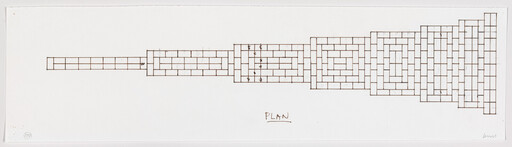
Working Drawing, Plan for Cinderblock Piece
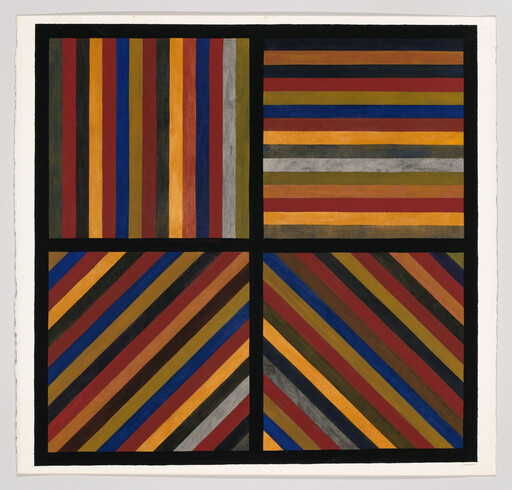
Bands of Color in Four Directions (Within A Square)
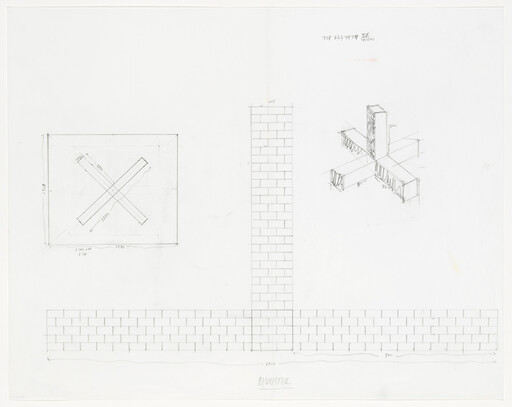
Working Drawing for Cinderblock Piece, Münster
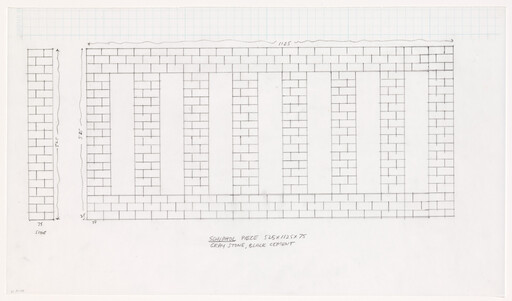
Working Drawing for Cinderblock Piece, Schiphol Airport, Amsterdam
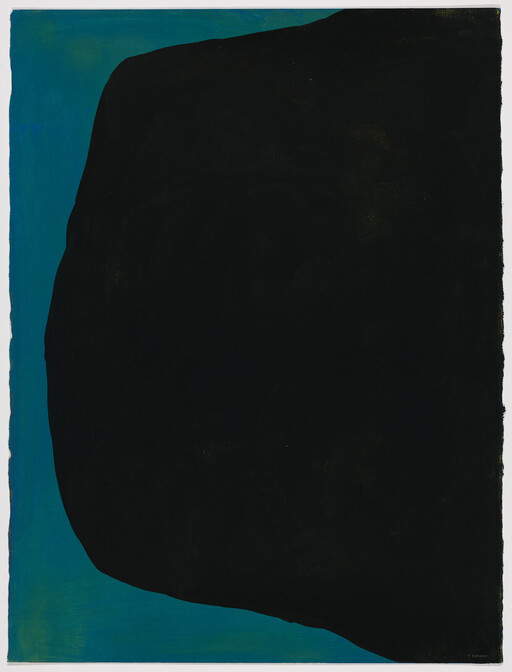
Irregular Form
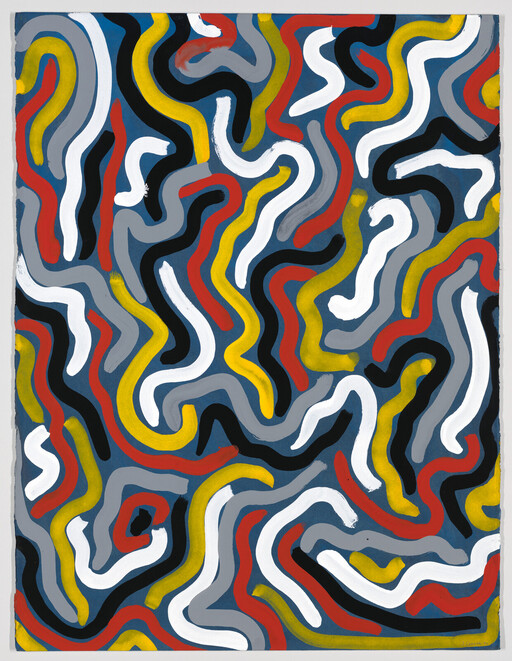
Squiggly Brushstrokes
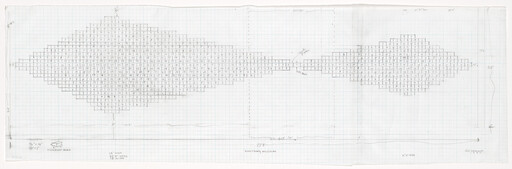
Working Drawing for Double Pyramid (Whitney Museum of American Art)
Double Pyramid (Whitney Museum of American Art)
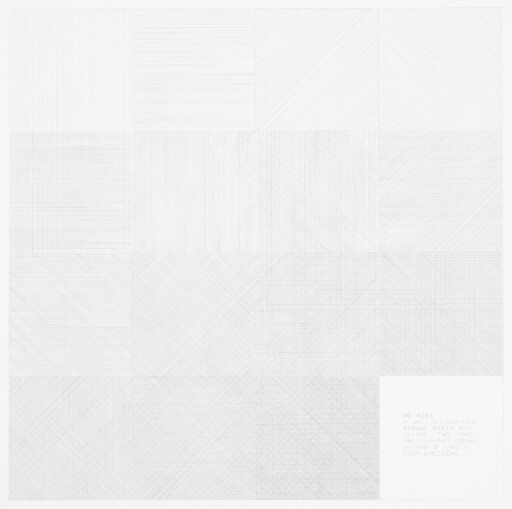
Wall Drawing #263 (A wall divided into sixteen equal parts with all one - two, three and four part combinations of lines in four directions.)
Untitled (Cube)
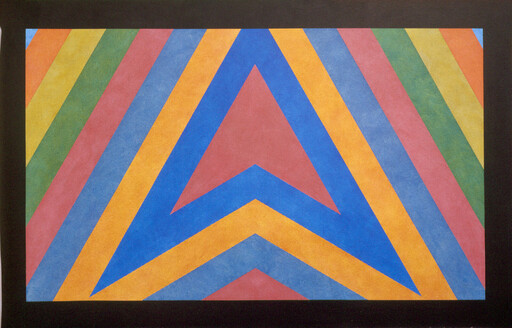
Wall Drawing #808 (Star with three-points with bands of color ink washes superimposed.)
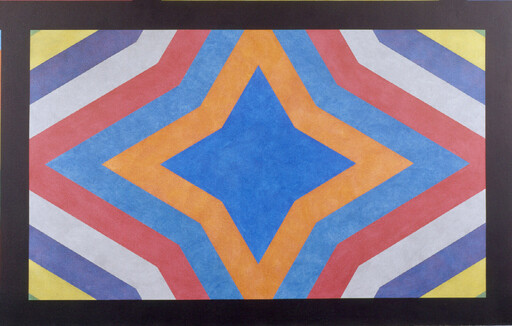
Wall Drawing #808 (Star with four-points with bands of color ink washes superimposed.)
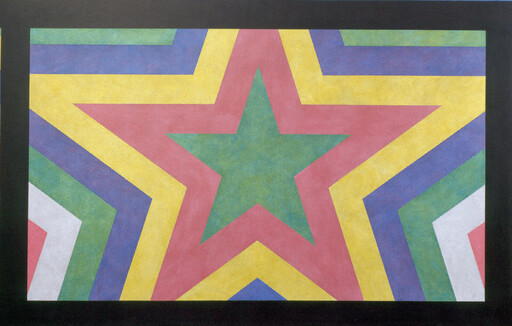
Wall Drawing #808 (Star five-points with bands of color ink washes superimposed.)
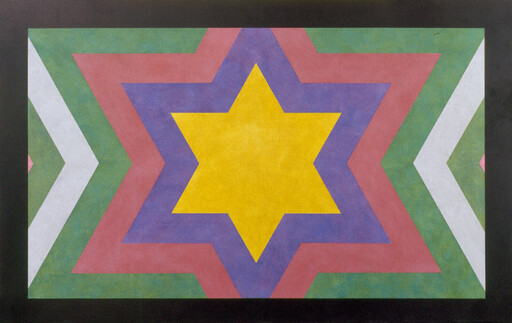
Wall Drawing #808 (Star with six-points with bands of color ink washes superimposed.)
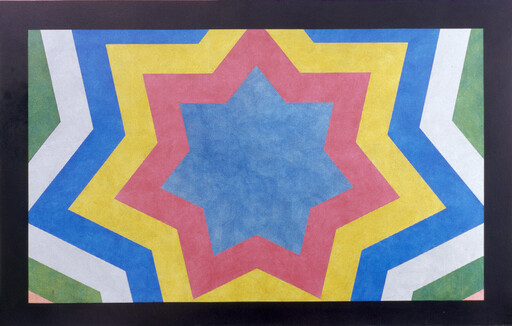
Wall Drawing #808 (Star with seven-points with bands of color ink washes superimposed.)
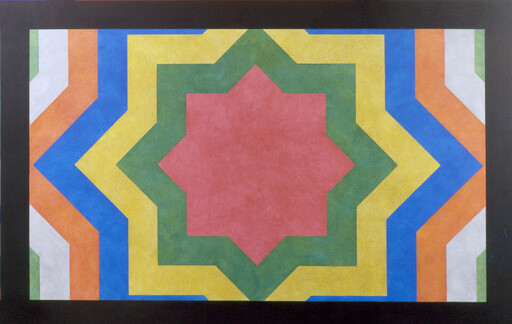
Wall Drawing #808 (Star with eight-points with bands of color ink washes superimposed.)
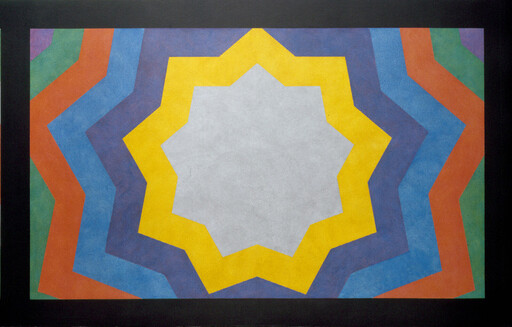
Wall Drawing #808 (Star with nine-points with bands of color ink washes superimposed.)
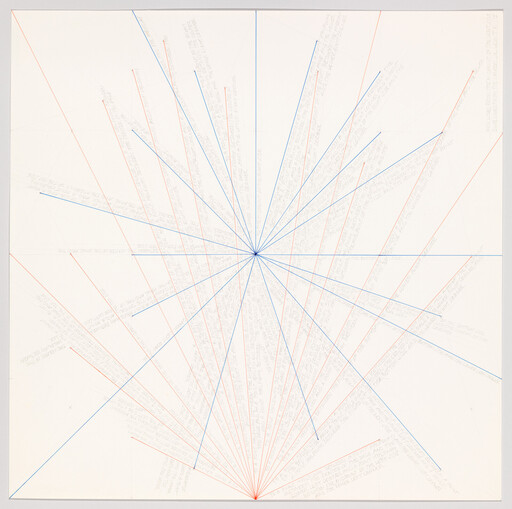
Red Lines from the Midpoint of the Left Side, Blue Lines from the Center
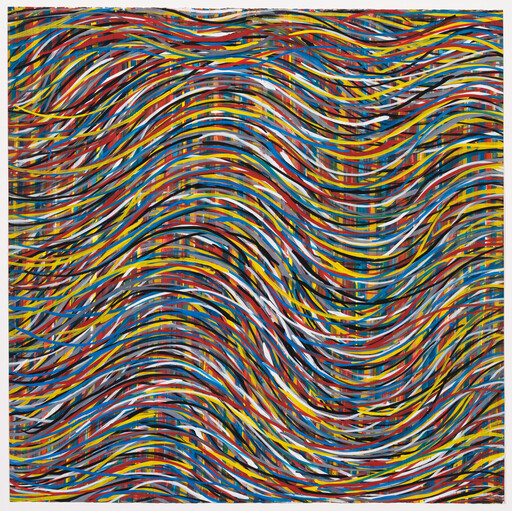
Wavy Brushstrokes
Showing the first 60 of 118 works. Browse all 118 →
Exhibitions at the Whitney
- Programmed: Rules, Codes, and Choreographies in Art, 1965–2018 2018-09-28 – 2019-04-14
- Collected by Thea Westreich Wagner and Ethan Wagner 2015-11-20 – 2016-03-06
- America Is Hard to See 2015-05-01 – 2015-09-27
- Lucinda Childs: Dance 2009-05-10 – 2009-11-08
- Sites 2009-02-19 – 2009-05-03
- The Whitney’s Collection 2008-01-30 – 2010-01-03
- Full House: Views of the Whitney’s Collection at 75 2006-06-29 – 2006-09-03
- Building and Breaking the Grid: 1962–2002 2005-09-01 – 2006-01-08
- Small: The Object in Film, Video and Slide Installation 2004-11-18 – 2005-03-06
- An American Legacy, A Gift to New York 2002-10-24 – 2003-01-26
- Visions from America: Photographs from the Whitney Museum of American Art, 1940–2001 2002-06-26 – 2002-09-22
- Sol LeWitt: A Retrospective 2000-12-07 – 2001-02-25
- Hindsight: Recent Work from the Permanent Collection 1998-12-17 – 1999-02-21
- In a Classical Vein: Works from the Permanent Collection 1993-10-18 – 1994-04-03
- Whitney Biennial 1987 1987-04-10 – 1987-07-05
- Whitney Biennial 1979 1979-02-06 – 1979-04-01
- Annual Exhibition 1966: Contemporary Sculpture and Prints 1966-12-16 – 1967-02-05