Artist Biennial
Jenny Holzer
1950–
Biography
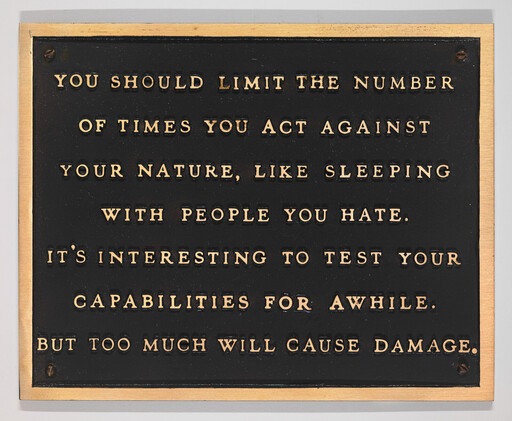
Jenny Holzer is widely known for the large- scale public displays of written language she creates in the form of illuminated electronic signs, posters, billboard advertisements, and projections on buildings. Like her contemporary Barbara Kruger, Holzer has explored multiple ways of disseminating commentary and ideas as visual objects in public spaces. Among her first public works were the Truisms, one-line aphorisms she wrote between 1977 and 1979 that originally took the form of posters wheat- pasted to buildings and walls around Manhattan. These thought-provoking, often contradictory statements distilled readings Holzer encountered as a student in the Whitney Independent Study Program. They were later printed on T-shirts and stickers, carved in granite benches, or remixed as part of the Internet art project Please Change Beliefs, started in 1995.
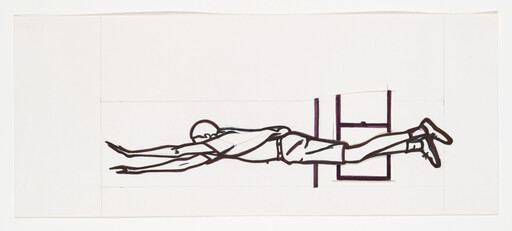
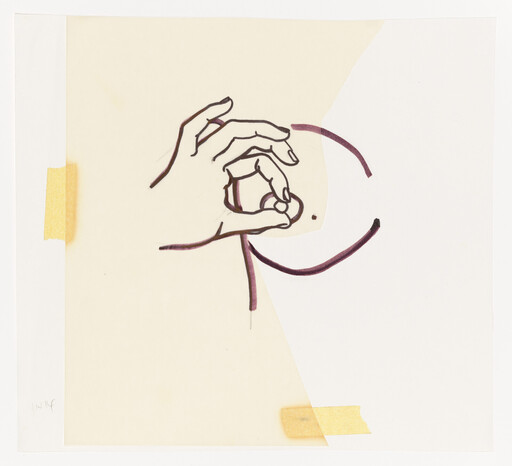
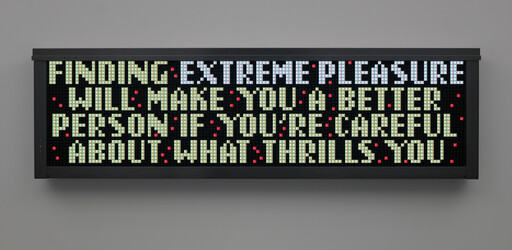
UNEX Sign #1 (Selections from The Survival Series) was among the first of Holzer’s works to present such texts with LED (light-emitting diode) technology, a state-of-the-art means of public communication for government and institutional agencies in 1983. At that time, the piece might have been mistaken for an electronic signboard transmitting ads, instructions, or public announcements. But the work’s fifty-four statements and messages—simultaneously disturbing, cynical, and humorous—instead communicate private thoughts normally deemed inappropriate for public discourse, drawing attention to societal problems such as homelessness or issuing commands to viewers. In a media-saturated world in which news and ads flash by for passive viewers, Holzer uses this instrument of communication to call the viewer to attention, asking for a vigilant response and a close reading of cultural values, societal structures, and tensions between the public and private.
Works in the collection
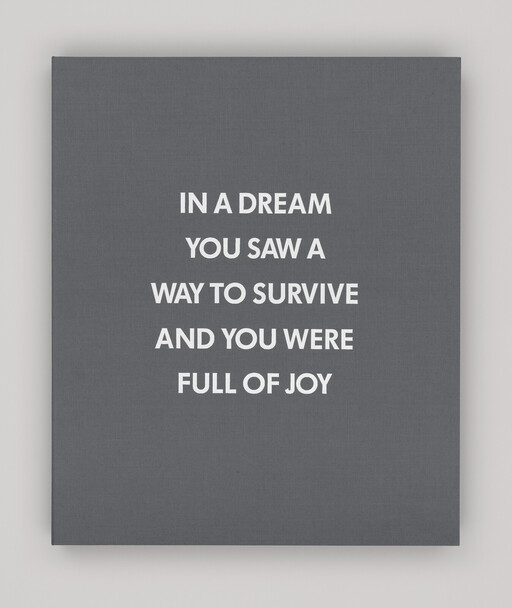
Selections from the Survival Series
"In a dream ..."
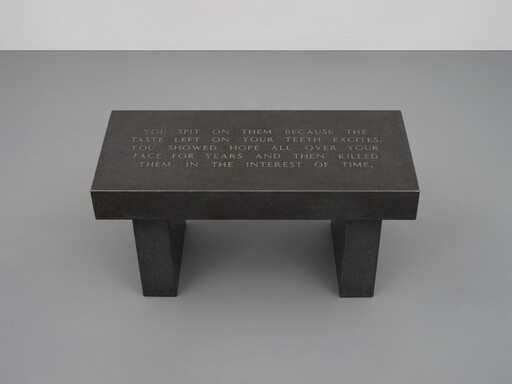
Under a Rock: You spit on them because...
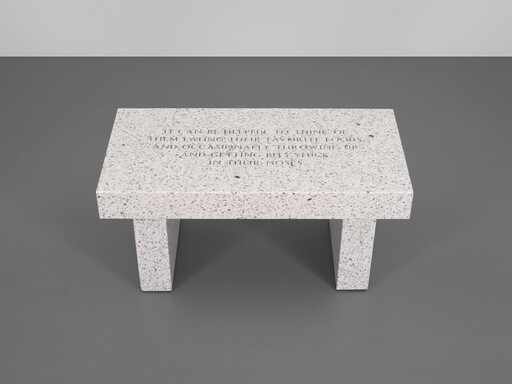
The Living Series: It can be helpful to think of them...
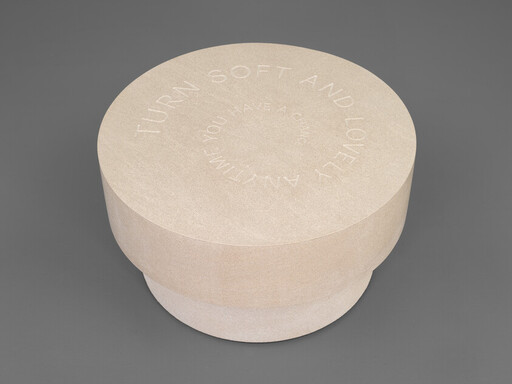
TURN SOFT
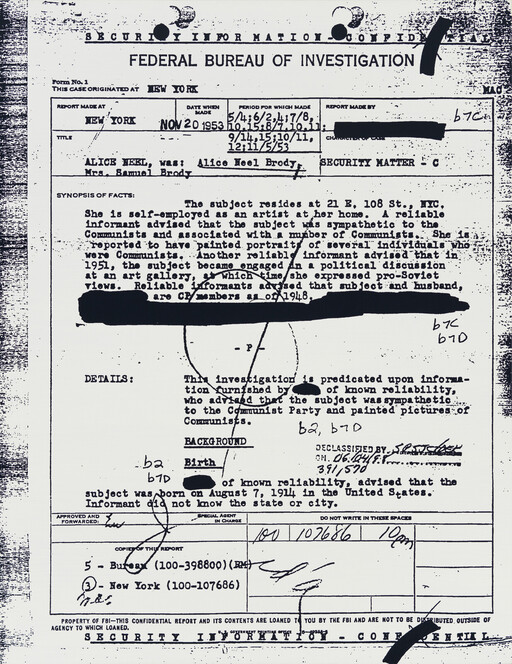
ALICE NEEL GREEN WHITE
Green Purple Cross
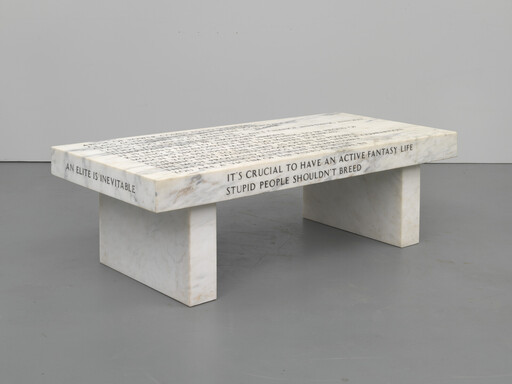
Untitled with Selection from TRUISMS
Selections from TRUISMS
Truisms
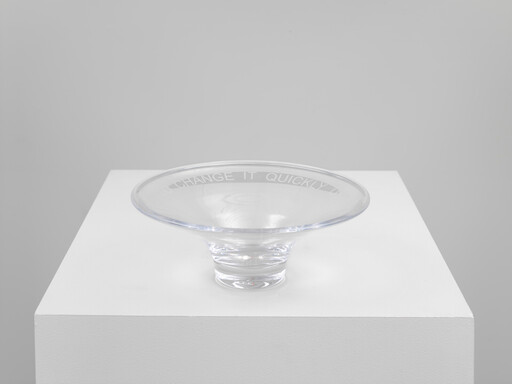
Use What Is Dominant
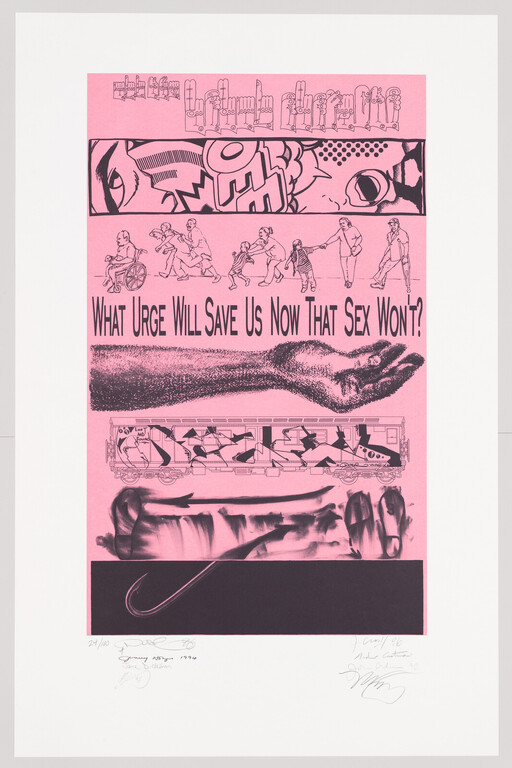
The Usual Suspects
Truisms
Studies for Unex Sign #1
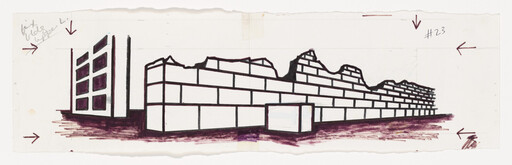
Study for Unex Sign #1
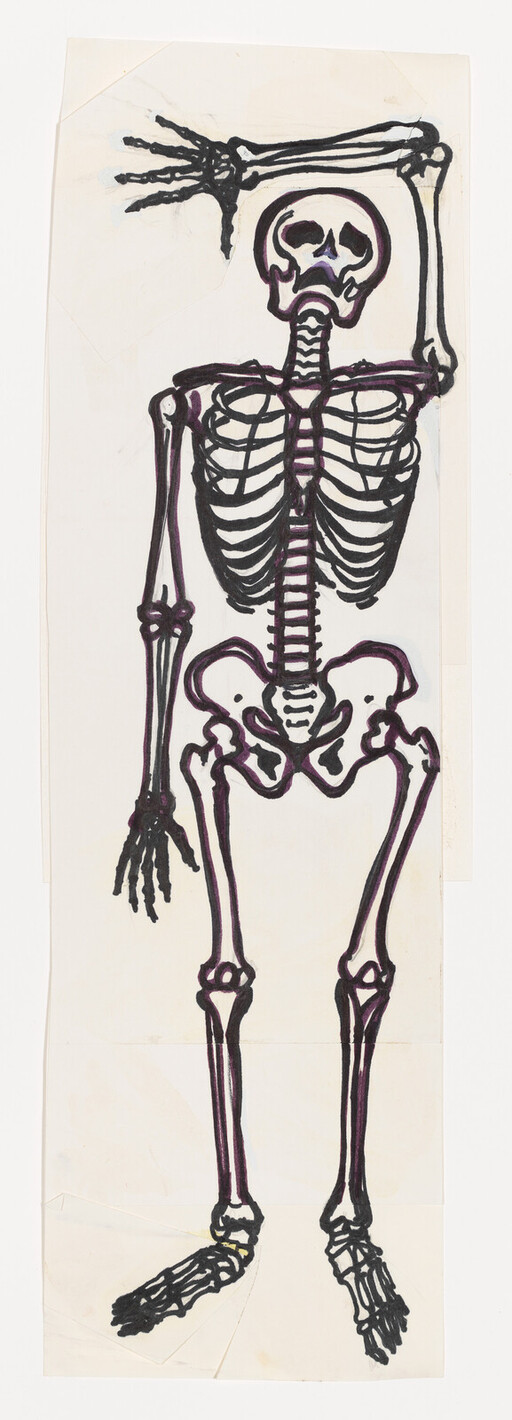
Study for Unex Sign #1
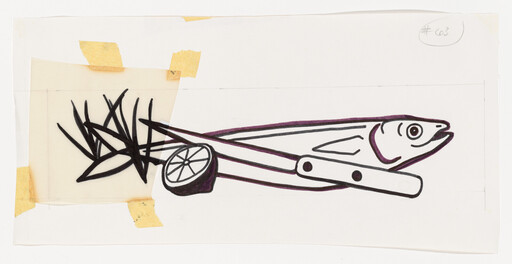
Study for Unex Sign #1
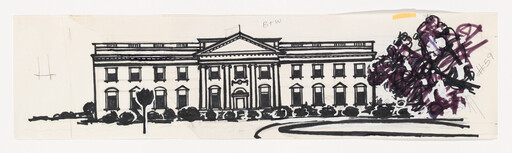
Study for Unex Sign #1
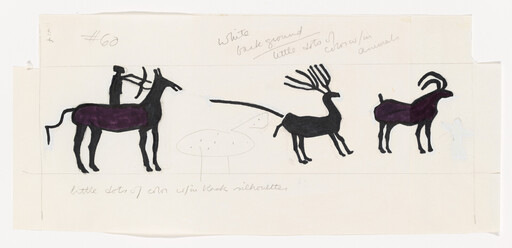
Study for Unex Sign #1
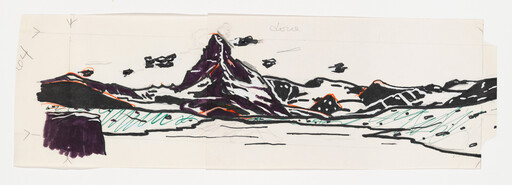
Study for Unex Sign #1
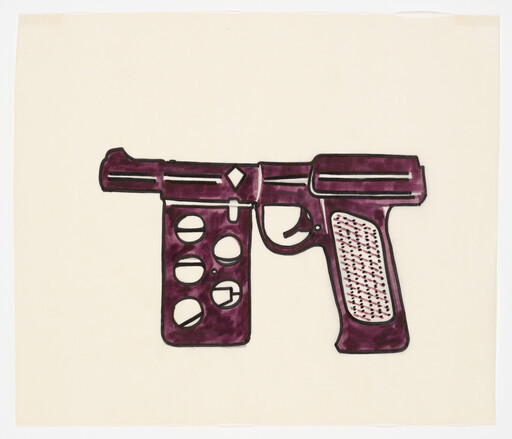
Study for Unex Sign #1
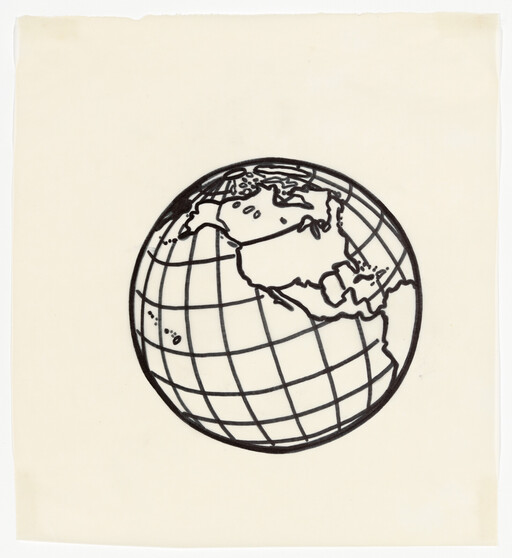
Study for Unex Sign #1
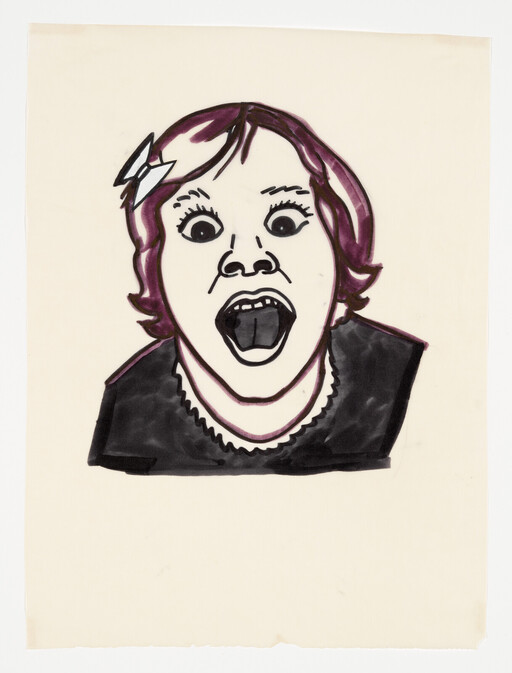
Study for Unex Sign #1
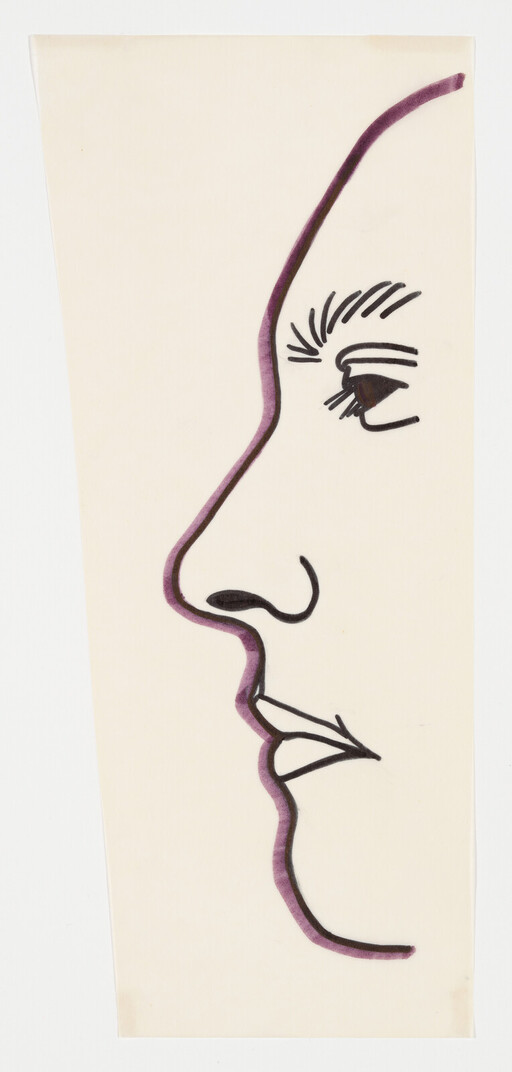
Study for Unex Sign #1
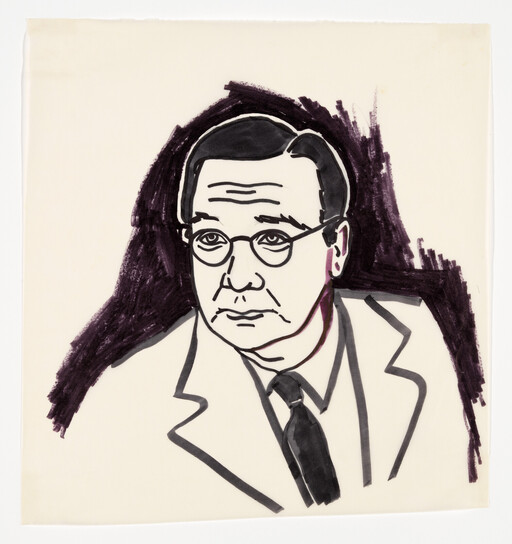
Study for Unex Sign #1
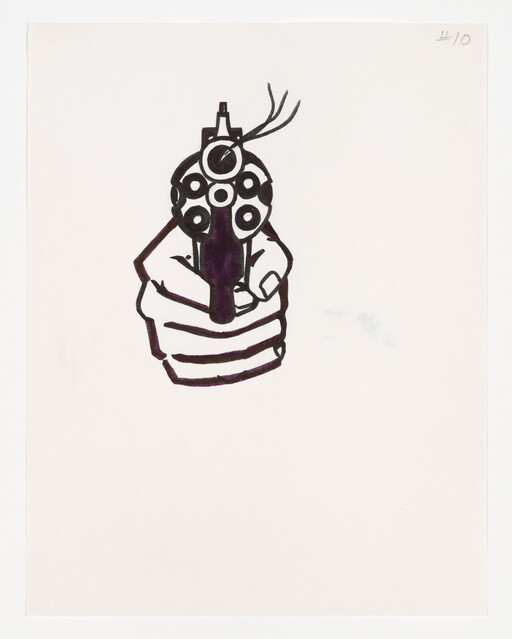
Study for Unex Sign #1
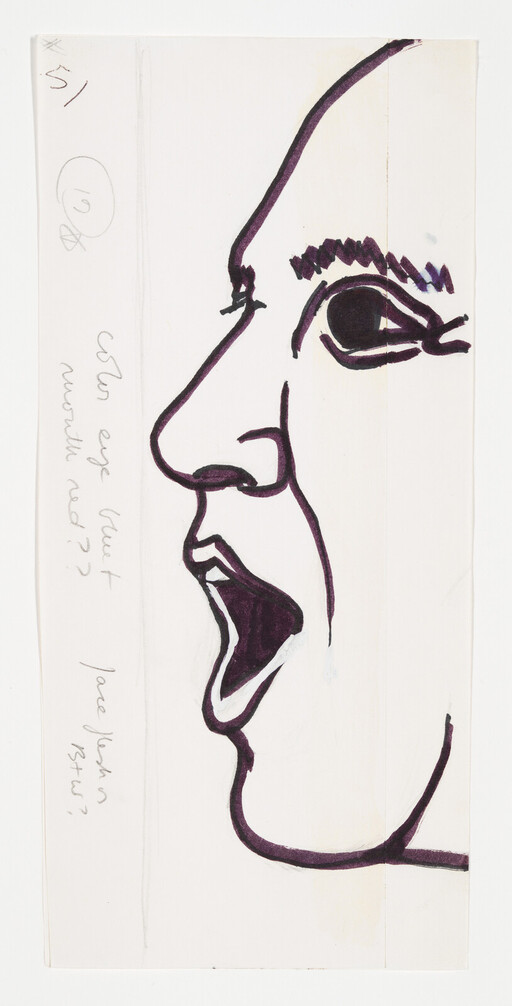
Study for Unex Sign #1
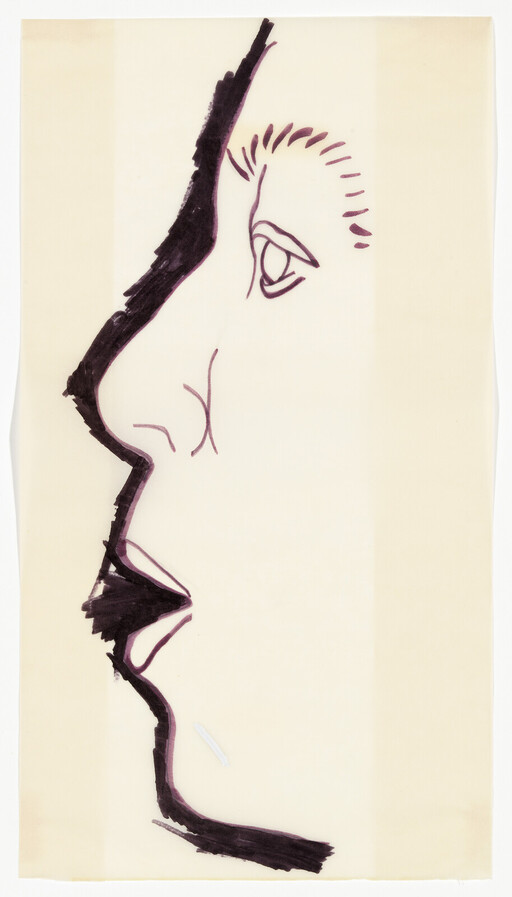
Study for Unex Sign #1
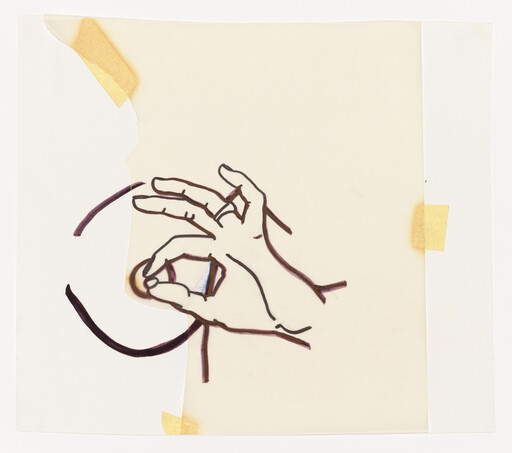
Study for Unex Sign #1
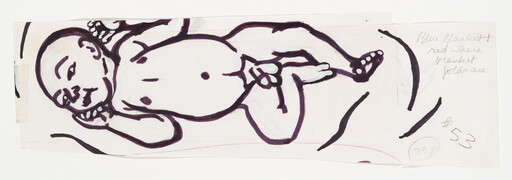
Study for Unex Sign #1
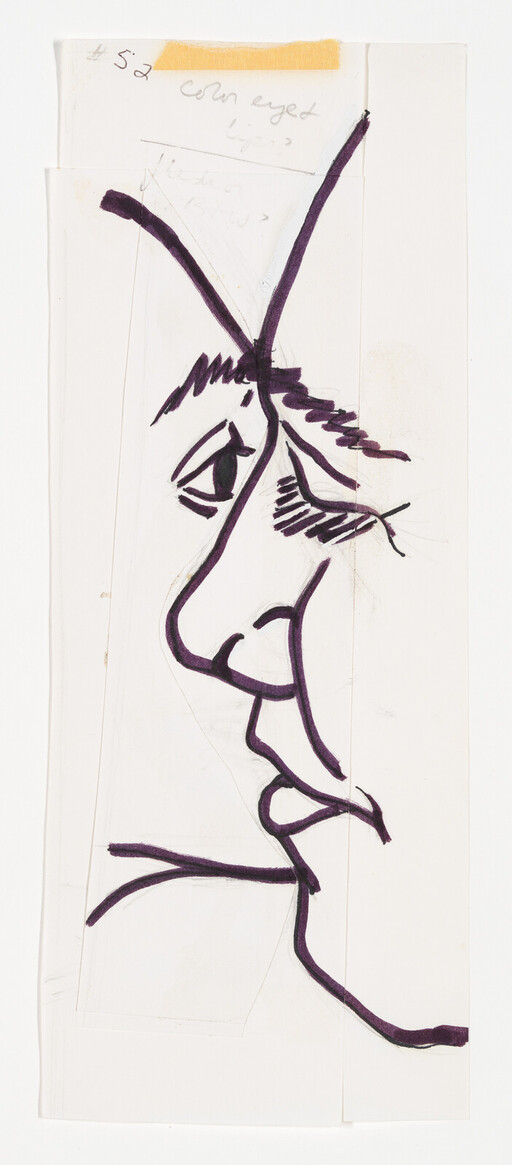
Study for Unex Sign #1
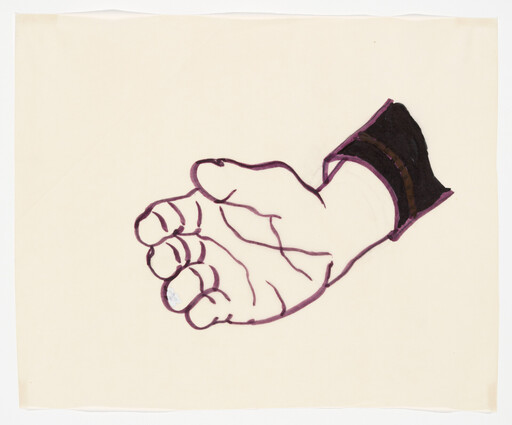
Study for Unex Sign #1
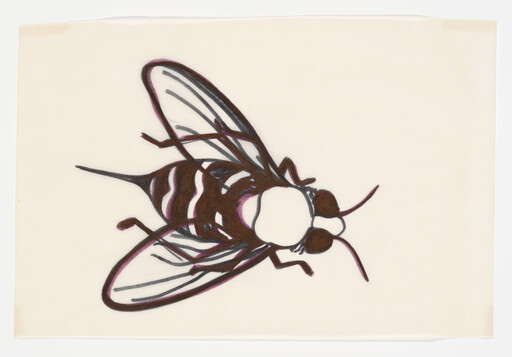
Study for Unex Sign #1
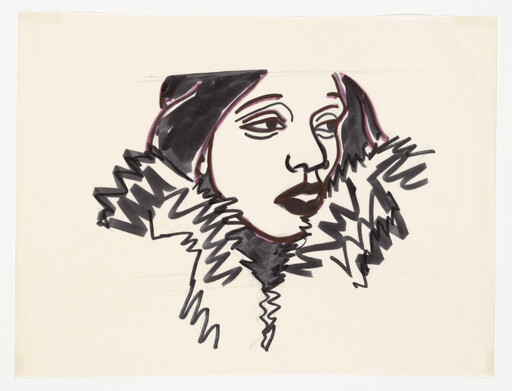
Study for Unex Sign #1
Study for Unex Sign #1
Study for Unex Sign #1
UNEX Sign #1 (Selections from The Survival Series)
Untitled with selection from "Living Series"
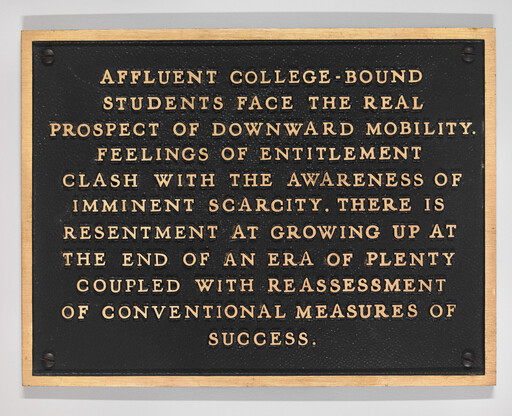
Affluent College...
Exhibitions at the Whitney
- An Incomplete History of Protest: Selections from the Whitney’s Collection, 1940–2017 2017-08-18 – 2018-08-27
- America Is Hard to See 2015-05-01 – 2015-09-27
- I, YOU, WE 2013-04-25 – 2013-09-01
- Legacy: The Emily Fisher Landau Collection 2011-02-10 – 2011-05-01
- Off the Wall: Part 1—Thirty Performative Actions 2010-07-01 – 2010-09-19
- Jenny Holzer: PROTECT PROTECT 2009-03-12 – 2009-05-31
- Two Years 2007-10-17 – 2008-02-17
- Whitney Biennial 1985 1985-03-13 – 1985-06-09
- Whitney Biennial 1983 1983-03-15 – 1983-05-29