Artist Biennial
Larry Clark
1943–
Biography
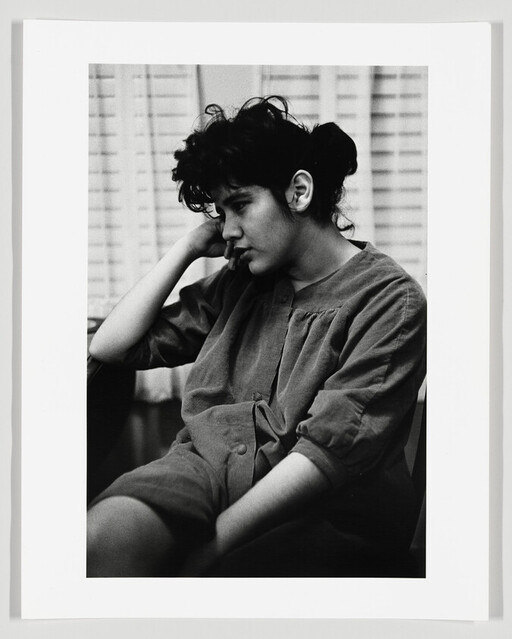
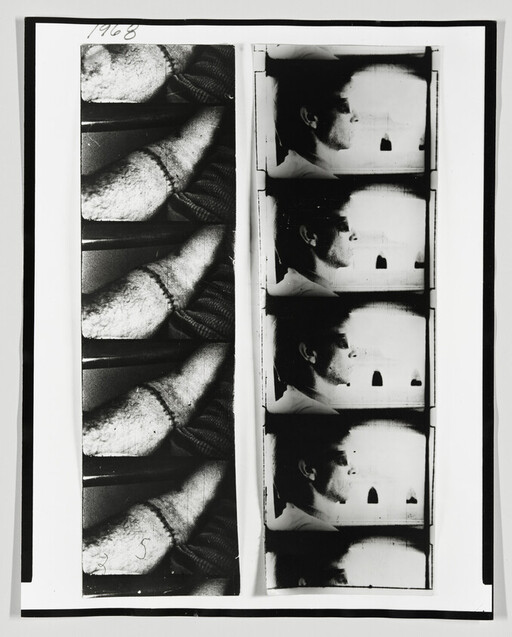
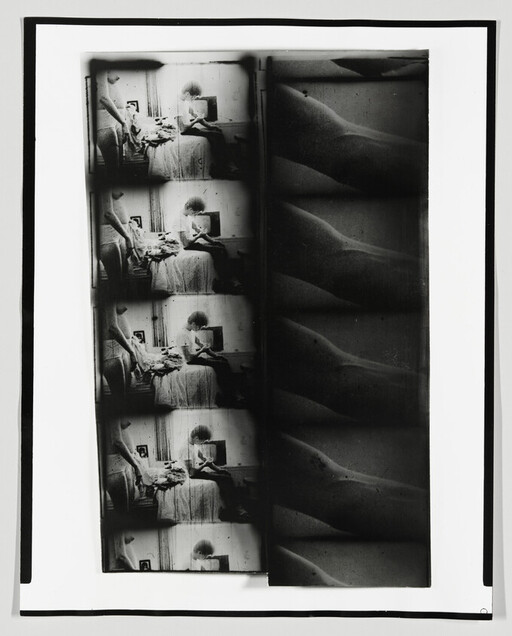
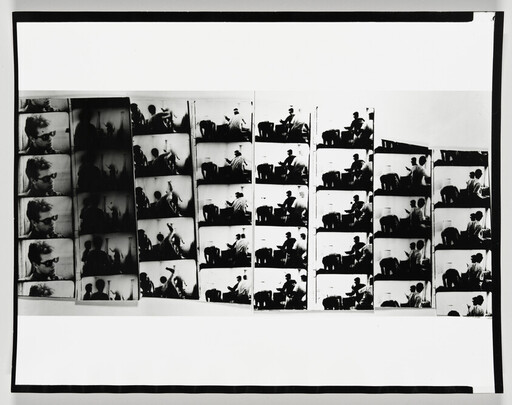
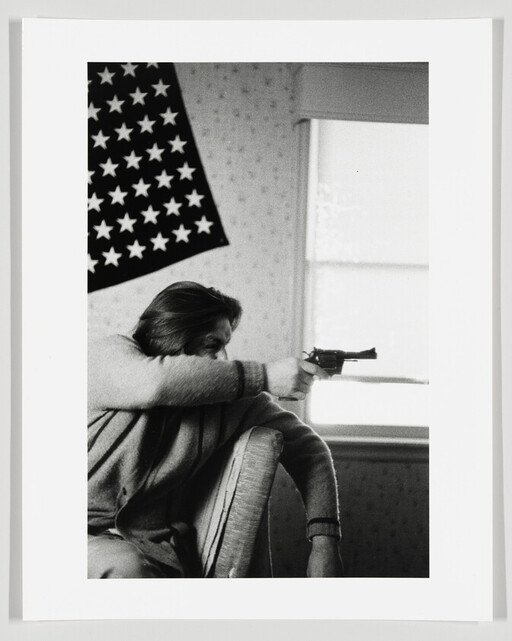
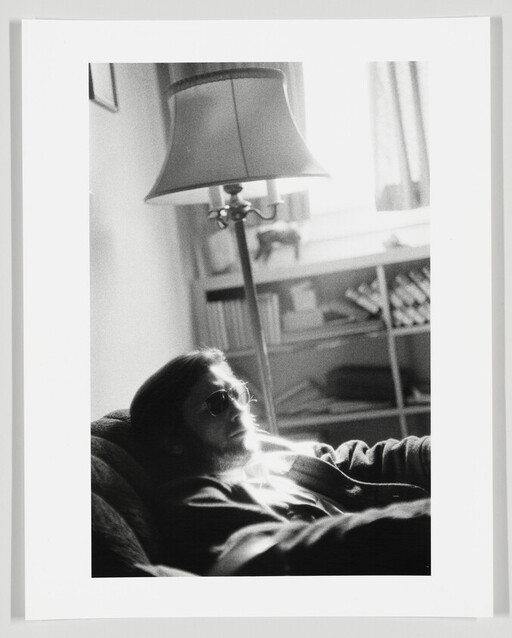
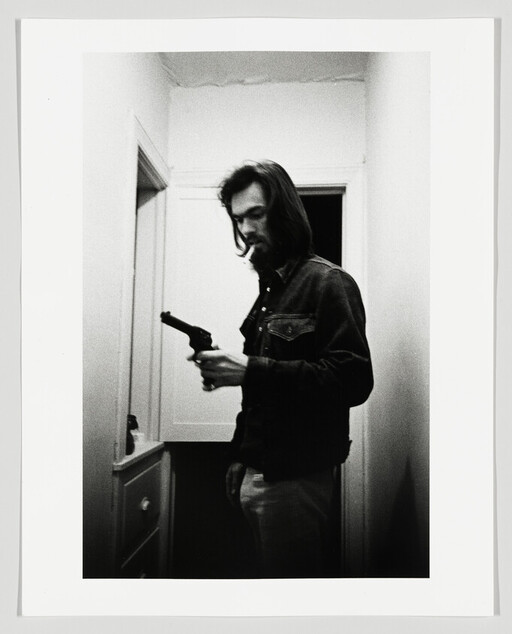
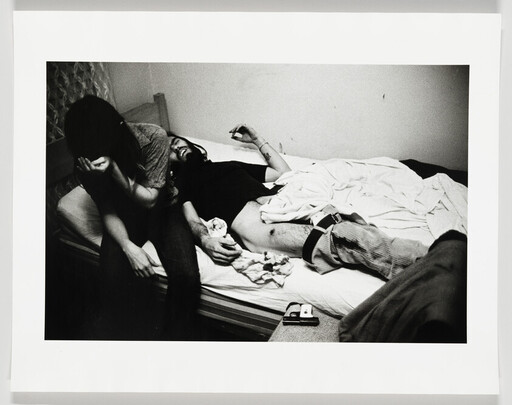
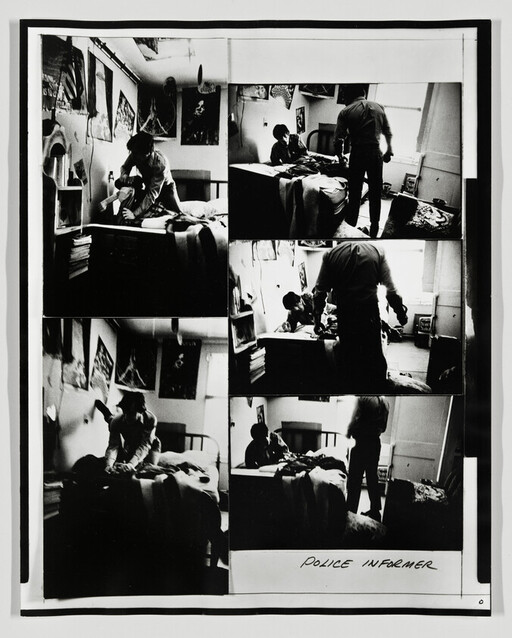
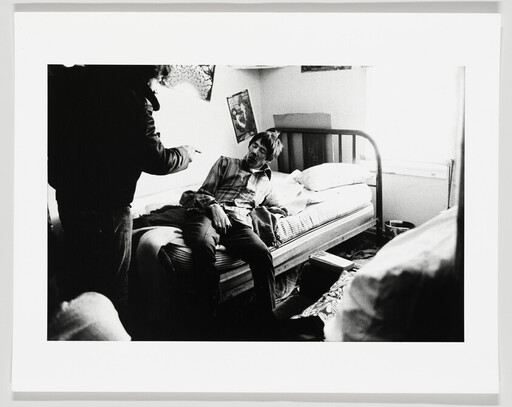
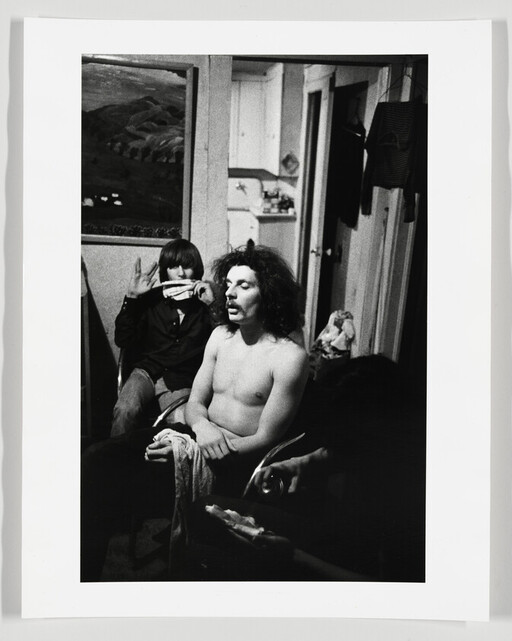
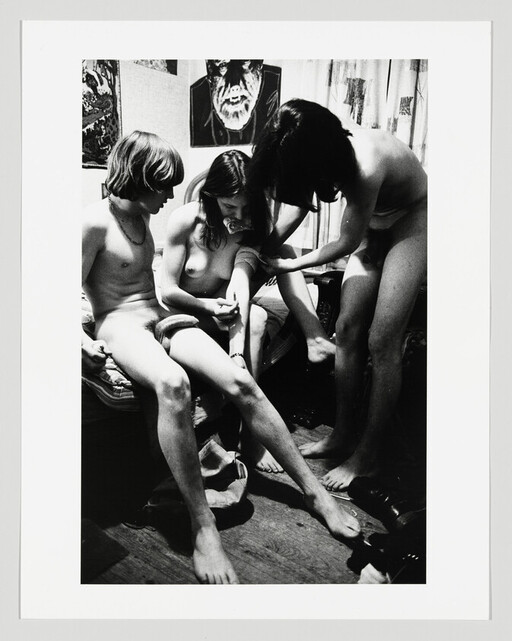
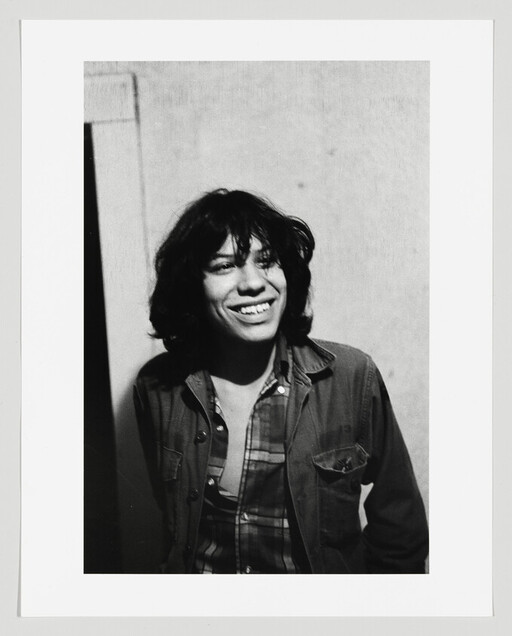
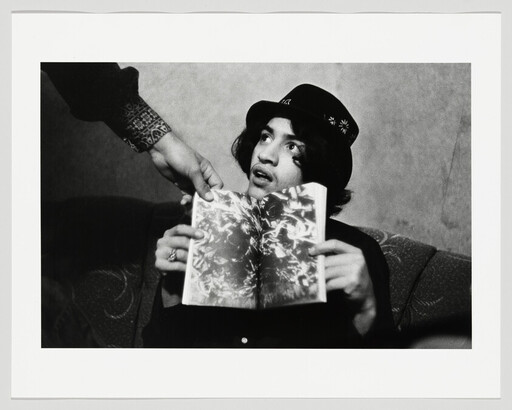
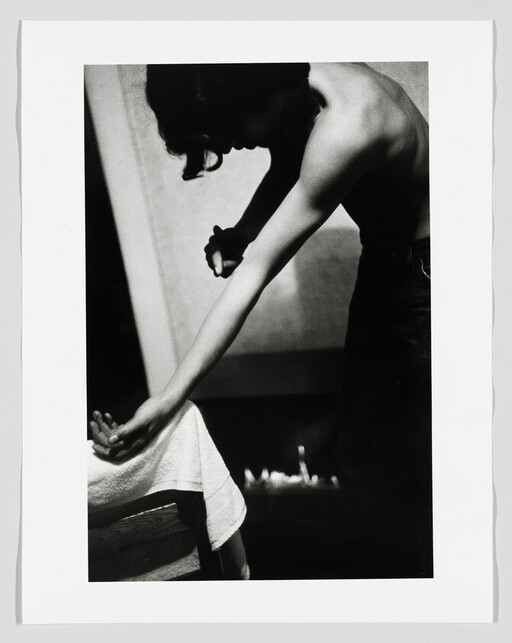
Larry Clark began using a camera in the mid-1950s while working as an assistant to his mother, an itinerant portraitist, and quickly achieved notoriety as a photographer with the publication of his first book, Tulsa, in 1971. Shot between 1963 and 1971, the powerful images in the book defiantly document sex, drug use, and violence among teenagers in his hometown, providing a dark counterpoint to the idealized youth culture of the same period. Tulsa established Clark as a pioneer in a mode of photography that pushed the boundaries of not only acceptable subject matter but also the relationship between the photographer and his subjects. As Clark noted in the book’s short introductory statement, “when i was sixteen i started shooting amphetamine. i shot with my friends everyday for three years and then left town but i’ve gone back through the years. once the needle goes in it never comes out.”
Untitled, an image from Tulsa, features a young man pointing a gun at a target off camera, with an American flag hanging askew on the wall in the background. The raw and symbolic content of the image is matched by the harsh light from the window. Clark has noted, “When I’m photographing I always try to shoot against the light . . . the film can’t handle this and everything gets burned up, since I’m exposing for the shadows.” His haunting photographs similarly reveal the shadows of adolescence in a culture that both glorifies and brutally commodifies youth. Although Clark has gone on to become an acclaimed filmmaker, his intimate and uninhibited approach to photography, epitomized by Tulsa, has influenced generations of artists, from Nan Goldin to Ryan McGinley.
Works in the collection
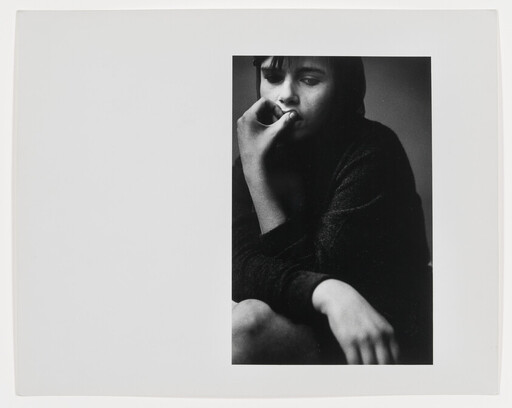
[Portrait of a Woman]
Tulsa
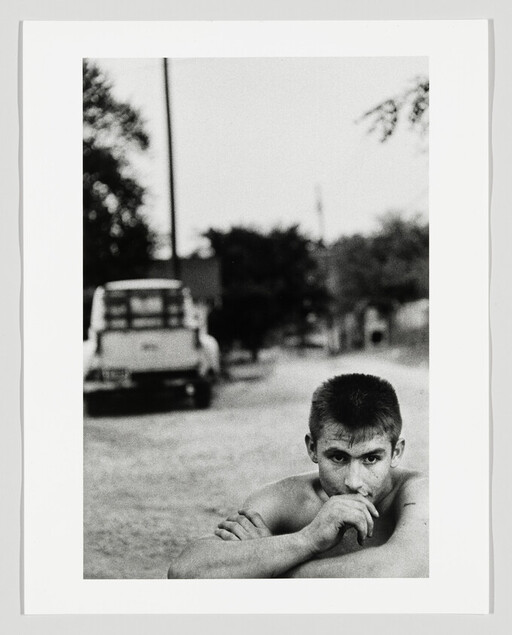
(No title)
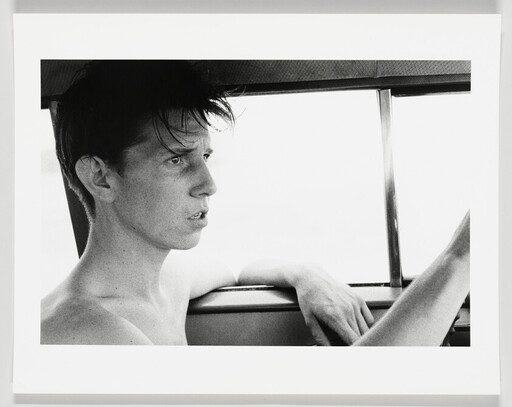
(No title)
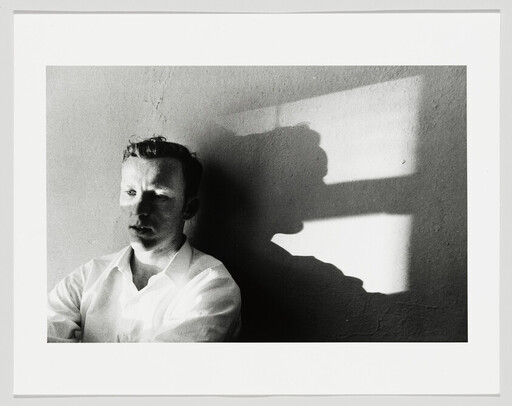
(No title)
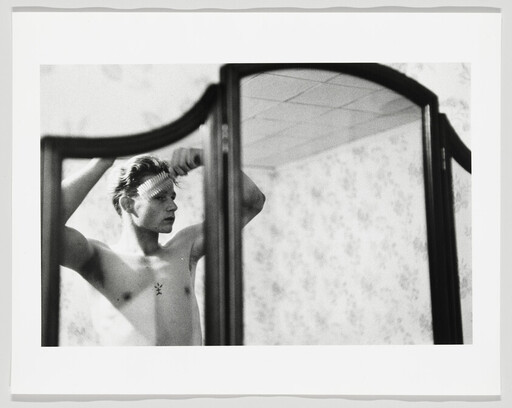
(No title)
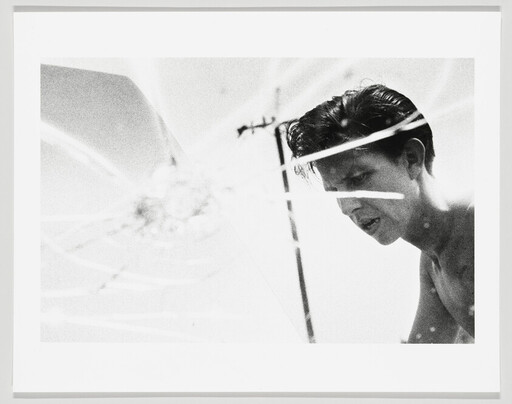
(No title)
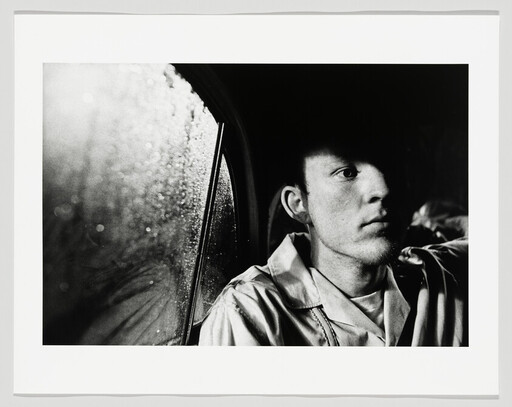
(No title)
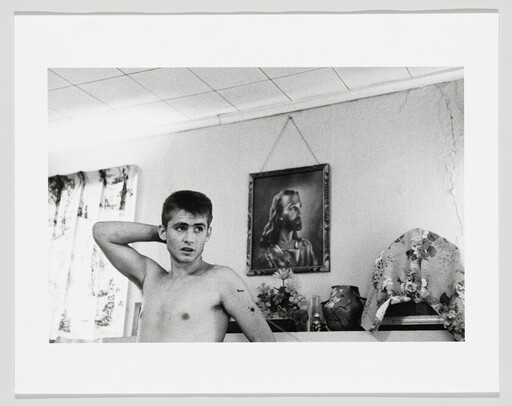
(No title)
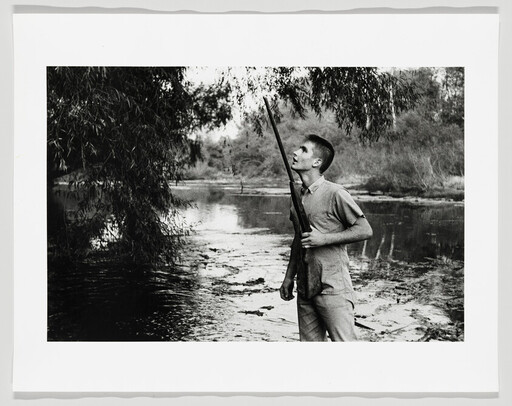
(No title)
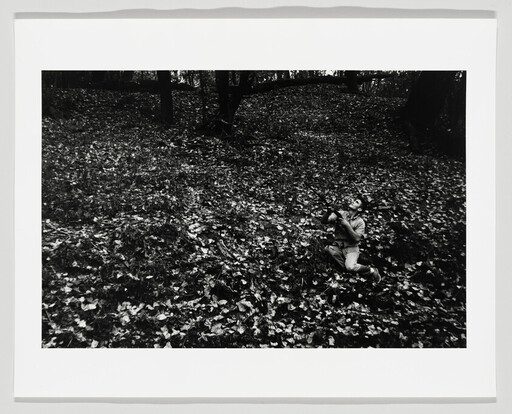
(No title)
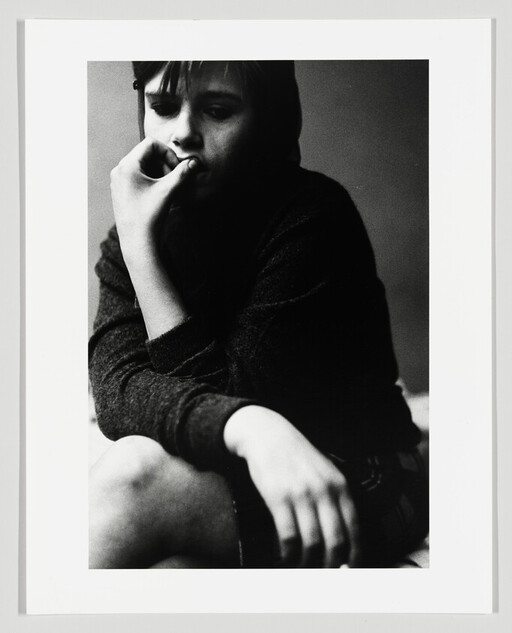
(No title)
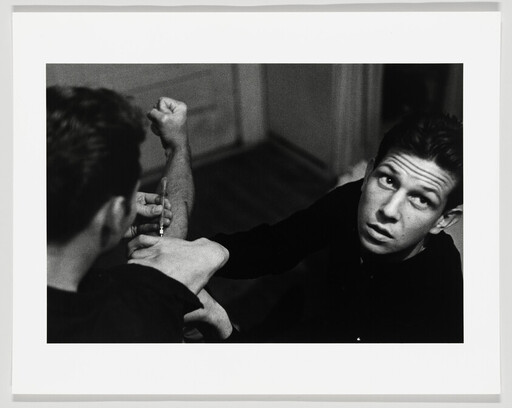
(No title)
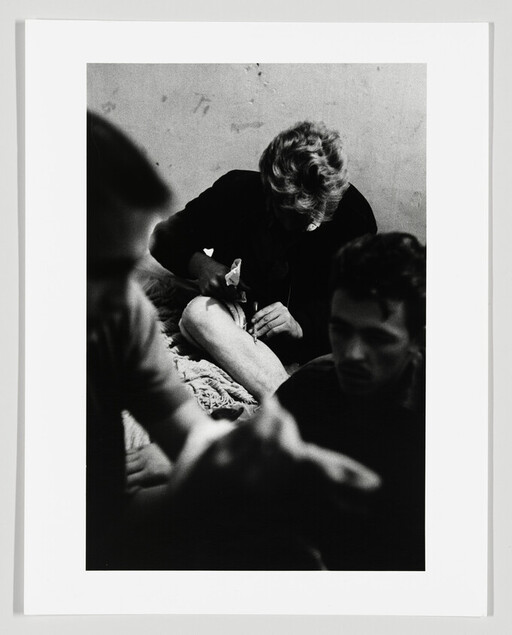
(No title)
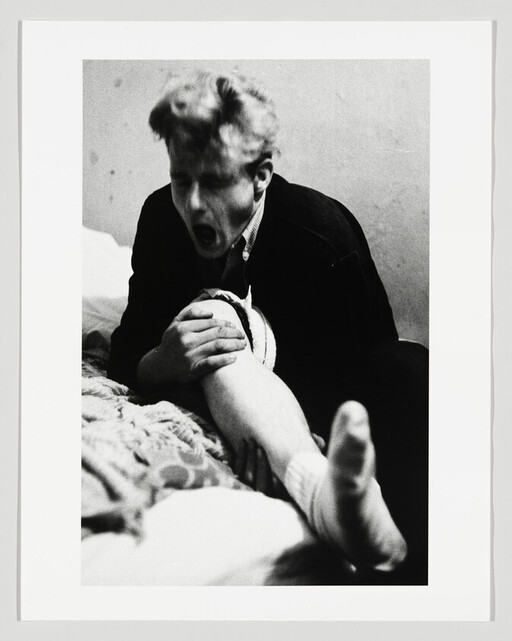
(No title)
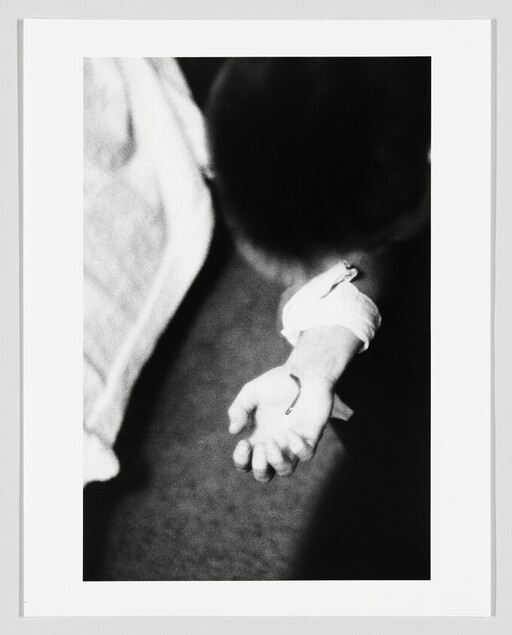
(No title)
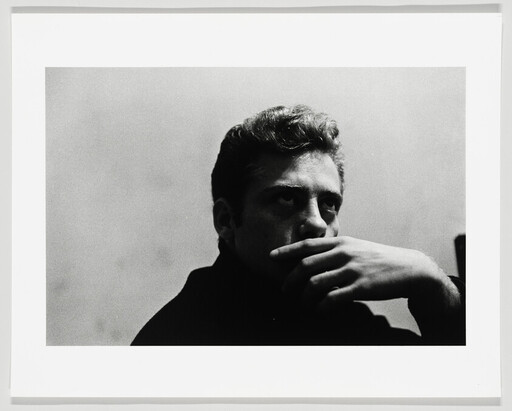
(No title)
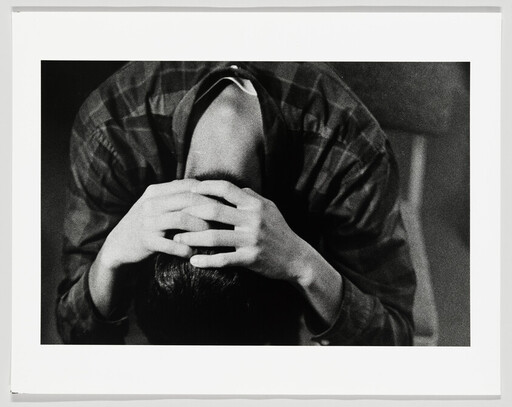
(No title)
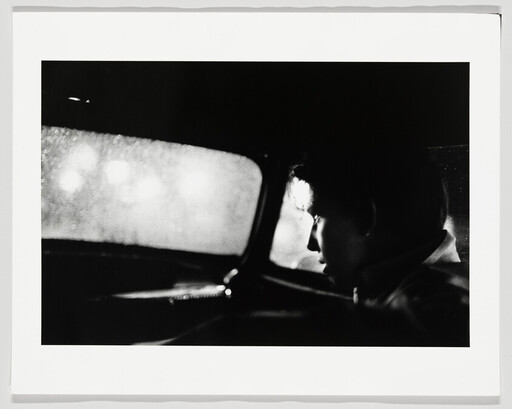
(No title)
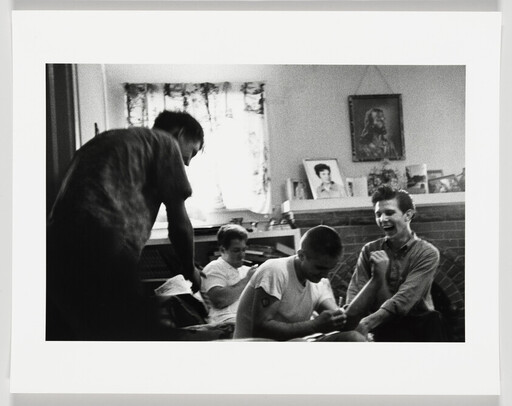
(No title)
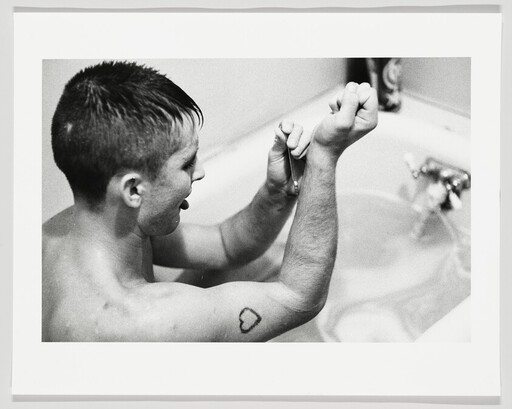
(No title)
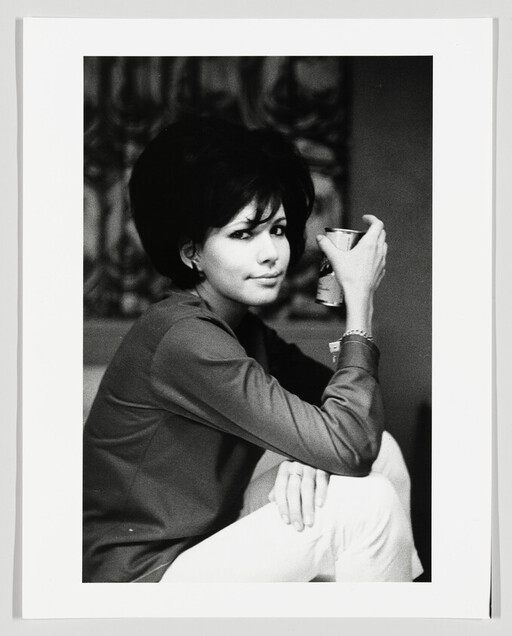
(No title)
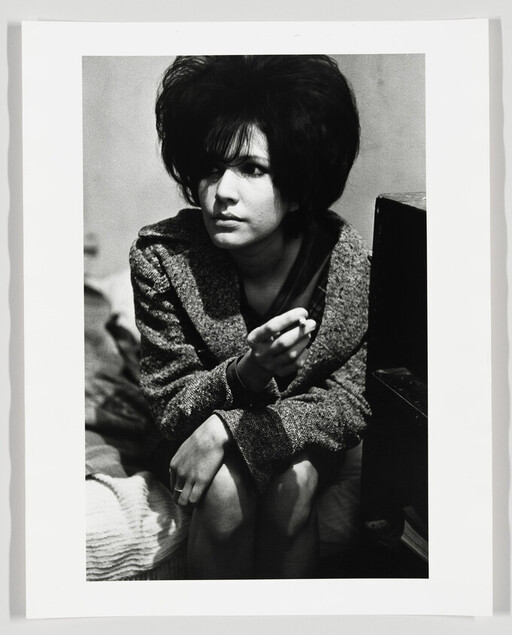
(No title)
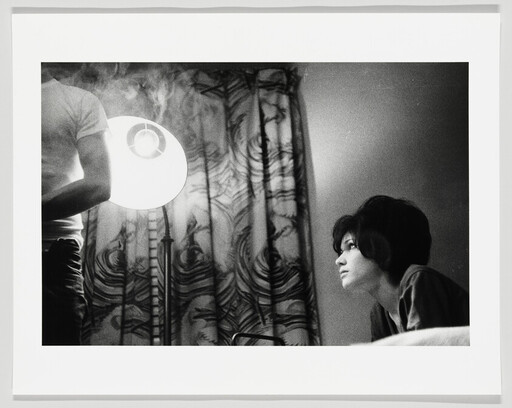
(No title)
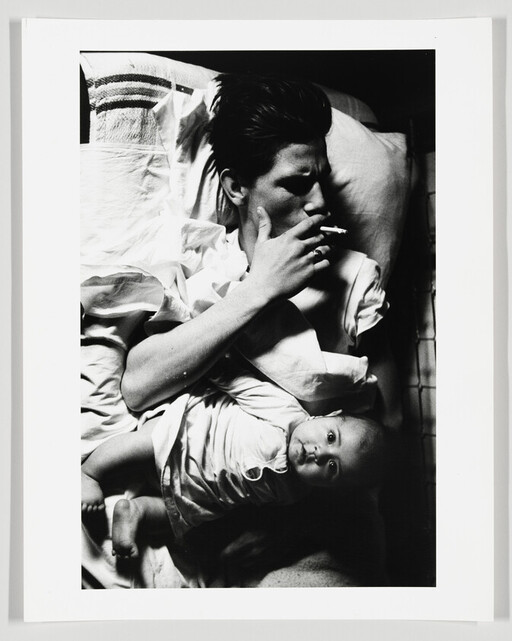
(No title)
(No title)
(No title)
(No title)
(No title)
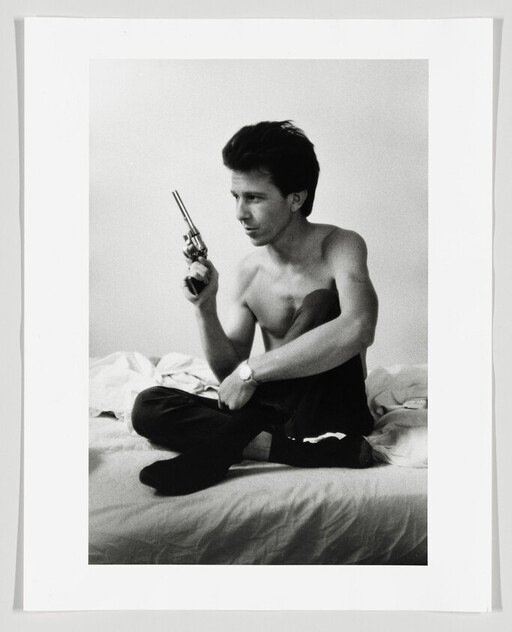
(No title)
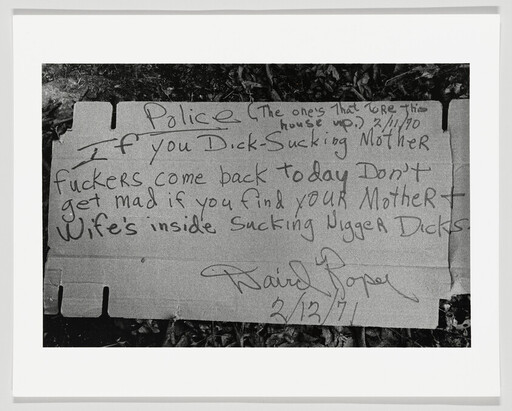
(No title)
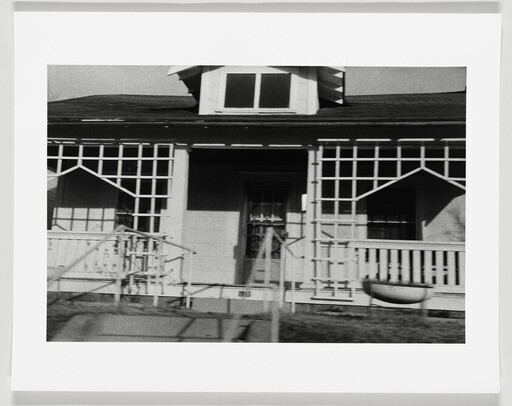
(No title)
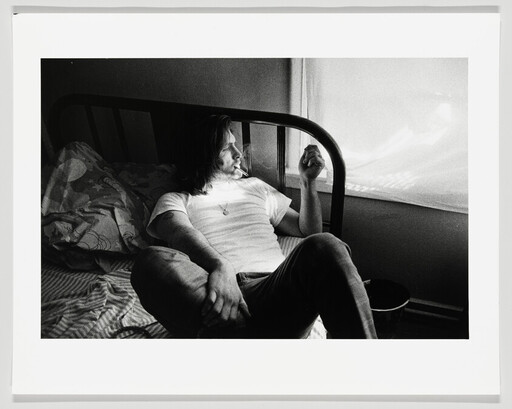
(No title)
(No title)
(No title)
(No title)
(No title)
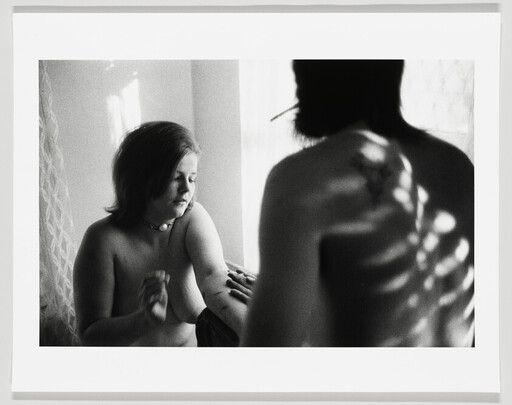
(No title)
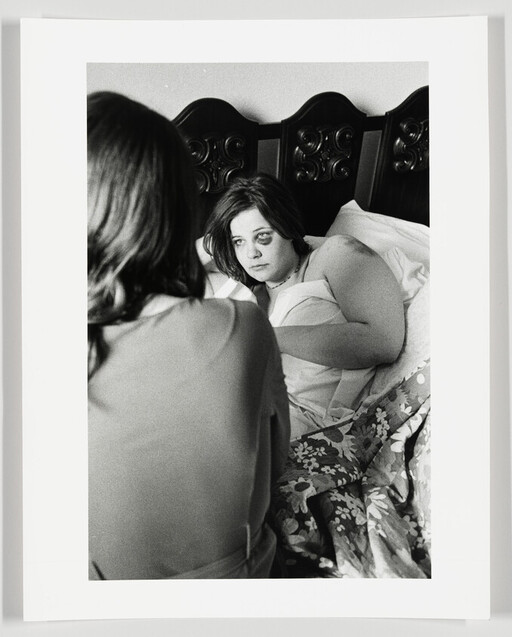
(No title)
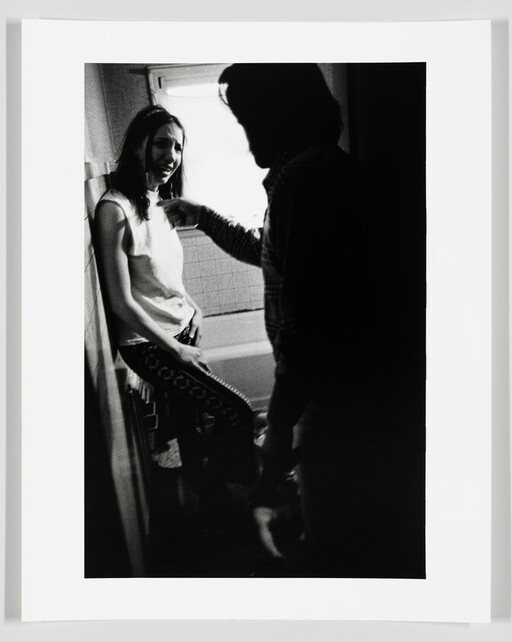
(No title)
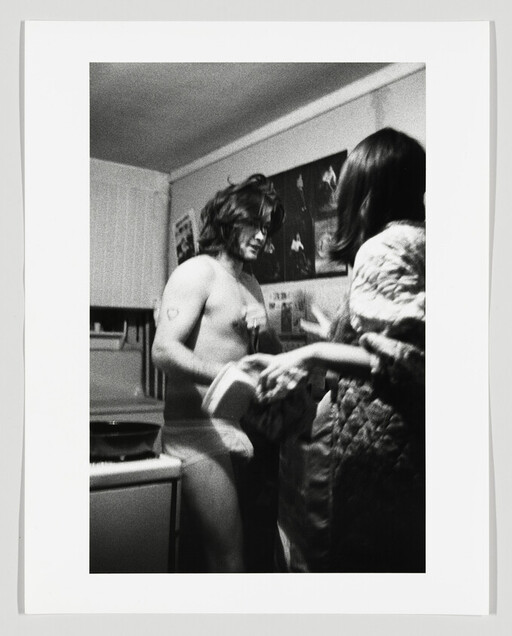
(No title)
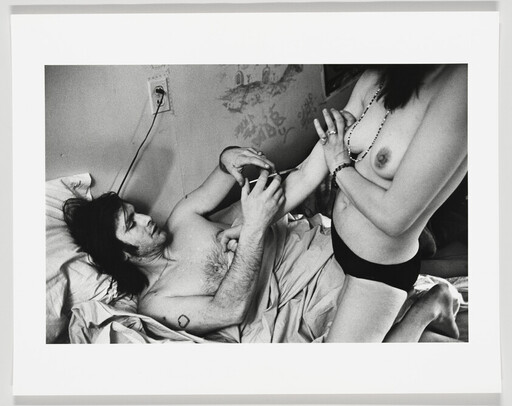
(No title)
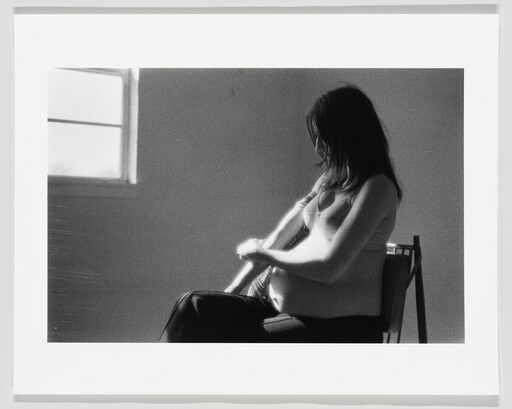
(No title)
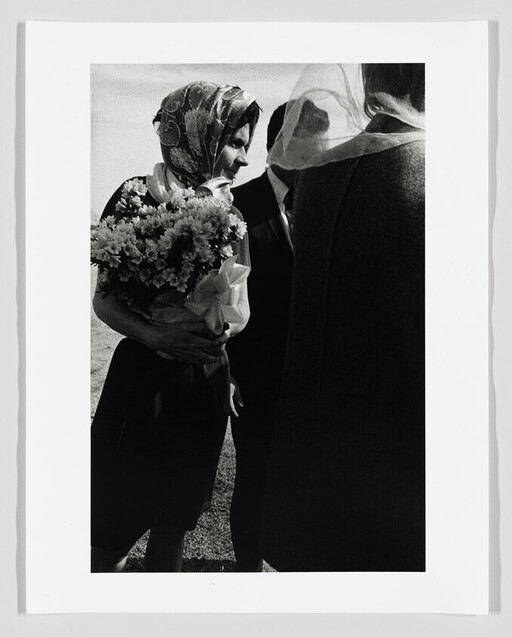
(No title)
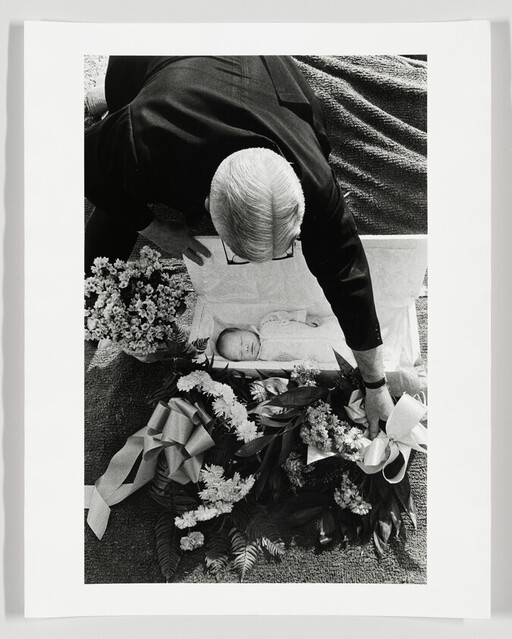
(No title)
(No title)
(No title)
(No title)
(No title)
(No title)
(No title)
(No title)
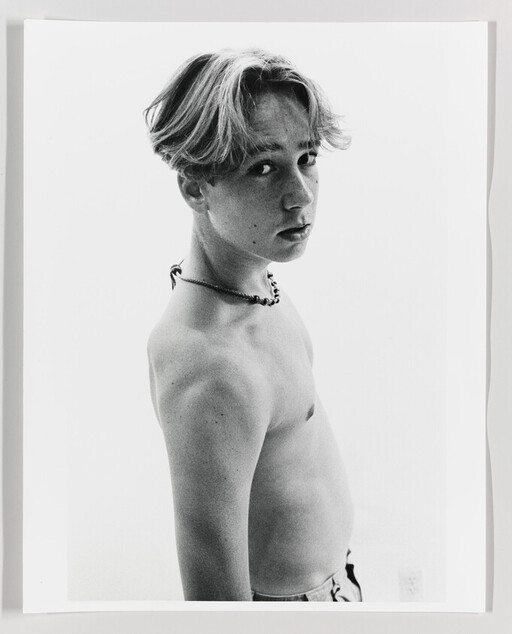
Printed Matter Photography Portfolio 1. Portraits
Untitled
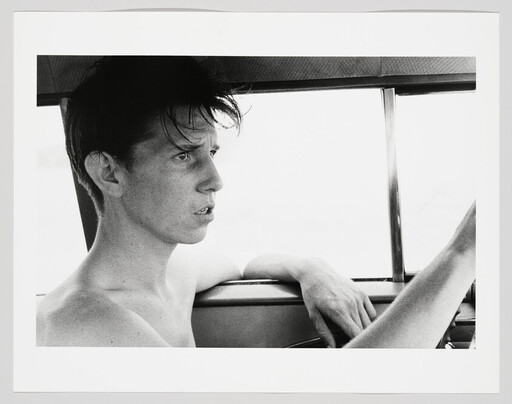
Billy Mann
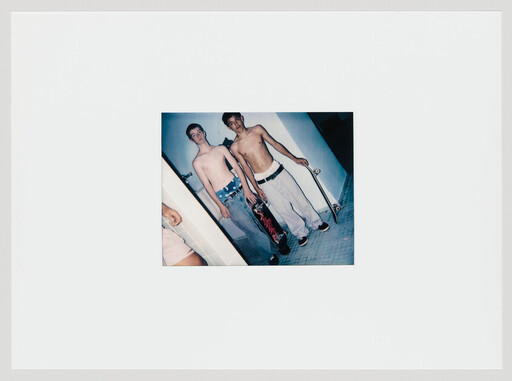
Untitled (two boys with skateboard in bathroom)
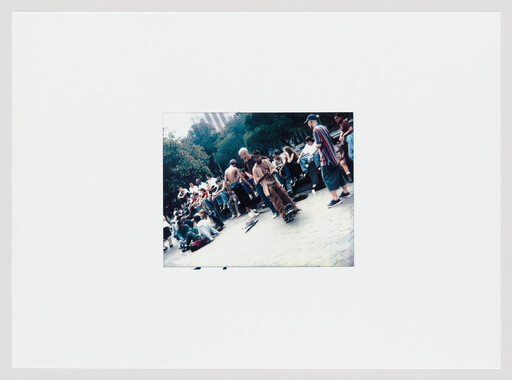
Untitled (skateboard scene)
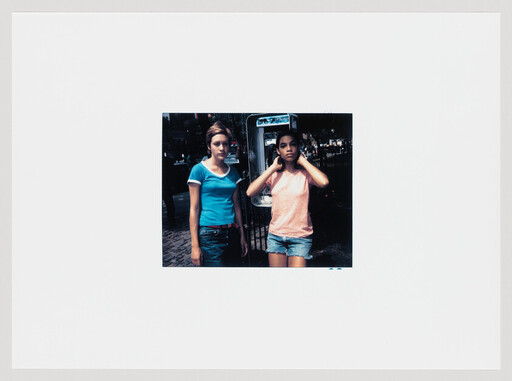
Untitled (Chloe and friend near phone booth)
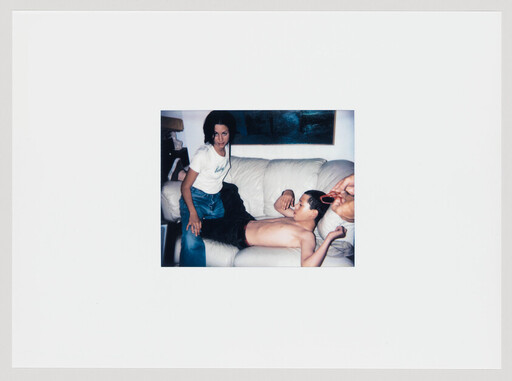
Untitled (boy laying down on couch with girl kneeling down next to him)
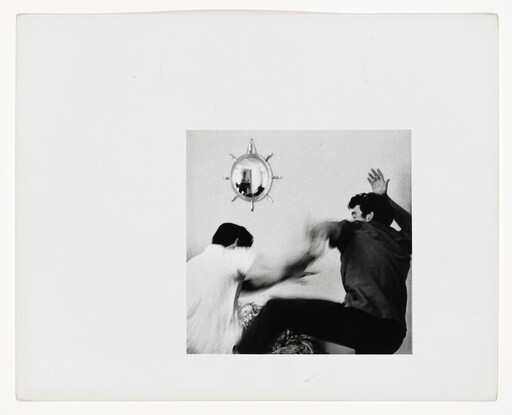
Untitled (Kung-fu fighting in front of convex mirror)
Showing the first 60 of 78 works. Browse all 78 →
Exhibitions at the Whitney
- An Incomplete History of Protest: Selections from the Whitney’s Collection, 1940–2017 2017-08-18 – 2018-08-27
- Collected by Thea Westreich Wagner and Ethan Wagner 2015-11-20 – 2016-03-06
- America Is Hard to See 2015-05-01 – 2015-09-27
- Collecting Biennials 2010-01-16 – 2010-11-28
- Full House: Views of the Whitney’s Collection at 75 2006-06-29 – 2006-09-03
- Down by Law 2006-01-21 – 2006-05-21
- American Pictures 2004-10-16 – 2005-02-27
- Pictures From Within: American Photographs 1958–2002 2003-05-24 – 2003-09-28
- Visions from America: Photographs from the Whitney Museum of American Art, 1940–2001 2002-06-26 – 2002-09-22
- An American Story 1996-03-20 – 1996-09-29
- From the Collection: Photography, Sculpture and Painting 1994-07-14 – 1995-02-26
- Whitney Biennial 1981 1981-01-20 – 1981-04-12