Artist Biennial
Louise Bourgeois
1911–2010
Biography
Louise Bourgeois produced an extensive body of sculpture, drawings, and prints over the course of a career that spanned seventy-five years. Although the early work Quarantania is semiabstract, the elongated pine slabs of which it is made evoke a huddle of human figures. Indeed, Bourgeois described them as effigies of the family members and friends she missed when she moved to the United States in 1938. If this sculpture was partly a means of working through homesickness and guilt, its suggestion of tribal totems and primitive rituals ties it to contemporaneous endeavors by expatriate Surrealists working in New York in the 1940s, a community in which Bourgeois took part. She turned away from Surrealism in the 1950s, however, and also rejected the wholesale abstraction of the New York School painters with whom she often exhibited. Instead, she spent the ensuing six decades honing a three-dimensional practice that utilized various materials (including stone, plaster, fabric, and latex) in a wide range of shapes and scales to plumb the connections between body, psyche, and subjectivity. By turns aggressive and violent, vulnerable and sensual, her biomorphic, erotic forms often seem to symbolize the realization of subconscious drives or the exorcizing of latent desires.
If these are universal themes, other elements of Bourgeois’s art are deeply personal. The anthropomorphized arachnid pictured in Spider Woman is one of the artist’s iconic motifs and was for her a maternal emblem, at once protective and threatening. Bourgeois described her own mother, who helped run the family’s tapestry restoration business, as “neat, and as useful as a spider,” declaring, “I shall never tire of representing her.”
Works in the collection
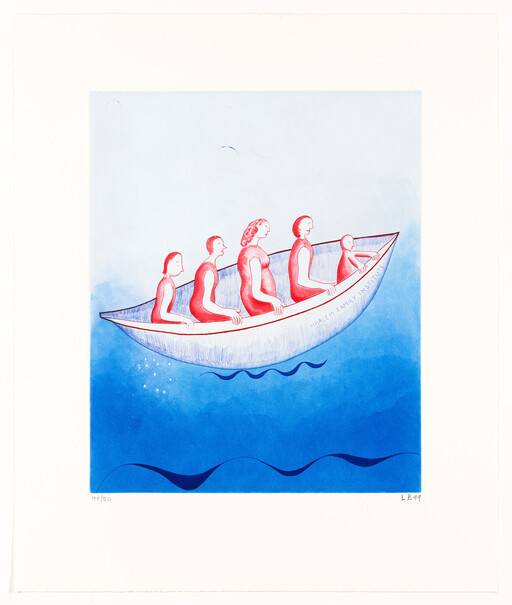
Follow the Child Within You
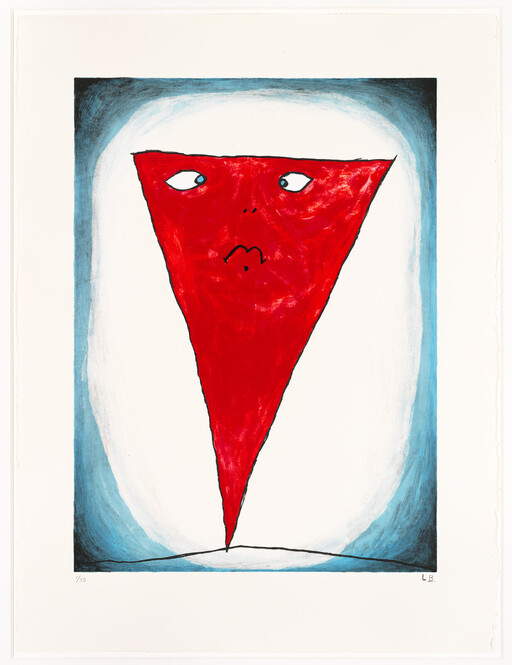
The Guilty Girl is Fragile
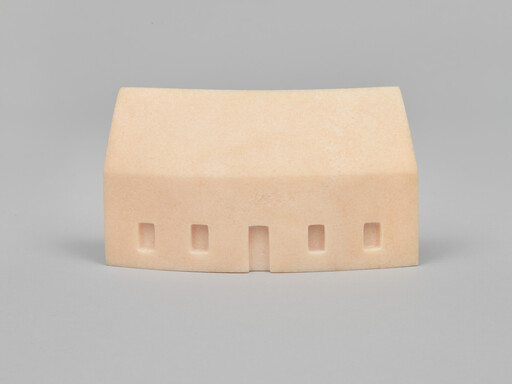
The Curved House
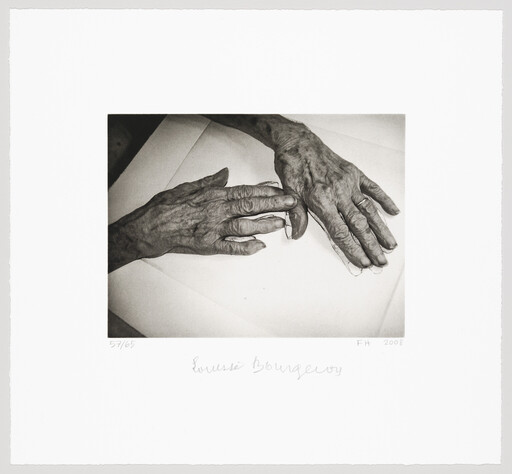
Louise Bourgeois
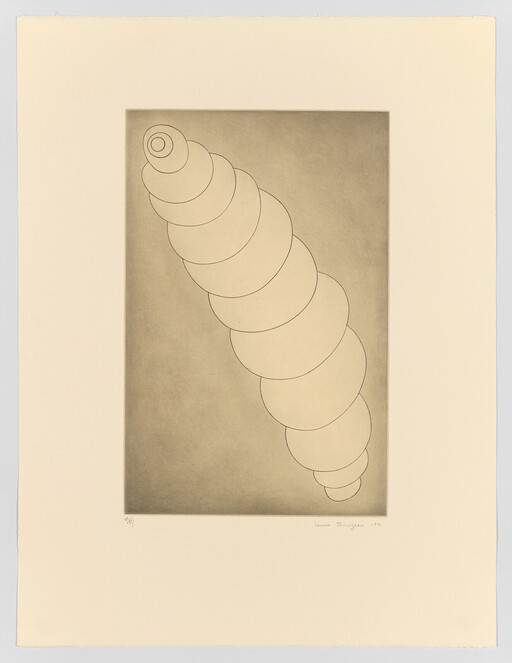
Progression
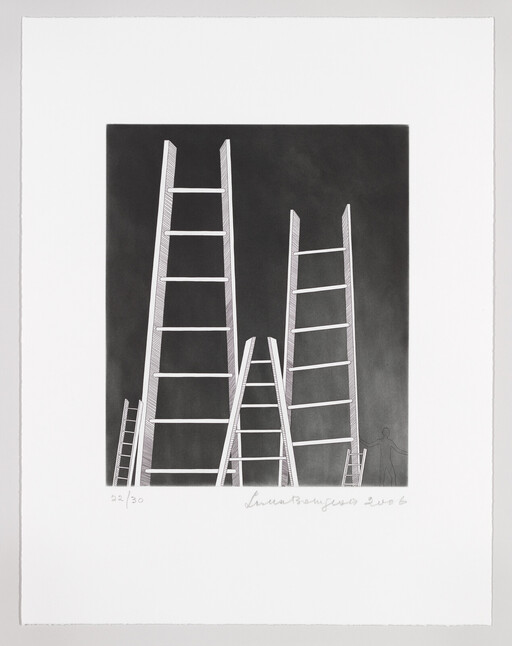
The Ladders
Male and Female
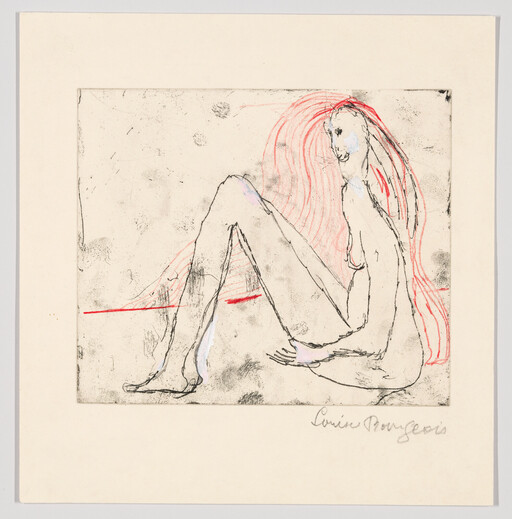
Seated Woman
Spiral Woman
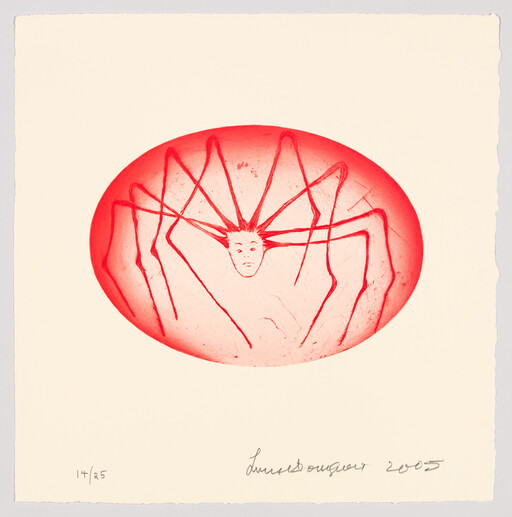
Spider Woman
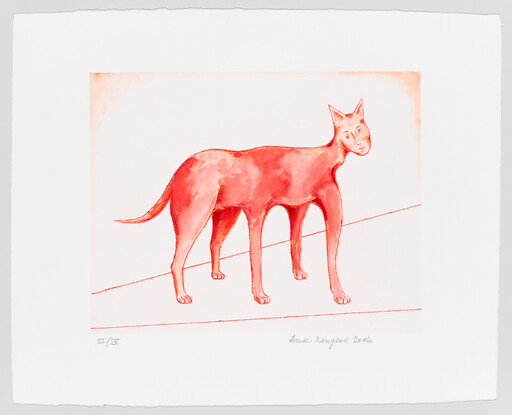
Untitled
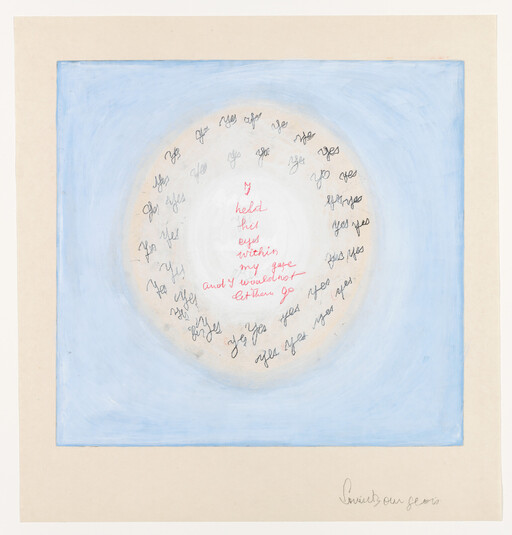
Yes
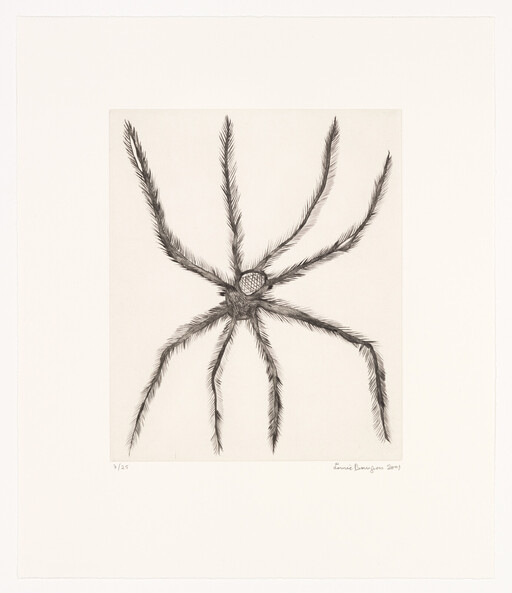
Hairy Spider
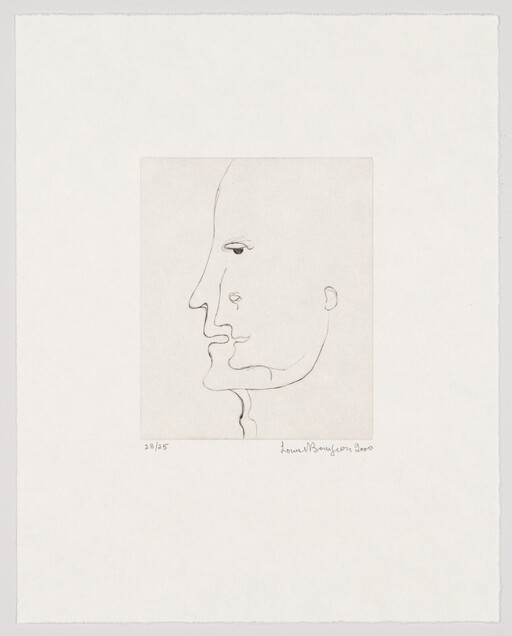
The Son Is Father to the Man
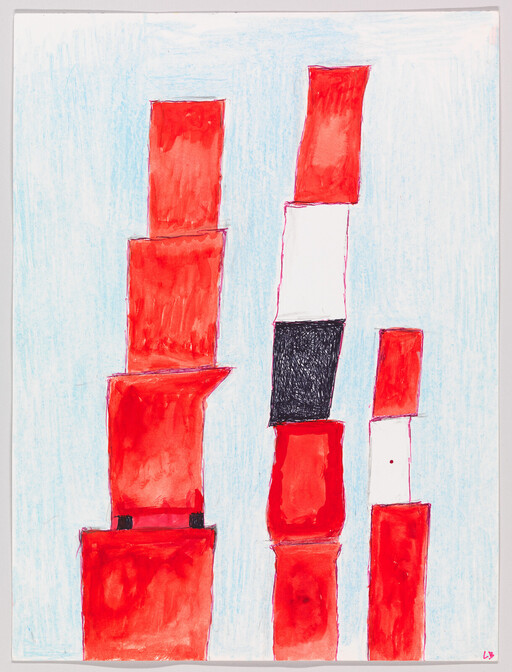
Le Blazer de Pierre
The Geldzahler Portfolio
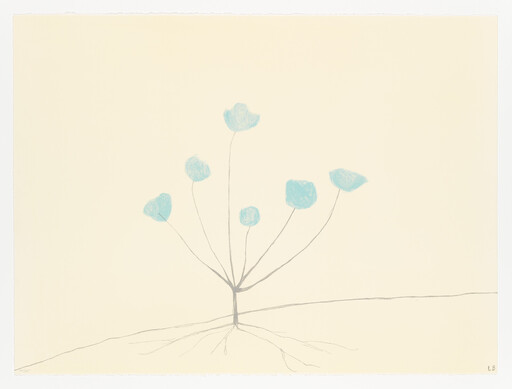
A Flower in the Forest
Topiary. The Art of Improving Nature
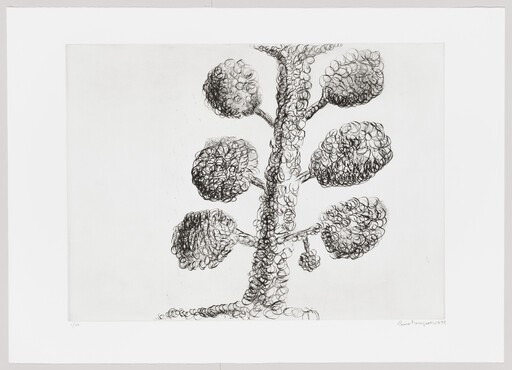
Tree
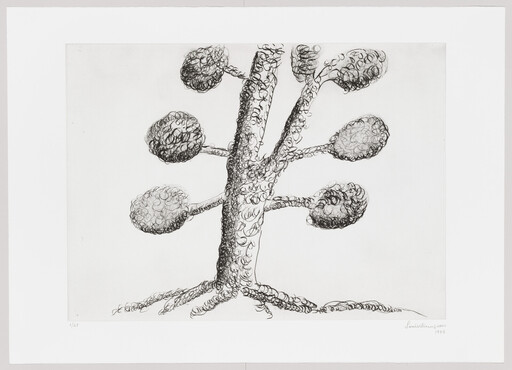
Tree with Split Trunk
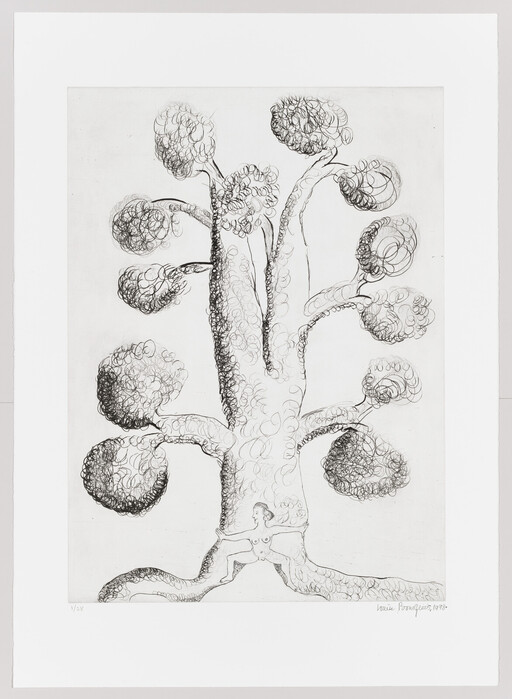
Tree with Woman
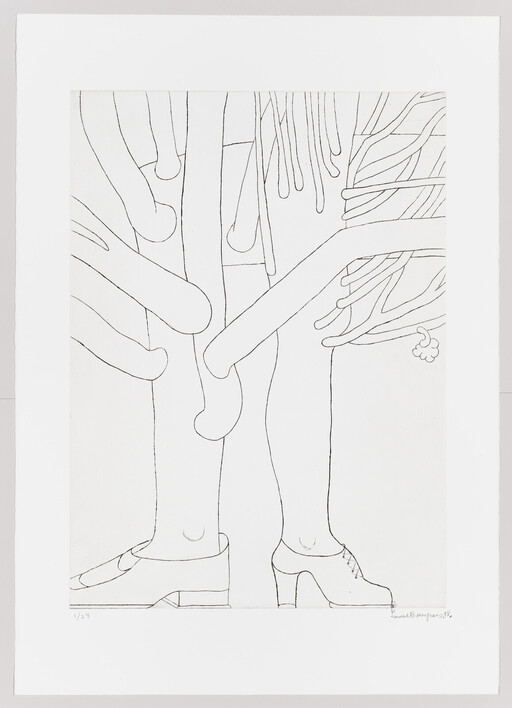
Tree/Legs
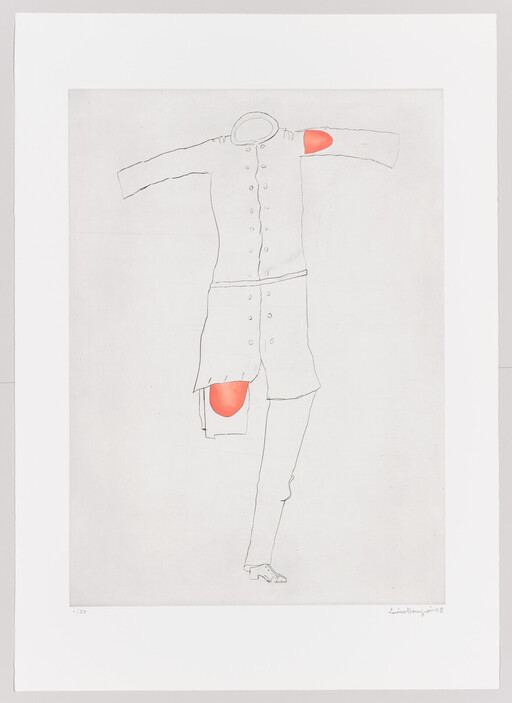
Amputee
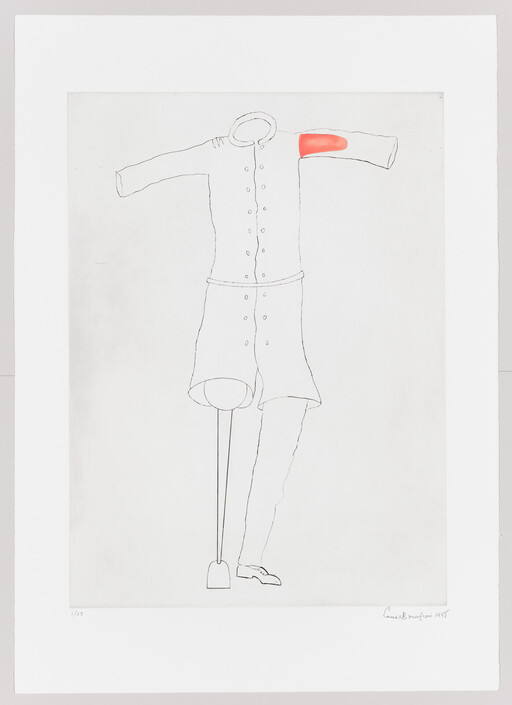
Amputee with Peg Leg
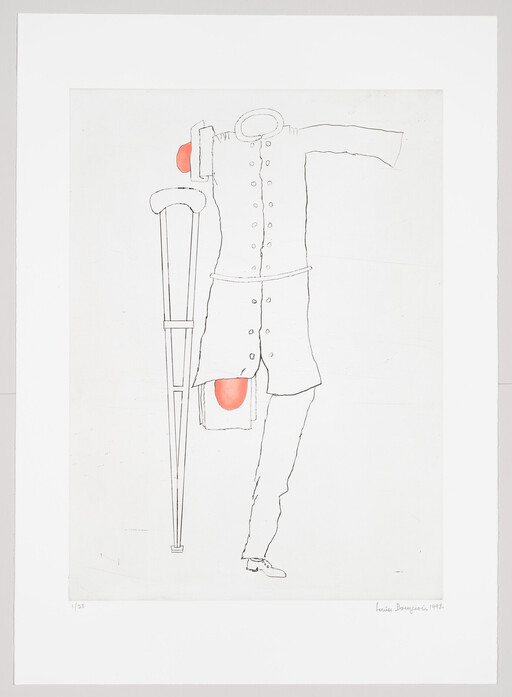
Amputee with Crutch
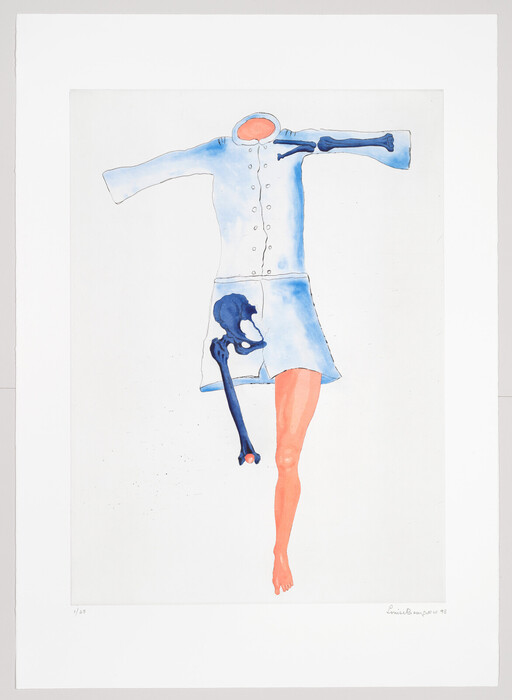
Blue Dress
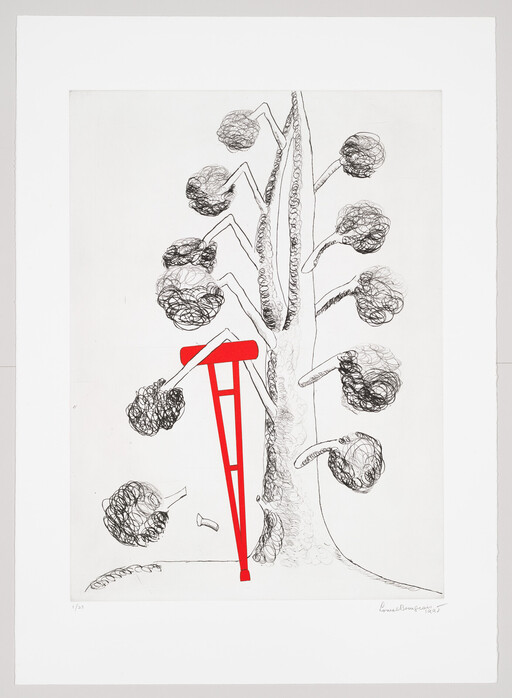
Tree with Red Crutch
.jpg)
Pink Days and Blue Days
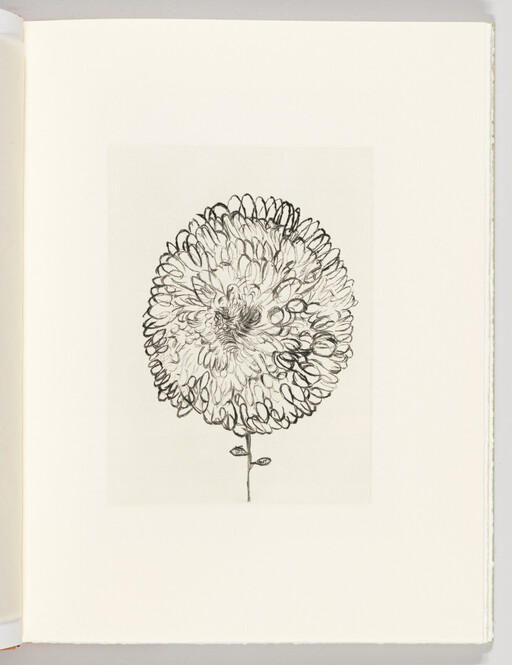
Homely Girl, A Life
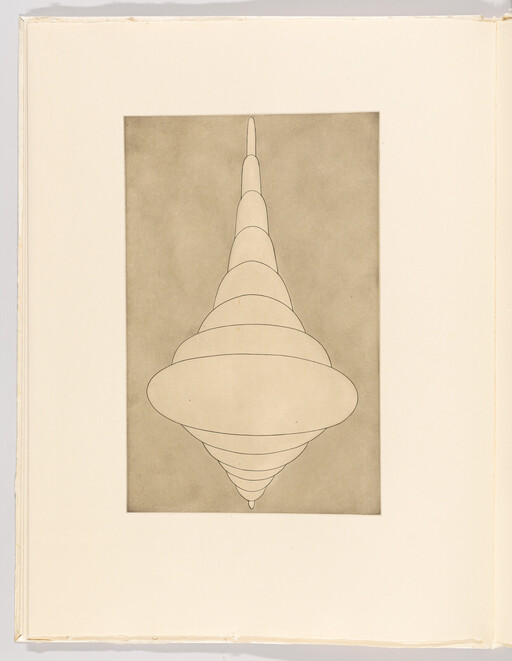
The Puritan
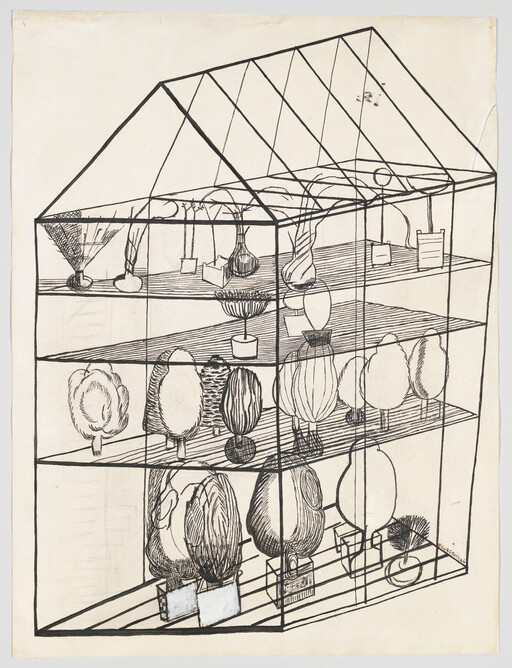
Untitled
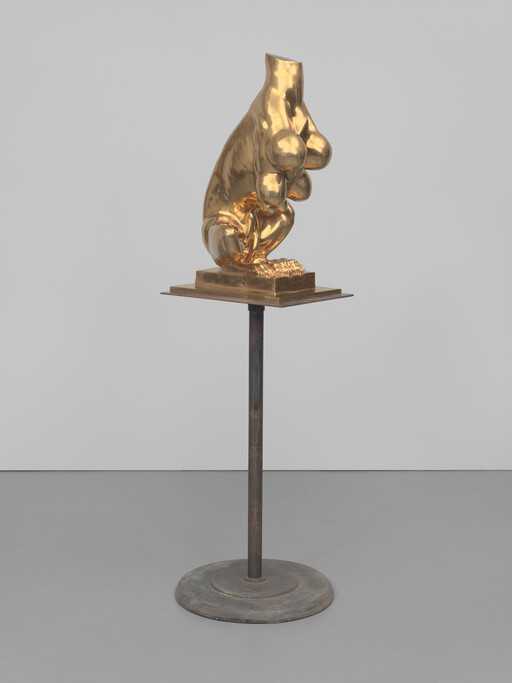
Nature Study
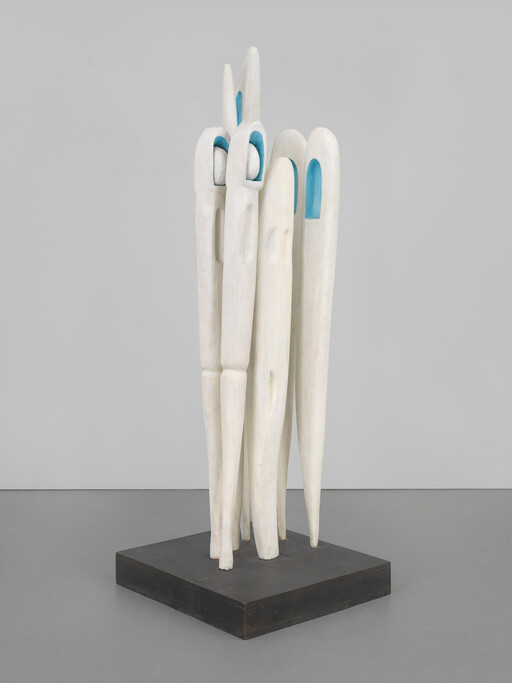
Quarantania
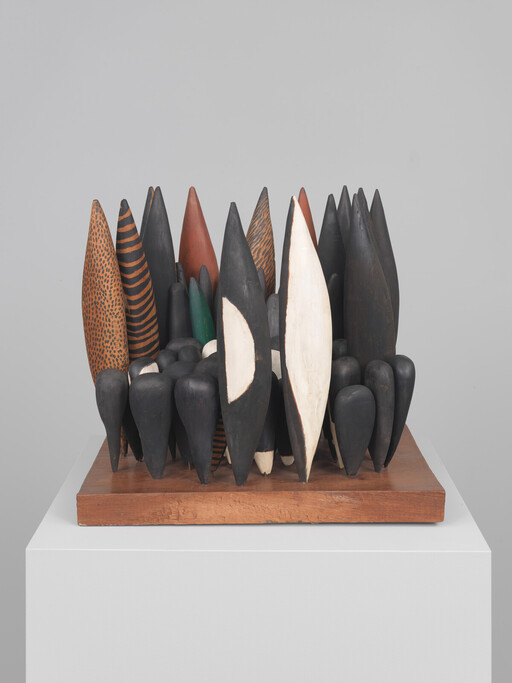
One and Others
Exhibitions at the Whitney
- Sixties Surreal 2025-09-24 – 2026-01-19
- Where We Are: Selections from the Whitney’s Collection, 1900–1960 2017-04-28 – 2019-06-02
- Human Interest: Portraits from the Whitney’s Collection 2016-04-02 – 2017-04-02
- The Whitney's Collection 2015-09-28 – 2016-04-04
- America Is Hard to See 2015-05-01 – 2015-09-27
- Signs & Symbols 2012-06-28 – 2012-10-28
- Collecting Biennials 2010-01-16 – 2010-11-28
- Two Years 2007-10-17 – 2008-02-17
- Picasso and American Art 2006-09-28 – 2007-01-28
- Full House: Views of the Whitney’s Collection at 75 2006-06-29 – 2006-09-03
- Louise Bourgeois: The Insomnia Drawings 2003-06-14 – 2003-09-21
- De Kooning to Today: Highlights from the Permanent Collection (2nd floor–Oct 2002) 2002-10-10 – 2003-03-02
- Highlights from the Permanent Collection: From Pollock to Today 2000-12-07 – 2002-02-10
- Highlights from the Permanent Collection: From Hopper to Mid-Century 2000-02-26 – 2006-05-21
- Hindsight: Recent Work from the Permanent Collection 1998-12-17 – 1999-02-21
- Permanent Collection 1998-04-04 – 1999-03-28
- Whitney Biennial 1997 1997-03-20 – 1997-06-01
- An American Story 1996-03-20 – 1996-09-29
- Whitney Biennial 1987 1987-04-10 – 1987-07-05
- Whitney Biennial 1983 1983-03-15 – 1983-05-29
- Whitney Biennial 1973: Contemporary American Art 1973-01-10 – 1973-03-18
- 1970 Annual Exhibition: Contemporary American Sculpture 1970-12-12 – 1971-02-07
- 1968 Annual Exhibition: Contemporary American Sculpture 1968-12-17 – 1969-02-09
- Annual Exhibition 1962: Contemporary Sculpture and Drawings 1962-12-12 – 1963-02-03
- Annual Exhibition 1960: Contemporary Sculpture and Drawings 1960-12-07 – 1961-01-22
- 1957 Annual Exhibition: Sculpture, Paintings, Watercolors 1957-11-20 – 1958-01-12
- 1956 Annual Exhibition: Sculpture, Paintings, Watercolors, Drawings 1956-11-14 – 1957-01-06
- 1956 Annual Exhibition of Contemporary American Sculpture, Watercolors and Drawings 1956-04-18 – 1956-06-10
- 1955 Annual Exhibition of Contemporary American Paintings, Sculpture, Watercolors and Drawings 1955-01-12 – 1955-02-20
- 1954 Annual Exhibition of Contemporary American Sculpture, Watercolors and Drawings 1954-03-17 – 1954-04-18
- 1953 Annual Exhibition of Contemporary American Sculpture, Watercolors and Drawings 1953-04-09 – 1953-05-29
- 1951 Annual Exhibition of Contemporary American Sculpture, Watercolors and Drawings 1951-03-17 – 1951-05-06
- 1948 Annual Exhibition of Contemporary American Painting 1948-11-13 – 1949-01-02
- 1947 Annual Exhibition of Contemporary American Painting 1947-12-06 – 1948-01-25
- 1946 Annual Exhibition of Contemporary American Sculpture, Watercolors and Drawings 1946-02-05 – 1946-03-13
- 1945 Annual Exhibition of Contemporary American Painting 1945-11-27 – 1946-01-10