Artist Biennial On view
Andy Warhol
1928–1987
Biography
More than any other artist of his generation, Andy Warhol understood how photographic images reflect and shape the way we see the world. Working across multiple mediums—painting, drawing, printmaking, photography, film, video, and installation—he pushed beyond the boundaries by which each is defined, his art and name becoming synonymous with Pop. But his influence extended far beyond the 1960s: indeed, Warhol’s work foreshadows the ease and ubiquity with which we create and consume images in the digital era.
Born Andrew Warhola and raised in Pittsburgh, Warhol attended the Carnegie Institute of Technology and received his BFA in 1949. That same year he moved to New York, where he became a highly successful commercial illustrator, drawing advertisements for shoes and designing window displays for department stores. In the early 1960s he decided to concentrate on making fine art. Appropriating an image from a National Enquirer ad for plastic surgery (Warhol previously had plastic surgery on his own nose), he made four different paintings titled Before and After. Although he painted these works by hand, Warhol used an opaque projector to enlarge the ad and trace it onto the canvas—one of the techniques he employed as a commercial illustrator. Unlike his Abstract Expressionist forebears, Warhol wanted to achieve an art that could be “noncommittal, anonymous,” and so he progressively eliminated evidence of the brush in each variation of the subject until all visible traces of the artist’s hand were removed from Before and After, 4. From the start, Warhol selected images that were familiar but could be interpreted in multiple ways. For instance, Before and After, 4 references the transformational powers of plastic surgery as well as the assimilating desire to conform to expected notions of beauty.
Green Coca-Cola Bottles signals Warhol’s shift toward the processes of mechanical reproduction. Here he created a single woodblock stamp to imprint a grid of 112 signature silhouettes of Coca-Cola bottles, but within a year he would shift to the more efficient silkscreen technique for which he became famous. The rows in this painting might suggest an assembly line as well as a grocery store shelf, or anticipate the linear and modular configurations of Minimalism. This serial arrangement of the bottles, in combination with the conspicuous placement of the logo, underscores Warhol’s summation of the democratizing effect of such products: “A Coke is a Coke,” he explained, “and no amount of money can get you a better Coke than the one the bum on the corner is drinking.”
Warhol selected subjects that had an immediacy and relevance to contemporary culture for his silkscreen paintings, often using images culled from the news. The nine blue and gray canvases of Nine Jackies feature three different photographs of Jacqueline Kennedy from events surrounding the assassination of her husband, President John F. Kennedy. Arranged in rows, the first image was taken in Dallas just prior to the assassination; the second during his funeral; and the third as Lyndon B. Johnson was being sworn in as president on Air Force One. The filmic nature of the arrangement emphasizes the stillness of the images; frozen in time and presented out of temporal sequence, they impart a sense of the public’s grief and confusion. It is a history painting in which the story has gone horribly wrong.
Birmingham Race Riot was similarly based on photographic imagery, here specifically from a 1963 LIFE magazine spread showing peaceful civil rights protesters being attacked by police with dogs and water hoses. Unlike the repeated imagery of silkscreened paintings Warhol made on this and similar subjects, this screenprint features a single image that he cropped to maximize its dramatic effect.
Warhol also created his own photographs—employing Polaroid cameras as well as strips of cheap black-and-white photo-booth images—to use as source material for his paintings. His sitters included celebrities, socialites, and artists, as well as habitués of the Factory, his New York studio.
By the late 1970s Warhol began experimenting with abstraction, in what was seen by many as a puzzling move by an artist famous for his representational imagery. Rorschach was made by painting onto one vertical half of the canvas, then folding and imprinting it onto the other half (a blotting technique he had evolved years earlier as a college student). In its reference to the Rorschach test, which analyzes a subject’s perceptions of an inkblot, the painting is a potent reminder of Warhol’s understanding of the mutability of the visual image and of art itself.
Dana Miller and Adam D. Weinberg, Handbook of the Collection (New York: Whitney Museum of American Art, 2015), 395–397.
Works in the collection
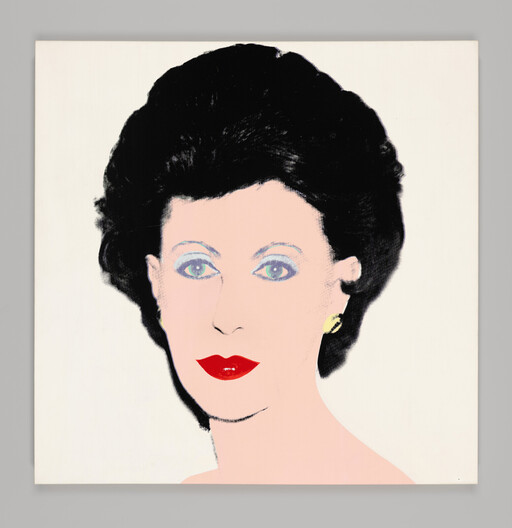
Portrait of Emily Fisher Landau
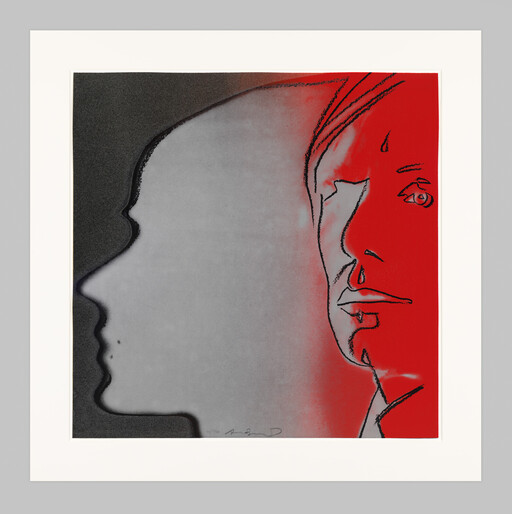
The Shadow
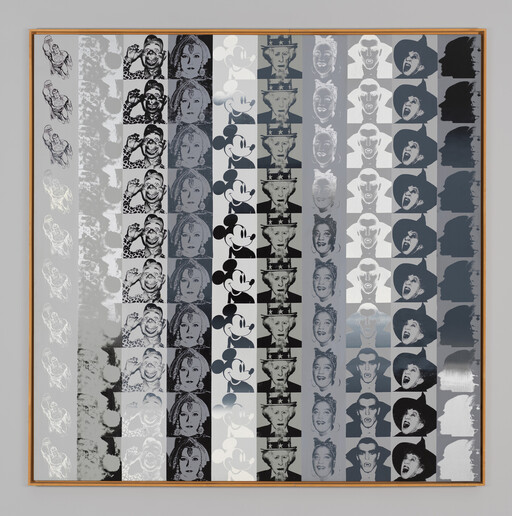
Myths
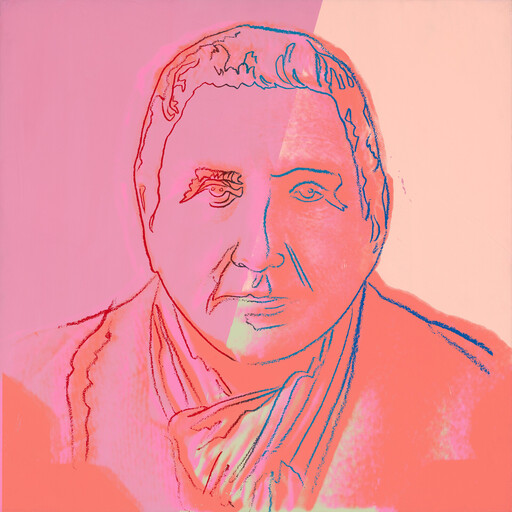
Gertrude Stein
Family Album
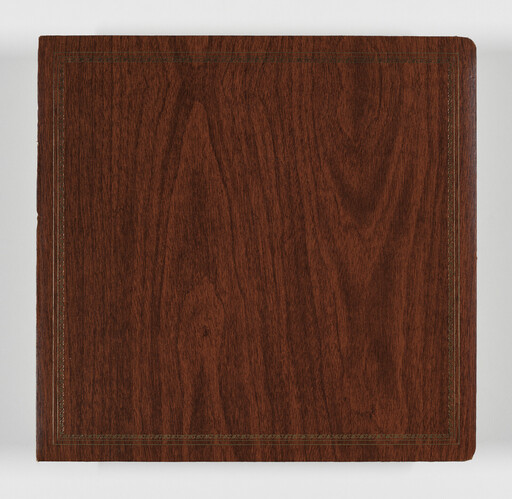
(Album and album pages)
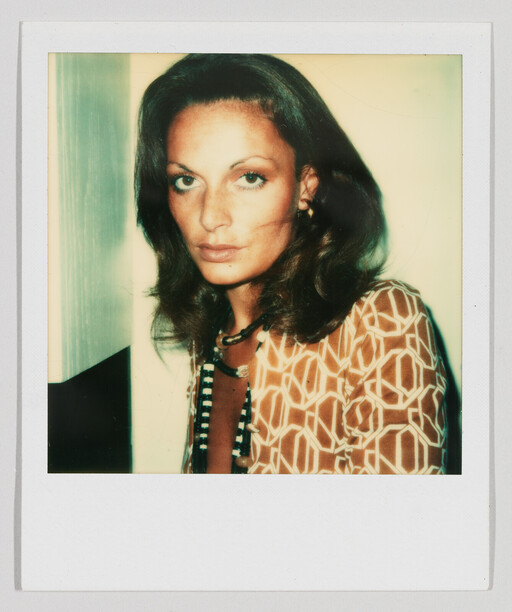
(Diane von Furstenberg)
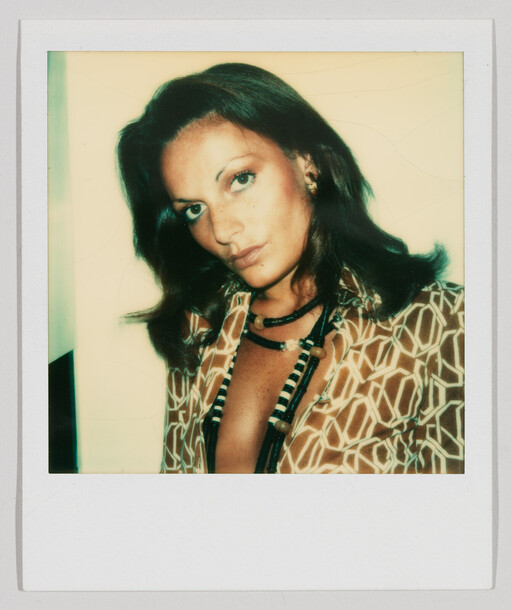
(Diane von Furstenberg)
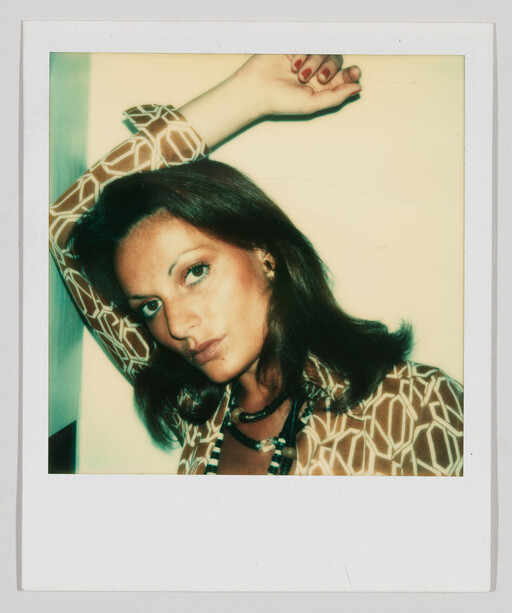
(Diane von Furstenberg)
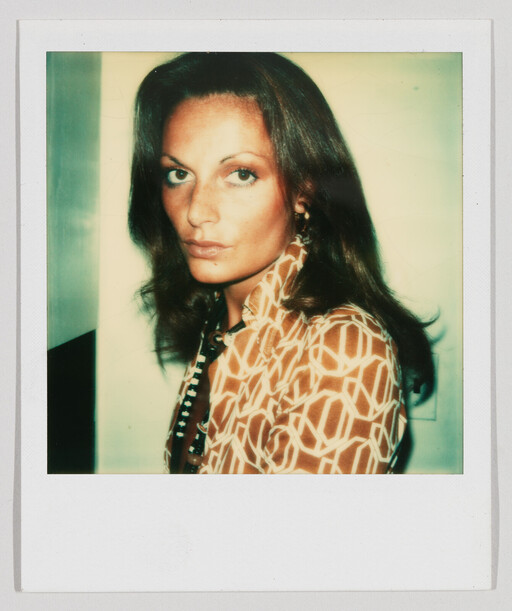
(Diane von Furstenberg)
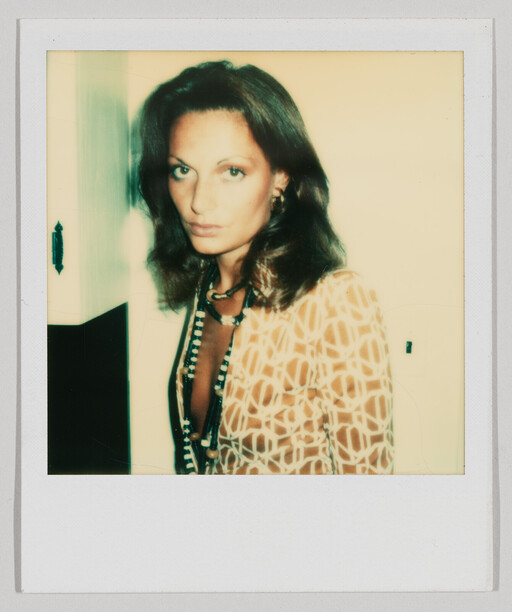
(Diane von Furstenberg)
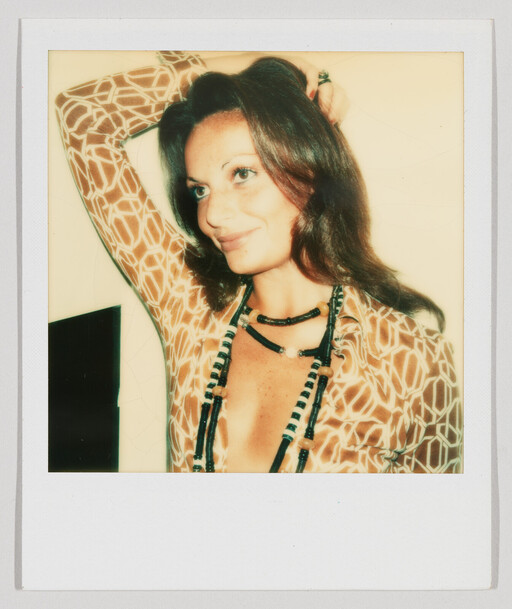
(Diane von Furstenberg)
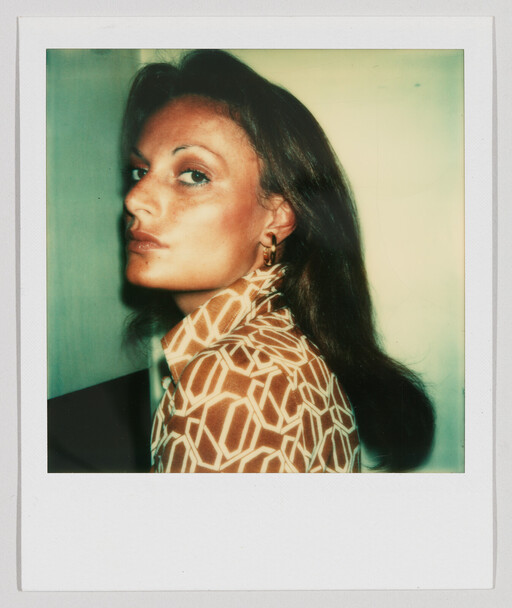
(Diane von Furstenberg)
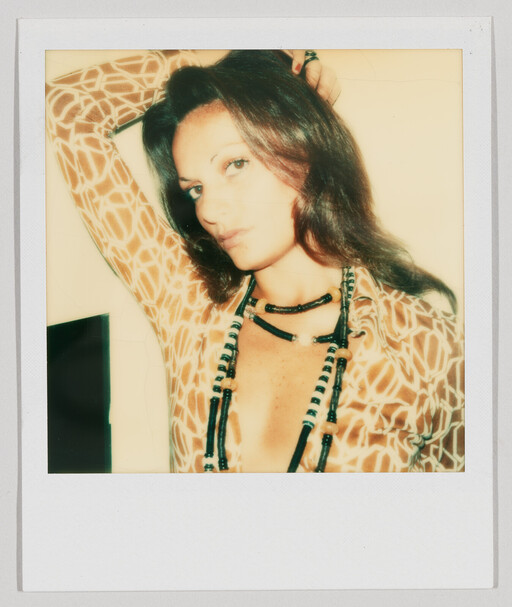
(Diane von Furstenberg)
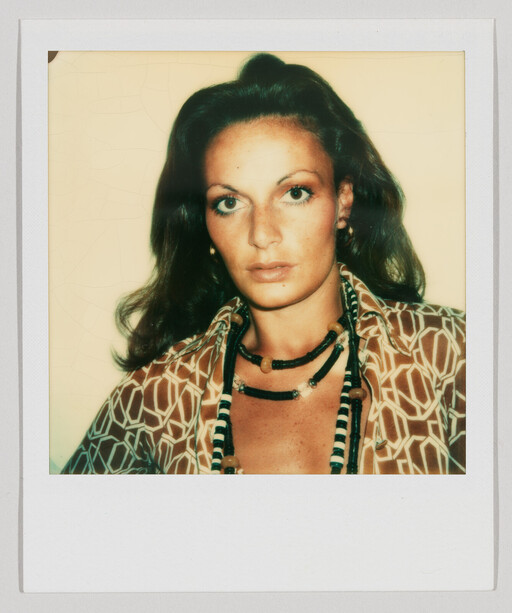
(Diane von Furstenberg)
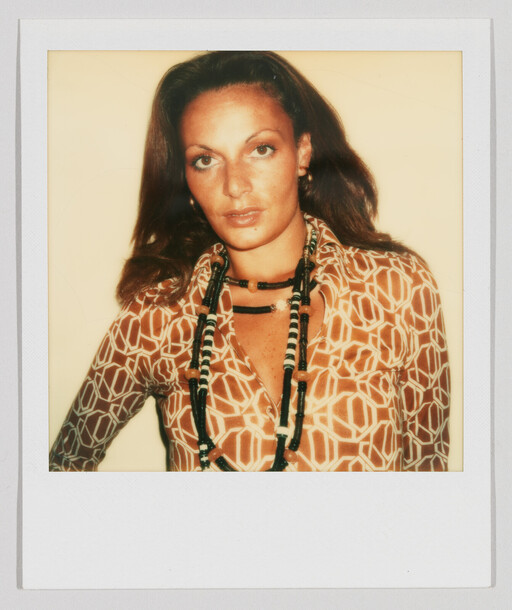
(Diane von Furstenberg)
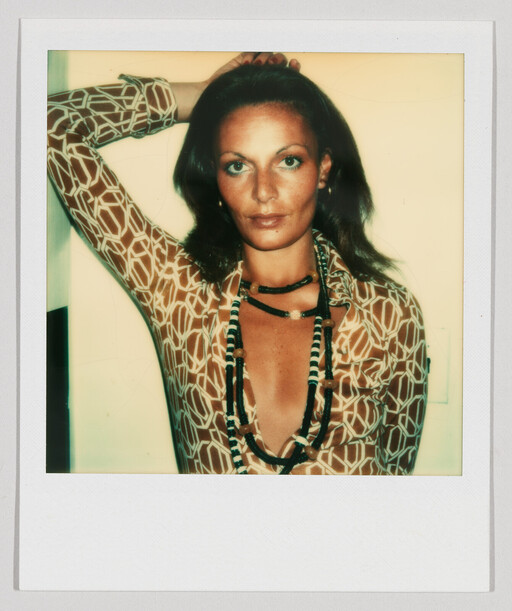
(Diane von Furstenberg)
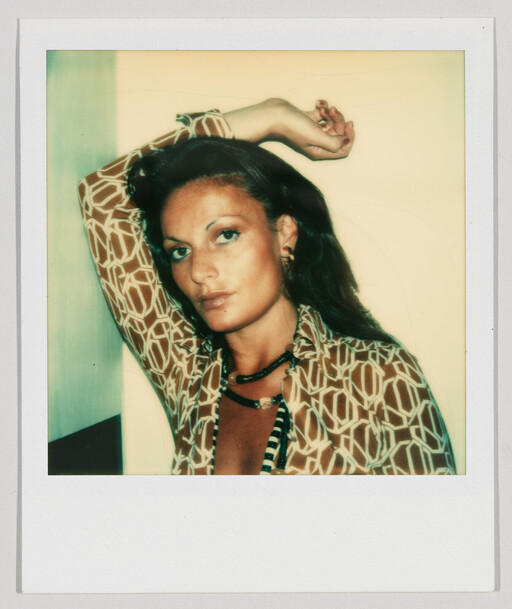
(Diane von Furstenberg)
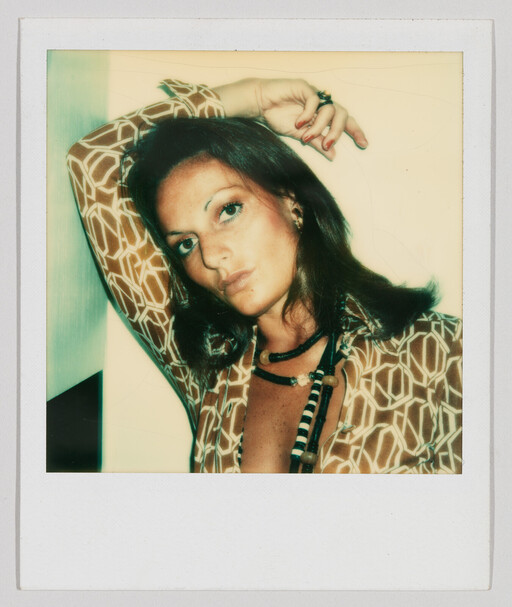
(Diane von Furstenberg)
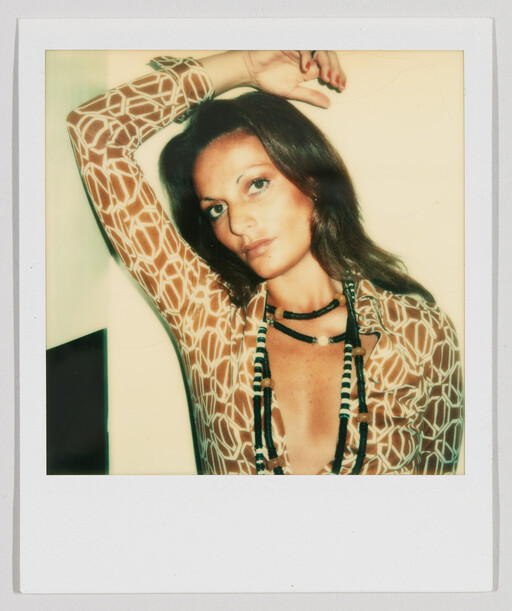
(Diane von Furstenberg)
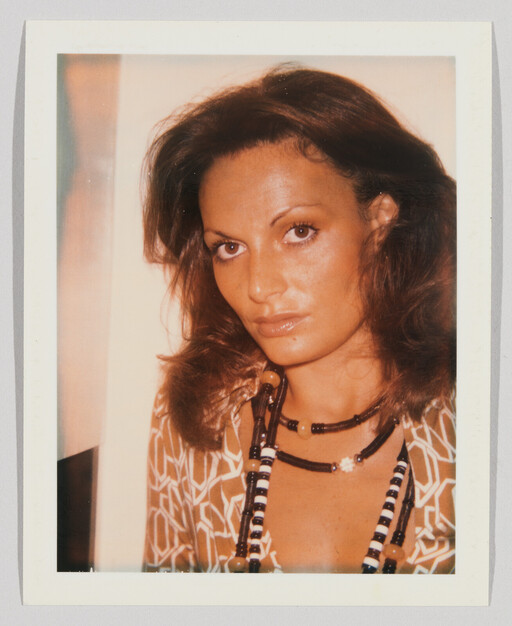
(Diane von Furstenberg)
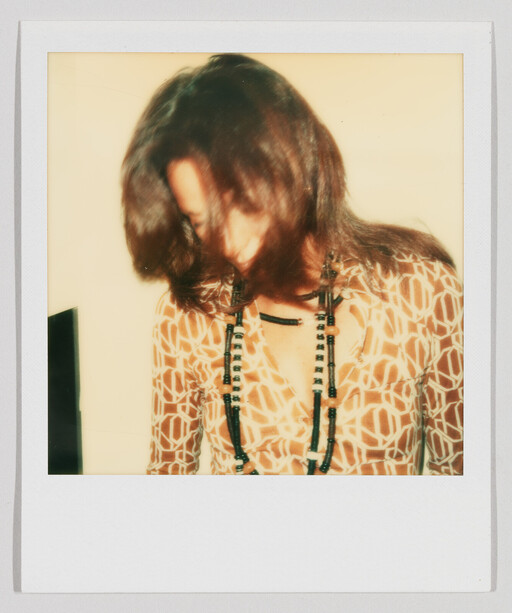
(Diane von Furstenberg)
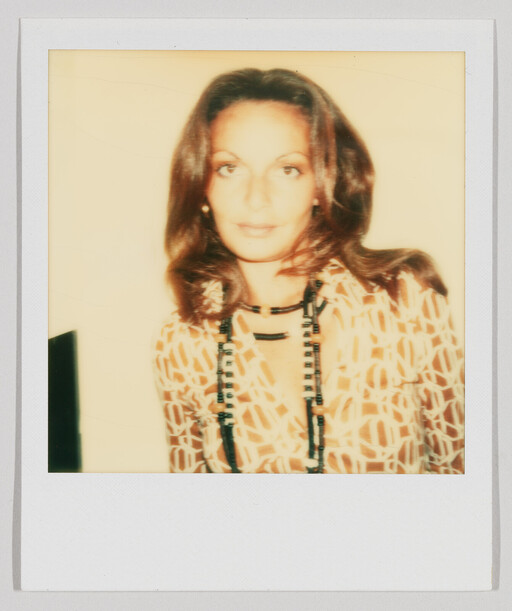
(Diane von Furstenberg)
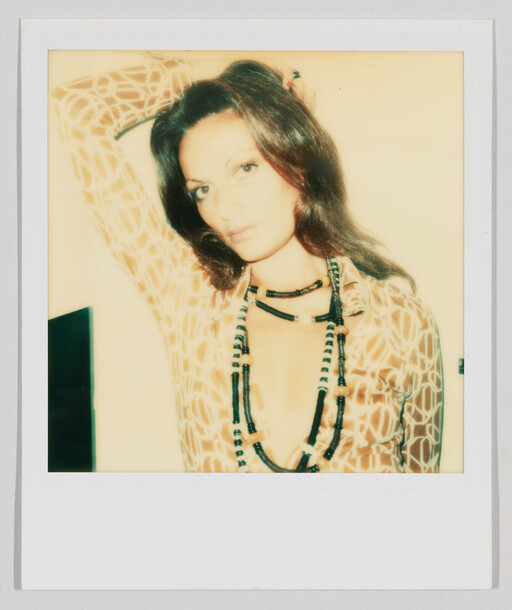
(Diane von Furstenberg)
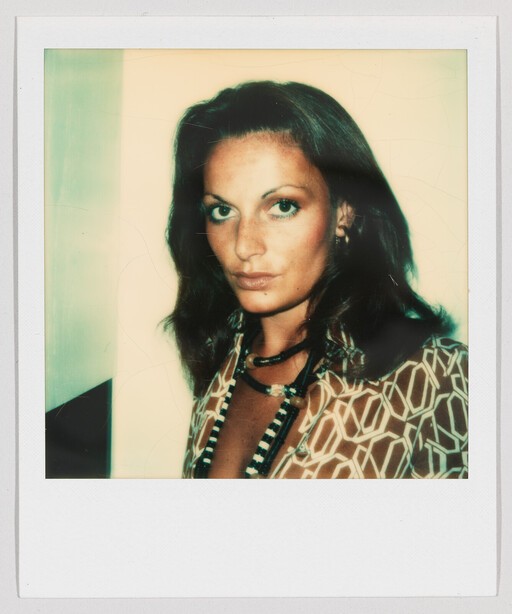
(Diane von Furstenberg)
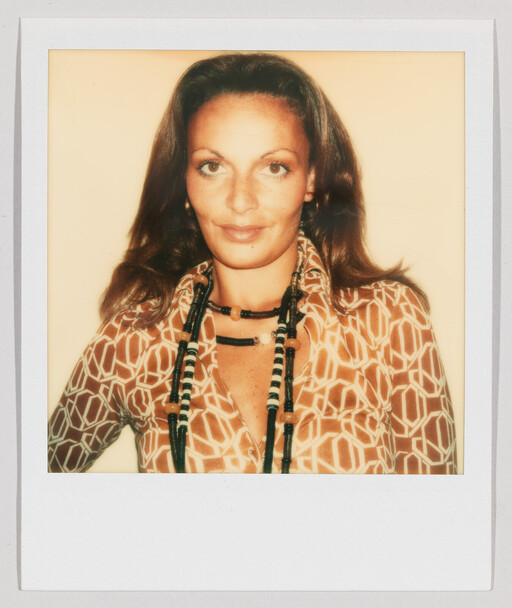
(Diane von Furstenberg)
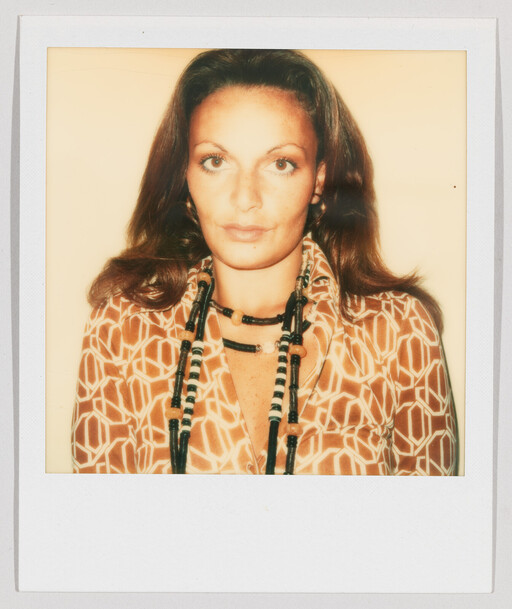
(Diane von Furstenberg)
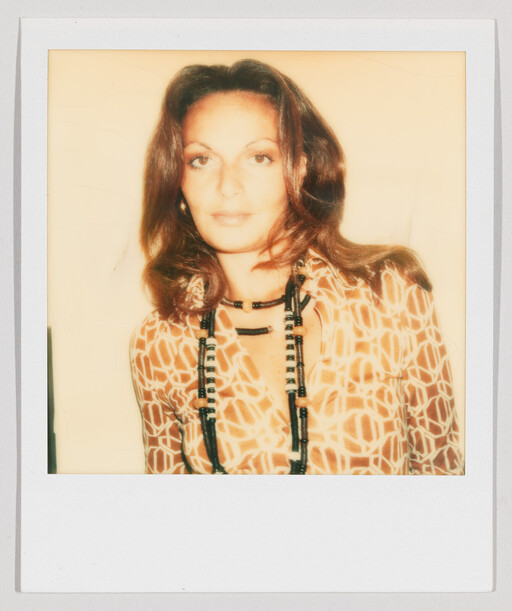
(Diane von Furstenberg)
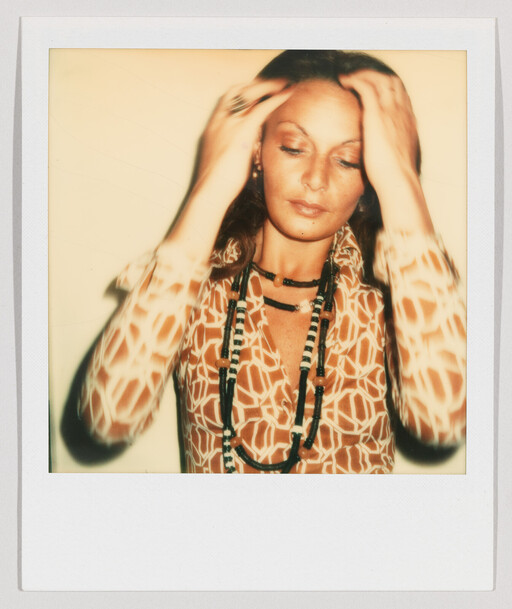
(Diane von Furstenberg)
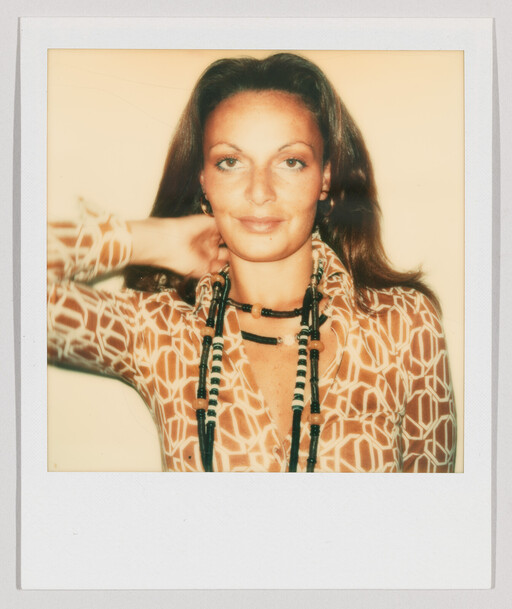
(Diane von Furstenberg)
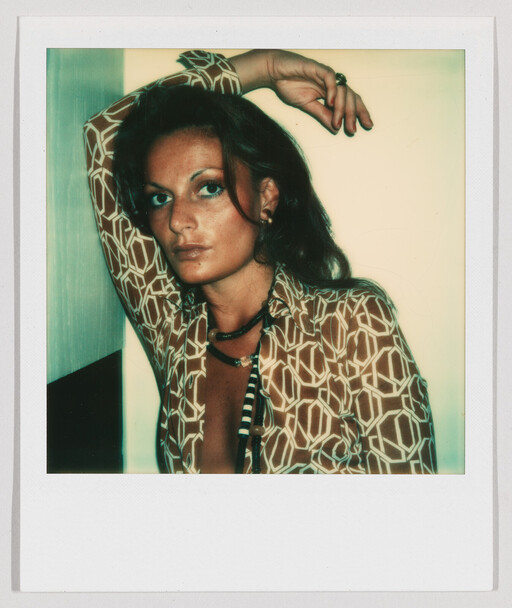
(Diane von Furstenberg)
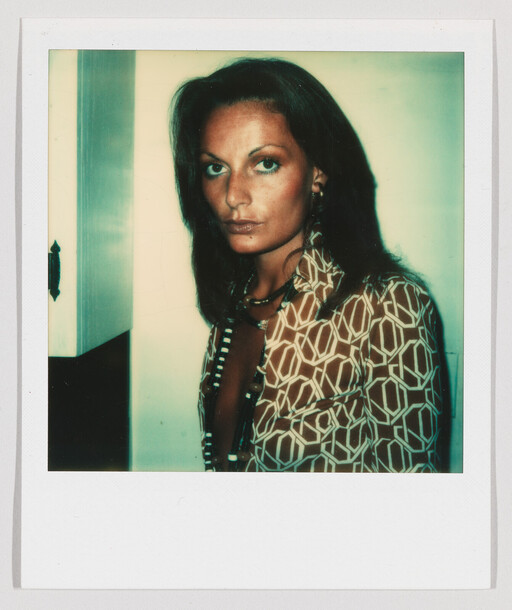
(Diane von Furstenberg)
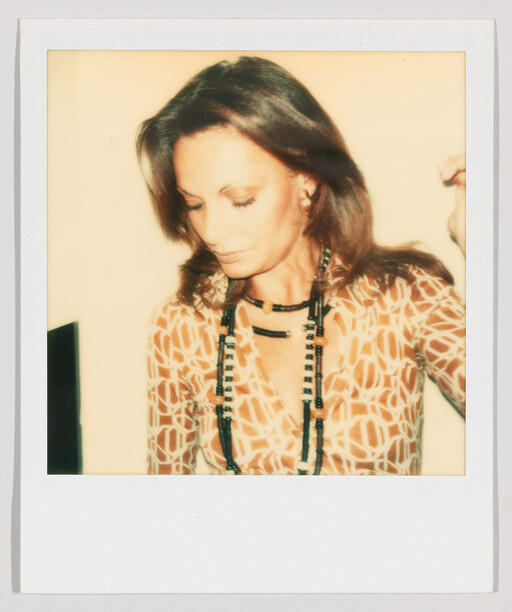
(Diane von Furstenberg)
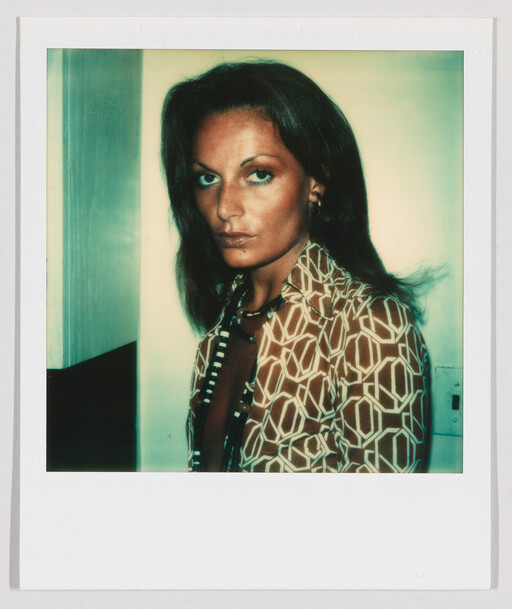
(Diane von Furstenberg)
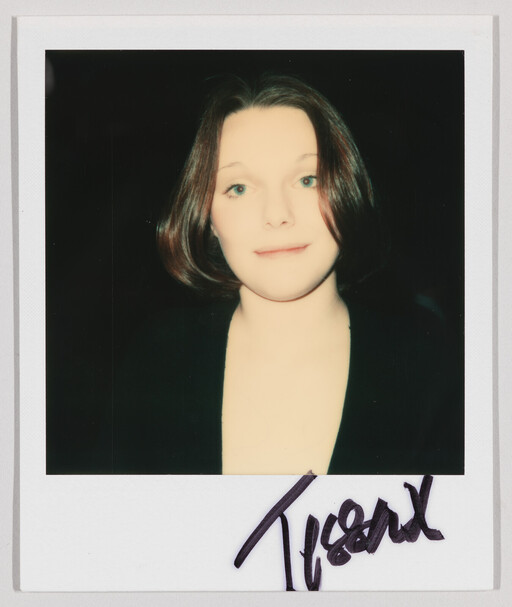
(Tessa Mitchum)
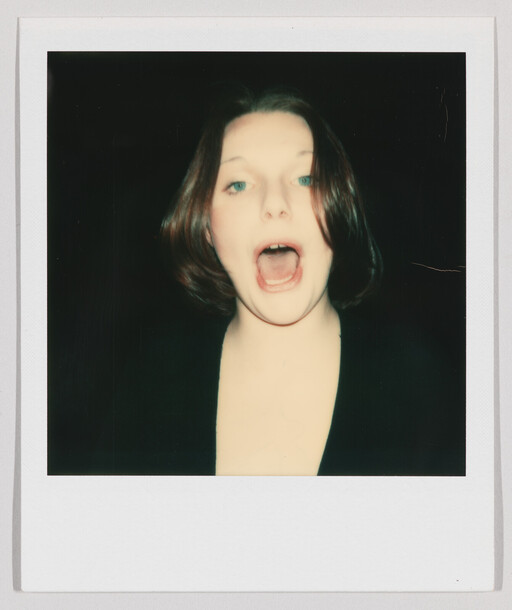
(Tessa Mitchum)
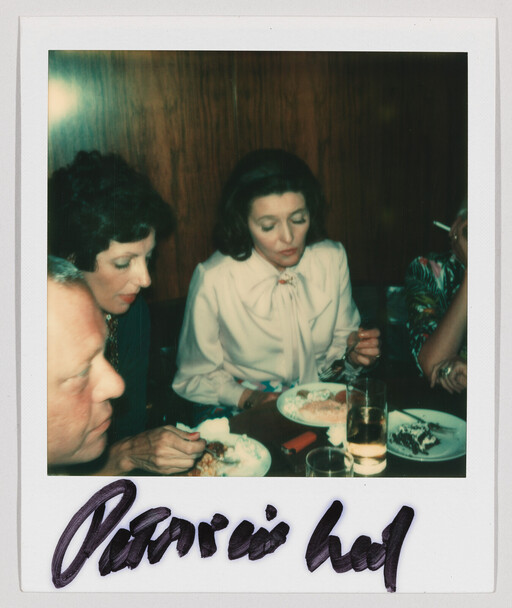
(Patricia Neal and Unidentified Man and Woman)
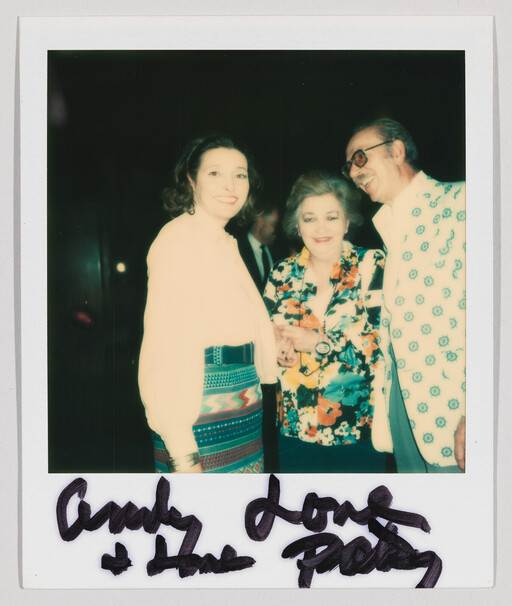
(Patricia Neal and Unidentified Man and Woman)
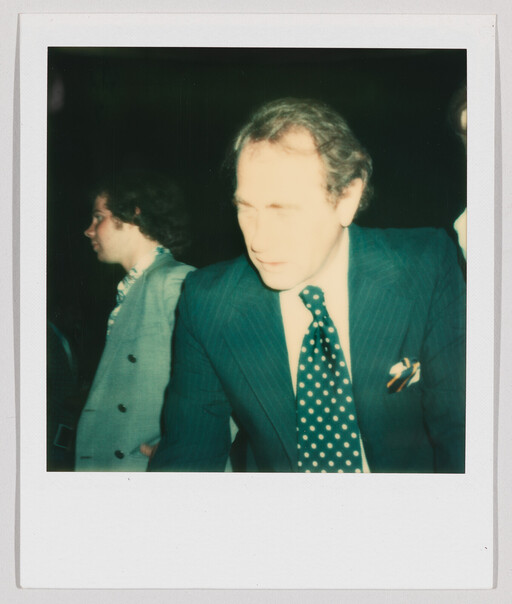
(Unidentified Man)
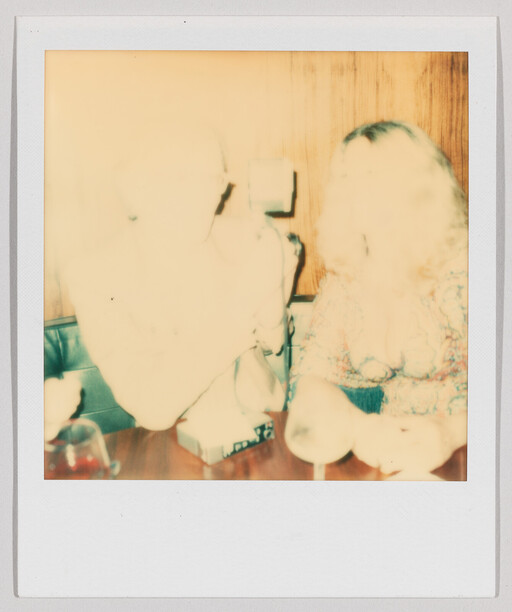
(Andy Warhol and Sylvia Miles)
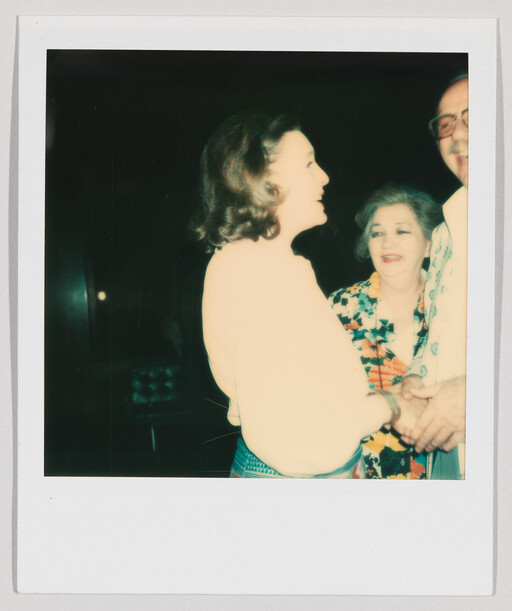
(Patricia Neal and Unidentified Man and Woman)
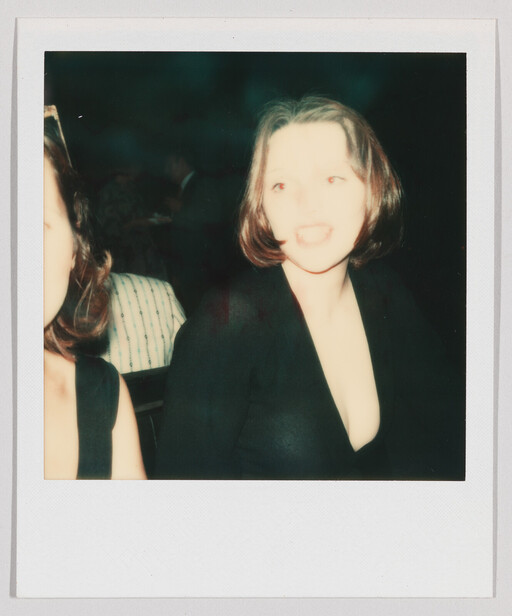
(Tessa Mitchum)
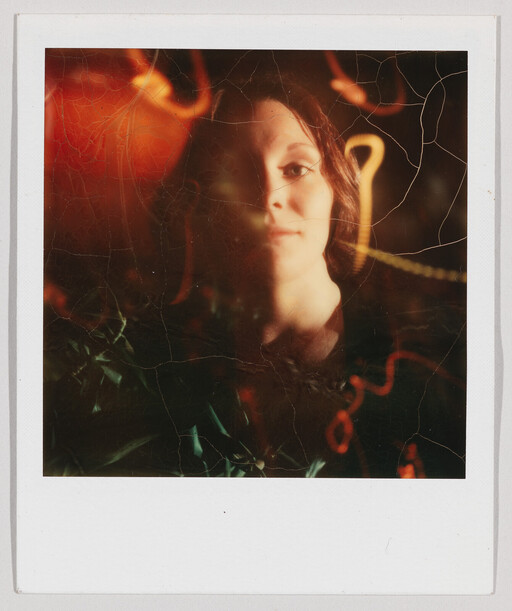
(Tessa Mitchum)
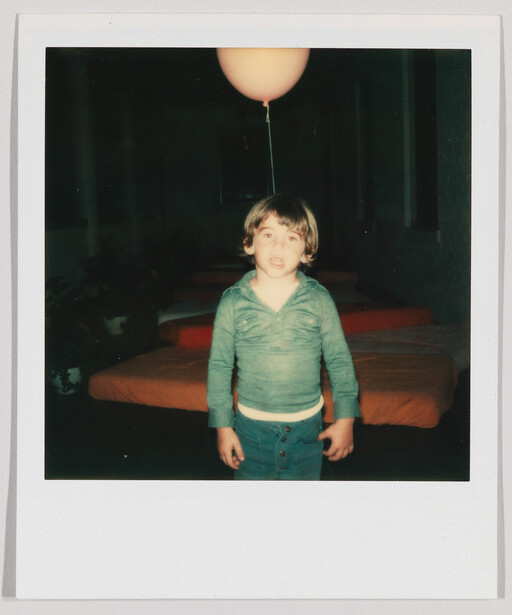
(Rusty Holzer)
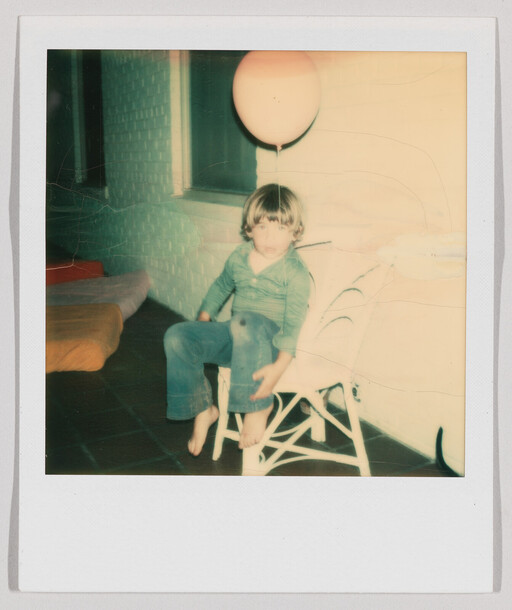
(Rusty Holzer)
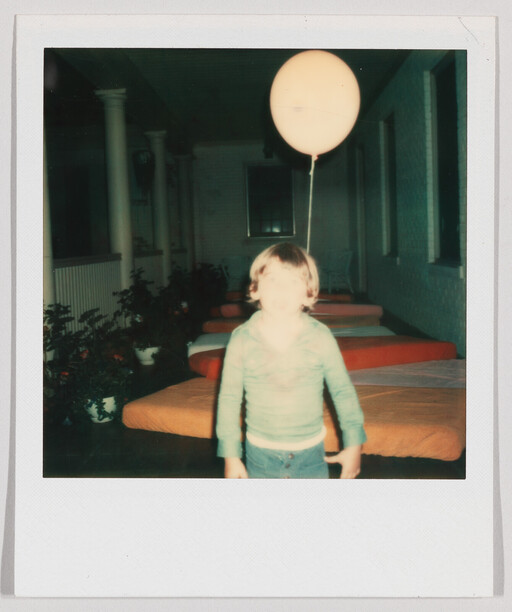
(Rusty Holzer)
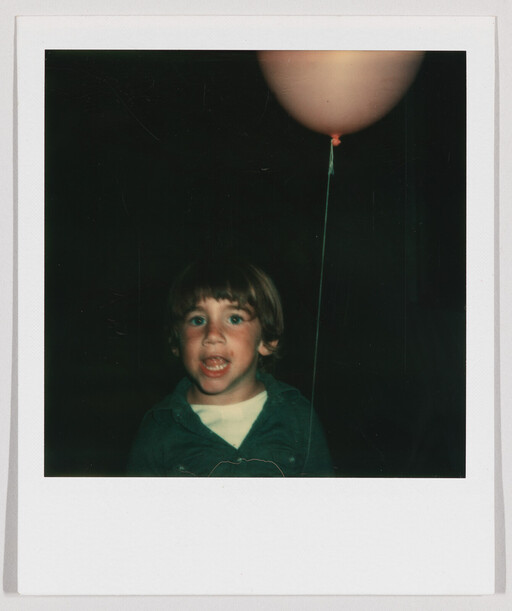
(Rusty Holzer)
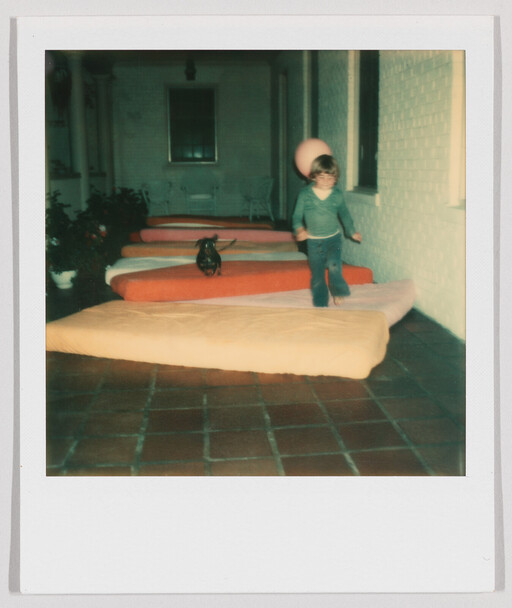
(Rusty Holzer)
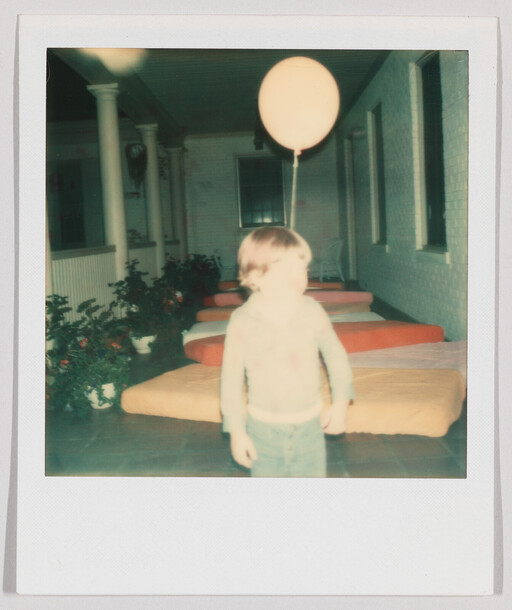
(Rusty Holzer)
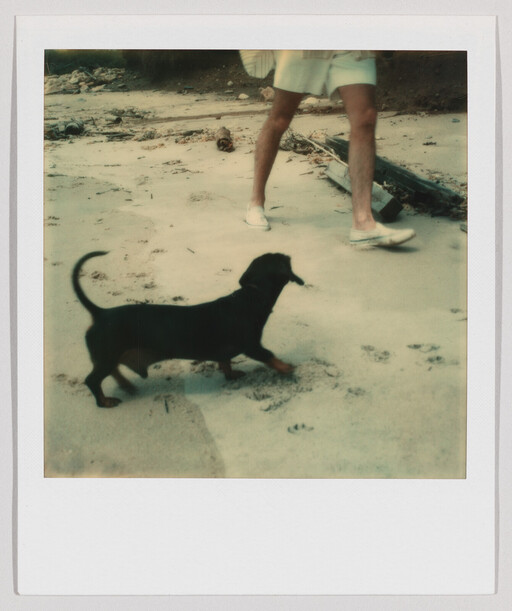
(Archie)
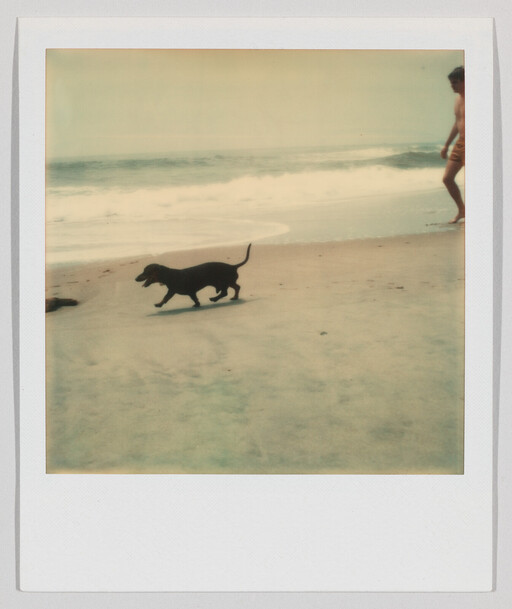
(Vincent Fremont and Archie)
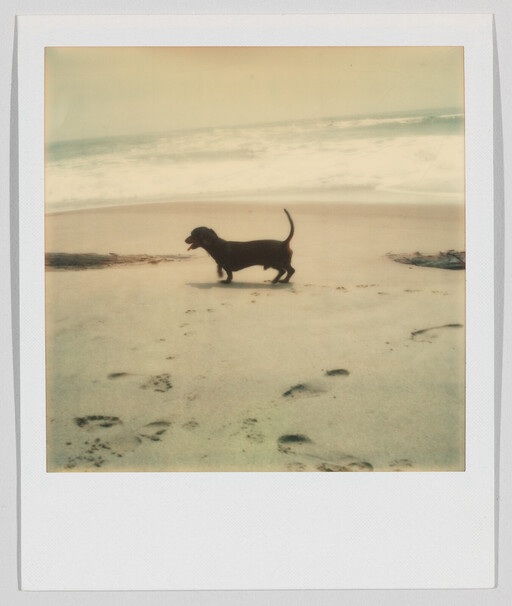
(Archie)
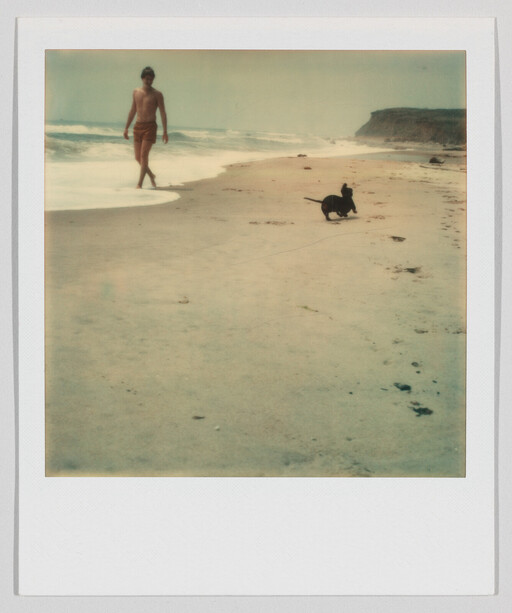
(Vincent Fremont and Archie)
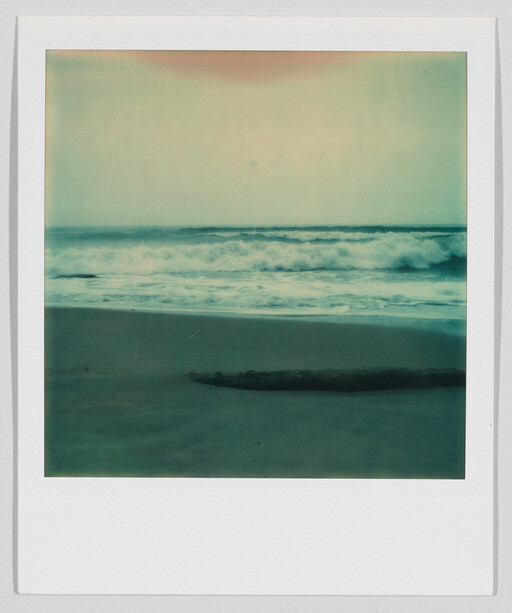
(Beach)
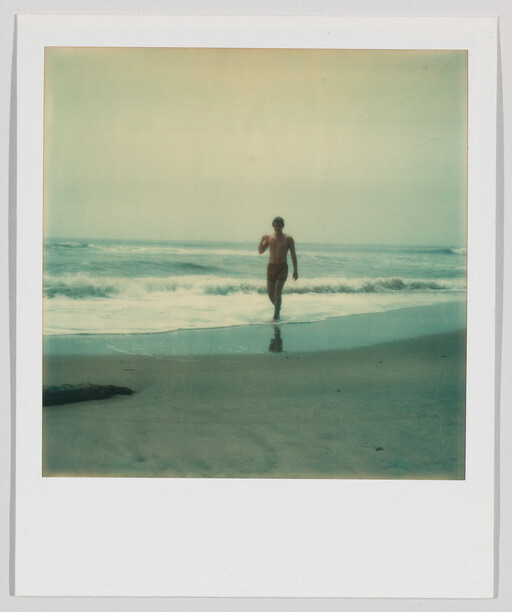
(Vincent Fremont)
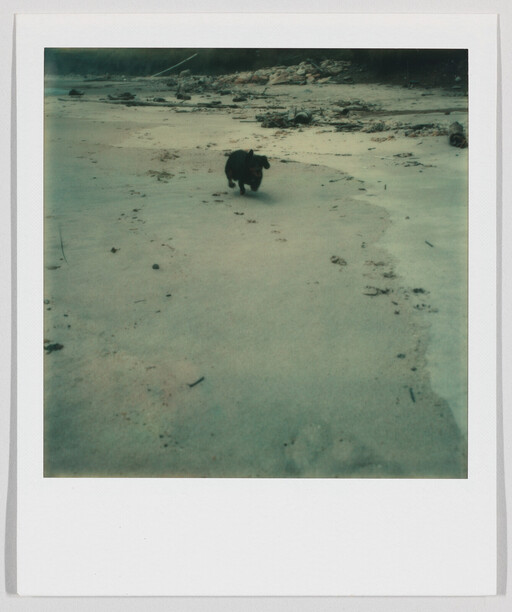
(Archie)
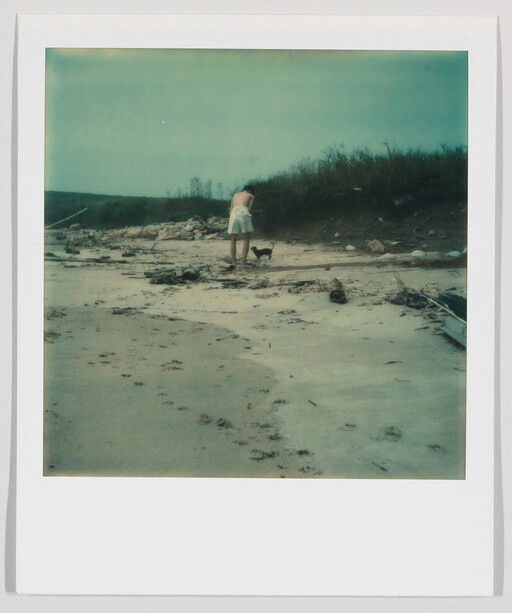
(Fred Hughes and Archie)
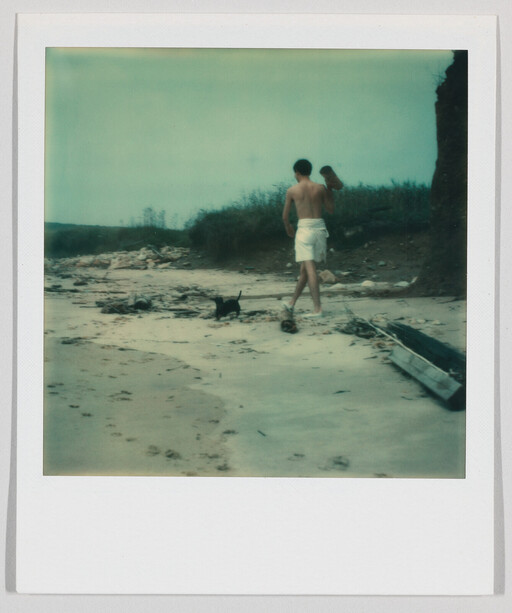
(Fred Hughes and Archie)
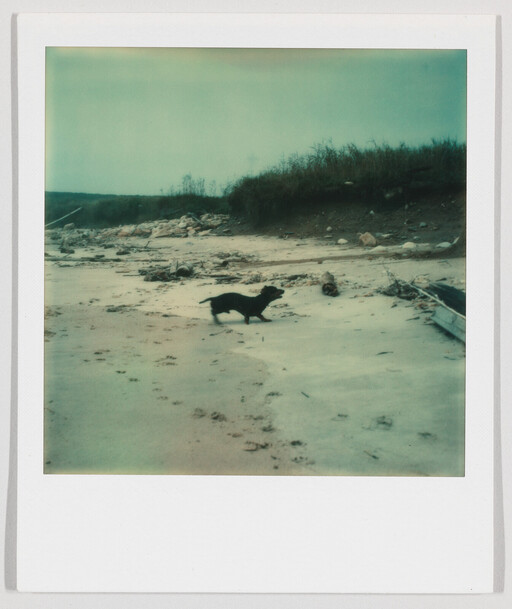
(Archie)
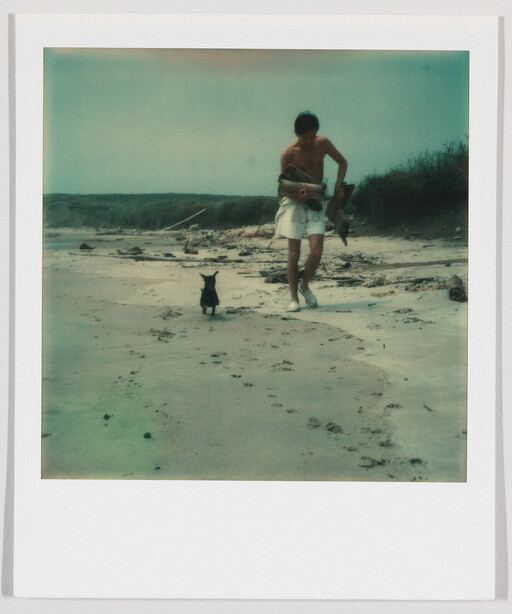
(Fred Hughes and Archie)
Showing the first 60 of 988 works. Browse all 988 →
Exhibitions at the Whitney
- Andy Warhol Family Album 2026-04-30 – 2026-10-19
- Sixties Surreal 2025-09-24 – 2026-01-19
- Fragments of a Faith Forgotten: The Art of Harry Smith 2023-10-04 – 2024-01-28
- The Whitney’s Collection: Selections from 1900 to 1965 2019-06-28 – 2025-05-01
- Andy Warhol—<br>From A to B and <br>Back Again 2018-11-12 – 2019-03-31
- Where We Are: Selections from the Whitney’s Collection, 1900–1960 2017-04-28 – 2019-06-02
- Human Interest: Portraits from the Whitney’s Collection 2016-04-02 – 2017-04-02
- America Is Hard to See 2015-05-01 – 2015-09-27
- Shaping a Collection: Five Decades of Gifts 2014-07-17 – 2014-10-19
- Sinister Pop 2012-11-15 – 2013-03-31
- Dark and Deadpan:<br>Pop in TV and the Movies 2012-11-15 – 2013-03-31
- Whitney Biennial 2012 2012-03-01 – 2012-05-27
- Legacy: The Emily Fisher Landau Collection 2011-02-10 – 2011-05-01
- Paul Thek: Diver, A Retrospective 2010-10-21 – 2011-01-09
- Off the Wall: Part 1—Thirty Performative Actions 2010-07-01 – 2010-09-19
- Collecting Biennials 2010-01-16 – 2010-11-28
- A Few Frames: Photography and the Contact Sheet 2009-09-25 – 2010-01-03
- Synthetic 2009-01-22 – 2009-04-19
- Artists Making Photographs: Chamberlain, Rauschenberg, Ruscha, Samaras, Warhol 2009-01-16 – 2009-05-17
- The Whitney’s Collection 2008-01-30 – 2010-01-03
- Resistance Is. . . 2007-06-29 – 2007-09-02
- Summer of Love: Art of the Psychedelic Era 2007-05-24 – 2007-09-16
- Picasso and American Art 2006-09-28 – 2007-01-28
- Full House: Views of the Whitney’s Collection at 75 2006-06-29 – 2006-09-03
- Down by Law 2006-01-21 – 2006-05-21
- Landscape 2005-03-24 – 2005-09-18
- War! Protest in America 1965–2004 2004-08-26 – 2004-10-24
- Pop/Concept: Highlights from the Permanent Collection 2004-07-01 – 2004-10-24
- An American Legacy, A Gift to New York 2002-10-24 – 2003-01-26
- De Kooning to Today: Highlights from the Permanent Collection (2nd floor–Oct 2002) 2002-10-10 – 2003-03-02
- Visions from America: Photographs from the Whitney Museum of American Art, 1940–2001 2002-06-26 – 2002-09-22
- Into the Light: the Projected Image in American Art, 1964–1977 2001-10-18 – 2002-01-27
- Andy Warhol: Outer and Inner Space (1965) 1998-10-15 – 1998-11-29
- The Warhol Look/Glamour Style Fashion 1997-10-30 – 1998-01-18
- An American Story 1996-03-20 – 1996-09-29
- From the Collection: Photography, Sculpture and Painting 1994-07-14 – 1995-02-26
- The Films of Andy Warhol: Part II 1994-03-30 – 1994-04-24
- Andy Warhol's Video and Television 1991-02-22 – 1991-03-22
- The Films of Andy Warhol: An Introduction 1988-04-26 – 1988-06-05
- Andy Warhol: Portraits of the 70s 1979-11-20 – 1980-01-27
- Andy Warhol 1971-05-01 – 1971-06-20
- 1969 Annual Exhibition: Contemporary American Painting 1969-12-16 – 1970-02-01
- 1967 Annual Exhibition of Contemporary Painting 1967-12-13 – 1968-02-04