Artist Biennial
Frank Stella
1936–2024
Biography
In 1959, shortly after graduating from Princeton University, twenty-three-year-old Frank Stella embarked on a radical group of works that have come to be known as the Black Paintings. Like the other paintings in the series, Die Fahne hoch! consists of a stark geometric pattern of uniform black stripes—a dramatic departure from the gesturalism of Abstract Expressionist painting then in vogue. Further distinctive features include the deep stretcher on which the work is mounted, which allows the painting to assert its presence as a physical object; and the white lines, which turn out not to be applied but rather the bare canvas left exposed between areas of black pigment. Rejecting personal expression and illusionistic representation in favor of reductive intellectual structures, the Black Paintings redefined painting as a literal, object-based practice and anticipated the emergence of Minimalism during the 1960s. As Stella remarked: “My painting is based on the fact that only what can be seen there is there. It is really an object. . . . What you see is what you see.” Nonetheless, Die Fahne hoch! is not devoid of allusion. The work’s provocative German title, meaning “the banner raised,” comes from the marching anthem of the Nazi Party, linking the cruciform structure and dark austerity of the large-scale canvas to a remembrance of that period. The title may also be a reference to Stella’s contemporary Jasper Johns, whose American flag paintings, begun just a few years prior, paved the way for Stella to raise his own aesthetic banner.
Works in the collection
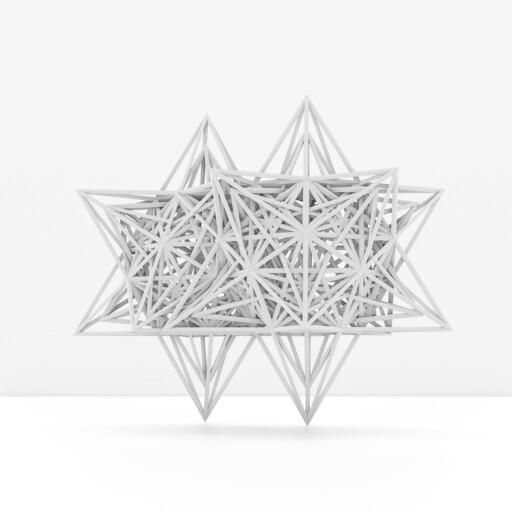
Geometry I
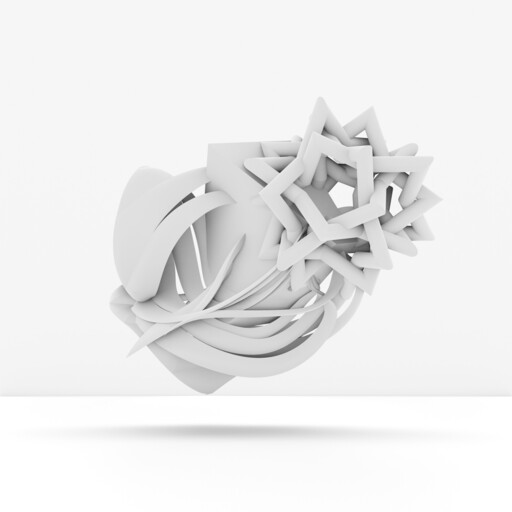
Geometry II
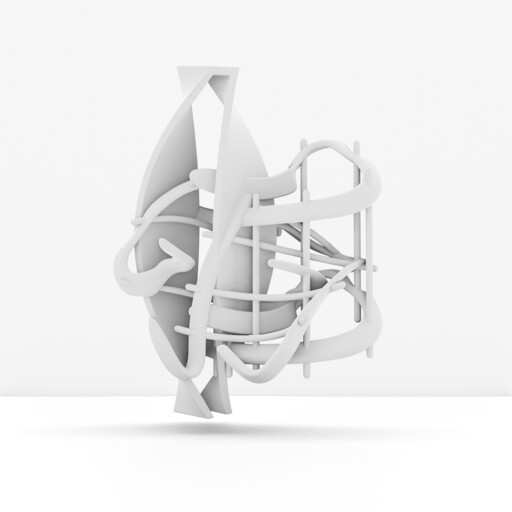
Geometry III
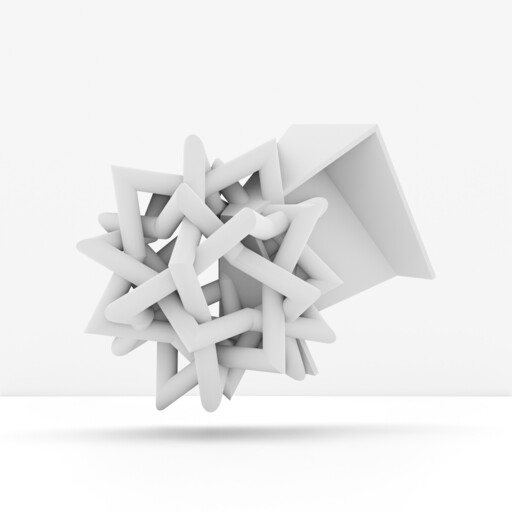
Geometry IV
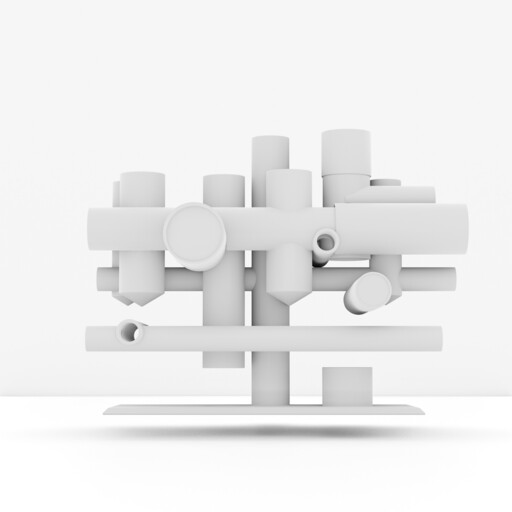
Geometry V
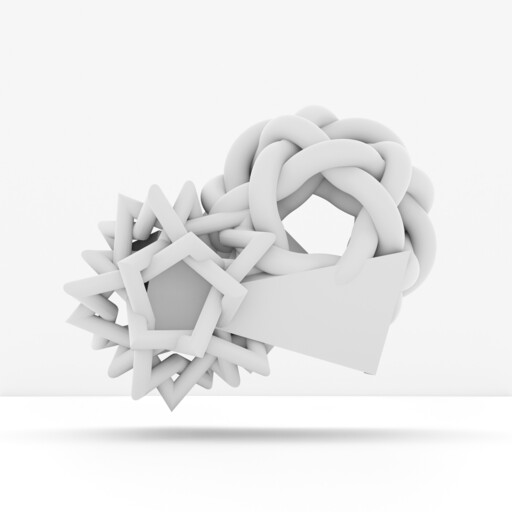
Geometry VI

Geometry VII
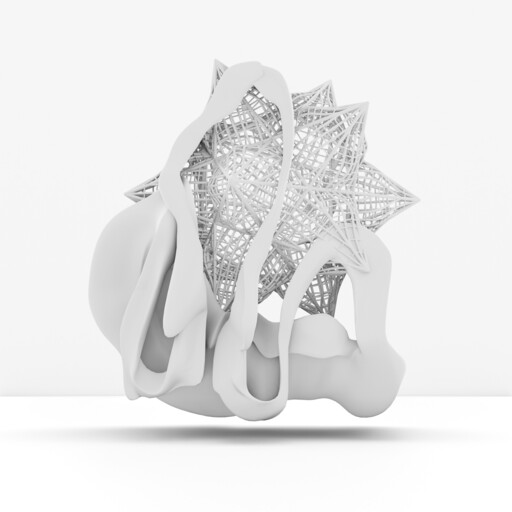
Geometry VIII
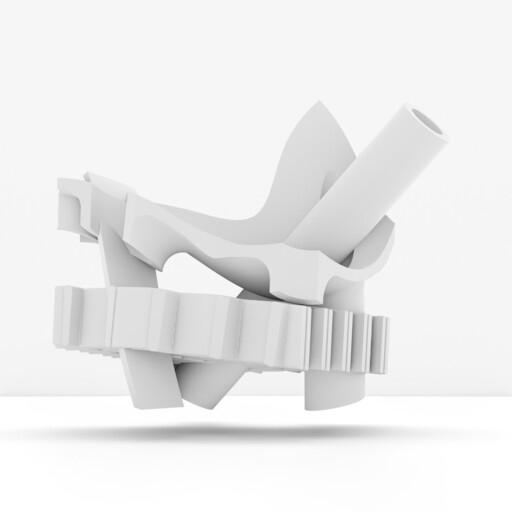
Geometry IX
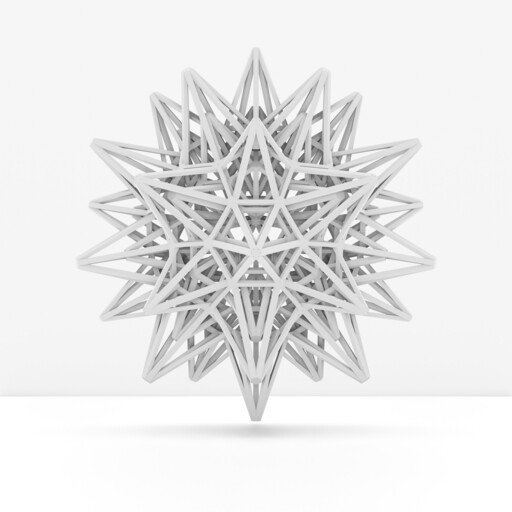
Geometry X
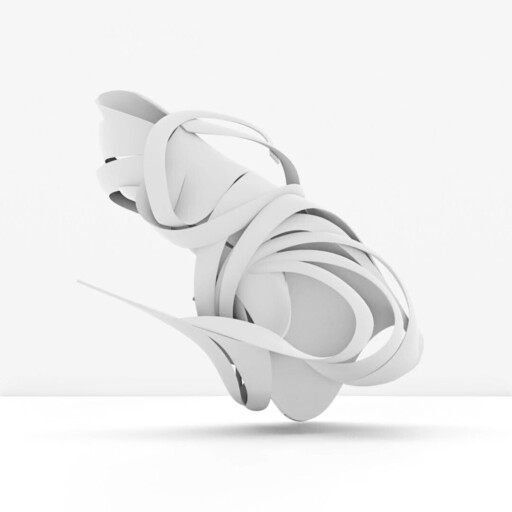
Geometry XI
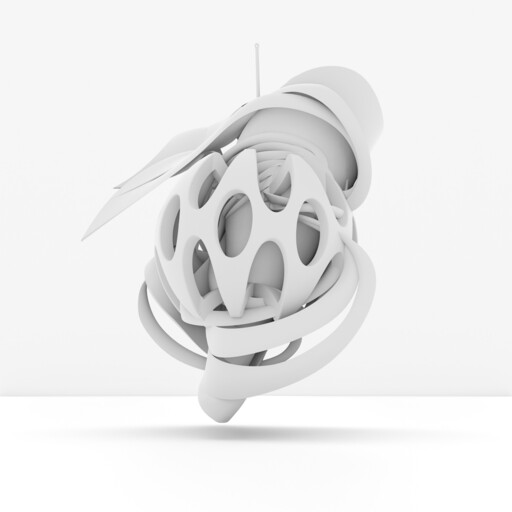
Geometry XII
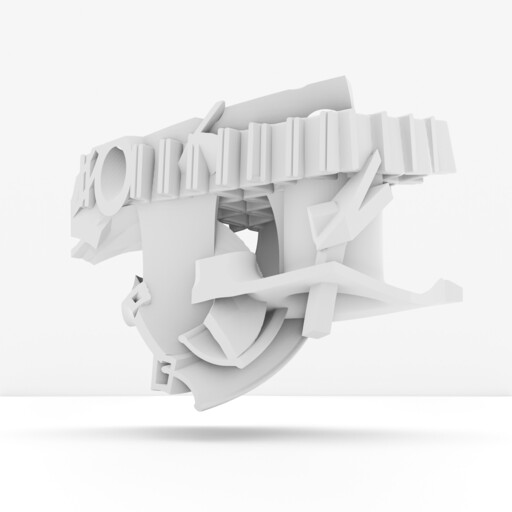
Geometry XIII
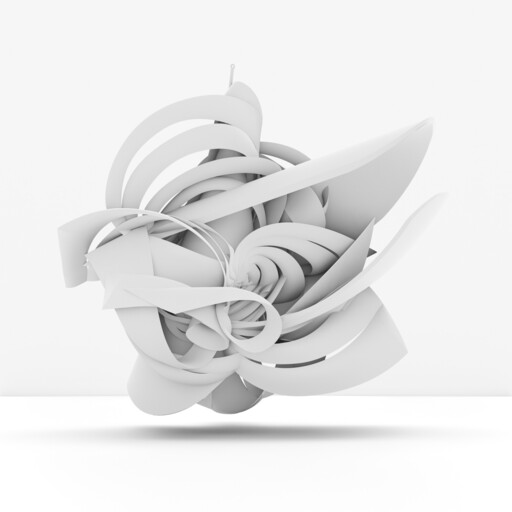
Geometry XIV
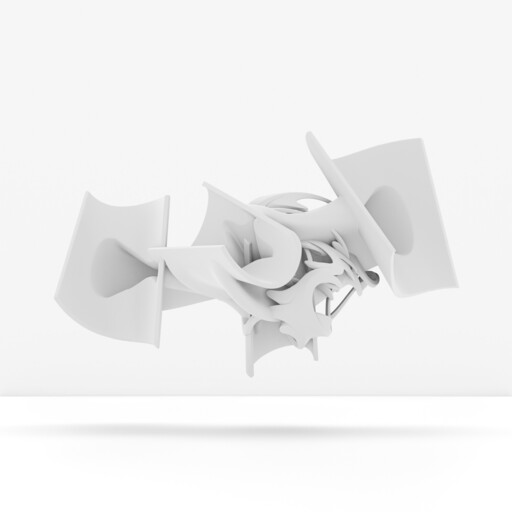
Geometry XV
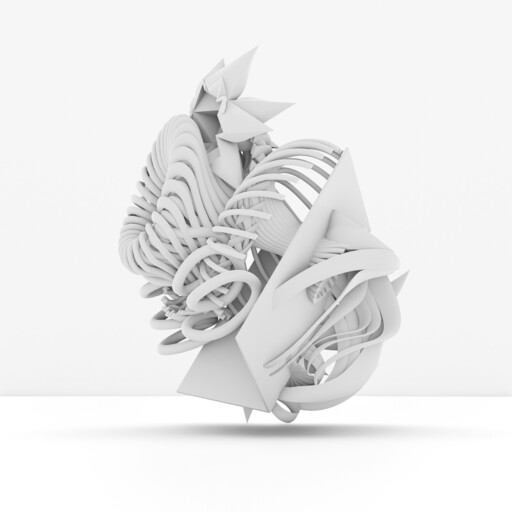
Geometry XVI
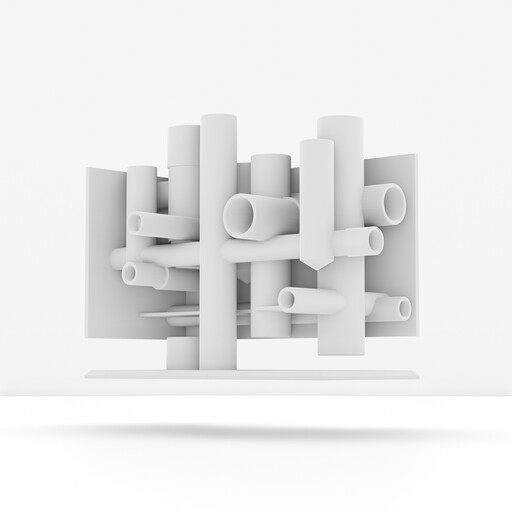
Geometry XVII
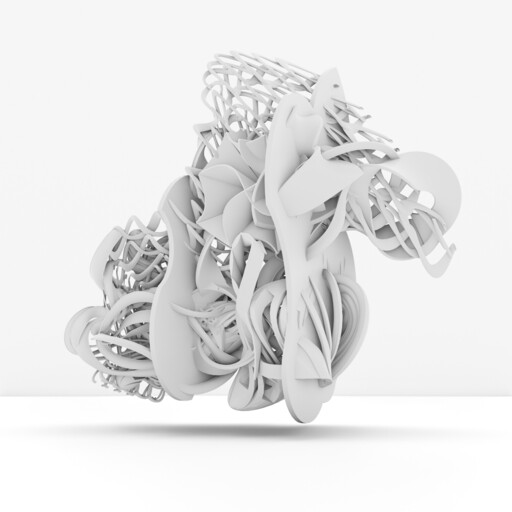
Geometry XVIII
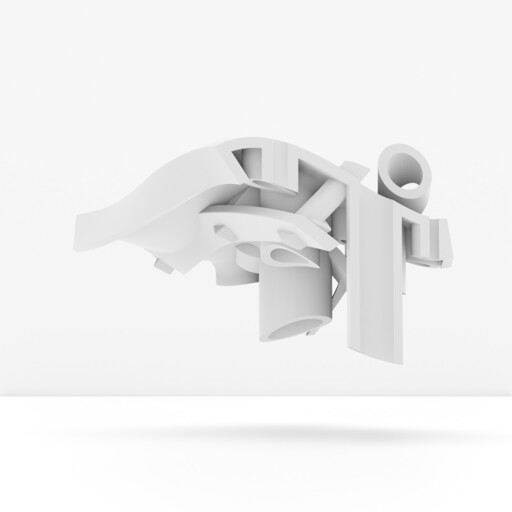
Geometry XIX
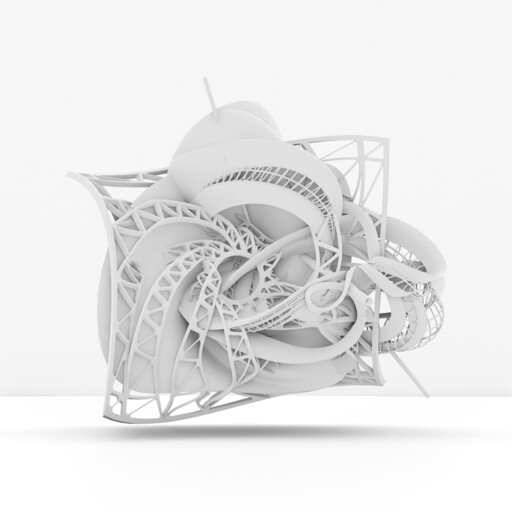
Geometry XX
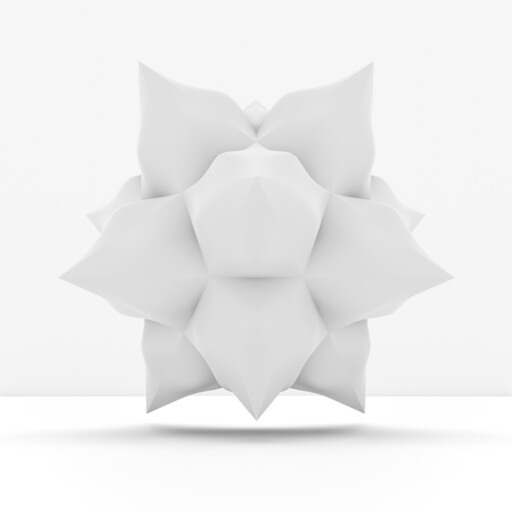
Geometry XXI
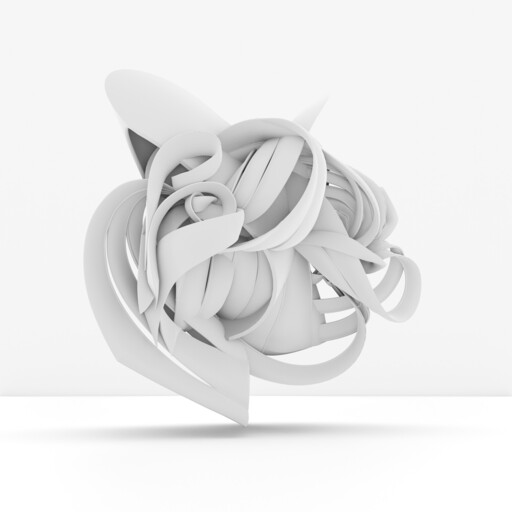
Geometry XXII
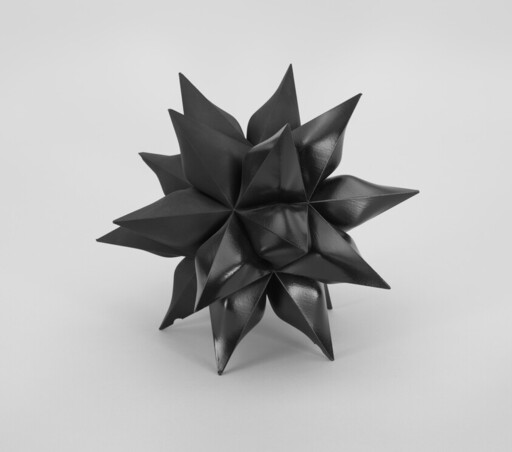
Puffed Black Star Model
kandampat
Polar Co-ordinates for Ronnie Peterson
Shards
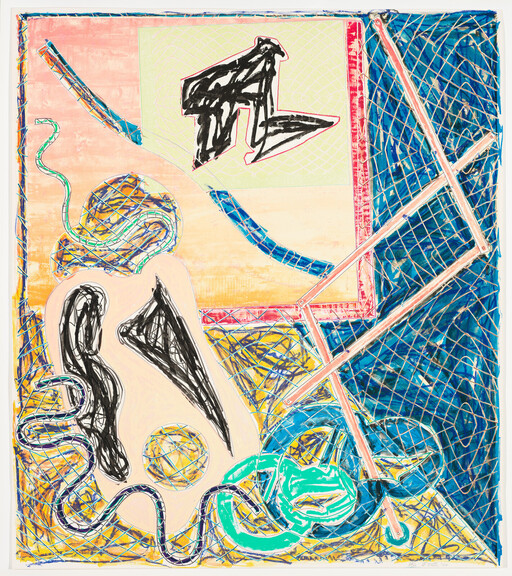
Shards I
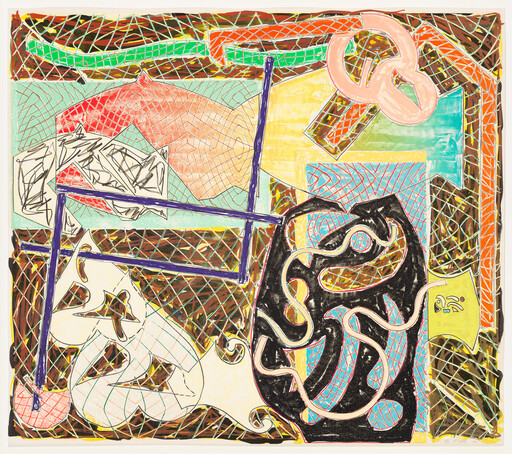
Shards II
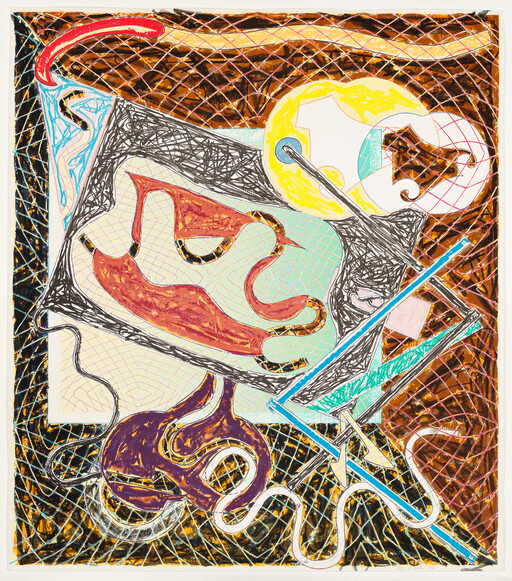
Shards III
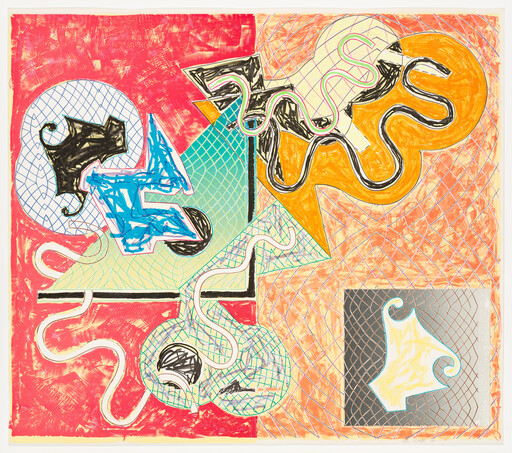
Shards IV
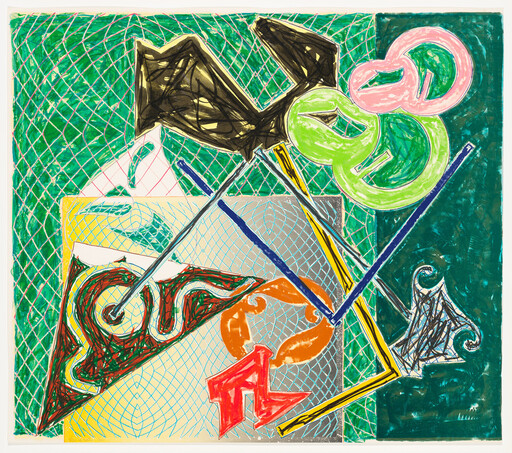
Shards V
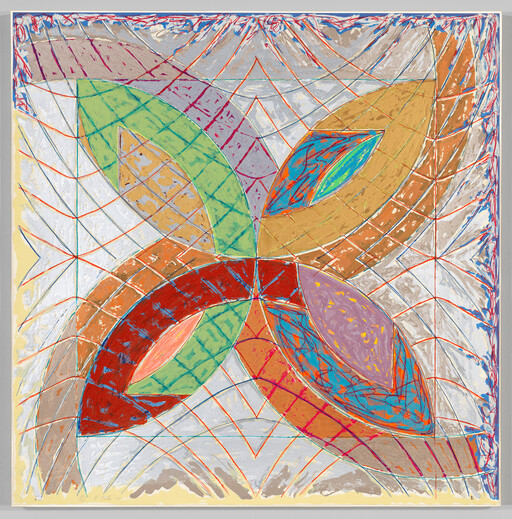
Polar Co-ordinates I
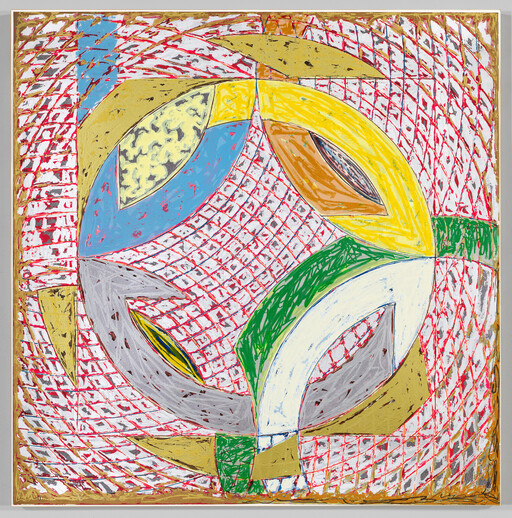
Polar Co-ordinates II
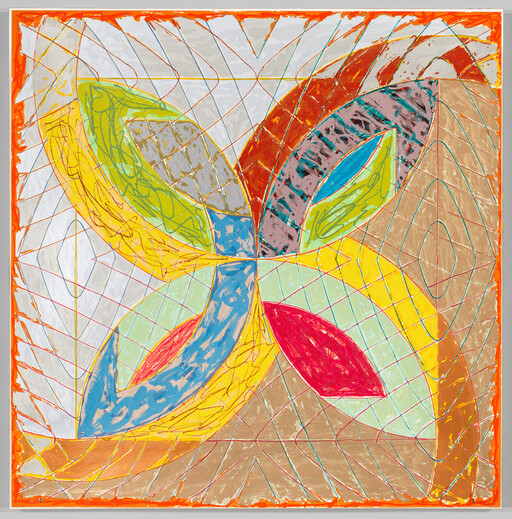
Polar Co-ordinates III
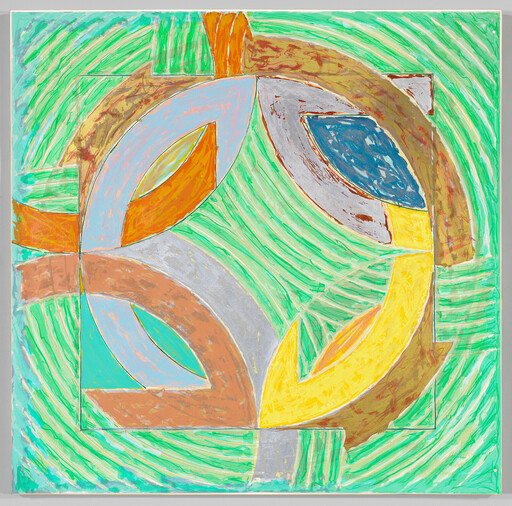
Polar Co-ordinates IV
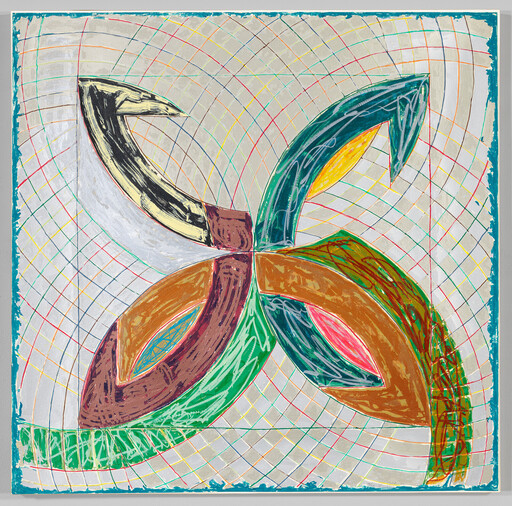
Polar Co-ordinates V
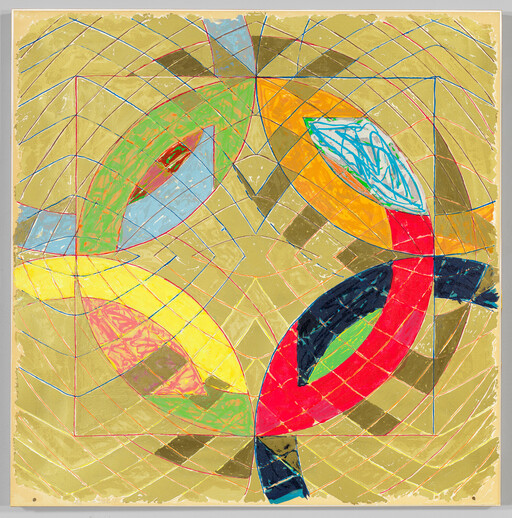
Polar Co-ordinates VI
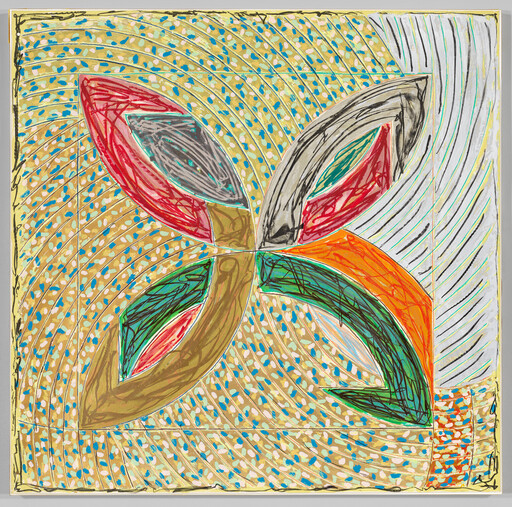
Polar Co-ordinates VII
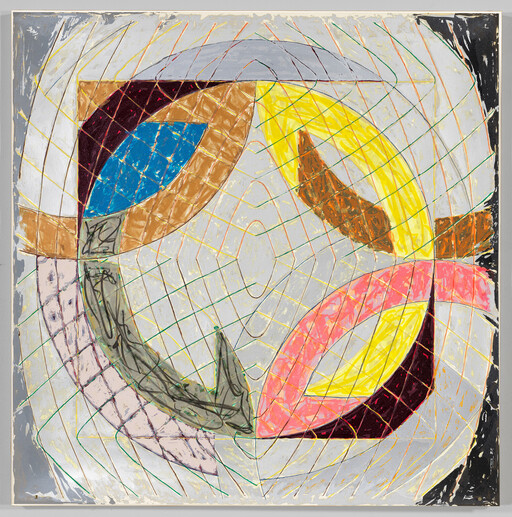
Polar Co-ordinates VIII
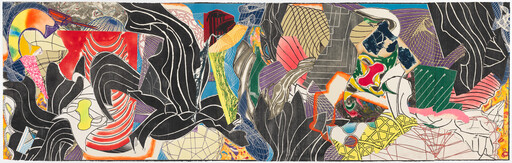
The Fountain
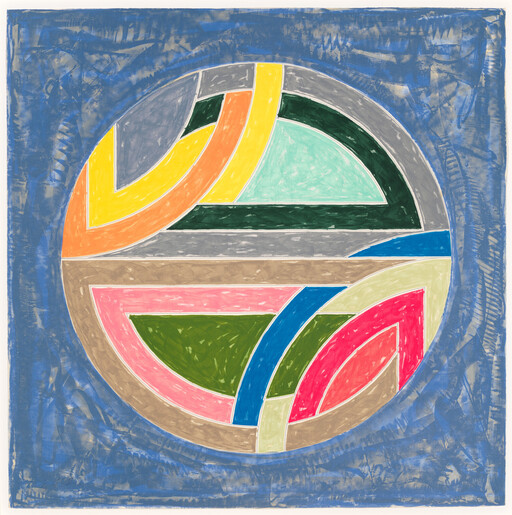
Sinjerli Variation Squared with Colored Grounds
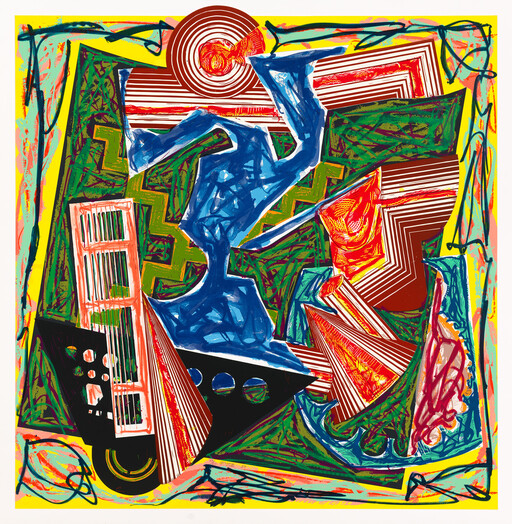
Illustrations After El Lissitzky's Had Gadya : Then Water Came and Quenched the Fire. No. 6
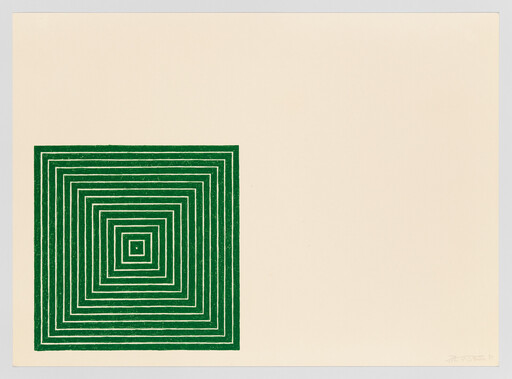
Island No. 10
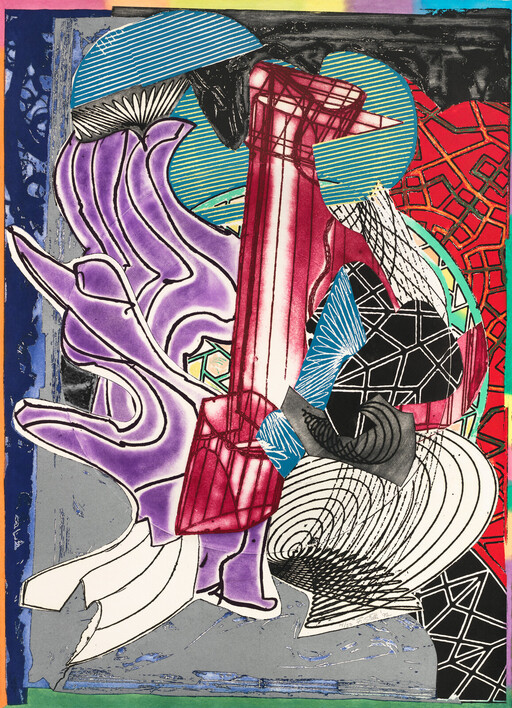
The Fossil Whale (Dome)
The Geldzahler Portfolio
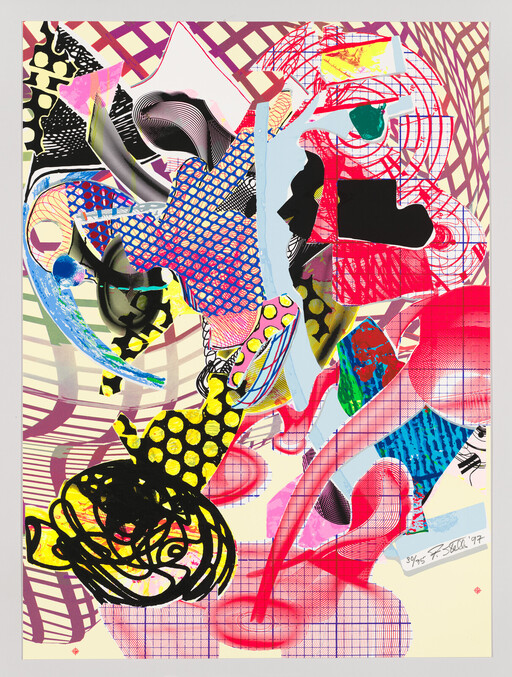
Coxuria
Ten Works by Ten Painters
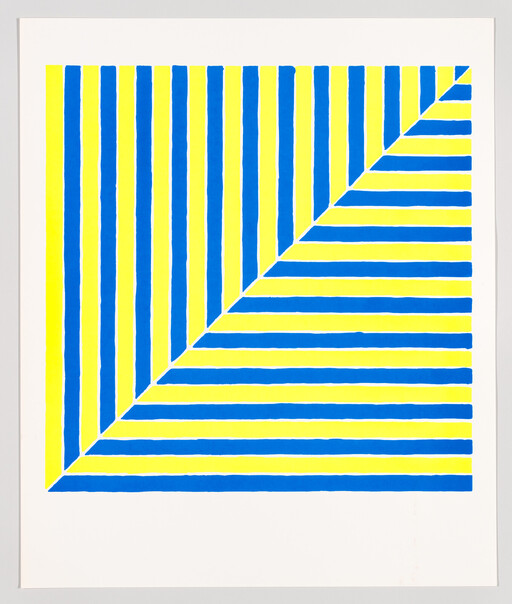
(Untitled)
Black Series I
Aluminum Series
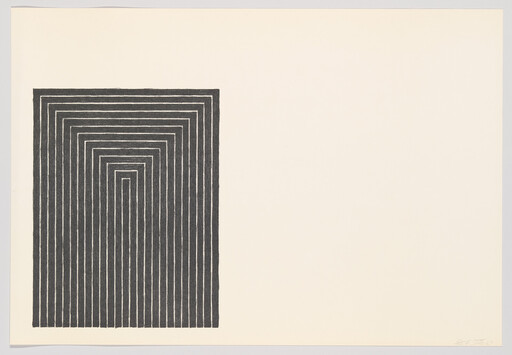
Clinton Plaza
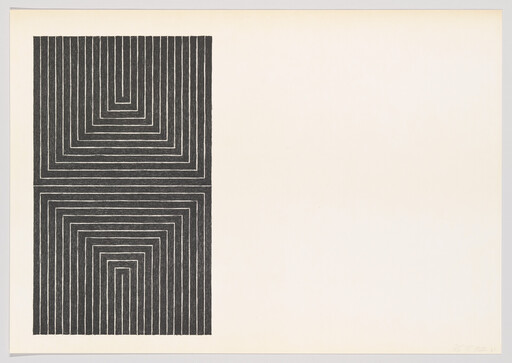
Arundel Castle
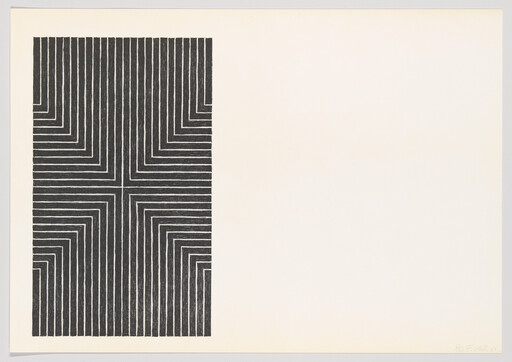
Die Fahne Hoch!
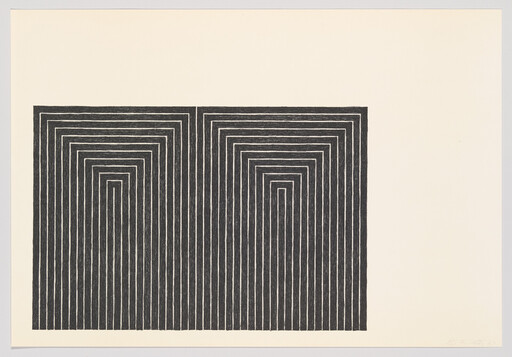
Marriage of Reason and Squalor
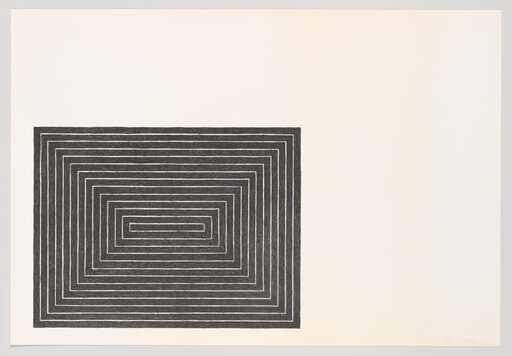
Tomlinson Court Park
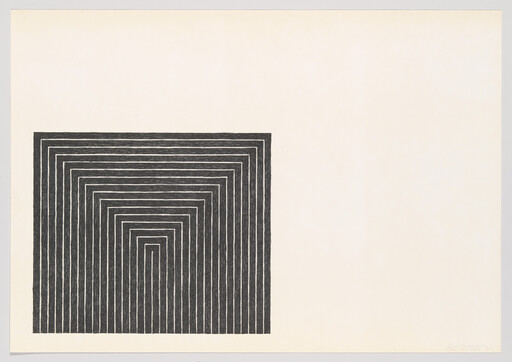
Getty Tomb
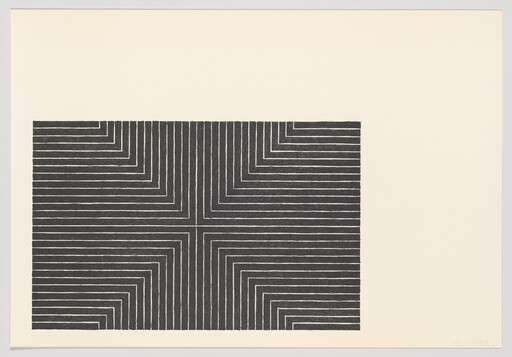
Arbeit Macht Frei
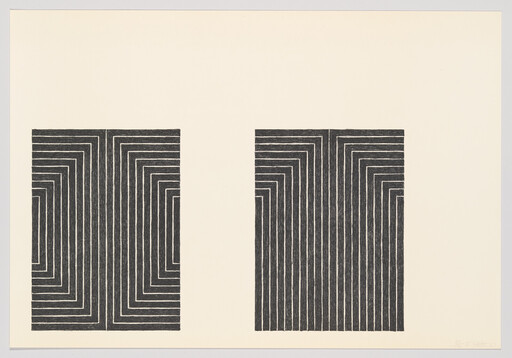
Club Onyx - Seven Steps
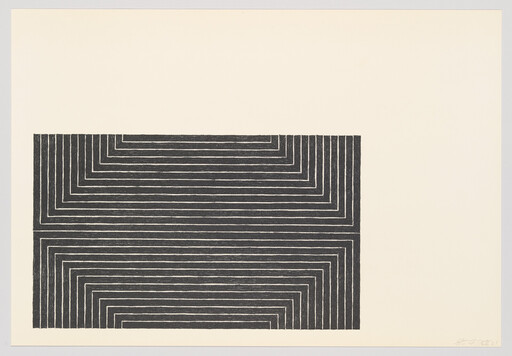
Bethlehem's Hospital
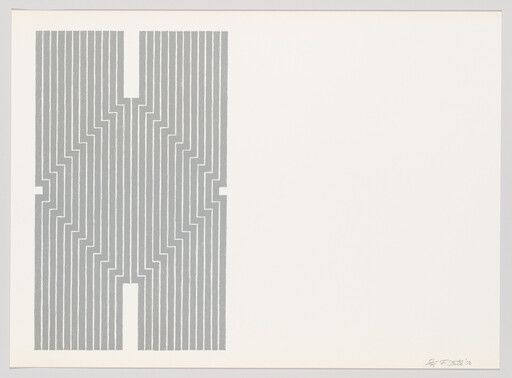
Newstead Abbey
Showing the first 60 of 117 works. Browse all 117 →
Exhibitions at the Whitney
- Spilling Over: Painting Color in the 1960s 2019-03-29 – 2019-08-18
- Where We Are: Selections from the Whitney’s Collection, 1900–1960 2017-04-28 – 2019-06-02
- Frank Stella: A Retrospective 2015-10-30 – 2016-02-07
- America Is Hard to See 2015-05-01 – 2015-09-27
- Synthetic 2009-01-22 – 2009-04-19
- Full House: Views of the Whitney’s Collection at 75 2006-06-29 – 2006-09-03
- Highlights from the Permanent Collection: From Pollock to Today 2000-12-07 – 2002-02-10
- An American Story 1996-03-20 – 1996-09-29
- From the Collection: Photography, Sculpture and Painting 1994-07-14 – 1995-02-26
- Whitney Biennial 1991 1991-04-02 – 1991-06-30
- Whitney Biennial 1983 1983-03-15 – 1983-05-29
- Frank Stella: Prints 1967-1982 1983-01-13 – 1983-03-13
- Whitney Biennial 1979 1979-02-06 – 1979-04-01
- Whitney Biennial 1973: Contemporary American Art 1973-01-10 – 1973-03-18
- 1972 Annual Exhibition: Contemporary American Painting 1972-01-25 – 1972-03-19
- 1969 Annual Exhibition: Contemporary American Painting 1969-12-16 – 1970-02-01
- 1967 Annual Exhibition of Contemporary Painting 1967-12-13 – 1968-02-04
- 1965 Annual Exhibition of Contemporary American Painting 1965-12-08 – 1966-01-30
- Annual Exhibition 1963: Contemporary American Painting 1963-12-11 – 1964-02-02