Artist Biennial
Richard Serra
1938–2024
Biography
Throughout a career that has spanned nearly half a century and ranged across mediums such as sculpture, drawing, experimental film, video, and large-scale public art, Richard Serra has insisted that the elements essential to any work of art include the qualities inherent in the materials used and the process of its making. In 1968 Serra executed numerous sculptures comprised of manipulated lead. These works realize in three dimensions a set of written instructions the artist began compiling the previous year. The list, which includes the verbs “to scatter, to roll, to fold, to spill” as well as select nouns suggesting terms “of context, of tension, of gravity,” signals both the undertaking of these works and the conditions within which they exist. For example, the sculpture Prop enacts the verb in its title: a large, rolled-up lead tube props up a square lead sheet placed against the wall. Prop operates in the specific “context” of the museum gallery, suspended in a state of “tension” as the two elements resist “gravity.”
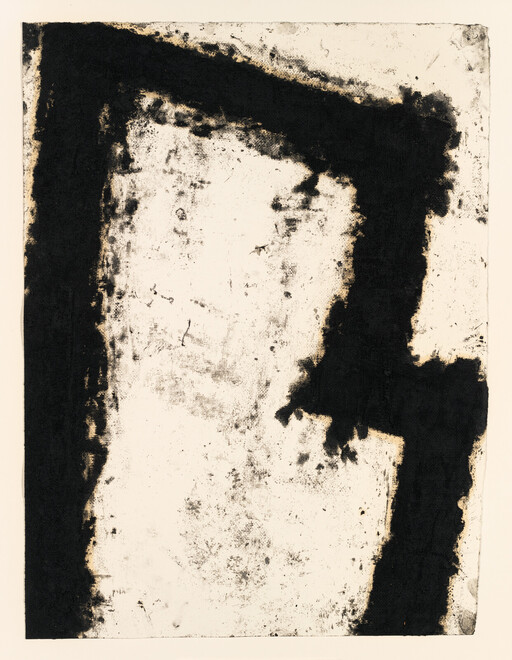
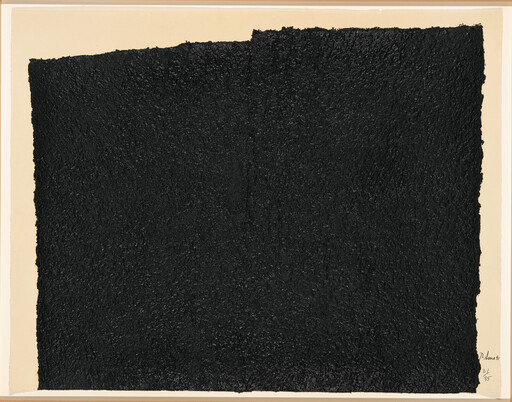
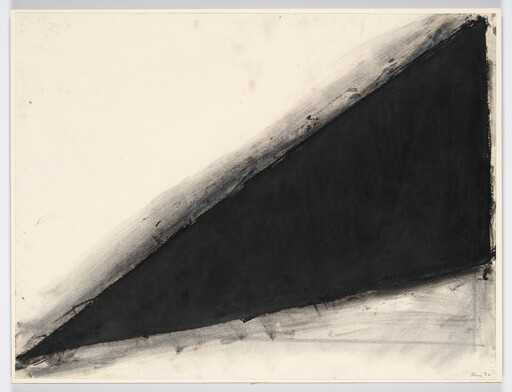
The drawings Serra has made since the early 1960s, executed in charcoal, lithographic crayon, or oil stick applied to paper, linen, or cut canvas affixed directly to the wall, operate not as preparatory sketches for his sculptures but as independent objects. Untitled, one of the first drawings he made using an oil stick (oil paint hardened with wax), features a densely applied black triangle inscribed within the rectangle of the white paper. Despite the variety of pigments and application techniques he has utilized in drawings that vary from sketchbook-sized renderings to large-scale, site-specific installations, Serra consistently works in black. The color, he has argued, “is a property, not a quality,” one that allows him to explore the relationship of forms both to and in space.
Works in the collection
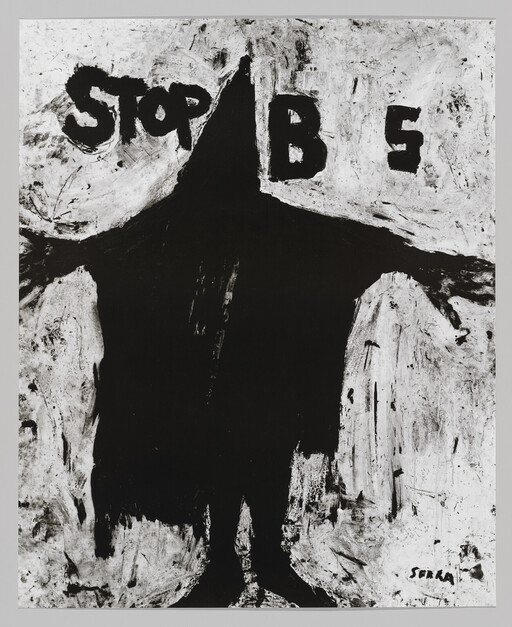
Stop BS
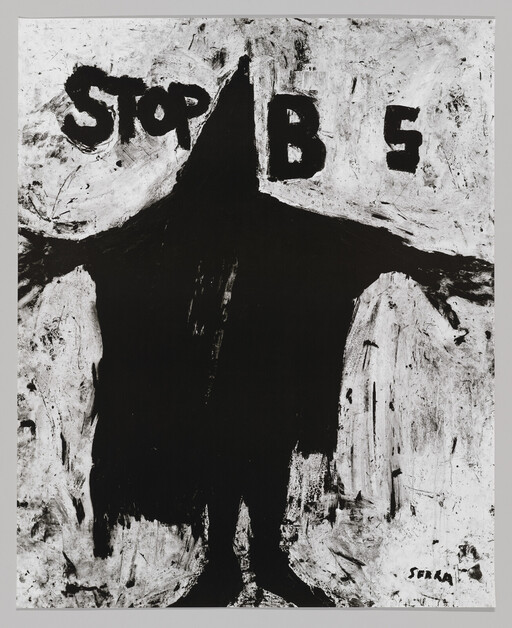
Stop BS
A Portfolio of Thirteen Prints to Commemorate the Conversion of New York City's Second Avenue Courthouse Building into the New Home of Anthology Film Archives, the First Museum Dedicated to Avantgarde Film and Video
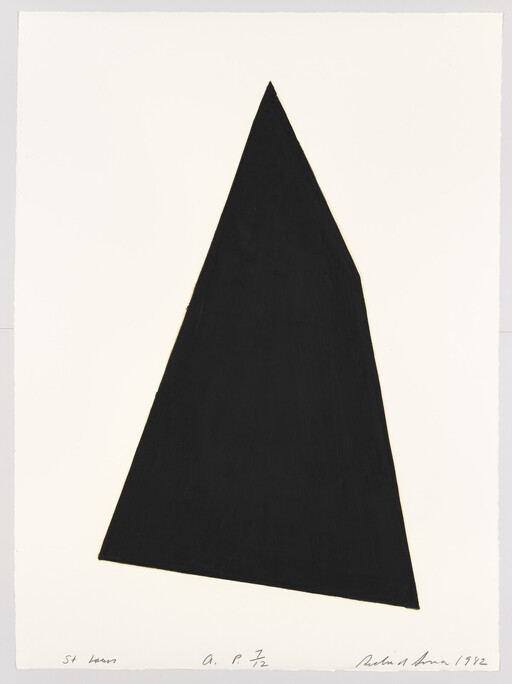
St. Louis
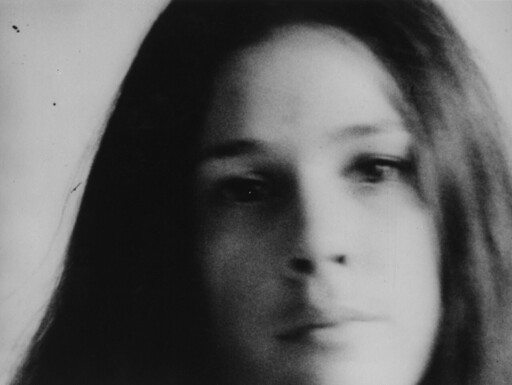
Tina Turning
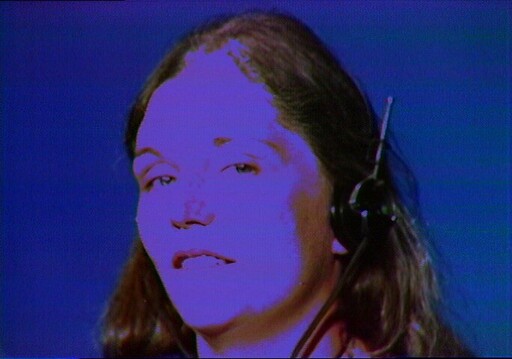
Boomerang
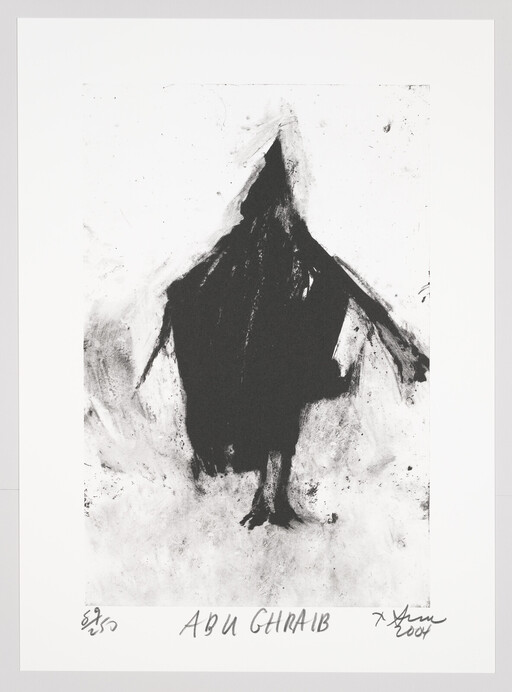
Abu Ghraib
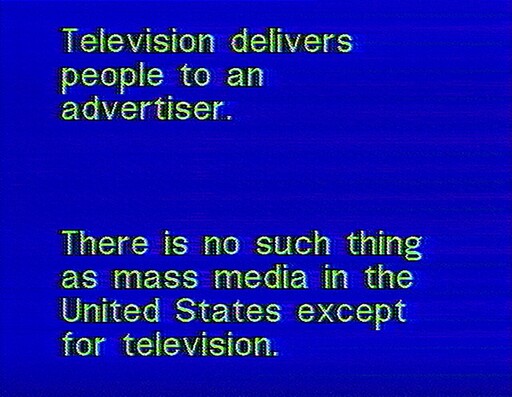
Television Delivers People
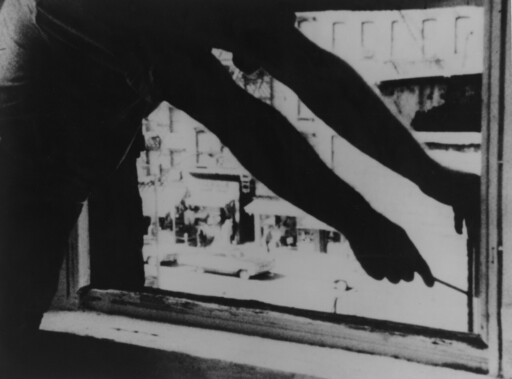
Frame
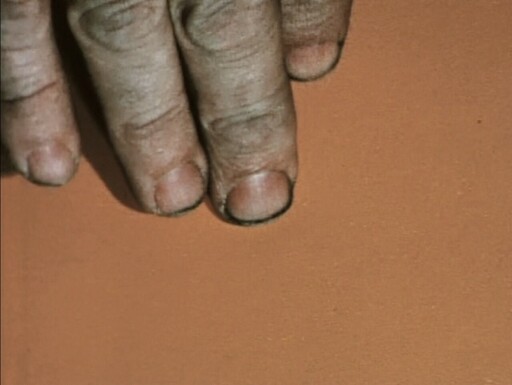
Color Aid
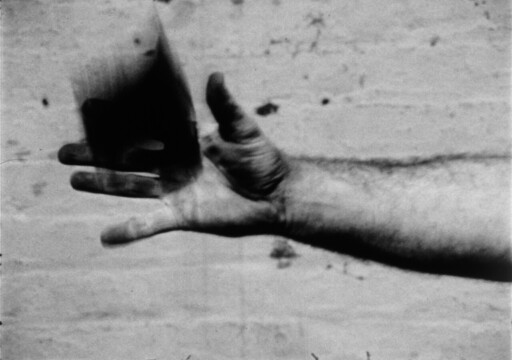
Hand Catching Lead
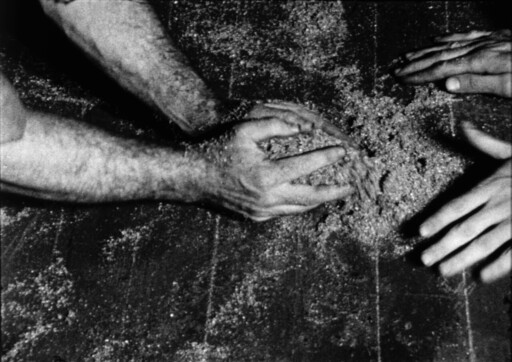
Hands Scraping
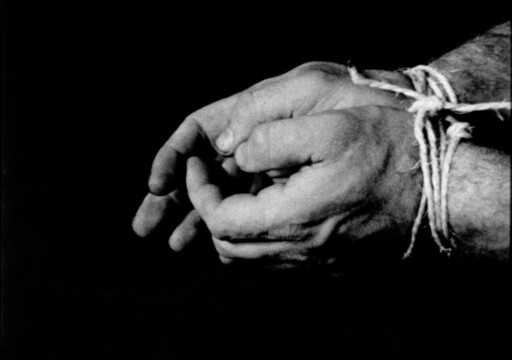
Hands Tied
Square Level Forged
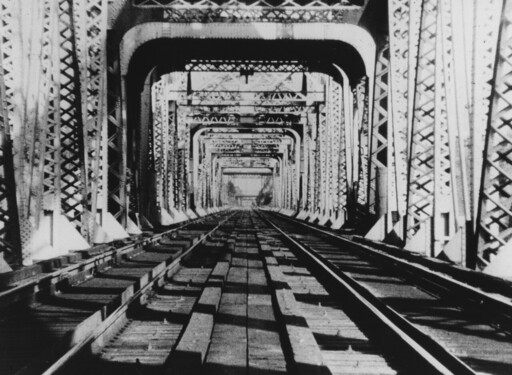
Railroad Turnbridge
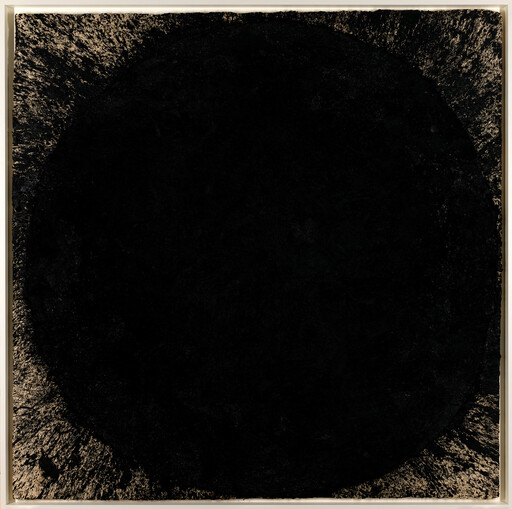
Out-of-round IX
Leo Castelli 90th Birthday Portfolio
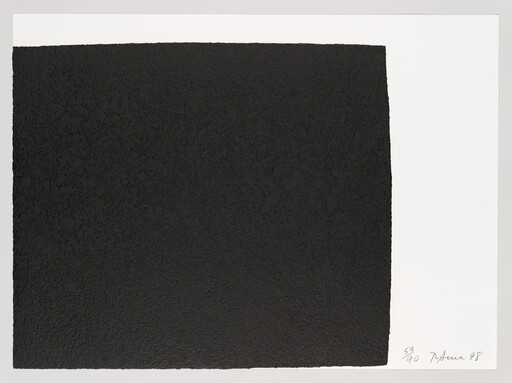
Leo
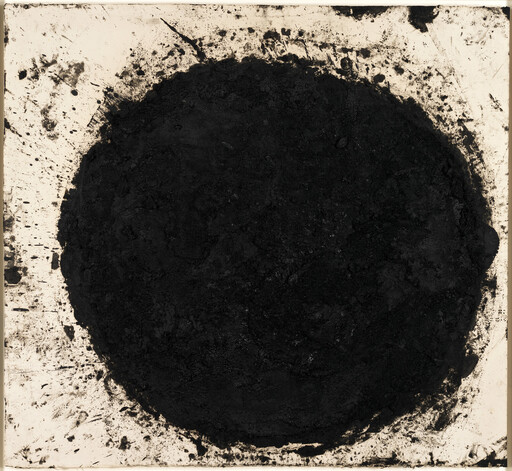
Clifton Chenier
Videy Drawing XXI
II Hreppholar
Untitled (Project for the Whitney Museum)
Left Corner Rectangles
Untitled
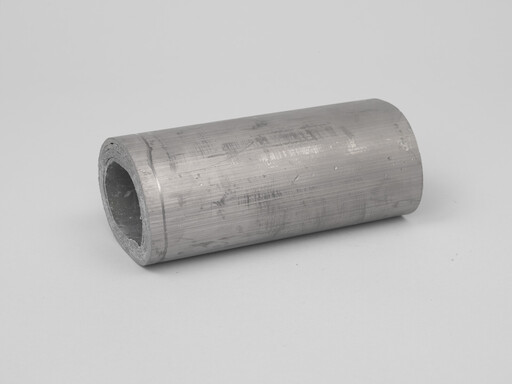
Rolled, Encased & Sawed
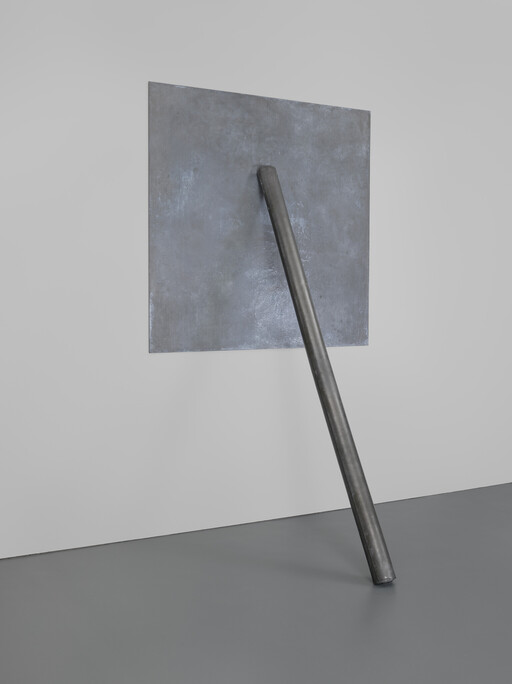
Prop
Exhibitions at the Whitney
- Around Day’s End: Downtown New York, 1970–1986 2020-09-03 – 2020-11-01
- America Is Hard to See 2015-05-01 – 2015-09-27
- Whitney Biennial 2014 2014-03-07 – 2014-05-25
- Off the Wall: Part 1—Thirty Performative Actions 2010-07-01 – 2010-09-19
- Sites 2009-02-19 – 2009-05-03
- Television Delivers People 2007-12-12 – 2008-02-17
- 2D → 3D 2007-01-19 – 2007-04-22
- Full House: Views of the Whitney’s Collection at 75 2006-06-29 – 2006-09-03
- Whitney Biennial 2006:<br>Day for Night 2006-03-02 – 2006-05-28
- The Draftsman's Colors: Fourteen New Acquisitions from Johns to Chong 2001-03-03 – 2001-07-08
- Highlights from the Permanent Collection: From Pollock to Today 2000-12-07 – 2002-02-10
- Flashing into the Shadows: The Artist's Film in America 1966–1976 2000-12-07 – 2003-10-25
- An American Story 1996-03-20 – 1996-09-29
- Whitney Biennial 1995 1995-03-23 – 1995-06-04
- From the Collection: Photography, Sculpture and Painting 1994-07-14 – 1995-02-26
- In a Classical Vein: Works from the Permanent Collection 1993-10-18 – 1994-04-03
- Whitney Biennial 1981 1981-01-20 – 1981-04-12
- Whitney Biennial 1979 1979-02-06 – 1979-04-01
- Whitney Biennial 1977: Contemporary American Art 1977-02-19 – 1977-04-03
- Whitney Biennial 1973: Contemporary American Art 1973-01-10 – 1973-03-18
- 1970 Annual Exhibition: Contemporary American Sculpture 1970-12-12 – 1971-02-07
- 1968 Annual Exhibition: Contemporary American Sculpture 1968-12-17 – 1969-02-09