Artist Biennial
James Rosenquist
1933–2017
Biography
One of the luminaries of Pop art, James Rosenquist came to painting from commercial art: in the late 1950s he worked as a billboard painter in Times Square and other locations around New York. By 1960 he had committed himself to fine art, imparting the heroic scale, stylized forms, and electric hues of his trade to painting.
Rosenquist’s iconic works, themselves frequently billboard size, often begin as preparatory collages of reproductions from magazines. Alterations in the shift from mass-media source to oil on canvas might include jarring changes in size and scale and the addition of high-key color, rendering Rosenquist’s prosaic subjects—which coalesce, like those of his Pop contemporaries, around domestic, consumerist, and technological themes—strange and startling. The artist’s juxtaposition of disparate images across multiple panels intensifies this effect of defamiliarization, placing a burden on the viewer to distill sense and meaning from the disjunctive pictorial syntax.
In U-Haul-It, Rosenquist conjoins a panel picturing a pocket watch and a pat of butter melting in a frying pan with another depicting a series of car chassis at a factory and a third showing part of the U-Haul logo as it might appear on the side of a moving van. A range of painterly styles—from exacting illusionism to near abstraction—and the use of three different panel sizes accentuates the jumble of images. Rosenquist’s cheerful palette may mask critical implications—a suggested continuum between cozy domesticity and mass production, for example, or the abstracting of corporate logo into gleaming reflection—to say nothing of the note of urgency added by the watch.
Works in the collection
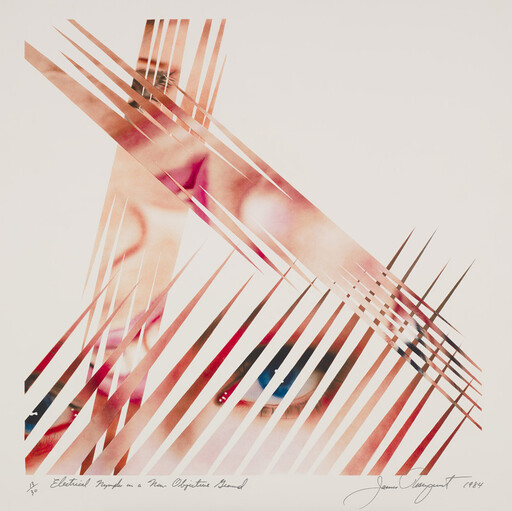
Electrical Nymphs on a Non-Objective Ground
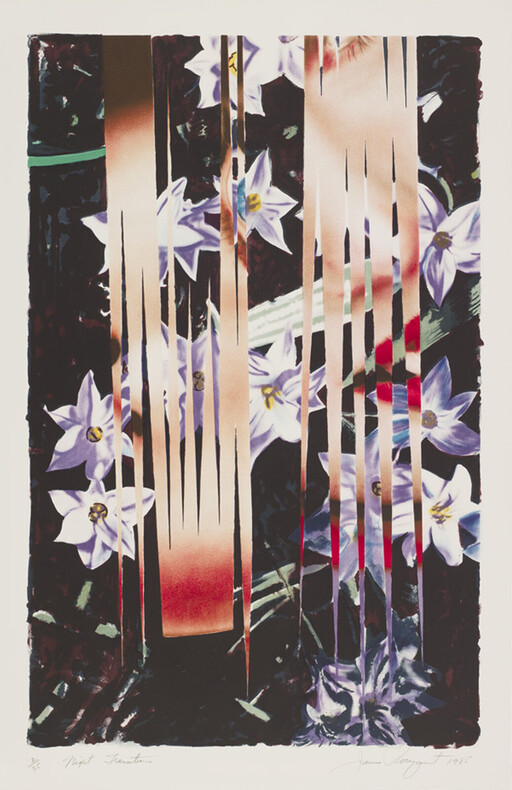
Night Transitions
Mute Transformations II
A Portfolio of Thirteen Prints to Commemorate the Conversion of New York City's Second Avenue Courthouse Building into the New Home of Anthology Film Archives, the First Museum Dedicated to Avantgarde Film and Video
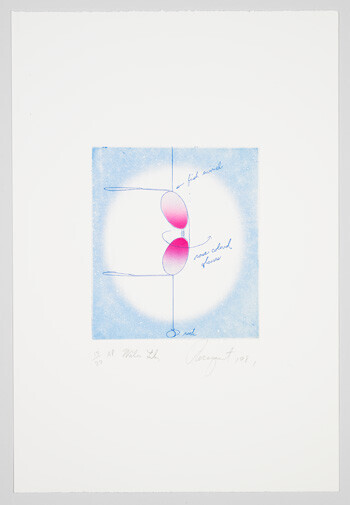
Water Lily
House of Fire II
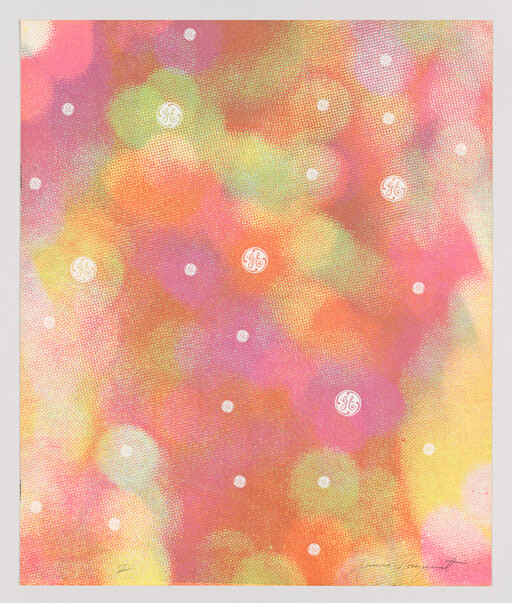
Circles of Confusion
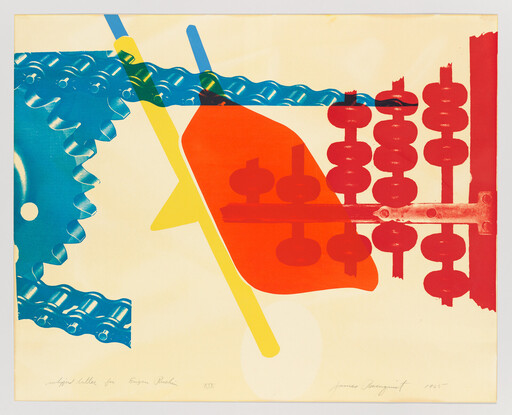
Whipped Butter for Eugen Ruchin
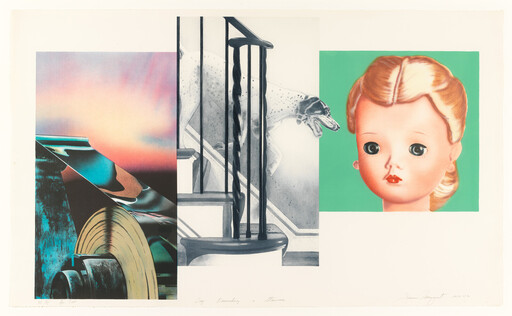
Dog Descending a Staircase
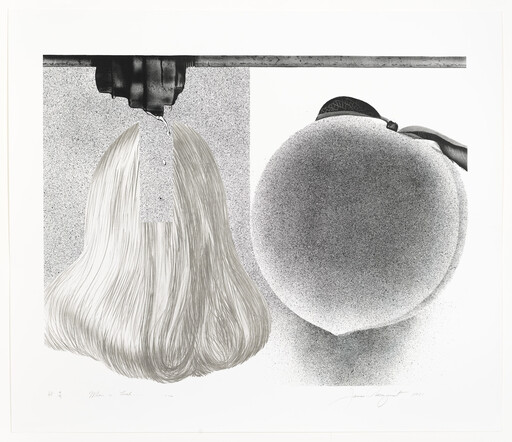
When a Leak... B&W
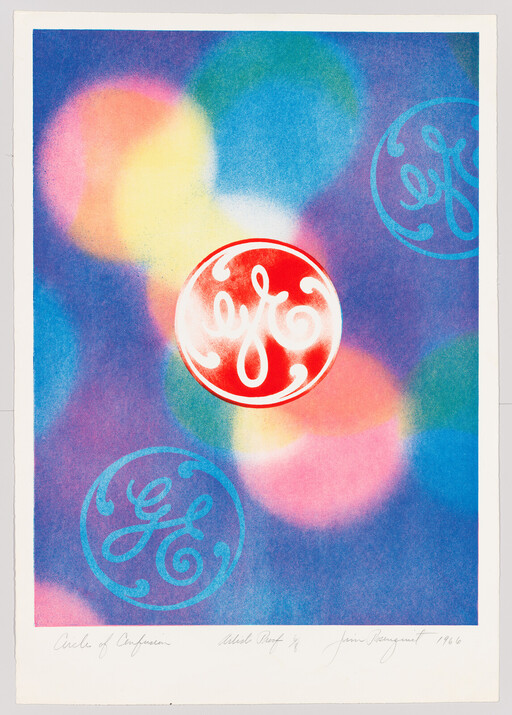
Circles of Confusion I
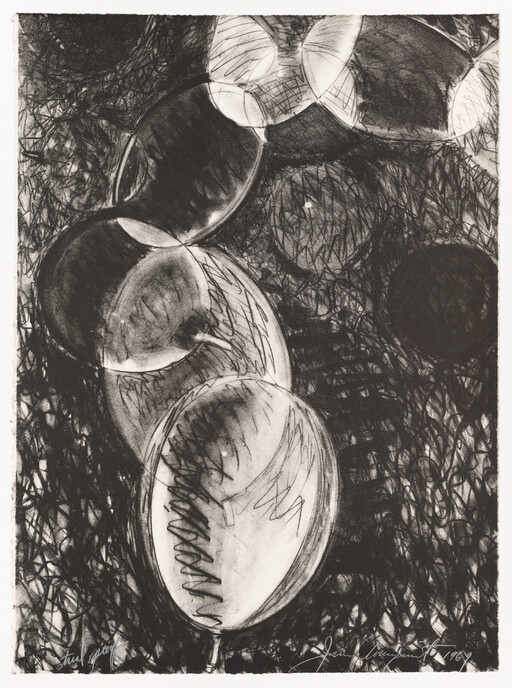
Bunraku [first version]
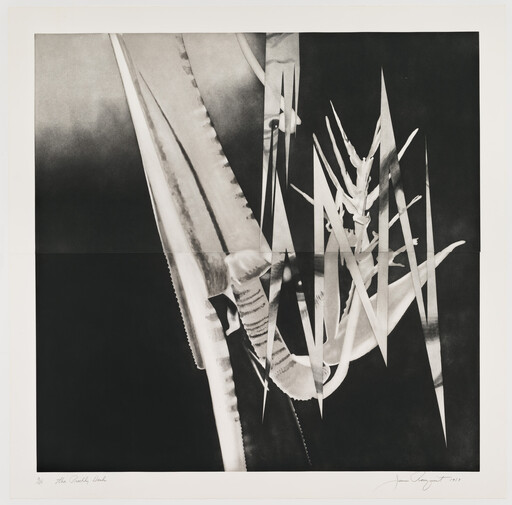
The Prickly Dark
The Geldzahler Portfolio
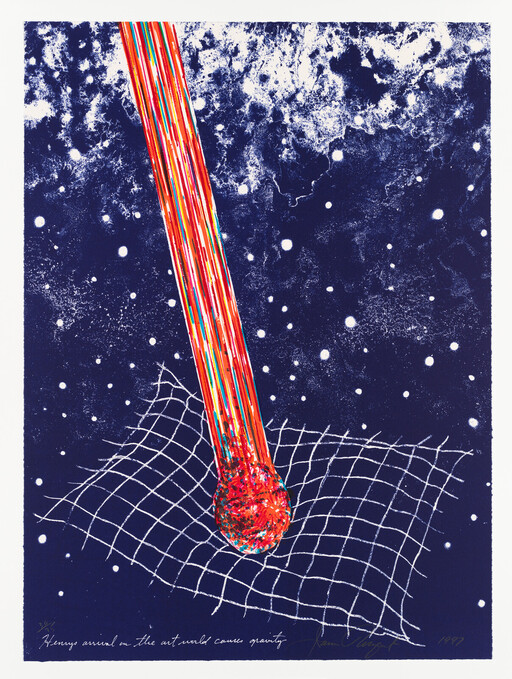
Henry's Arrival on the Art World Causes Gravity
Leo Castelli 90th Birthday Portfolio
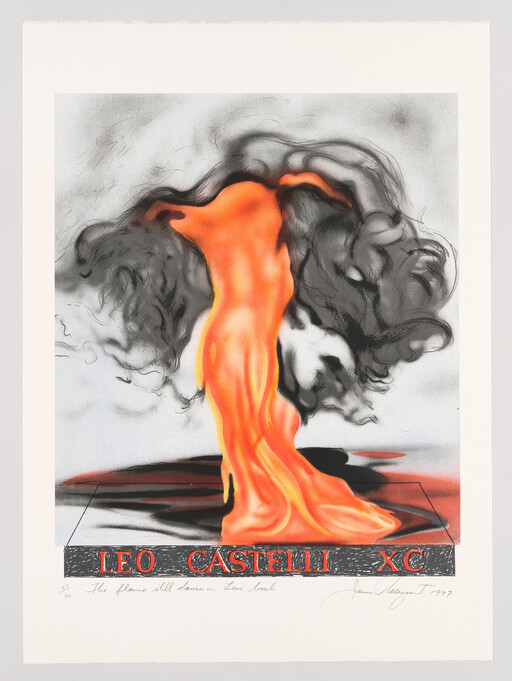
The Flame Still Dances on Leo's Book
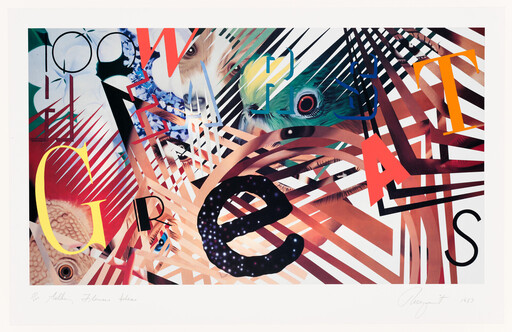
Talking Flowers Ideas
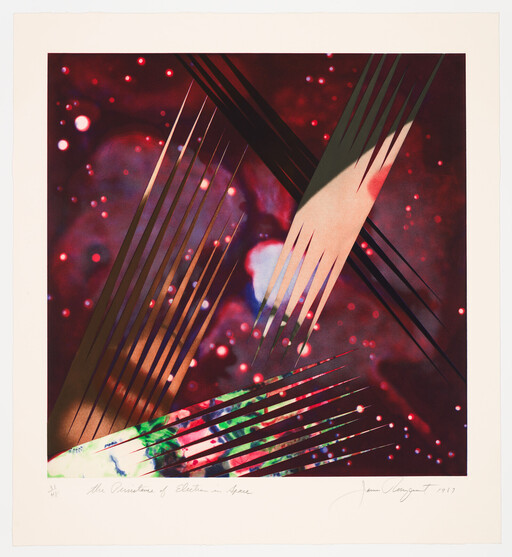
The Persistance of Electrons in Space
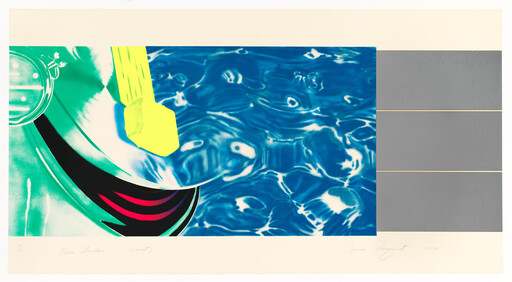
Horse Blinders (west)
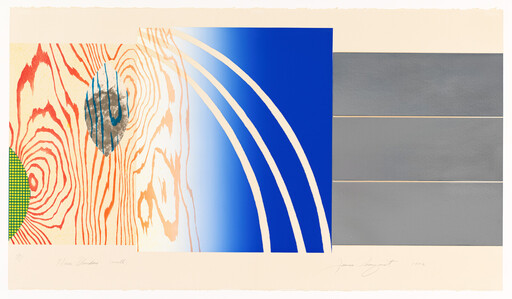
Horse Blinders (north)
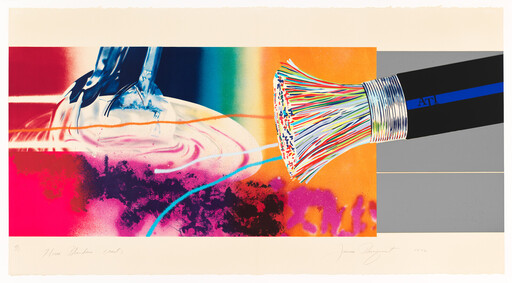
Horse Blinders (east)
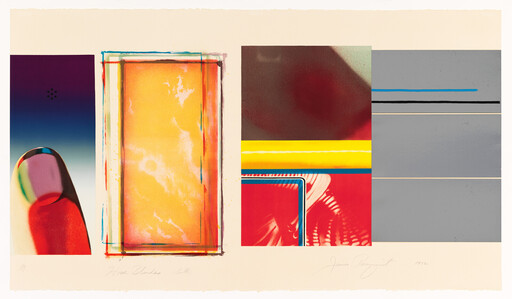
Horse Blinders (south)
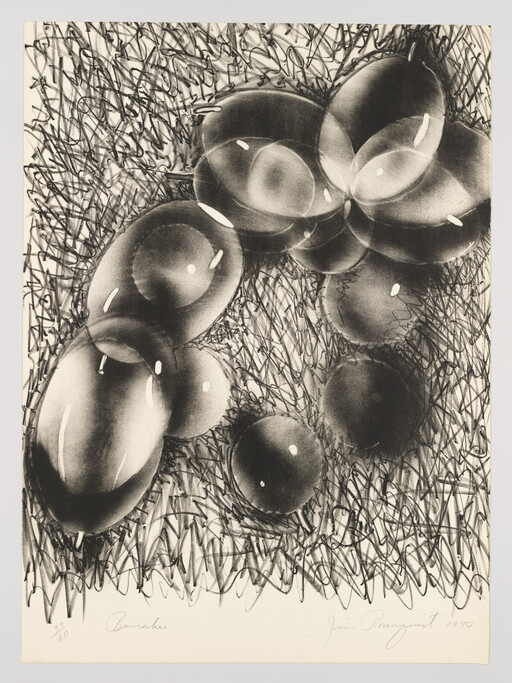
Bunraku
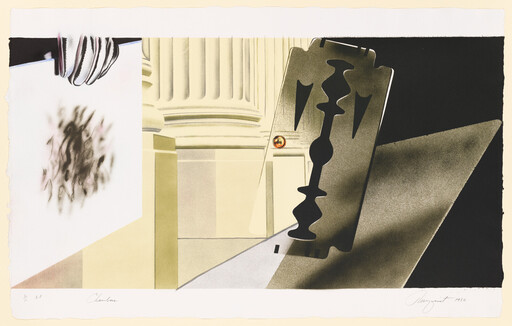
Chambers
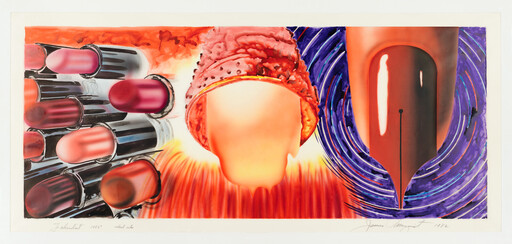
Fahrenheit 1982 Degrees
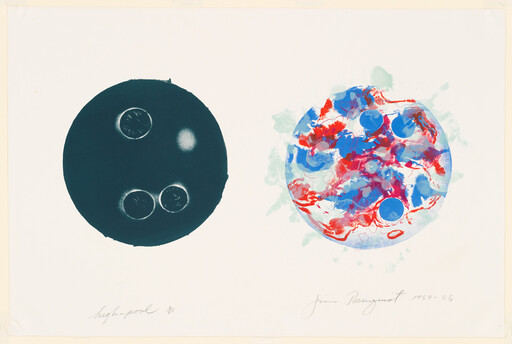
high - pool
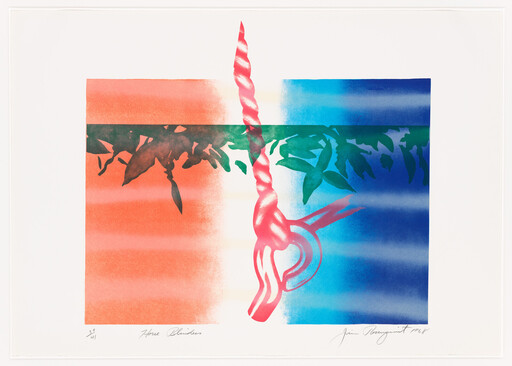
Horse Blinders
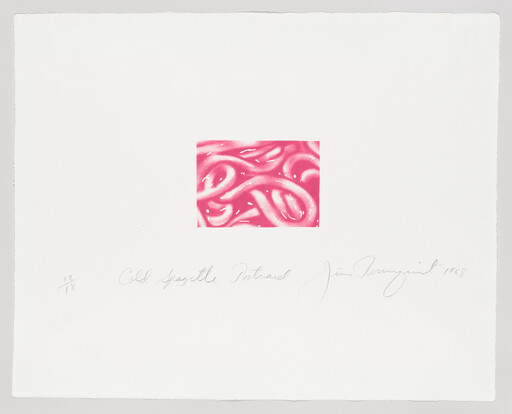
Cold Spagetti Postcard
U-Haul-It
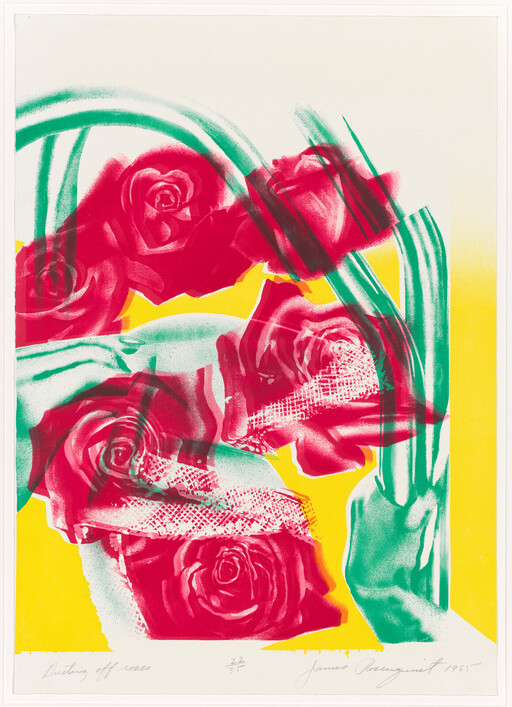
Dusting Off Roses
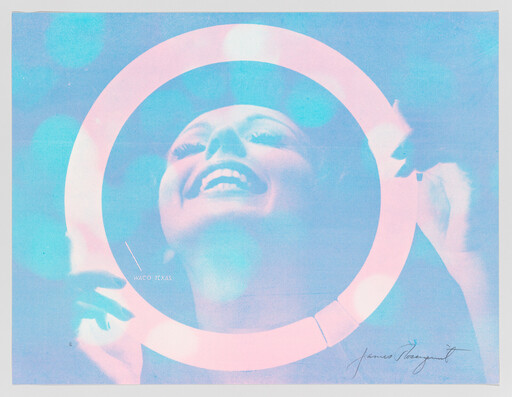
Somewhere to Light
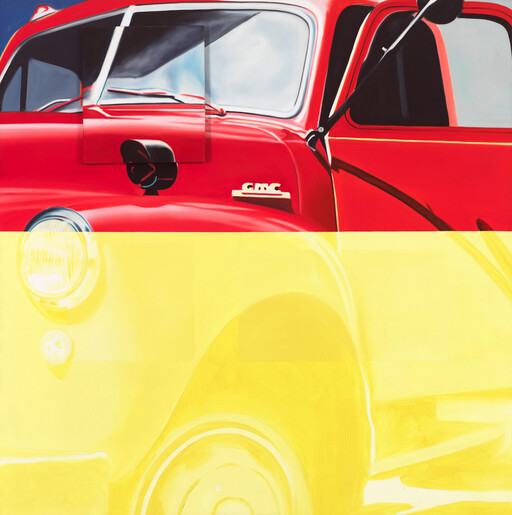
Broome Street Trucks After Herman Melville
Exhibitions at the Whitney
- Sixties Surreal 2025-09-24 – 2026-01-19
- America Is Hard to See 2015-05-01 – 2015-09-27
- Shaping a Collection: Five Decades of Gifts 2014-07-17 – 2014-10-19
- Sinister Pop 2012-11-15 – 2013-03-31
- Legacy: The Emily Fisher Landau Collection 2011-02-10 – 2011-05-01
- Singular Visions 2010-12-16 – 2012-08-05
- Two Years 2007-10-17 – 2008-02-17
- Full House: Views of the Whitney’s Collection at 75 2006-06-29 – 2006-09-03
- New Additions: Prints for an American Museum Part II 2004-01-29 – 2004-05-16
- De Kooning to Today: Highlights from the Permanent Collection (2nd floor–Oct 2002) 2002-10-10 – 2003-03-02
- Whitney Biennial 1981 1981-01-20 – 1981-04-12
- 1969 Annual Exhibition: Contemporary American Painting 1969-12-16 – 1970-02-01
- 1967 Annual Exhibition of Contemporary Painting 1967-12-13 – 1968-02-04
- Annual Exhibition 1963: Contemporary American Painting 1963-12-11 – 1964-02-02